
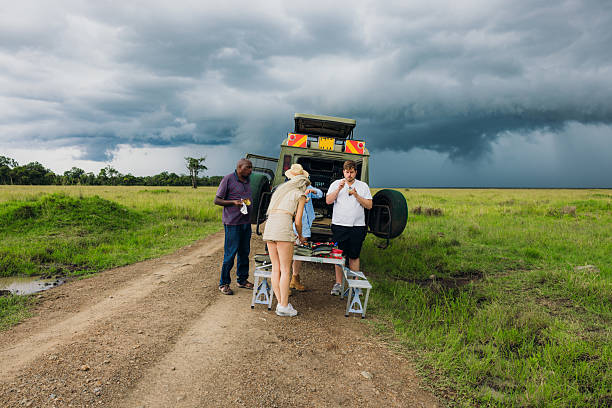
Medical Emergencies on Safari: Evacuation Options and Costs
Medical emergencies on safari require careful preparation because many of East Africa’s most beautiful wildlife destinations are located far from major hospitals. Travellers visiting Uganda, Kenya, Tanzania and Rwanda may spend several days in remote national parks where emergency medical facilities are limited.
Although most African safaris are completed without serious incidents, unexpected illnesses, injuries and accidents can occur. Severe malaria, dehydration, allergic reactions, snake bites and road accidents are among the emergencies that may require immediate medical attention.
In remote wildlife areas, reaching a suitable hospital can involve long road transfers, air ambulances or emergency evacuation flights.
Understanding how emergency services operate, how much evacuation may cost and what insurance covers can help travellers prepare before departure.
This guide explains medical evacuation options, emergency procedures, estimated costs and practical safety considerations for African safari holidays.
What Happens During a Medical Emergency on Safari?
When a traveller becomes seriously ill or injured, the safari guide or lodge management usually coordinates the initial response.
The priority is to protect the patient, contact qualified medical services and arrange appropriate treatment.
Typical Safari Emergency Response
| Step | Emergency action |
|---|---|
| 1 | Secure the scene and prevent further danger |
| 2 | Assess immediate medical concerns |
| 3 | Provide first aid within available training |
| 4 | Contact emergency medical professionals |
| 5 | Inform the safari operator |
| 6 | Arrange suitable medical transport |
| 7 | Transfer the patient to an appropriate facility |
Safari guides may have first-aid training, but they are not substitutes for doctors or paramedics.
Common Medical Emergencies During Safaris
Medical problems can develop unexpectedly, even among healthy travellers.
Potential Safari Emergencies
| Emergency | Possible medical response |
|---|---|
| Severe malaria | Urgent hospital treatment |
| Serious dehydration | Medical assessment and fluid replacement |
| Snake bite | Emergency medical evaluation |
| Major injury | Trauma care and possible evacuation |
| Severe allergic reaction | Immediate emergency treatment |
| Heart attack | Urgent cardiac assessment |
| Breathing difficulties | Emergency medical support |
| Road accident | Rescue and trauma services |
| Severe infection | Hospital assessment |
The patient’s condition determines whether treatment can begin locally or evacuation is necessary.
Why Medical Evacuation May Be Necessary
Many African national parks cover extensive wilderness areas.
Some lodges are several hours from hospitals equipped for surgery, intensive care or specialist treatment.
Small clinics may provide basic assistance but lack advanced medical equipment.
Medical evacuation allows a patient to reach a facility offering appropriate care.
Reasons for Emergency Evacuation
A traveller may require urgent surgery, intensive care, specialist investigation or treatment unavailable locally.
Some conditions also require continuous monitoring during transport.
The decision to evacuate should be made with qualified medical professionals.
Main Medical Evacuation Options
Medical evacuation arrangements depend on the destination, patient’s condition and available services.
Emergency Transport Comparison
| Evacuation method | Suitable circumstances | Main limitation |
|---|---|---|
| Road ambulance | Accessible destinations | Road distance and conditions |
| Helicopter | Selected remote locations | Limited availability |
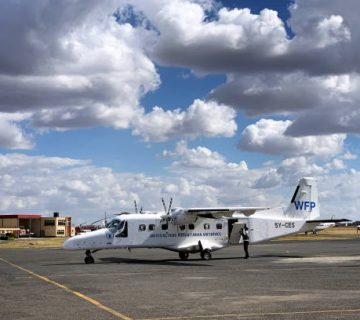
| Fixed-wing air ambulance | Longer-distance transfers | Requires suitable airstrip |
| International medical flight | Specialist treatment abroad | High cost and complex arrangements |
Not every national park offers all these services.
Weather, aircraft availability and safe access influence the response.
Road Ambulance Evacuation
Road ambulances are commonly used when suitable hospitals can be reached by road.
They may carry emergency equipment and trained medical personnel, depending on the provider.
Advantages of Road Ambulances
Road transport does not require an airport or airstrip.
It can collect patients from accessible lodges and towns.
For shorter journeys, it may be more economical than air evacuation.
However, road conditions, traffic and remote locations can delay medical treatment.
A standard safari vehicle should not replace a properly equipped ambulance when professional monitoring is required.
Air Ambulance Evacuation
Air ambulances are particularly useful when serious illness or injury occurs far from suitable medical facilities.
Specially equipped aircraft may carry trained medical personnel and monitoring equipment.
How Air Evacuation Works
The medical team assesses the patient’s condition.
The provider identifies an appropriate receiving hospital.
Aircraft and weather conditions are checked.
Ground transfers are arranged where necessary.
The patient is transported with suitable medical supervision.
Air evacuation is not automatically available at every location or for every medical condition.
Helicopter vs Fixed-Wing Evacuation
Helicopters can sometimes reach locations that lack conventional airstrips.
However, helicopter medical evacuation capacity is limited across many East African safari regions.
Fixed-wing aircraft are generally more practical for longer transfers where suitable airstrips or airports are available.
Aircraft Comparison
| Feature | Helicopter | Fixed-wing aircraft |
|---|---|---|
| Landing requirements | Suitable landing area | Airstrip or airport |
| Travel distance | Often shorter operations | Suitable for longer distances |
| Availability | Location-dependent | Provider-dependent |
| Medical equipment | Varies | Varies |
| Weather limitations | Important | Important |
Medical professionals and aviation operators determine the safest transport option.
Medical Emergencies in Uganda
Uganda’s safari destinations include Bwindi Impenetrable National Park, Queen Elizabeth National Park, Murchison Falls, Kibale and Kidepo Valley.
Some are located considerable distances from major hospitals.
Uganda Safari Emergency Considerations
| Destination | Main concern |
|---|---|
| Bwindi | Mountainous terrain and remote forest access |
| Queen Elizabeth | Distance between park sectors |
| Murchison Falls | Long road journeys |
| Kibale | Access through Fort Portal |
| Kidepo Valley | Remote geographical location |
| Lake Mburo | Regional road transfers |
Kampala and other regional centres provide medical facilities, although the appropriate destination depends on the emergency.
Travellers should confirm evacuation arrangements before visiting remote parks.
Medical Evacuation in Kenya
Kenya has established medical services in Nairobi and other major urban centres.
However, wildlife destinations such as the Maasai Mara, Samburu and Amboseli may be far from specialist hospitals.
Kenya Emergency Planning
Some safari areas have operational airstrips that may support emergency transfers.
Road ambulances can be practical in accessible locations.
Nairobi is an important centre for specialised medical treatment.
Travellers should ask whether their safari package includes any emergency evacuation membership.
Medical Evacuation in Tanzania
Tanzania’s wildlife destinations include Serengeti, Ngorongoro, Tarangire, Ruaha and Nyerere National Park.
Remote camps may be several hours from advanced medical facilities.
Tanzania Emergency Considerations
Arusha is an important medical and transport centre for northern Tanzania.
Dar es Salaam serves many travellers visiting southern and coastal regions.
Some national parks have airstrips suitable for approved aircraft operations.
However, medical evacuation arrangements depend on weather, distance and provider availability.
Medical Evacuation in Rwanda
Rwanda’s relatively compact size can make some road transfers shorter than those in larger East African countries.
Nevertheless, remote forest and wildlife destinations still require emergency planning.
Visitors exploring Volcanoes National Park, Nyungwe Forest or Akagera should establish how medical assistance would be arranged.
Kigali provides important medical services, although specialist treatment options vary.
How Much Does Medical Evacuation Cost?
Medical evacuation costs depend on the patient’s condition, travel distance, aircraft requirements and medical personnel.
A short ambulance journey costs far less than a medically supervised international flight.
Illustrative Medical Evacuation Costs
| Service | Broad planning estimate |
|---|---|
| Local road ambulance | $100–$500+ |
| Longer emergency road transfer | $500–$2,000+ |
| Regional air ambulance | $3,000–$15,000+ |
| Longer-distance medical flight | $15,000–$50,000+ |
| Complex international evacuation | $50,000–$100,000+ |
These figures are illustrative only, not verified quotations or guaranteed price ranges. Actual charges may fall outside them, especially where specialist aircraft, intensive-care equipment or complicated arrangements are necessary.
What Determines Evacuation Costs?
Several factors influence the final amount.
Main Cost Factors
| Factor | Effect |
|---|---|
| Distance | Longer journeys generally cost more |
| Aircraft type | Different operational expenses |
| Medical team | Specialist personnel increase costs |
| Patient condition | May require advanced equipment |
| Aircraft positioning | Empty aircraft travel adds expenses |
| Destination hospital | Transfer complexity |
| International borders | Additional permissions and logistics |
| Urgency | May affect operational arrangements |
Travellers should not assume that a short geographical distance guarantees an inexpensive evacuation.
Medical Evacuation Membership Services
Some organisations offer emergency evacuation membership arrangements in parts of East Africa.
These services may assist with medically necessary transport from eligible locations to designated medical facilities.
Membership Considerations
| Feature | What to check |
|---|---|
| Geographical coverage | Countries and regions included |
| Membership duration | Days, months or annual cover |
| Emergency eligibility | Medical conditions covered |
| Transport arrangements | Road or air services |
| Hospital destination | Approved receiving facilities |
| Exclusions | Conditions or activities not covered |
Some safari operators include evacuation membership in their packages.
Always request written confirmation.
Evacuation Membership vs Travel Insurance
Medical evacuation membership and travel insurance are not necessarily the same.
An evacuation service may cover emergency transport without paying hospital treatment expenses.
Travel insurance may provide wider protection, depending on the policy.
Coverage Comparison
| Service | Evacuation membership | Travel insurance |
|---|---|---|
| Emergency medical transport | Often included | Policy-dependent |
| Hospital bills | Frequently excluded | May be included |
| Emergency surgery | Usually separate | May be included |
| International repatriation | Depends on membership | Policy-dependent |
| Trip cancellation | Usually excluded | May be included |
| Lost baggage | Usually excluded | May be included |
For comprehensive protection, travellers should understand how both arrangements work together.
What Should Safari Travel Insurance Cover?
A suitable policy should reflect the medical and transport risks associated with remote travel.
Important Insurance Features
Emergency medical treatment is essential.
Hospitalisation and emergency surgery should be considered.
Medical evacuation and repatriation benefits are particularly important.
Travellers should also review exclusions involving adventure activities, walking safaris and pre-existing medical conditions.
Confirm whether the insurer requires authorisation before arranging non-immediate evacuation.
What Happens Without Insurance?
Medical emergencies can become financially difficult when travellers lack appropriate coverage.
Hospitals and evacuation providers may request deposits or payment guarantees.
Unexpected costs can include emergency transport, specialist treatment, accommodation for accompanying relatives and return flights.
Travellers without insurance may need to pay substantial expenses themselves.
Suitable travel insurance is therefore particularly important when visiting remote national parks.
What Do Safari Guides Do During Emergencies?
Experienced safari guides can help coordinate emergency assistance.
They may contact park authorities, communicate with medical providers and assist with transport arrangements.
Guide Responsibilities
Secure the surrounding area.
Provide appropriate first aid.
Contact emergency services.
Share accurate location information.
Arrange access for medical responders.
Keep other travellers safe.
A responsible guide should recognise when professional medical treatment is urgently required.
Medical Emergencies During Gorilla Trekking
Gorilla trekking in Uganda and Rwanda involves forest walking that can be physically demanding.
Some routes include steep slopes, slippery ground and uneven terrain.
Gorilla Trekking Emergency Considerations
Visitors with significant medical conditions should obtain appropriate advice before booking.
Rangers and guides may coordinate assistance following injury or illness.
However, difficult terrain can complicate evacuation.
Travellers should not assume that helicopters can land directly inside the forest.
What to Pack for Safari Emergencies
A small emergency kit should contain useful supplies and important information.
Safari Emergency Packing List
| Item | Purpose |
|---|---|
| Insurance documents | Medical coverage details |
| Emergency contact numbers | Fast communication |
| Prescription medication | Existing medical needs |
| Basic first-aid supplies | Minor injuries |
| Oral rehydration salts | Fluid replacement |
| Medical information card | Allergies and health conditions |
| Mobile phone | Emergency calls |
| Power bank | Backup electricity |
| Passport copy | Identification assistance |
Keep important documents accessible during transfers and activities.
How to Prepare Before Your Safari
Preparation begins before arriving in East Africa.
Essential Emergency Planning Checklist
Confirm your travel insurance coverage.
Ask the safari operator about emergency procedures.
Identify suitable hospitals along the itinerary.
Check evacuation membership arrangements.
Carry important medical information.
Share emergency contacts with trusted relatives.
Discuss relevant medical conditions with a healthcare professional before departure.
Frequently Asked Questions
Can an Air Ambulance Reach Every National Park?
No. Air evacuation depends on available aircraft, operating conditions and suitable airstrips or landing areas.
Is Emergency Evacuation Included in Safari Packages?
Some safari operators include evacuation membership, while others charge separately. Check the written quotation.
Are Safari Medical Emergencies Expensive?
They can be, particularly when specialist treatment or international evacuation is necessary.
Can Travellers Choose Their Hospital?
Hospital selection depends on medical requirements, facility availability, transport conditions and insurance arrangements.
Preparing for Medical Emergencies on Safari
Medical emergencies can happen during any holiday, but remote safari destinations create additional challenges.
Uganda, Kenya, Tanzania and Rwanda offer different medical facilities and evacuation arrangements depending on location.
Road ambulances, fixed-wing aircraft and selected helicopter services may help patients reach appropriate treatment.
However, availability is never guaranteed, and evacuation costs can become substantial.
The best preparation is to choose a responsible safari operator, obtain suitable travel insurance and understand emergency procedures before visiting remote wildlife destinations.
With proper planning, travellers can enjoy African safaris with greater confidence and peace of mind.




No comment