
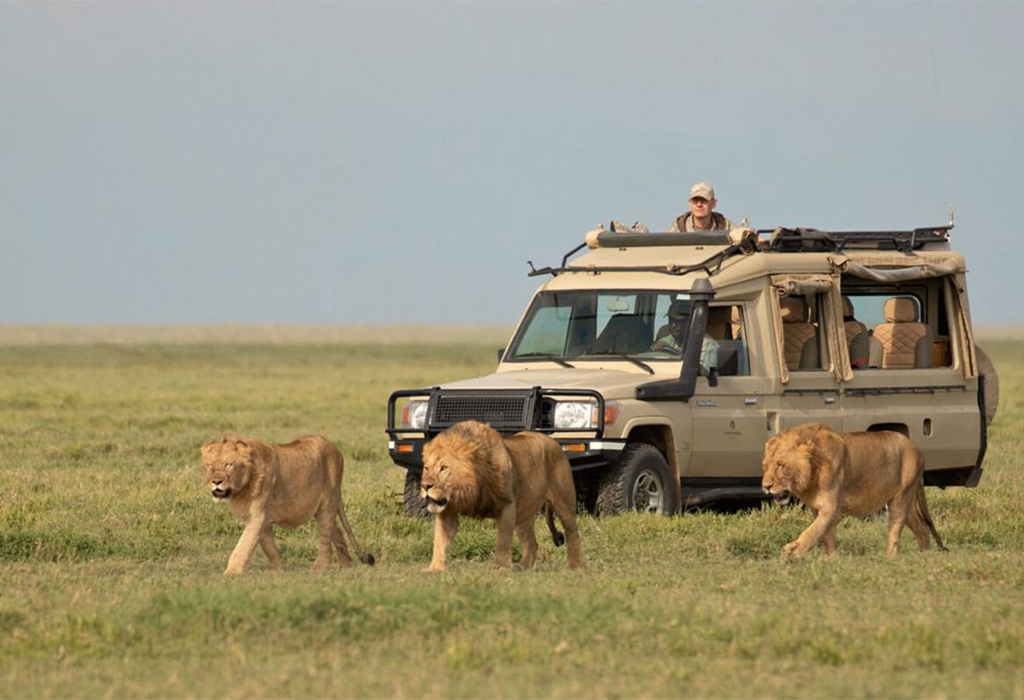
Common Safari Scams and How to Avoid Them in Nairobi, Kampala and Arusha
Common safari scams in Nairobi, Kampala and Arusha are important concerns for travellers planning wildlife holidays in Kenya, Uganda and Tanzania. These cities serve as major starting points for African safaris, connecting visitors to destinations such as the Maasai Mara, Bwindi Impenetrable National Park, Serengeti and Ngorongoro Crater.
Most safari operators, hotels and transport providers offer genuine services. However, dishonest individuals occasionally target visitors through fake tour bookings, misleading prices, unreliable transport arrangements and fraudulent payment requests.
Travellers unfamiliar with local booking procedures may find it difficult to distinguish legitimate businesses from suspicious offers.
Fortunately, careful research and simple precautions can prevent many problems.
This guide explains common safari scams, warning signs to recognise and practical ways to protect your money while organising an East African wildlife holiday.
Why Do Safari Booking Scams Happen?
African safaris often involve substantial advance payments for accommodation, park fees, transport and specialist activities.
This creates opportunities for fraudsters to advertise attractive packages, collect deposits and disappear before delivering the promised services.
Other scams involve dishonest intermediaries, transport overcharging or false claims about availability.
Common Safari Scam Categories
| Scam | How it works |
|---|---|
| Fake safari operator | Collects payment for a nonexistent trip |
| False discount | Advertises unrealistic package prices |
| Fake accommodation | Offers rooms without genuine reservations |
| Payment fraud | Requests money through suspicious accounts |
| Taxi overcharging | Charges more than the agreed fare |
| Fake permit | Claims to arrange invalid wildlife permits |
| Unofficial guide | Misrepresents qualifications |
| Currency exchange fraud | Uses misleading rates or counterfeit notes |
Understanding these risks helps travellers identify suspicious arrangements before losing money.
1. Fake Safari Companies
One of the most serious scams involves individuals pretending to represent legitimate safari companies.
They may create convincing websites, social media pages or advertisements using attractive wildlife photographs.
Some copy company names, logos and itineraries from established operators.
Warning Signs
The business has no verifiable registration details.
Its contact information changes frequently.
The operator refuses to provide a detailed quotation.
Payments must be sent to unrelated personal accounts.
The advertised price is dramatically lower than comparable packages.
How to Avoid This Scam
Verify business registration and relevant tourism licences.
Check independent customer feedback.
Request a written itinerary and invoice.
Confirm that payment details belong to the contracting business.
2. Unrealistically Cheap Safari Packages
An unusually low price can attract travellers searching for affordable wildlife holidays.
However, some advertisements exclude essential services such as park entry fees, accommodation, meals or transport.
Other offers may never result in an actual safari.
Comparing Safari Quotations
| Item | What to confirm |
|---|---|
| Accommodation | Property names and room categories |
| National park fees | Included or excluded |
| Safari vehicle | Type and passenger capacity |
| Meals | Full-board or selected meals |
| Activities | Exact experiences included |
| Guide services | Professional guide arrangements |
| Transfers | Airport and road transport |
| Taxes | Additional charges |
Compare quotations offering equivalent services rather than choosing the lowest advertised amount.
3. Fake Gorilla Trekking Permits
Gorilla trekking attracts visitors to Uganda and Rwanda.
Permits are limited and normally require advance arrangements.
Fraudsters may claim to have discounted permits or guaranteed availability without genuine authorisation.
Protecting Your Gorilla Booking
Work with an established, appropriately licensed safari operator.
Request written confirmation of permit arrangements.
Check the trekking date and destination.
Avoid informal sellers promising unusually cheap permits.
Remember that a payment receipt alone does not prove a valid permit has been secured.
4. Safari Deposit and Payment Scams
Fraudulent payment requests can occur before or after a genuine booking.
Someone may impersonate a tour operator and ask travellers to send money to a different account.
Payment Safety Checklist
| Warning sign | Recommended response |
|---|---|
| Sudden account change | Verify independently |
| Personal account request | Ask for an explanation |
| Pressure to pay immediately | Pause and confirm |
| Unusual payment link | Check its authenticity |
| Missing invoice | Request written documentation |
| Unclear refund policy | Review before paying |
Contact the operator using previously verified details before accepting any unexpected payment changes.
5. Common Tourist Scams in Nairobi
Nairobi is a major international gateway for visitors travelling to Kenya’s national parks.
Like other large cities, it has genuine tourism businesses alongside occasional opportunistic scams.
Situations to Watch
Travellers may encounter unofficial taxi representatives, misleading tour offers or individuals claiming to arrange urgent wildlife bookings.
Some people may approach visitors near transport hubs and offer unsolicited assistance.
Nairobi Safety Tips
Arrange airport collection through your hotel or safari operator.
Use recognised transport services.
Confirm fares before entering a vehicle.
Avoid handing travel documents to strangers.
Book national park excursions through verified providers.
These precautions are particularly useful after long international flights.
6. Common Tourist Scams in Kampala
Kampala is an important starting point for Uganda safaris.
Many visitors travel through the city before continuing to Murchison Falls, Queen Elizabeth, Kibale or Bwindi.
Potential Problems
Misleading safari quotations, unofficial transport offers and suspicious payment arrangements can affect visitors.
Some intermediaries may promise services they are not authorised to provide.
Kampala Safety Tips
Use verified safari operators.
Arrange transfers before arrival.
Confirm whether permits are included.
Check accommodation reservations.
Avoid making large cash payments without documentation.
Travellers arriving through Entebbe International Airport should confirm pickup arrangements before leaving the terminal.
7. Common Tourist Scams in Arusha
Arusha is one of Tanzania’s main safari gateways.
Visitors commonly begin journeys to Serengeti, Tarangire, Lake Manyara and Ngorongoro from the city.
Potential Safari Booking Problems
Some visitors encounter unsolicited safari sales offers or advertisements that do not clearly explain what is included.
A low-cost package may exclude park charges or involve accommodation different from what was promised.
Arusha Safety Tips
Book through established tour operators.
Request the complete itinerary.
Confirm park fees.
Check accommodation names.
Ask whether the safari vehicle is shared or private.
Avoid paying for expensive excursions based only on verbal promises.
8. Airport Taxi and Transfer Overcharging
Transport problems can arise when visitors arrive without prearranged transfers.
An unofficial driver may quote an attractive fare and later demand additional money.
Safer Airport Transfers
| Precaution | Benefit |
|---|---|
| Arrange collection in advance | Reduces uncertainty |
| Confirm driver’s identity | Prevents impersonation |
| Agree on total price | Avoids unexpected charges |
| Use recognised transport providers | Improves accountability |
| Share trip details | Provides additional security |
If something feels suspicious, return to an authorised airport assistance desk or another staffed location.
9. Fake Accommodation Reservations
Some fraudsters advertise attractive lodges or hotels without having a genuine booking relationship.
Others use photographs from unrelated properties.
Accommodation Verification
Confirm the property’s name and location.
Check that it operates legitimately.
Ask the safari operator for written booking details.
Review room categories and meal arrangements.
When practical, verify reservations directly with the accommodation provider using independently obtained contact information.
10. Fake Guides and Unofficial Tour Sellers
Travellers may encounter individuals offering city tours, wildlife excursions or cultural activities.
Not every independent guide is dishonest, but qualifications and authorisation should be verified where required.
Choosing a Reliable Guide
Ask about relevant guiding credentials.
Confirm the itinerary and total price.
Clarify transport arrangements.
Use recognised meeting locations.
Avoid handing over passports or large payments without a legitimate reason.
Professional guiding should involve clear expectations and transparent charges.
11. Currency Exchange Scams
Travellers sometimes need Kenyan shillings, Ugandan shillings or Tanzanian shillings for personal spending.
Unofficial currency exchanges can expose visitors to counterfeit notes, misleading rates or short-changing.
Safer Currency Exchange Practices
Use established banks or authorised exchange bureaux.
Confirm rates and fees before exchanging money.
Count received cash discreetly.
Avoid street money-changing offers.
Keep exchange receipts when provided.
For substantial payments, use secure and traceable methods.
12. Wildlife Photography and Cultural Visit Charges
Cultural experiences and photography opportunities may involve legitimate fees.
Problems arise when prices are unclear or additional charges are demanded after an activity.
How to Avoid Disputes
Ask whether photography is permitted.
Confirm entrance and guide fees beforehand.
Respect community rules.
Agree on optional purchases before accepting services.
A responsible operator should explain cultural visit arrangements in advance.
13. Fake Online Reviews and Social Media Advertising
Online reviews can help travellers evaluate safari businesses, but they should not be the only evidence of reliability.
Fraudulent operators may publish invented testimonials or use photographs copied from unrelated sources.
Reviewing Online Information
Look for detailed reviews describing actual journeys.
Compare feedback from different platforms.
Check whether complaints receive professional responses.
Be cautious when every review uses almost identical wording.
Recent, consistent customer experiences are generally more useful than unexplained claims of perfection.
14. How to Verify a Safari Operator
Before paying a deposit, investigate the business carefully.
Safari Operator Verification Checklist
| Verification step | What to examine |
|---|---|
| Registration | Legal business details |
| Tourism licence | Applicable operating authorisation |
| Business address | Verifiable location |
| Contact information | Consistent communication channels |
| Reviews | Independent customer experiences |
| Quotation | Transparent inclusions |
| Payment account | Matching business identity |
| Cancellation terms | Written policy |
Registration and licensing requirements differ between Kenya, Uganda and Tanzania.
A professional website alone does not establish that a company is legitimate.
15. What to Do if You Suspect a Scam
If you identify suspicious activity before payment, stop the transaction and verify the information independently.
If money has already been sent, act quickly.
Recommended Actions
Contact your bank or payment provider.
Request assistance with reversing or disputing the transaction where possible.
Keep invoices, messages and payment receipts.
Report suspected fraud to the relevant police or consumer protection authorities.
Notify the legitimate company if someone is impersonating it.
Contact your travel insurer if relevant coverage may apply.
Avoid sending additional payments to individuals promising to recover lost money.
16. Travel Insurance and Safari Fraud
Travel insurance may cover certain travel disruptions, but ordinary policies do not necessarily reimburse fraudulent safari payments.
Some provide limited financial protection under specific conditions.
Review the policy carefully rather than assuming all scams are covered.
Paying through a card provider with suitable dispute protections may provide additional options if services are not delivered.
Frequently Asked Questions
Is It Safe to Book a Safari Online?
Yes, when booking through a verified operator with transparent terms, secure payment arrangements and genuine business credentials.
Are Cheap Safari Packages Always Scams?
No. Some operators offer legitimate budget safaris. However, unusually low prices should be examined carefully.
Should I Pay the Entire Safari Cost in Advance?
Payment schedules vary. Some suppliers require full prepayment for permits or accommodation. Always confirm the reason and written conditions.
Which City Is Safest for Booking Safaris?
Nairobi, Kampala and Arusha all have legitimate tourism businesses. Operator verification matters more than assuming one city is automatically safer.
Booking an African Safari Safely
Common safari scams in Nairobi, Kampala and Arusha can often be avoided through careful research and clear booking arrangements.
Most tourism businesses provide genuine services, but visitors should remain cautious about unrealistic discounts, unfamiliar payment accounts and unverified intermediaries.
Confirming licences, reviewing written itineraries and using traceable payments can substantially reduce financial risks.
The safest safari booking is not necessarily the cheapest. It is one supported by a verifiable operator, transparent pricing and reliable communication.
With sensible precautions, travellers can enjoy East Africa’s extraordinary wildlife experiences with greater confidence.





No comment