

Palearctic Migrants in East Africa: When the Northern Birds Arrive
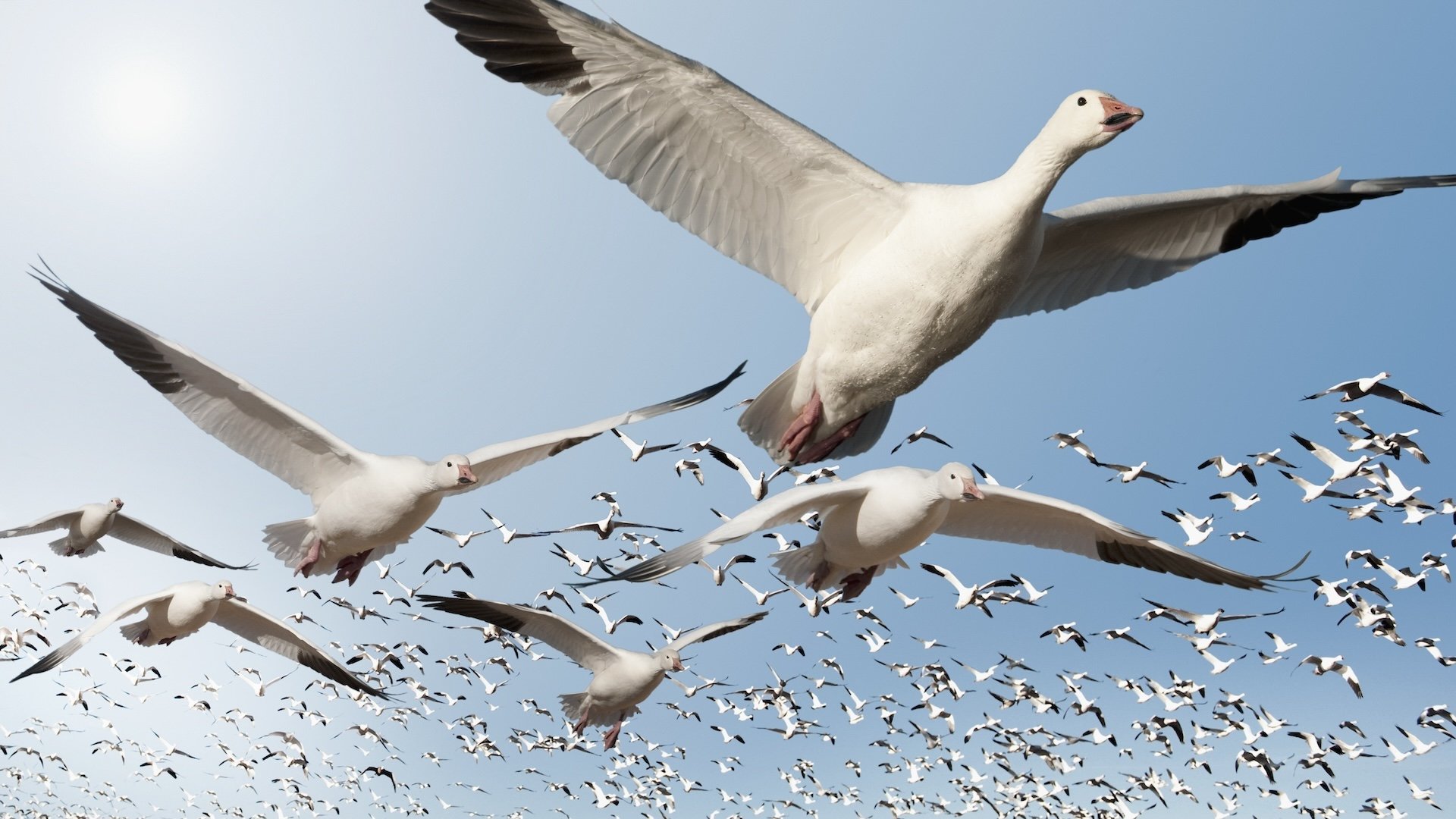
Every year when temperatures start to drop across Europe and northern Asia a remarkable natural journey begins. Millions of Palearctic Migrants leave their breeding grounds. Travel thousands of kilometers to warmer places where food is easier to find. East Africa becomes one of their important stops with wetlands, forests, grasslands, lakeshores and savannas where Palearctic Migrants can rest eat and survive the dry months of the north. As a bird lover I find this yearly movement adds a layer to the scenery.
Palearctic Migrants in East Africa: When the Northern Birds Arrive is a tale of movement, survival and seasonal change. Palearctic Migrants do not arrive randomly. Migrants journeys follow ancient paths shaped by climate, geography, food availability and instinct. Some cross deserts and seas while others follow river valleys and coastlines. When Palearctic Migrants reach East Africa Palearctic Migrants join species in places that become temporary shelters during the northern winter.
Understanding the Great Migration of Birds
The term Palearctic refers broadly to a region covering Europe, much of northern Africa and large parts of northern and central Asia. Many Palearctic Migrants that breed in these regions move south when autumn comes. East Africa offers conditions during this time making countries like Uganda, Kenya, Tanzania and Rwanda important stops or pause places.
Unlike the known wildebeest migration bird migration can be hard to spot at first. There may be no dramatic parade. Instead migration happens slowly. A flock can show up over a wetland unfamiliar shorebirds start feeding by a lake or a small warbler moves quietly through plants. Over weeks the number and mix of visiting species can grow a lot.
The arrival of Palearctic Migrants changes landscapes. A wetland that looks quiet in one season can become full of movement. Calls in another. Open grasslands can bring raptors while lakes and mudflats become feeding areas for waders looking for insects, crustaceans, worms and other small food.
Why East Africa Matters
East Africa sits along key migration routes that link breeding grounds in the north with wintering areas farther south. The regions many habitats make it especially valuable. Wetlands give food and rest forests give shelter and insects grasslands give birds space to find food and lakes give rich water life.
Uganda is especially good for watching movements because it has wetlands, forests, lakes, farmland and savanna. Places, around Lake Victoria, Entebbe, Mabamba Queen Elizabeth National Park, Murchison Falls National Park and other protected areas can give seasonal sightings.
Kenya and Tanzania also give chances. The Great Rift Valley holds lakes and wetlands that are key feeding spots. Lake Nakuru, Lake Naivasha, Lake Bogoria and other water bodies can pull in Palearctic Migrants and waterbirds. South, Tanzanias wetlands, grasslands and coast give more chances to see seasonal visitors.
Rwandas forests, wetlands and highland areas add another layer to the picture. Although Rwanda is smaller its varied heights create ecological zones where Palearctic Migrants may be seen.
When the Northern Visitors Begin Arriving
The timing of migration depends on each species and the weather. In East Africa many northern visitors can be seen from September. More birds arrive in October and November. Some stay through the winter and then head back in March or April.
Timing is not fixed. Rainfall, temperature, wind, food and the path of migration can shift the arrival of each species. That change is part of what makes watching birds each season so interesting. A familiar spot can show a sight each month.
Palearctic Migrants in East Africa: When the Northern Birds Arrive shows the excitement of waiting. The first birds signal a season. For a passerby the change may be subtle. For a bird watcher it is very clear.
Wetlands Become Seasonal Havens
Wetlands are some of the places to find migrating birds. Mudflats, water, marshes and flooded grasslands give plenty of food. Migrating waders rely on these places because they can dig mud for tiny animals.
Near lakes and wetlands in East Africa you may see birds like Common Sandpipers, Wood Sandpipers, Greenshanks, Ruff, Curlew Sandpipers, Little Stints and other seasonal visitors. Some pass quickly others stay for months.
Mabamba Swamp near Entebbe shows why protecting wetlands matters. Its channels, papyrus and shallow water support birds all year and seasonal visitors add more variety. Similar places in the region also serve this role.
Keeping these wetlands safe helps wildlife and also helps birds that travel thousands of kilometres to reach them.
Forests and Grasslands Tell Another Story
Migration is not about wetlands. Woodland edges, forest clearings, gardens, plantations and grasslands also attract visitors.
Small insect‑eating birds may fly through leaves looking for food often staying very quiet. Raptors may hunt in lands while larger birds take advantage of food that appears only in certain seasons. In grasslands migrants can join birds near pools, termite mounds, cattle‑grazed areas and short grass patches.
This mix creates chances to see unexpected birds. A landscape that already has African birds can suddenly hold birds that come from far away.
Learning to Recognize Seasonal Visitors
A big joy of watching migrants is learning to tell them from local birds. Plumage, size, shape, behaviour, habitat and time of year give clues.
A field guide and binoculars help,. Patience is just as vital. Of rushing from one spot to another stay long enough to watch a promising area. Look closely at groups of birds. Notice how they feed, fly, perch and interact with others.
Bird calls help too although some migrants may be quiet when they are not breeding. Write down the location, habitat, date and behaviour to get better at recognising birds.
The Incredible Cost of Migration
The beauty of migration hides how hard these journeys can be. A small bird may cross distances while facing storms, predators, loss of habitat, dehydration, exhaustion and little food.
Some species fly nonstop over deserts or seas for distances.
Stopover sites are essential because birds need places to feed and recover.
Palearctic Migrants in East Africa: When the Northern Birds Arrive therefore represents more than a spectacle. It also reminds us how places apart are connected. A wetland in Uganda can affect a bird that breeds in Europe. A damaged feeding site in East Africa can change a population that lives thousands of kilometres away.
Conservation Across Continents
Because migratory birds cross borders, protecting them needs work in countries.
Preserving wetlands, controlling pollution maintaining plants reducing unwanted disturbance and saving feeding grounds all help birds survive. Climate change brings another problem. Changing rain and temperature can alter when food and water are available along the routes and if birds arrive before or after the food time they may struggle to get enough energy for the next part of their trip.
Local conservation work is therefore important worldwide. Saving a marsh, lake, forest or grassland, in East Africa helps a network of places that migratory birds need all over their lives.
Planning a Seasonal Birding Experience
If you want to experience the arrival of migrants consider planning your East African birding trip between September and April. October and November can be particularly interesting because many migrants are arriving or passing through while March and April may offer opportunities to observe birds preparing for their return journey.
Choose destinations with habitats rather than focusing on a single ecosystem. A combination of wetlands, forests, lakes and open country can increase the variety of species you encounter.
Early mornings are often productive because birds are active and temperatures are cooler. Give yourself time at each location rather than trying to cover too much ground in a single day.
A knowledgeable local guide can also make a difference. Local experience helps you understand movements, habitat preferences and recent sightings while encouraging responsible wildlife observation.
A Season Worth Waiting For
There is something inspiring about watching a small bird arrive after crossing continents. Its journey connects landscapes in a way that is easy to overlook. The bird may appear briefly beside a lake move through a forest canopy or feed quietly in grass before continuing its life.
Palearctic Migrants in East Africa: When the Northern Birds Arrive invites you to look at East Africas landscapes with curiosity. The familiar becomes new when you know that some of the birds around you have traveled distances to reach these habitats.
The time you visit a wetland, forest, lake or savanna between September and April take a little more time to observe what is moving through the landscape. Check the shorelines. Search the vegetation. Watch the skies. Listen carefully.
You may discover that a bird standing quietly in front of you has crossed thousands of kilometers to spend the winter in East Africa.
Following the Seasons
Palearctic Migrants in East Africa: When the Northern Birds Arrive is ultimately a celebration of movement and the habitats that make it possible. These visitors remind us that nature does not operate according to borders. Birds connect continents through journeys that have been repeated for generations.
Their arrival gives East Africa another seasonal rhythm. As the northern world turns colder life continues in landscapes farther south. Wetlands fill with feeding birds forests gain visitors and open country becomes part of an international migration network.
For those to slow down and observe every season can bring a new discovery. The arrival of migrants is one of the most rewarding reasons to explore East Africas diverse bird habitats offering unforgettable encounters, with travelers whose journeys began far beyond the African continent.




No comment