A Watering Hole Reunion After the Long Dry Season
What Causes a Watering Hole Reunion After the Long Dry Season?
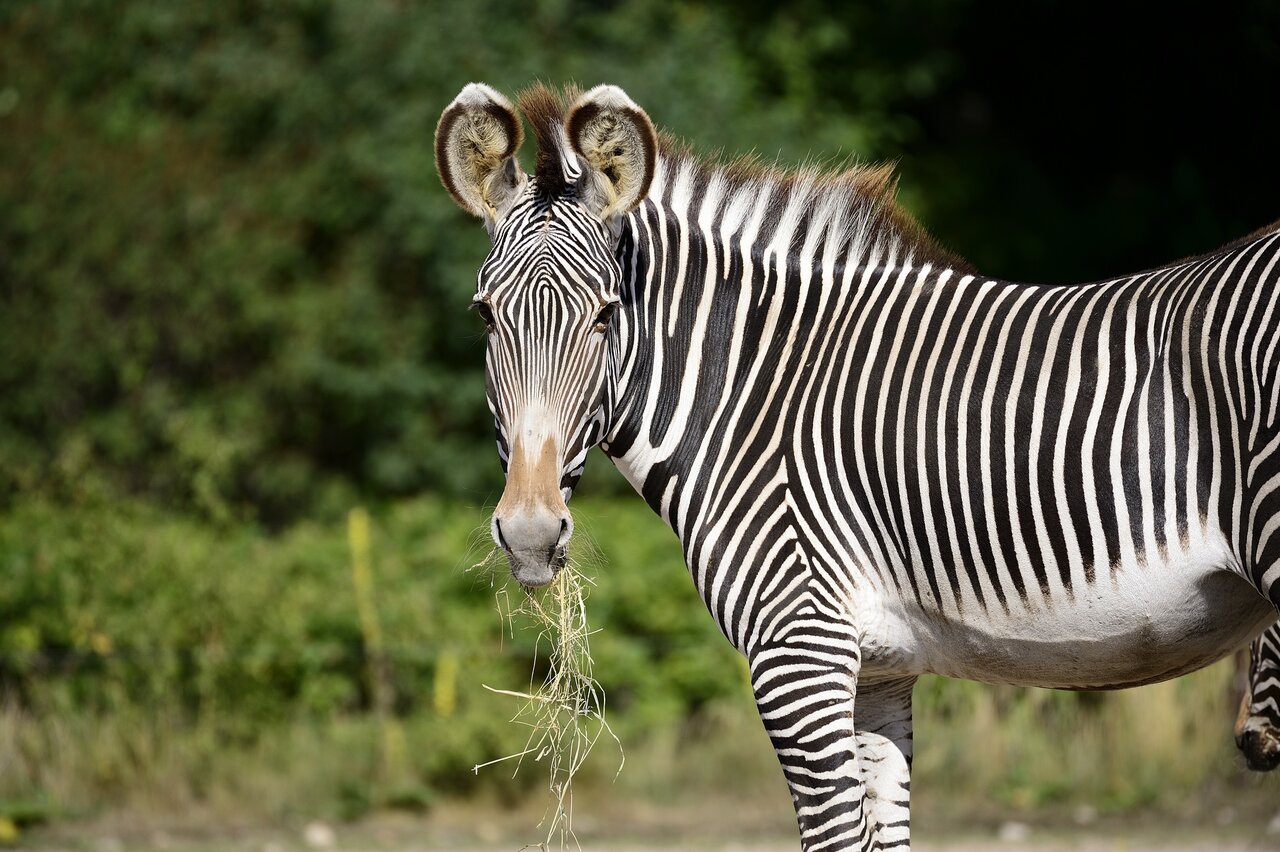
Months without rain transform the African savanna into a harsh environment where water becomes scarce and grazing areas disappear. As rivers shrink and smaller pools dry up, zebra families spread across the landscape in search of the resources they need to survive. Some travel dozens of kilometers to reach permanent water sources, while others follow seasonal grazing routes that have been used for generations. When the first rains finally arrive, the landscape changes quickly. Dry streambeds begin to flow again, fresh grass emerges, and old watering holes fill with life. These conditions set the stage for a remarkable watering hole reunion after the long dry season.
The First Families Arrive at a Watering Hole Reunion After the Long Dry Season
Shortly after sunrise, the first zebra family appears on the horizon. The lead mare walks cautiously toward the newly filled waterhole, stopping several times to scan the surrounding grass for danger. A stallion follows closely behind, keeping the foals safely between the adults. For young zebras born during the dry season, this may be their first visit to the watering hole. They hesitate before taking their first drink, curious about the unfamiliar sights and sounds around them.
A Watering Hole Reunion After the Long Dry Season Brings Familiar Herds Together
As the morning progresses, more zebra families arrive from different directions. Some emerge from open plains, while others come from lightly wooded areas where they spent the dry months. Adult mares recognize familiar companions through calls, scent, and body language. Groups that grazed together before the drought naturally drift closer again, renewing social connections that have remained strong despite months of separation.
The gathering grows steadily as family groups merge into larger herds. Stallions remain watchful but avoid unnecessary conflict, understanding that fresh grazing and abundant water reduce competition.
Young Foals Enjoy a Watering Hole Reunion After the Long Dry Season
For the youngest members of the herd, the reunion quickly becomes an opportunity to play. Foals race through the soft mud, chase one another across the grass, and leap into the air with bursts of energy that were rarely seen during the difficult dry months. Their playful behavior strengthens muscles, improves coordination, and prepares them for the challenges of life on the savanna.
The adult mares allow the games to continue but remain attentive. Every few moments they call softly to keep the youngsters nearby, ensuring no foal wanders too far from the protection of the herd.
Other Wildlife Joins a Watering Hole Reunion After the Long Dry Season
The return of water attracts much more than zebras. Wildebeest arrive in long lines, followed by buffaloes, impalas, giraffes, warthogs, and elephants. Birds gather along the shoreline searching for insects stirred up by the rain, while frogs begin calling from newly formed pools. What was recently a dry patch of earth has become one of the busiest places in the ecosystem.
Every species benefits from the seasonal return of water, making the watering hole an important meeting point for wildlife throughout the region.
Predators Watch Every Watering Hole Reunion After the Long Dry Season
Even during this celebration of renewed life, danger is never far away. Lions know that herbivores must eventually visit water, making these locations excellent hunting grounds. Leopards and spotted hyenas also patrol nearby, hoping to catch an unwary animal.
The zebras respond by remaining constantly alert. While some drink, others stand with their heads raised, ears turning toward every unusual sound. This shared vigilance allows the herd to detect predators quickly and react before an attack can begin.
Fresh Grazing Follows a Watering Hole Reunion After the Long Dry Season
The rains do more than refill the waterhole. Within days, green shoots begin covering the surrounding plains, replacing the dry vegetation that dominated the landscape only weeks earlier. Zebras spread out to feed on the nutritious new grass, restoring body condition after months of surviving on coarse, dry forage.
Their grazing also benefits other herbivores by trimming taller grasses and encouraging fresh growth. This natural process supports a healthy balance across the savanna.
Why a Watering Hole Reunion After the Long Dry Season Is Special for Safari Travelers
Witnessing a watering hole reunion after the long dry season offers far more than the chance to see large numbers of zebras in one place. It reveals how seasonal rainfall shapes wildlife behavior, influences migration, and reconnects animal populations that have spent months apart.
For safari travelers, these gatherings provide outstanding opportunities to observe zebra family bonds, playful foals, interactions between different wildlife species, and the constant balance between survival and danger. Every reunion tells the story of resilience, renewal, and the enduring rhythm of Africa’s changing seasons.
Where and When to Witness These Reunions
This pattern of dispersal and reunion is most dramatic in ecosystems with sharply defined wet and dry seasons, such as Kenya’s Amboseli and Tanzania’s Tarangire, where the first rains after a long dry spell can draw scattered zebra families back together at shared water sources within days. Travelers hoping to witness this specific behavior are generally best timed at the tail end of the dry season, typically September through October in most of East Africa, just before the rains break and the herds begin regrouping.