6 Myths About the Shoebill Stork, Debunked
The Shoebill Stork is a cool bird in Africa. It is very big. Looks like it is from a long time ago. This makes it a dream to see for people who like birds, take pictures, and love animals. They want to see it when they visit Uganda. Even though more people know about the Shoebill Stork, there are still lots of false stories about it. People share videos and pictures on social media that are not always true.
The truth about the Shoebill Stork is actually more interesting. If you understand how it lives, you will see why it is so important to protect its home in the wetlands. If you want to see a Shoebill Stork in Mabamba Swamp or just want to learn more about it, you should know the facts. This will make it more fun to learn about the Shoebill Stork.
In this guide, 6 Myths About the Shoebill Stork, Debunked, we will tell you the facts about six stories that people believe about the Shoebill Stork.
Myth 1: Shoebill Storks are bad for people
The big bill and sharp eyes of the Shoebill Stork can make people think it is mean. Sometimes pictures on the internet make it look scary.
That is not true.
Shoebill Storks are actually shy birds. They do not like to be around people. In the wild they stand still in the tall plants waiting for fish to come close. They are looking for food not trying to bother people.
Local guides who have watched Shoebill Storks for a time know that they will move away if they feel scared. If people visit them they should stay back. Let the bird do what it wants. The big bill of the Shoebill Stork is used to catch fish and other animals not to fight people.
It is nice to see a Shoebill Stork in a canoe because it’s so calm. People can watch it without bothering it.
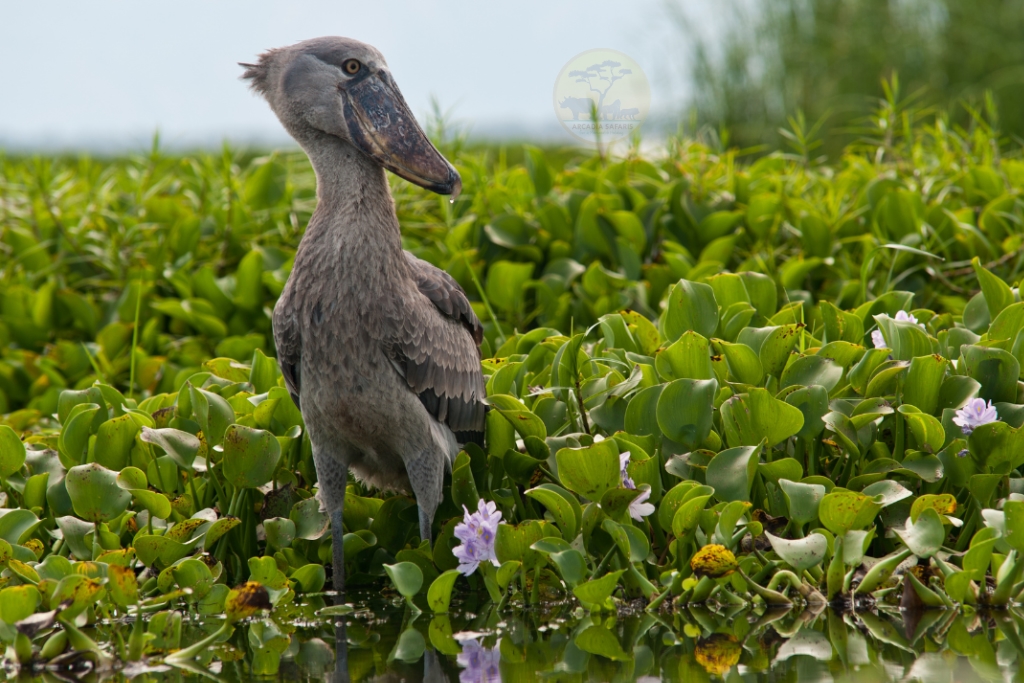
Myth 2: Shoebill Storks do not move because they are lazy
Why standing still is a way to hunt
One thing that Shoebill Storks do is stand very still for a long time. Someone who sees this might think the bird is sleeping.
That is not true.
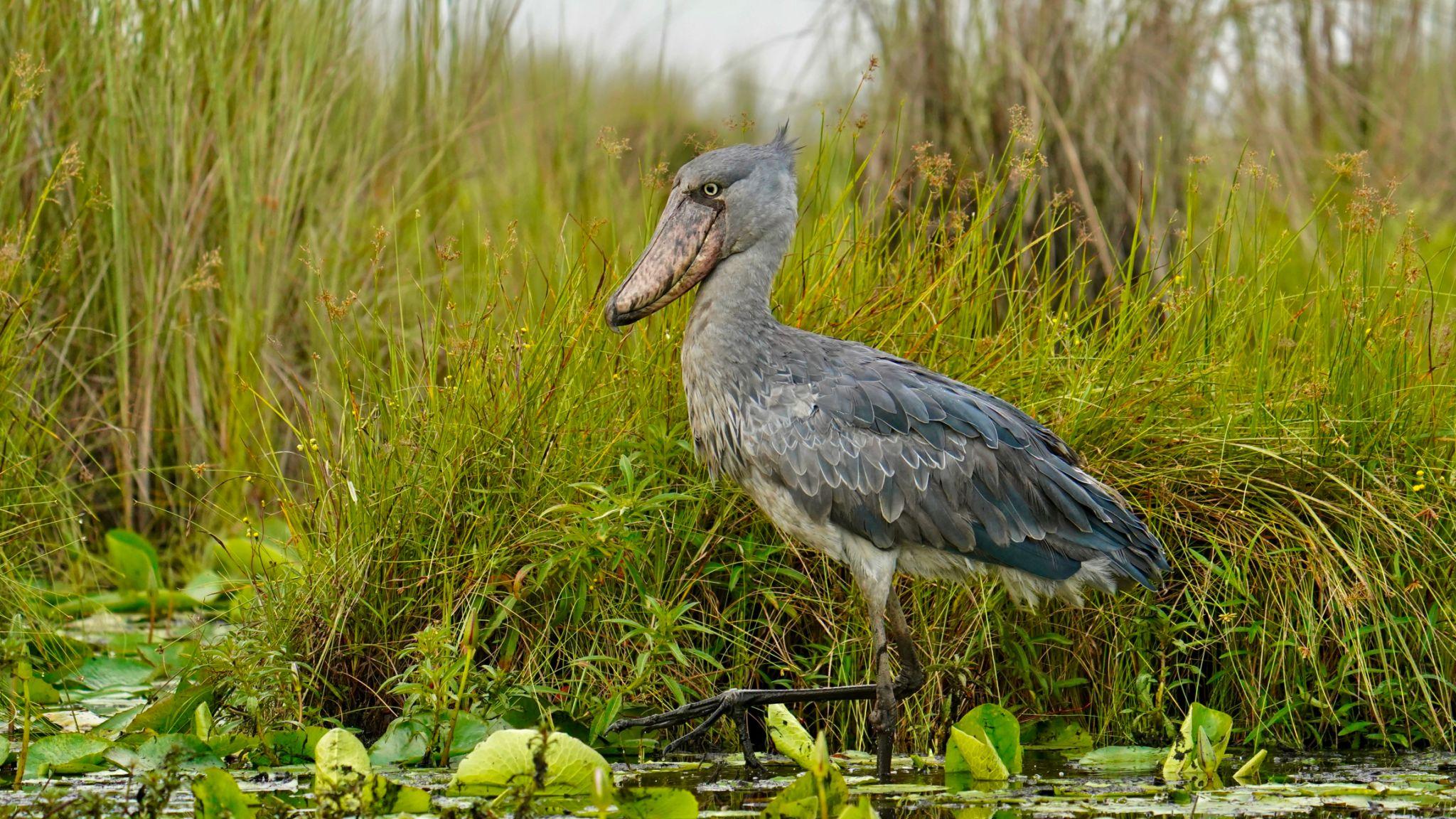
Standing still is actually a way, for the Shoebill Stork to hunt. If it moves the fish will see it. So it stands still and blends in with the plants. Then when it is time it moves fast and catches its food.
This shows that being patient is important. The Shoebill Stork is an example of this.
Myth 3: Shoebills Can Fly
Large birds often get a bad reputation for not flying well and the shoebill is no different. Because many people see them standing or walking through marshes they think flying is hard for them.
In fact shoebills are able to fly and with grace.
Their wide wings can spread than two meters, which helps them travel long distances between places where they feed, where they nest and where they rest in quiet parts of the wetlands. They just don’t fly unless they have to because flying uses a lot of energy.
Watching a shoebill take off is something you will never forget. A few strong wingbeats lift the bird above the reeds before it glides smoothly over the swamp with elegance.
The fact that this behavior is not seen often makes it more special. People who are lucky enough to see it often say it is one of the unforgettable moments of their trip.
Myth 4: Shoebills Live Everywhere in Africa
Their Habitat Is Surprisingly Limited
Many people think such a well-known African bird can be found all over the continent.
The truth is very different.
Shoebills live in certain freshwater wetlands in parts of East and Central Africa. They need marshes filled with papyrus, shallow areas plants that float on water and lots of fish.
Uganda has become one of the places in the world to see them because wetlands like Mabamba Swamp have perfect conditions. In the right places shoebills are not common and need big areas that are not disturbed.
Damage to their homes draining wetlands, pollution and people taking them are all dangers to their survival. Every protected wetland is important for making sure that future people can also enjoy these birds.
Understanding how small their home really is makes every time you see a shoebill feel more special.
Myth 5: The Shoebill Is a Stork That Behaves Like Every Other Stork
Even though it is often called the shoebill stork this bird is different from any other large bird that stands in water.
Its look is unique compared to storks. The big shoe-shaped beak gives the bird its name and its wide wings, legs and big body make it look like nothing else in African wetlands.
Its way of hunting is also different.
Of walking all the time through shallow water looking for food shoebills use patience and accuracy. They often stand still before moving very quickly and precisely.
Even the way they build nests is unusual. Shoebills usually make nests in places where there is very little human activity. Parents work hard to protect and raise their babies in difficult wetland conditions.
Everything about their life shows they are adapted to a specific place.
Myth 6: Seeing a Shoebill Requires Luck
Many people think finding a shoebill is all, about luck.
Even though wildlife is always hard to predict planning carefully can make a difference.
Planning Makes the Difference
When you go on a trip to see shoebills early in the morning you have a chance of seeing them. This is because shoebills are more active when it is cool outside. Local guides know a lot about where shoebills are where they like to eat so they can help you find them.
Choosing a place with birding routes also helps you see shoebills. For example Ugandas protected wetlands are great for seeing shoebills because the guides who take you on canoe rides know where the shoebills are and help take care of the area.
Patience is equally important.
Shoebills are not like animals that are always moving around. They like it when you are quiet and just watch them. If you slow down and listen to the guides you can see the shoebills. It is a really great experience.
Many people go to see shoebills to take a picture but when they leave they have a new appreciation for the wetlands and the animals that live there.
Looking Beyond the Myths
There are a lot of stories about shoebills that’re not true. These stories usually start with something that’s true but then they get exaggerated. The shoebill does look a little strange. It is actually a really amazing bird.
The shoebill is not a monster. It is not lazy. It is a bird that is great at hunting and it has been living in the wetlands for a long time. When you see a shoebill standing still or taking steps it is just doing what comes naturally to it.
When people learn about shoebills they start to care about taking care of the wetlands. They realize that shoebills need wetlands to survive so they want to help protect the area.
The people who live near the wetlands are starting to see that taking care of the area can be good for them too. They can make money from tourism. Still help protect the wetlands. Local guides, canoe operators and visitors all work together to keep the wetlands healthy.
This helps a lot of animals, not the shoebill. The wetlands help keep the water clean stop floods and provide homes for plants and animals.
The time you see a story about shoebills online that seems too good to be true just remember that the truth is usually even more amazing. Shoebills do not need made-up stories to be interesting. They are already cool birds.
When you see a shoebill standing quietly in the morning or flying over the wetlands it is a memorable experience. If you know more about shoebills you can appreciate them more.
That is why it is so important to learn about shoebills. The more people know about them the more they will want to help protect the wetlands. By learning the truth, about shoebills we can all help make sure that future generations can still see these birds.