A Morning Full of Possibilities
Every safari begins with a sense of anticipation. You leave camp before sunrise, the air is cool, and the landscape slowly comes to life as the first rays of sunlight spread across the plains. Every turn in the road holds the promise of something remarkable. It could be a lion resting beneath an acacia tree, a herd of elephants crossing the track, or a graceful giraffe browsing on fresh leaves.
On my first safari, I expected to be searching for the famous Big Five. Instead, the moment that stayed with me happened long before any predator appeared.
It began with a dark line stretching across the horizon.
A Black and White Surprise
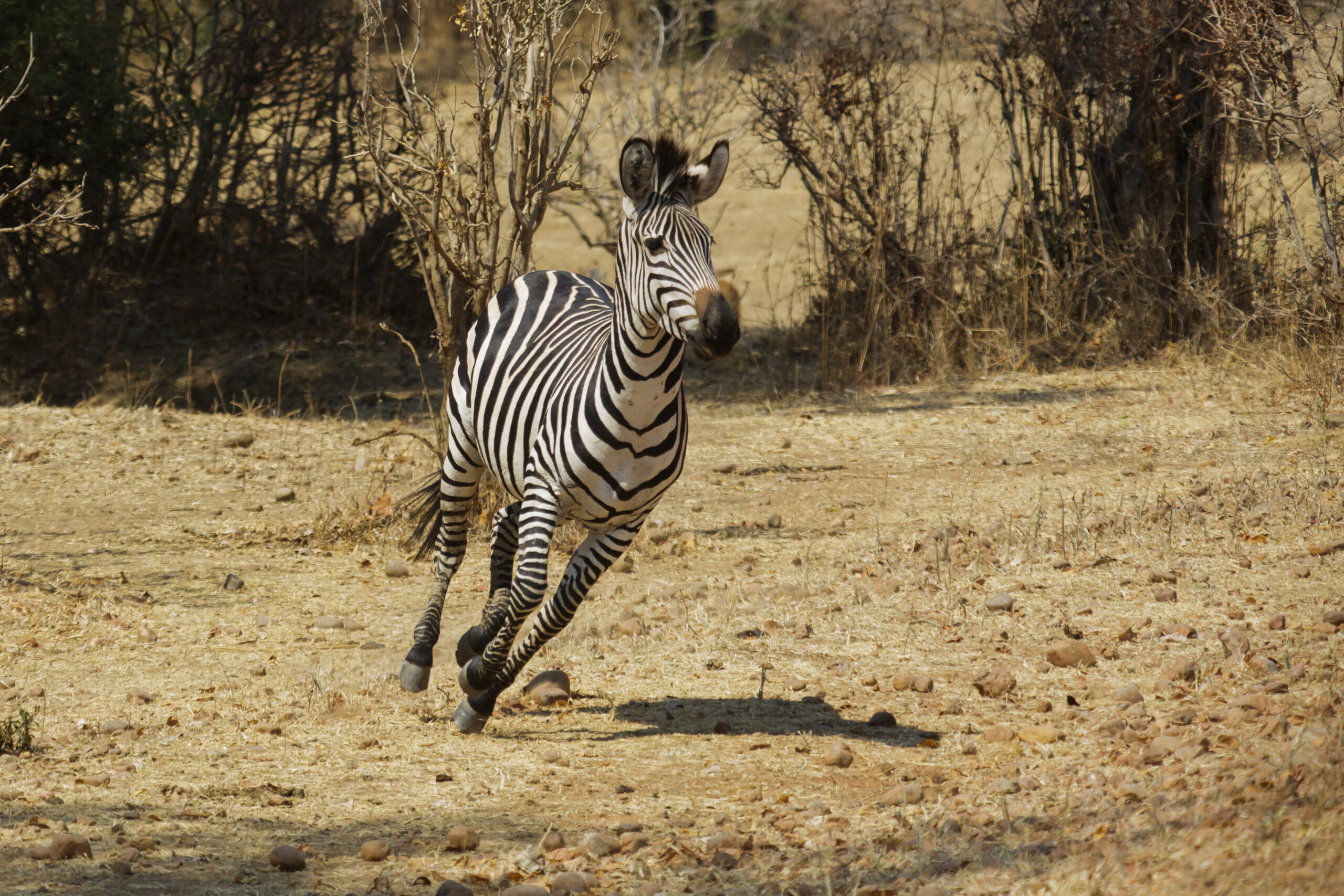
At first, I thought I was looking at shadows cast by distant bushes. As our safari vehicle moved closer, the shapes became clearer. Black and white stripes slowly emerged from the golden grass.
It was a herd of wild zebras.
There were dozens of them scattered across the savannah. Some grazed quietly while others lifted their heads to watch our vehicle approach. Foals remained close to their mothers, occasionally running a few playful circles before returning to the safety of the herd.
Although I had seen zebras in books, documentaries, and zoos, seeing them roaming freely across the African wilderness felt completely different. Nothing prepares you for watching wild animals behaving exactly as nature intended.
The Beauty of Their Stripes
The closer we came, the more fascinating the zebras became.
Each animal carried a unique arrangement of black and white stripes. Some patterns were bold and widely spaced, while others formed narrow lines that seemed almost impossible to follow. No two zebras looked exactly alike.
Scientists use these stripe patterns much like fingerprints to identify individual animals. Wildlife researchers photograph zebras over many years, allowing them to monitor movements, breeding success, social relationships, and population changes without disturbing the animals.
Looking across the herd, it became clear that every zebra was an individual, even though they moved together as one group.
Life Inside a Zebra Herd
Watching the herd for several minutes revealed that there was much more happening than simple grazing.
A dominant stallion remained alert, standing slightly apart while scanning the surrounding grasslands. Several mares fed peacefully, occasionally calling softly to their foals. Young zebras chased one another through the grass before stopping suddenly to continue feeding.
Every member of the herd had a role.
Living together offers protection against predators. Lions, spotted hyenas, leopards, and African wild dogs all hunt zebras. More eyes and ears increase the chances of detecting danger before it gets too close.
Whenever one zebra became alert, others quickly followed. Within seconds, the entire herd would stop grazing and look in the same direction, ready to react if necessary.
Why Do Zebras Have Stripes?
One of the questions many travellers ask is why zebras have such striking coats.
Researchers have proposed several explanations.
The stripes may make it more difficult for predators to single out one animal during a chase. When an entire herd begins running together, the moving patterns can create visual confusion.
Studies also suggest that striped coats attract fewer biting flies than solid coloured coats. This reduces irritation and may lower the risk of diseases spread by insects.
Another theory is that the stripes help regulate body temperature by creating slight differences in heat across the skin. Although scientists continue to study this idea, it remains one possible benefit of the zebra’s distinctive appearance.
Rather than serving a single purpose, the stripes likely provide several advantages that have helped zebras survive for thousands of years.
Sharing the Plains With Other Wildlife
One of the most interesting observations was that the zebras were not alone.
Nearby, a group of wildebeest grazed calmly alongside them. A few impalas browsed on shrubs while several giraffes fed in the distance. None of the animals seemed disturbed by the others.
Mixed herds are common throughout East Africa. Different species rely on different senses to detect predators. Zebras have excellent eyesight, while wildebeest depend heavily on their sense of smell. By feeding together, they increase the chances of spotting danger early.
This natural partnership becomes especially important during the annual Great Migration across the Serengeti and Maasai Mara, where hundreds of thousands of zebras travel alongside wildebeest in search of fresh grazing.
Listening to the Sounds of the Savannah
The experience was about much more than what I could see.
Soft snorting sounds drifted through the air as zebras communicated with one another. Birds called from nearby trees while insects buzzed among the grasses. Occasionally, a foal let out a high pitched call before quickly finding its mother again.
Unlike a zoo, there were no barriers, fences, or crowds.
The only sounds came from nature itself.
Sitting quietly and listening made the experience even more memorable. Every sound seemed to tell part of the story unfolding across the grasslands.
Where You Can See Wild Zebras
Wild zebras are found throughout many of East Africa’s best safari destinations.
In Uganda, visitors regularly encounter large herds in Lake Mburo National Park and Kidepo Valley National Park. Kenya offers excellent zebra viewing in the Maasai Mara National Reserve, Amboseli National Park, Tsavo East National Park, and Tsavo West National Park. Tanzania is home to impressive zebra populations in Serengeti National Park, Ngorongoro Conservation Area, Tarangire National Park, and Ruaha National Park.
Each destination offers a different landscape, but zebras remain one of the most rewarding animals to observe because they are active, social, and often found in large numbers.
Tips for Watching Zebras on Safari
The best time to observe zebras is during the early morning or late afternoon when temperatures are cooler and the animals spend more time grazing.
Take your time instead of rushing to the next wildlife sighting. Watch how the herd interacts, notice how foals stay close to their mothers, and look for the stallion keeping watch over the group.
If you enjoy photography, try capturing both close up portraits and wide landscape images. A close photograph reveals the intricate stripe patterns, while a wide shot places the herd within the vast African landscape.
Patience often produces the most memorable wildlife encounters.
More Than Just Another Safari Animal
As we finally drove away, I realised that my first encounter with wild zebras had changed the way I looked at safaris.
Before that morning, zebras had seemed like one of the most familiar animals in Africa. Afterwards, I understood how much there was to discover simply by slowing down and paying attention.
The herd disappearing into the distance was not the most dramatic sighting of the day, but it became one of the most unforgettable. Long after seeing elephants, buffalo, and even lions, I still remembered that first line of black and white stripes stretching across the horizon, welcoming me to the wild heart of Africa.