Camping offers a unique opportunity to connect with nature, disconnect from the digital world, and unwind in the great outdoors. Whether you’re a seasoned camper or a beginner, here are some expert insights to help you have a safe, enjoyable, and memorable camping trip:
1. Plan Ahead:
- Choose a suitable camping destination based on your skill level and preferences.
- Research the weather, terrain, regulations, and available facilities.
2. Pack Thoughtfully:
- Prioritize essential items such as a tent, sleeping bag, sleeping pad, and appropriate clothing.
- Pack a compact and lightweight camping stove, cookware, utensils, and food.
3. Campsite Selection:
- Choose a level and dry campsite away from hazards like dead trees, flood-prone areas, or steep slopes.
- Consider local regulations and guidelines for camping locations.
4. Setting Up Camp:
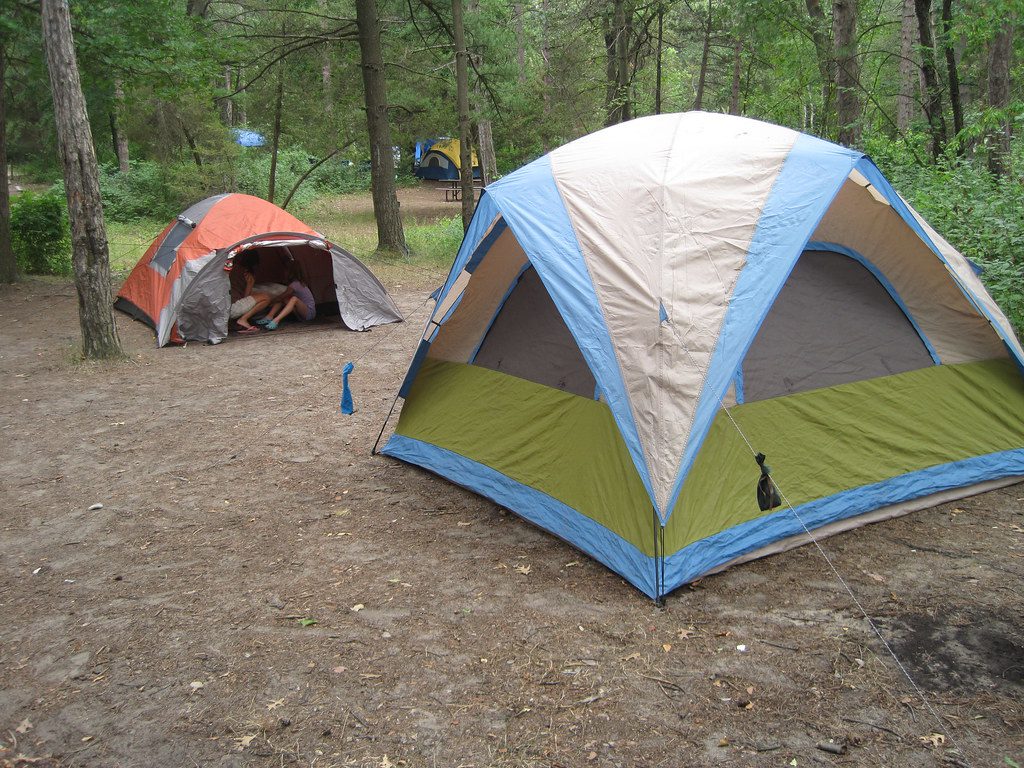
- Set up your tent on level ground and secure it properly with stakes and guy lines.
- Create a designated area for cooking and keep your campsite organized.
5. Fire Safety:
- Check if fires are allowed at your campsite. If so, keep the fire contained in a designated fire ring or pit.
- Always keep a bucket of water or sand nearby to extinguish the fire completely.
6. Leave No Trace:
- Practice Leave No Trace principles by minimizing your impact on the environment.
- Pack out all trash, minimize campsite alterations, and respect wildlife.
7. Food Storage:
- Store food securely to prevent attracting wildlife. Consider using bear-resistant containers if needed.
- Dispose of food scraps properly to avoid littering and attracting animals.
8. Hydration and Water Safety:
- Carry enough clean water or have a reliable method to purify natural water sources.
- Stay hydrated and avoid waterborne illnesses by treating or boiling water.
9. Gear Maintenance:
- Regularly inspect and maintain your camping gear to ensure it’s in good working condition.
- Perform gear checks before each trip to prevent surprises at the campsite.
10. Wildlife Interaction:
- Keep a safe distance from wildlife and avoid feeding them. Observe animals from a distance to prevent disturbances.
11. Weather Preparedness:
- Be prepared for changing weather conditions. Pack layers to stay warm and dry.
- Check the weather forecast before heading out and be ready for unexpected changes.
12. First Aid and Safety:
- Carry a well-stocked first aid kit and know how to use it.
- Inform someone you trust about your camping plans and expected return date.
13. Respect Quiet Hours:
- Be considerate of other campers and adhere to designated quiet hours.
- Keep noise levels down, especially during early mornings and evenings.
14. Learn Basic Knots:
- Knowing a few basic knots can be incredibly helpful for setting up shelter, securing gear, and more.
15. Disconnect and Reconnect:
- Embrace the opportunity to disconnect from technology and immerse yourself in the natural surroundings.
- Engage in activities like hiking, stargazing, and simply enjoying the tranquility.
Remember that every camping trip is a chance to learn and improve your outdoor skills. Don’t be afraid to ask experienced campers for advice and share your knowledge with newcomers. With proper preparation, an open mind, and a spirit of adventure, you can create lasting memories and forge a deeper connection with the beauty of the natural world.
Who a Camping Safari Suits Best
Travelers who genuinely value the outdoor connection camping offers, and who are comfortable trading some creature comforts for a closer relationship with the landscape, consistently rate a well-run mobile camping safari among the most memorable ways to experience East Africa’s wilderness.
Camping as Part of an East African Safari
Camping takes on a distinct character across Uganda, Kenya, Tanzania, and Rwanda’s national parks, where designated campsites sit within genuine wildlife territory, meaning many of the general principles above apply with added weight, particularly food storage, wildlife interaction, and campsite selection. All in Africa Safaris can arrange mobile tented camping safaris that combine the outdoor connection of camping with the wildlife access of a guided safari.
Balancing Adventure With Reasonable Comfort
A well-run camping safari doesn’t mean sacrificing every comfort, most guided camps still provide proper bedding, hot water for washing, and freshly prepared meals, striking a balance between genuine outdoor immersion and reasonable practical comfort.
Why Campsite Selection Matters Even More on Safari
Beyond the general advice to avoid hazards like dead trees or flood-prone ground, safari camping requires choosing sites specifically cleared and designated by park authorities, since these locations are selected with genuine knowledge of local wildlife movement patterns. Straying from designated campsites in a national park setting introduces risks that simply don’t apply to typical wilderness camping elsewhere.
Food Storage Takes on New Stakes Around Big Game
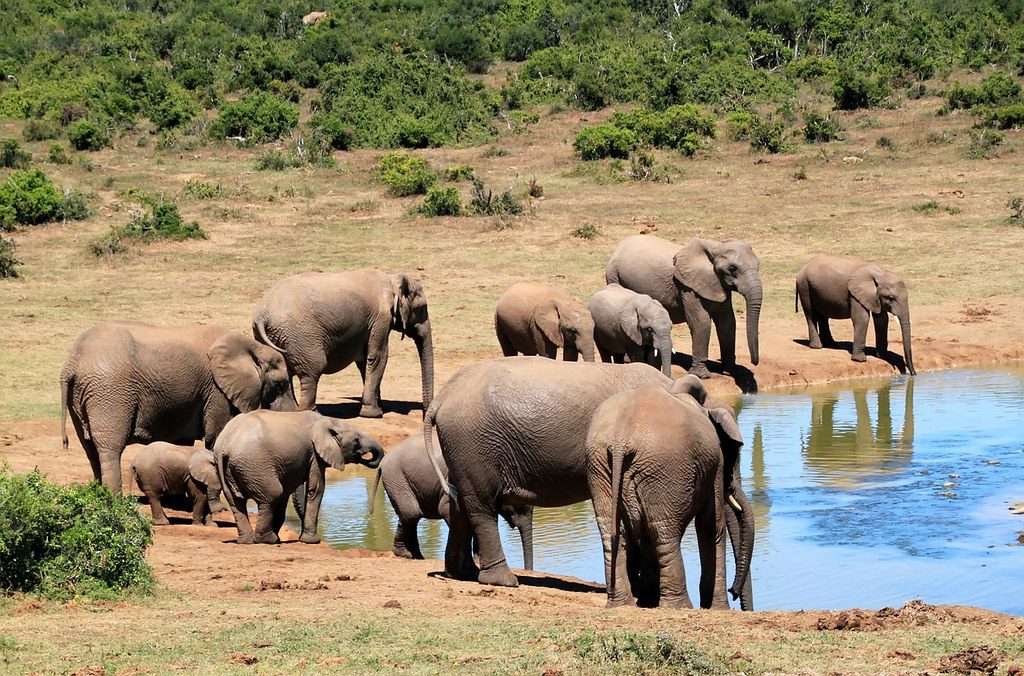
While the original list mentions bear-resistant containers, East African safari camping calls for similarly disciplined food storage given the presence of hyenas, elephants, and other wildlife genuinely capable of investigating an improperly secured campsite overnight. Guided mobile camping safaris handle this discipline as standard practice, one of the clearest reasons a guided camping experience outperforms an independent one in wildlife areas.
Preparing Physically for a Camping Safari
While camping itself is low-impact, days built around it often pair with game drives, guided walks, or other active pursuits, so arriving with reasonable general fitness helps you make the most of every part of the itinerary, not just the nights under canvas.
Fire Safety in Savannah and Forest Environments
Given East Africa’s dry-season fire risk across savannah grasslands, fire safety rules at safari campsites tend to be considerably stricter than at typical wilderness campgrounds, often permitting fires only in specific designated areas under staff supervision. Following your camp staff’s guidance on this point matters both for safety and for the broader ecological health of the surrounding park.
Why Guests Return to Camping Safaris Year After Year
Repeat camping safari guests consistently cite the same reasons for coming back, the quiet of the bush at night, the sense of genuine immersion, and memories that a standard hotel or lodge stay simply doesn’t produce in the same way.
What a Guided Mobile Camping Safari Adds
Beyond simply providing camping gear, a guided mobile camping safari brings armed rangers or experienced guides who understand wildlife behavior around a campsite, turning what could be a genuinely risky independent camping trip in wildlife areas into a safe, professionally managed experience. All in Africa Safaris can arrange this style of camping safari across Uganda, Kenya, Tanzania, or Rwanda.
Choosing Between Mobile and Fixed Tented Camps
A mobile camping safari moves camp between locations as your itinerary progresses, offering fresh scenery and proximity to wherever wildlife activity is concentrated, while a fixed tented camp stays in one location, trading some flexibility for greater comfort and infrastructure. All in Africa Safaris can help you decide which style better suits your priorities and travel pace.
What Gear Is Provided Versus What You Should Bring
Guided mobile camping safaris typically supply tents, sleeping arrangements, cooking equipment, and meals as part of the package, meaning your personal packing list can focus on clothing, personal items, and camera gear rather than the heavier camping equipment covered in the general tips above. Confirming exactly what’s included before your trip avoids any last-minute gear gaps.
How Camp Staff Manage the Whole Experience
Behind the scenes, camp staff handle everything from setup and meal preparation to nightly wildlife monitoring, meaning guests can focus entirely on the experience itself rather than the logistics that make it run smoothly.
Nighttime Safety Around an East African Campsite
Staying within designated camp boundaries after dark, never wandering alone at night, and following your guide’s instructions if wildlife approaches the campsite are non-negotiable safety practices specific to camping in genuine wildlife territory. These precautions extend the general “keep a safe distance from wildlife” principle into a setting where that distance can shrink unexpectedly overnight.
The Sounds and Sensations Unique to Safari Camping
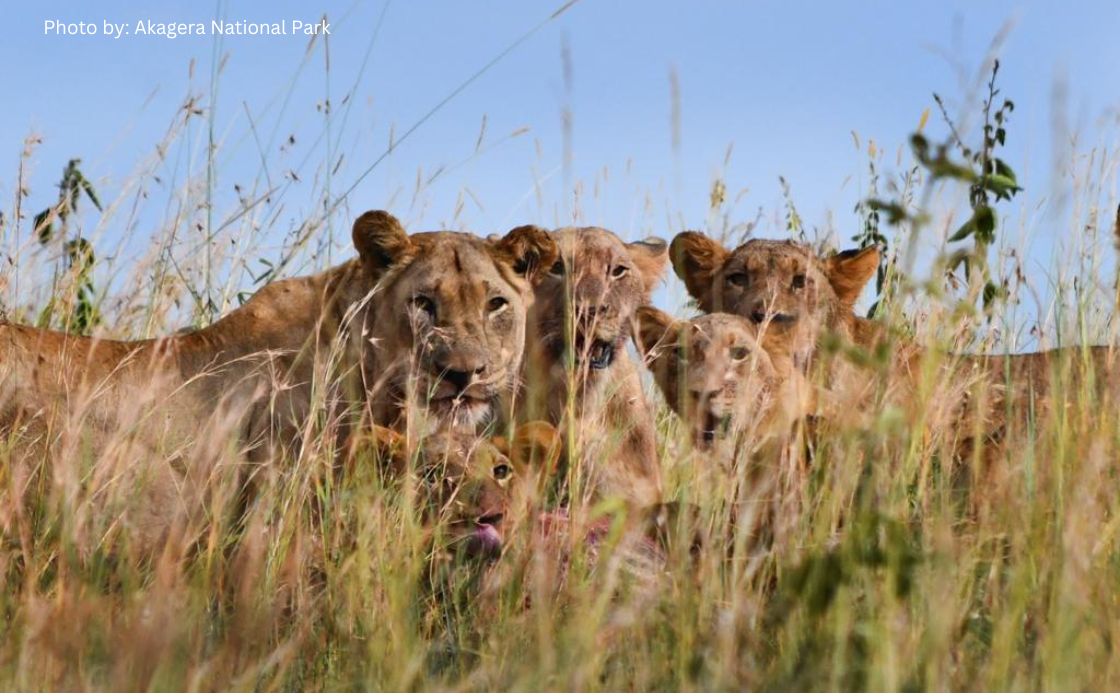
Falling asleep to distant lion calls, hyena whoops, or the rustle of nocturnal wildlife just beyond the tent walls is a genuinely distinctive part of East African camping that no wilderness campground elsewhere can replicate. Many past guests describe these nighttime sounds as one of the most memorable, if occasionally nerve-wracking, aspects of the entire camping experience.
Combining Camping With Other Safari Activities
A camping-based safari pairs naturally with game drives, guided walks, and cultural visits, meaning the accommodation style itself doesn’t limit the range of activities available during your trip. All in Africa Safaris can build a full activity itinerary around your chosen camping style.
A Different Way to Experience the Wild
Sleeping under canvas, waking to the sounds of the bush rather than an alarm clock, camping strips away the distance a standard lodge stay puts between you and the wilderness, offering a genuinely more immersive connection to the landscape.
Planning Your East African Camping Safari
Whether you’re an experienced camper looking for a genuinely wild setting or a first-timer wanting the camping experience without sacrificing safety, a guided East African camping safari applies these fifteen fundamentals within a professionally managed wildlife context. All in Africa Safaris can turn this overview into a fully confirmed camping safari itinerary tailored to your travel dates and comfort level, ready to put these fifteen fundamentals into practice under an African sky.