
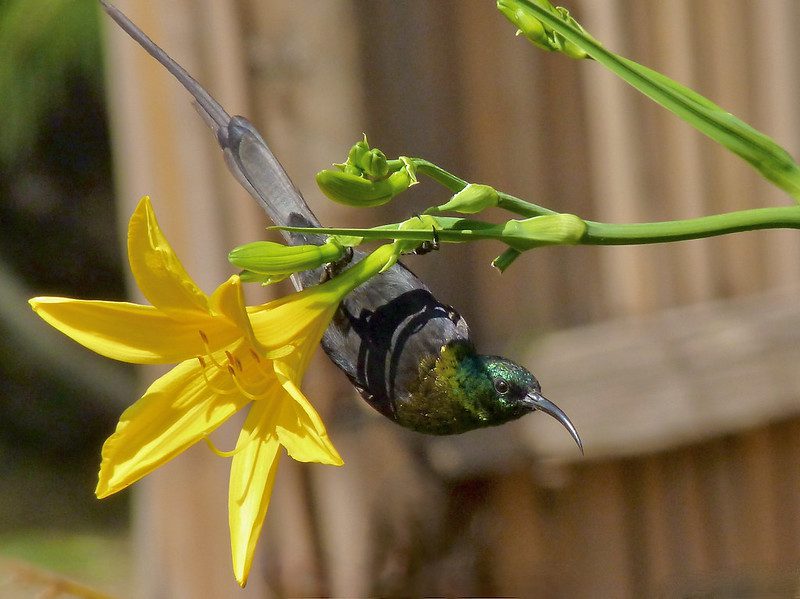
Uganda is a bird lover’s heaven, with over 1,000 different kinds of birds. Uganda provides a unique opportunity to witness some of the world’s most beautiful and interesting birds in their natural environment, from the rare and secretive shoebill stork to the colourful African grey parrot. Join us on a 15-day Ultimate Birdwatching and Wildlife Safari to experience Uganda’s rich bird life. Uganda birdwatching safari tour, Mabamba swamp-destination, Africa birding trips
An introduction to the varied bird life of Uganda.
Uganda has an extraordinary diversity of bird species, making it a popular destination for bird watchers from all over the world. Uganda, with over 1,000 bird species, provides a rare opportunity to watch some of the world’s most beautiful and intriguing birds in their natural environment. Uganda’s bird life is extremely spectacular, with species ranging from the rare and secretive shoebill stork to the colourful African grey parrot.
Uganda’s best bird-watching spots.
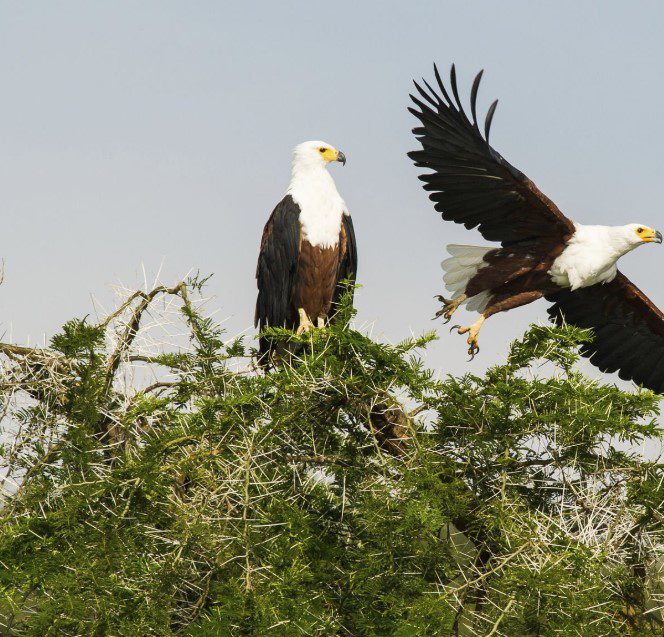
Uganda is a birder’s heaven, with several good places to select from. The Queen Elizabeth National Park, which is home to over 600 kinds of birds, including the African fish eagle and the martial eagle, is one of the most popular. The Bwindi Impenetrable Forest is another must-see attraction, where you may see the rare and endangered African green broadbill. Murchison Falls National Park, Kibale National Park, and Lake Mburo National Park are other excellent places to go bird watching in Uganda.
Look for rare and unusual bird species.
Uganda is home to several uncommon and unusual bird species that are likely to pique the interest of any bird watcher. The shoebill stork, which may be found in the marshes of Murchison Falls National Park and Queen Elizabeth National Park, is one of the most sought-after species. The African grey parrot, Goliath Heron, Abyssinian ground hornbill, secretary bird, African green broadbill, and big blue turaco are all uncommon species. Uganda is a bird watcher’s ideal vacation, with so many beautiful species to explore.
Bird-viewing tips for Uganda
There are a few things to consider while arranging a bird-viewing vacation to Uganda. To begin, carry a decent pair of binoculars and a field guide to help you identify the many species you may observe. It’s also a good idea to dress adequately for the weather and terrain, as some bird-watching areas may include hiking or going through dense foliage. Finally, think about hiring a local guide to assist you in exploring the region and locating unusual animals that you might not be able to detect on your own.
Conservation measures are being made to conserve Uganda’s avian population.
Over 1,000 bird species live in Uganda, many of which are endangered by habitat loss and poaching. Conservation initiatives have been implemented to safeguard these species, including the establishment of national parks and wildlife reserves. Local communities are also being taught on the need to maintain their natural resources, and alternative livelihoods are being provided to lessen their reliance on activities that threaten the environment. These initiatives are critical to ensuring that future generations may continue to enjoy Uganda’s diverse bird life.
A Bird List That Keeps Growing
New species records and range extensions are still being documented across Uganda’s less-surveyed regions, a reminder that even a country this thoroughly loved by birders continues to reveal new discoveries to those willing to look closely.
Why Uganda Ranks Among Africa’s Top Birding Destinations
Uganda’s position at the crossroads of East and Central African ecosystems, spanning savannah, rainforest, wetland, and montane habitats within a relatively compact country, is precisely why it hosts such an exceptional range of bird species compared to countries covering a single dominant habitat type. This ecological diversity is the underlying reason serious birders consistently rank Uganda among Africa’s very best birding destinations.
How Uganda Compares to Kenya and Tanzania for Birding
While Kenya and Tanzania offer strong birding within their savannah ecosystems, Uganda’s added rainforest and wetland habitats give it a genuinely broader species list within a smaller overall travel footprint, a distinction serious regional birders consistently note when planning multi-country itineraries.
The Shoebill Stork: Uganda’s Signature Bird
Few birds capture serious birders’ attention quite like the shoebill stork, a genuinely prehistoric-looking species with a massive, distinctive bill, found reliably in Uganda’s swamps including Mabamba Swamp near Entebbe and the wetlands of Murchison Falls National Park. All in Africa Safaris can arrange a dedicated Shoebill-focused excursion as part of your Uganda birding itinerary.
Non-Birders Traveling Alongside Dedicated Listers
Mixed groups needn’t compromise, most of Uganda’s premier birding sites double as genuinely engaging wildlife or scenic destinations in their own right, meaning non-birding travel companions rarely find themselves without something to enjoy.
Best Time of Year for Birding in Uganda
While Uganda offers rewarding birding year-round given its status as a permanent habitat for most resident species, the dry seasons from June to September and December to February offer the most comfortable field conditions, while the wetter months bring an influx of migratory species from Europe and northern Africa. Serious birders often specifically target these migratory periods to maximize their species count during a single trip.
Building a Multi-Park Birding Itinerary
Given how habitat-specific many of Uganda’s bird species are, a well-rounded birding trip typically spans several parks, wetland species at Mabamba and Murchison Falls, forest species at Bwindi and Kibale, and savannah species at Queen Elizabeth and Lake Mburo, rather than concentrating entirely on a single location. All in Africa Safaris can build this kind of multi-habitat itinerary to maximize your overall species count.
What Makes a Birding Guide Genuinely Valuable
Beyond simple navigation, an experienced birding guide brings the ability to identify species by call alone, knowledge of specific territories for elusive birds, and genuine patience for the sometimes lengthy waits that rare sightings require. This expertise routinely makes the difference between a good birding trip and an exceptional one, particularly for species like the shoebill or African green broadbill that don’t reveal themselves easily.
Combining Birding With Uganda’s Other Wildlife Highlights
Many of Uganda’s premier birding locations, Bwindi, Kibale, Queen Elizabeth, double as world-class destinations for gorilla trekking, chimpanzee tracking, and classic savannah game drives, making it easy to build a trip that satisfies both dedicated birders and companions more interested in mammals. All in Africa Safaris can balance both interests within a single well-paced itinerary.
Understanding Uganda’s Diverse Bird Habitats
From Mabamba’s papyrus wetlands to Bwindi’s misty montane forest canopy and Queen Elizabeth’s open savannah, each of Uganda’s ecosystems supports its own distinct community of resident species, meaning serious birders genuinely need to visit multiple habitat types to appreciate the full breadth of the country’s avian diversity. This habitat variety, packed into a relatively small country, is unusual even by African standards.
Photography Tips for Uganda Birding
A telephoto lens with strong reach is essential for capturing Uganda’s smaller and more distant species, while patience and a willingness to wait quietly near a known perch or nesting site consistently produces better results than active pursuit. Early morning light, when many species are most vocally and visually active, generally offers the best photography conditions across most Uganda birding locations.
What a Typical Birding Day Looks Like
A dedicated birding day typically begins before dawn to catch peak morning activity, involves slow, quiet walking or canoeing through prime habitat with frequent stops, and often continues into late afternoon for a second active period as temperatures cool. This pacing differs considerably from a standard game drive, and travelers should set expectations accordingly.
Rare Species Worth Specifically Targeting
Beyond the shoebill, dedicated birders often build their Uganda itinerary specifically around species like the African green broadbill, found almost nowhere else, the striking great blue turaco, and the elusive Congo bay owl, each requiring specific habitat knowledge and often a fair amount of patience to locate. All in Africa Safaris can prioritize your itinerary around whichever target species matter most to your personal list.
Booking Your Birding Trip Well in Advance
Given how habitat-specific and sometimes location-dependent Uganda’s rarer species are, working with an operator to plan your route well ahead of travel ensures your itinerary is built around the right locations and seasonal timing for your specific target species. All in Africa Safaris can begin this planning process as soon as you have a sense of your travel dates and priority species.
A Country That Rewards Patience and Curiosity
Uganda’s more than 1,000 recorded bird species mean no single trip, however well planned, will ever come close to exhausting what the country has to offer, leaving dedicated birders with genuine reason to return again and again.
Planning Your Uganda Birding Safari
Whether you’re a dedicated lister chasing the shoebill or a casual traveler curious about Uganda’s remarkable avian diversity, the country’s combination of habitats and species density offers something genuinely rewarding for every level of birding interest. All in Africa Safaris can turn this overview into a fully confirmed birding itinerary tailored to your travel dates and target species, opening the door to one of Africa’s richest avian landscapes, one call, one flash of color, one rare sighting at a time.





No comment