
When is the Best Time to Hike Mount Kilimanjaro?
Mount Kilimanjaro is Africa’s tallest mountain, with a peak elevation of 5,985 meters. Mount Kilimanjaro weather impacts the hiking success of every traveller who wishes to ascend Mount Kilimanjaro; therefore, knowing when to climb Kilimanjaro is critical for your personal safety. Bad weather on Kilimanjaro not only makes for a terrible hike and destroys your photographs; it also makes the ascent twice as difficult. If the weather on Kilimanjaro is excellent, you have a better chance of reaching the summit.
Mount Kilimanjaro is located near the Equator in the Tropics, where there are no seasons. There are only two seasons: dry and rainy. Climbing Kilimanjaro during the wet season requires hiking through very deep mud for the first few days. At higher altitudes, there is fog and precipitation, and the moisture will gradually seep into your clothes, gear, and bones.
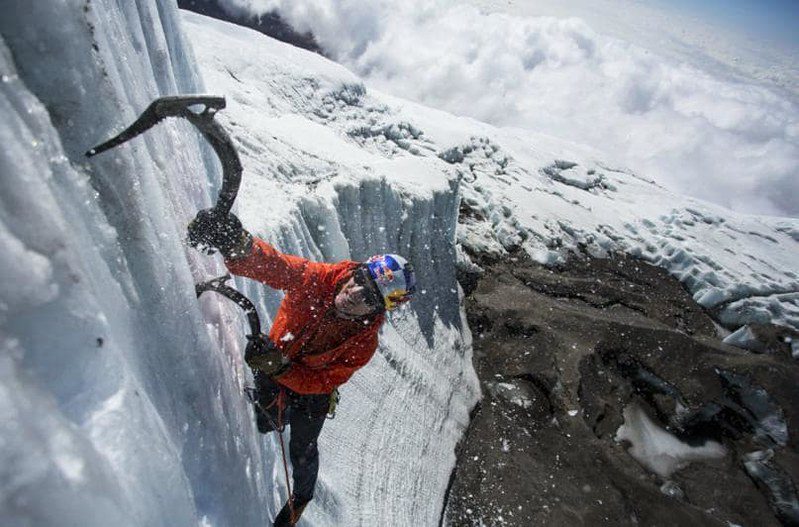
You may have to struggle your way up through ice and snow. Moisture in your clothing and other things will not help with the cold up there. Other factors to consider are the temperature, the vistas, and, of course, the quantity of people on the summit. As is frequently the case, there is no simple solution and no one optimal time to climb Kilimanjaro.
April to June: Because of the shifting weather patterns in East Africa, it is difficult to forecast when the rains will begin and stop; thus, the rain season begins at the end of March and lasts until mid-June. It is the hottest time of year in Tanzania, yet the months of April and May are so rainy that many operators simply do not offer climbs at all.
June to August: The rains and temperatures begin to fall in late June, and the sun shines brightly on Mount Kilimanjaro in July and August. Kilimanjaro’s weather is dry and clear, but the evenings will be very cold. As a result, this period is known as peak season.
August to October: The peak climbing season on Kilimanjaro is August, especially September. The weather is pleasant, with many clear days and temperatures higher than in June or July. However, clouds may shroud the forest/moorland zone, and rain may fall in the early days of the walk on the southern routes. But once you leave the rainforest, everything is fine! The beautiful weather continues until approximately mid-October when the preparations for the brief rains begin.
From October to November, the weather on Kilimanjaro gets more volatile, and the number of climbers decreases. The wetter season, as in all tropical locations across the world, begins with afternoon clouds and occasional thunderstorms. This should not pose any big issues as long as you are prepared to tolerate the occasional shower.
From November until December, The minor rainy season begins in November and lasts until mid-December. The temperatures have plummeted, and the rain has brought all of the threats I mentioned at the beginning of the page. It is not the ideal season to climb Kilimanjaro.
December to January: The four to six weeks surrounding Christmas and New Year’s represent Kilimanjaro’s second peak climbing season. Despite the fact that there is still a probability of rain and dense clouds in the lower regions, traffic is particularly heavy. It’s not a period I’d pick.
January to March: The months of January to March are also ideal for climbing Kilimanjaro. The weather is pleasant, not too chilly or damp, and there are fewer climbers. The days are mostly dry and clear, with only a few clouds and a few short showers. Rain chances steadily increase in March as the lengthy rainy season approaches.
Finally, you may choose to climb at an inconvenient time, whether to escape the main rush or because it is the only opportunity you have to take time off from work. If this is the case, try hiking one of the shorter ways, such as the Rongai path, which is located on the mountain’s northern flank and is drier than the other Kilimanjaro routes. If you want the best weather on Kilimanjaro but dislike crowds, the Rongai route is for you. You might also choose the Shira and Lemosho routes rather than the busy Machame and Marangu routes.
Why Kilimanjaro’s Equatorial Location Genuinely Explains Its Two-Season Climate
Sitting near the Equator genuinely means climbers face only wet and dry seasons, not the four-season patterns hikers elsewhere might expect. All in Africa Safaris can time your Kilimanjaro climb around the most favorable season for your schedule.
What Makes July and August Genuinely the Most Popular Climbing Months
Dry, clear conditions genuinely draw the largest crowds of the year, meaning trails and camps feel busier during this peak window.
Why September Genuinely Offers a Sweet Spot Between Weather and Crowds
Pleasant temperatures and mostly clear skies genuinely make September attractive, though popularity means booking huts and permits early still matters.
How the Rongai Route Genuinely Provides a Drier Alternative Off-Season
Its position on the mountain’s northern flank genuinely gives this path an edge for climbers tackling Kilimanjaro outside the main dry windows. All in Africa Safaris can recommend the Rongai route for a quieter, drier off-season climb.
Why the Shira and Lemosho Routes Genuinely Suit Crowd-Averse Climbers
Choosing these less-trafficked paths over Machame or Marangu genuinely trades some convenience for a noticeably quieter mountain experience.
What Makes the December-January Window Genuinely Worth Considering Despite Rain Risk
This second peak season genuinely appeals to travelers wanting to combine Kilimanjaro with a holiday-season trip, even with some rain probability.
Why January to March Genuinely Rewards Climbers Seeking Fewer Crowds
Mostly dry, pleasant conditions with lighter trail traffic genuinely make this window an underrated choice compared to the busier mid-year months. All in Africa Safaris can plan a quieter January-to-March Kilimanjaro climb around your travel dates.
How Wet-Season Mud Genuinely Complicates the First Days of Any Route
Deep mud during rainy months genuinely slows early trekking days regardless of which of the seven main routes you choose to climb.
Why Altitude Genuinely Compounds Weather Challenges Near the Summit
Fog, precipitation, and ice at higher elevations genuinely demand proper gear regardless of season, since summit conditions differ sharply from the base.
What Makes Avoiding April and May Genuinely Sensible for Most Climbers
Heavy rains during this window genuinely lead many operators to pause climbs entirely, making it the least reliable stretch of the year. All in Africa Safaris can advise on safer alternative dates if your only availability falls in the long rains.
Why November’s Short Rains Genuinely Still Allow Manageable Climbing
Occasional afternoon showers genuinely remain tolerable for well-prepared climbers, unlike the more disruptive extended rainy periods.
How Proper Gear Genuinely Determines Success Regardless of Season Chosen
Waterproof layers and cold-weather equipment genuinely matter on every route, since summit night stays cold even during the driest months.
Why Booking Well in Advance Genuinely Matters for Peak Season Climbs
Limited hut and campsite capacity during July, August, and September genuinely means popular routes can fill up months ahead of the actual climb. All in Africa Safaris can secure permits and camp spots well ahead of peak season demand.
What Makes Physical Preparation Genuinely Independent of Season Timing
Regardless of which month you climb, cardiovascular fitness and gradual altitude acclimatization genuinely remain the deciding factors in reaching the summit.
Why Choosing the Right Season Genuinely Affects More Than Just Comfort
Trail conditions during wetter months genuinely increase both physical difficulty and the time needed to reach camps safely each day.
How Working With an Experienced Operator Genuinely Simplifies Season Planning
Local knowledge of current trail and weather conditions genuinely helps travelers choose the best realistic window for their specific travel constraints. All in Africa Safaris specializes in matching climbers to the right route and season combination.
Why Marangu’s “Coca-Cola” Route Genuinely Stays Busy Year-Round
Hut-based accommodation and a gentler reputation genuinely keep this route popular even outside peak dry-season months. All in Africa Safaris can compare route options to match your comfort level and preferred season.
What Makes Machame Genuinely the Most Scenic of Kilimanjaro’s Busy Routes
Its varied landscapes genuinely explain why Machame stays crowded despite requiring more camping days than the Marangu alternative.
Why Sunrise Summit Attempts Genuinely Depend Heavily on Seasonal Cloud Cover
Clear dry-season skies genuinely give climbers a far better chance at unobstructed sunrise views from Uhuru Peak than cloudier wet months.
How Seven Days or More Genuinely Improves Summit Success Rates
Longer itineraries genuinely allow better altitude acclimatization regardless of season, meaningfully raising the odds of reaching the summit safely. All in Africa Safaris can recommend itinerary lengths suited to your fitness and available time.
Why Checking a Recent Weather Forecast Still Matters Even in Dry Season
Shifting East African weather patterns genuinely mean even peak-season climbs benefit from a final forecast check before departure.
Planning Your Kilimanjaro Climb
From dry-season peak months to quieter off-season alternatives, timing genuinely shapes every Kilimanjaro climbing experience on the mountain. All in Africa Safaris can turn this overview into a fully confirmed climbing itinerary tailored to your travel dates and fitness level.

No comment