The Buganda Kingdom, which is located in modern-day Uganda, is a fascinating tapestry of history, culture, and customs. It is a renowned and influential East African monarchy noted for its lively culture, regal legacy, and dynamic contemporary presence. We’ll dig into the realm of Buganda Kingdom in this essay, shining light on its rich history, cultural significance, and ongoing impact.
Historical Origins
Ancient Roots
The Buganda Kingdom’s history dates back centuries, with its origins rooted in the formation of various clans and chiefdoms in the region. These clans eventually coalesced to form a centralized kingdom under the leadership of a king known as the “Kabaka.”
Kabakas and Dynasties
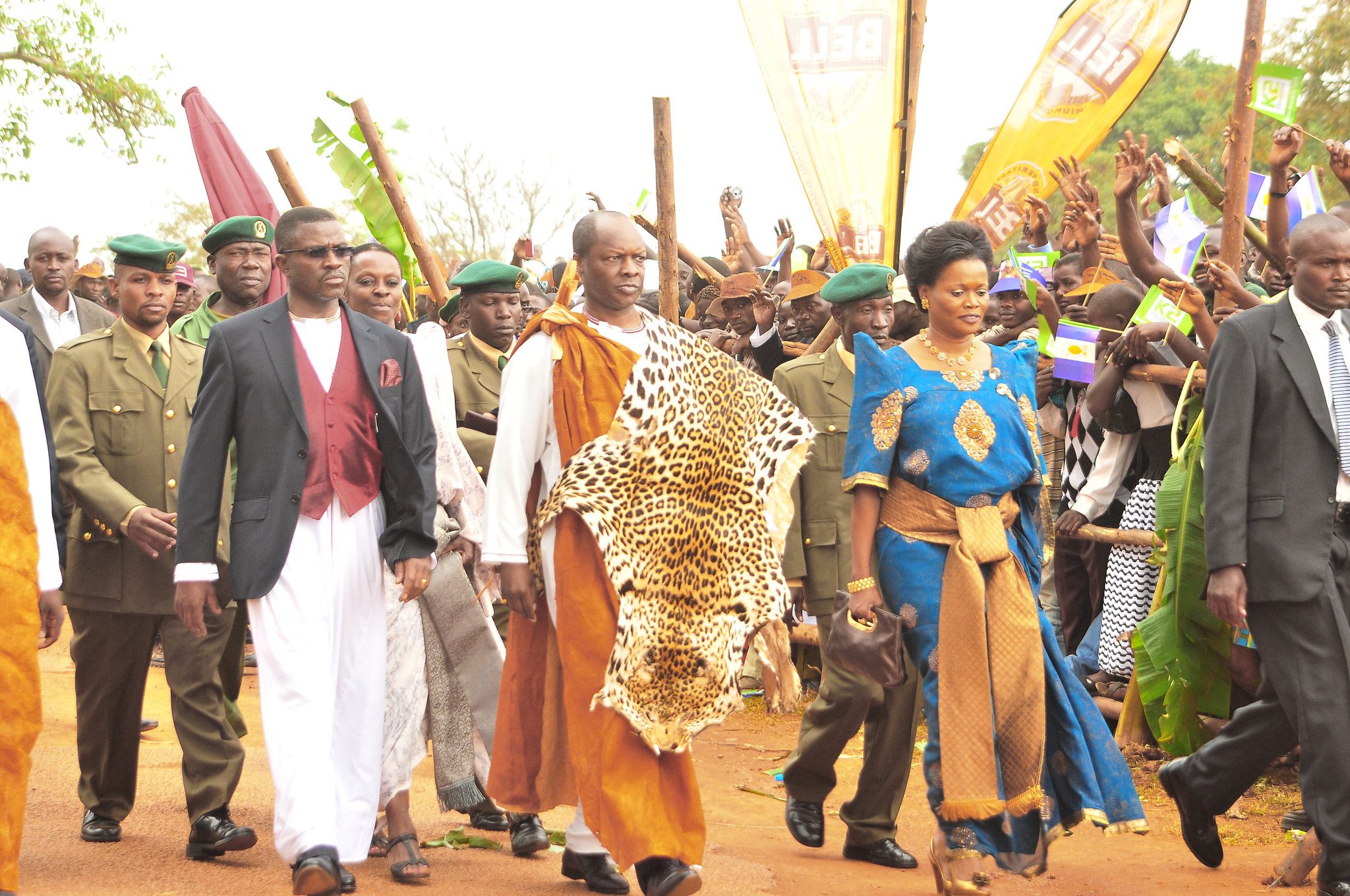
The Buganda Kingdom is renowned for its line of Kabakas (kings) who have ruled the kingdom for generations. Each Kabaka plays a crucial role in shaping the kingdom’s destiny and preserving its cultural heritage.
Cultural Heritage
Royal Traditions
The Buganda Kingdom boasts a rich tapestry of cultural traditions and rituals. These include elaborate coronation ceremonies, vibrant dances, and the revered Buganda Royal Drums, which are an integral part of royal and cultural events.
Language and Customs
Luganda is the primary language spoken in Buganda, and it serves as a vehicle for the transmission of culture and tradition. Customary practices, including birth rituals, marriage ceremonies, and funeral traditions, reflect the kingdom’s deep cultural roots.
Clans and Family Structures
Buganda society is organized into clans, each with its totem, rituals, and responsibilities. These clans are essential in maintaining social order and preserving cultural identity.
Contemporary Significance
Political Influence
While the Buganda Kingdom no longer holds political power in Uganda, it plays a significant role in the country’s political landscape. The kingdom wields cultural influence and serves as a symbol of unity and identity for the Baganda people.
Economic Activities
The kingdom has actively engaged in various economic ventures, including agriculture, education, and tourism. Initiatives such as Kabaka’s Lake and the Buganda Land Board demonstrate the kingdom’s commitment to development and prosperity.
Cultural Festivals
Buganda hosts vibrant cultural festivals like the Buganda Kingdom Annual Tourism Expo, which showcases the kingdom’s traditions, arts, crafts, and cuisine. These events attract both local and international visitors.
In conclusion, The Buganda Kingdom exemplifies the lasting power of culture and tradition. It is a living history museum, a symbol of cultural resilience, and a vital element of Uganda’s social fabric. As Buganda embraces its legacy while adjusting to modern challenges, it remains a source of cultural identity and pride for the Baganda people, as well as a riveting destination for visitors interested in the kingdom’s rich history and colorful customs.
Visiting the Kasubi Tombs
The Kasubi Tombs, a UNESCO World Heritage Site on the outskirts of Kampala, serve as the burial ground for four Buganda kings and remain one of the most visited cultural sites associated with the kingdom. Guided tours of the site explain the traditional architecture, the role of the tombs in ongoing royal ceremonies, and the site’s careful restoration following a fire that damaged the main tomb structure in 2010.
Lubiri Palace and the Kabaka’s Seat
Lubiri Palace, the official residence of the current Kabaka, offers visitors a glimpse into Buganda’s continuing royal institution, alongside the sobering nearby site of Idi Amin’s former torture chambers, a stark juxtaposition of the kingdom’s cultural continuity against Uganda’s more turbulent political history. Guided tours typically cover both the palace grounds and this historical context together, giving visitors a fuller picture of the site’s layered significance.
The Uganda Martyrs Shrine at Namugongo
Namugongo, where a group of Christian converts were executed in the 1880s under a Buganda king’s order, has since become one of East Africa’s most significant pilgrimage sites, drawing large crowds annually on June 3rd for the national Martyrs’ Day commemoration. The site’s history intersects directly with Buganda’s own royal history, offering visitors interested in the kingdom’s past a deeper understanding of the religious and political tensions of that era.
Traditional Buganda Cuisine
Matoke, steamed and mashed green bananas, forms the staple of traditional Buganda cuisine, typically served alongside groundnut sauce, fish, or meat stews, and remains a defining element of Baganda cultural identity beyond the royal institutions themselves. Visitors interested in cultural immersion can often arrange a traditional Buganda meal as part of a guided cultural tour, adding a culinary dimension to the kingdom’s broader heritage.
Best Time to Visit Buganda’s Cultural Sites
Buganda’s cultural sites remain open and accessible year-round, though visiting around specific cultural festivals, such as the Buganda Kingdom Annual Tourism Expo, gives travelers a chance to witness traditional dance, drumming, and craft demonstrations not always available on a standard sightseeing day. All in Africa Safaris can help time a Buganda cultural visit around these events for travelers specifically interested in experiencing the kingdom’s living traditions rather than historical sites alone.
Combining Buganda Heritage With a Wider Uganda Safari
A half or full day exploring Buganda’s cultural sites pairs naturally with a Kampala stay at the start or end of a wider Uganda safari, adding historical and cultural depth to an itinerary otherwise focused on wildlife. All in Africa Safaris can build a Buganda heritage tour into your overall Uganda itinerary alongside gorilla trekking, game drives, and the country’s other primary attractions.
The Buganda Parliament and Modern Governance
Buganda maintains its own cultural parliament, the Lukiiko, which continues to meet and advise on cultural and community matters despite holding no formal political power within Uganda’s national government structure. Understanding this dual system, a fully sovereign national government alongside a culturally influential traditional kingdom, helps visitors make sense of Uganda’s layered governance and the ongoing relevance of Buganda’s institutions today.
Crafts and Artisan Traditions
Traditional Buganda crafts, including bark cloth making, a UNESCO-recognized intangible heritage practice, and intricate basket weaving, remain actively practiced within many Baganda communities, and visitors can often arrange demonstrations or workshops through cultural tour operators. These crafts represent a living continuation of Buganda’s material culture, distinct from but complementary to the more formal royal history covered at sites like Kasubi and Lubiri.
Why Buganda Remains Central to Uganda’s Identity
As Uganda’s largest and most populous traditional kingdom, Buganda’s cultural influence extends well beyond its own borders, shaping national language use, cuisine, and cultural reference points across much of central Uganda. For travelers seeking to understand modern Uganda beyond its wildlife reputation, time spent with Buganda’s history and living traditions offers essential context found nowhere else on a standard safari itinerary.
Practical Tips for Visiting Buganda’s Heritage Sites
Modest dress is expected at royal and religious sites, including the Kasubi Tombs and Namugongo, and visitors are generally expected to remove shoes before entering certain traditional structures, worth knowing ahead of time to avoid an awkward moment on arrival. A local guide familiar with Buganda’s customs and etiquette makes these visits considerably smoother, translating both the history and the cultural protocols that a first-time visitor wouldn’t otherwise recognize.
Buganda’s Royal Drums and Musical Tradition
The Buganda Royal Drums, entoning distinctive rhythms tied to specific historical events and royal announcements, remain an active part of ceremonial life rather than a purely historical artifact, and visitors attending a cultural festival or royal event have a genuine chance to hear these traditions performed live. This musical heritage, passed down through specific drumming lineages for generations, represents one of the clearest living threads connecting Buganda’s ancient past to its present-day cultural practice.
Buganda’s Relationship With Uganda’s Other Kingdoms
Buganda is the largest but not the only traditional kingdom within modern Uganda, neighboring kingdoms including Bunyoro, Toro, and Busoga each maintain their own distinct royal institutions and cultural practices, offering curious travelers a broader lens on Uganda’s pre-colonial political landscape beyond Buganda alone. Understanding Buganda’s history within this wider context of neighboring, sometimes historically rival, kingdoms adds useful depth for visitors specifically interested in Uganda’s traditional governance structures.
A Full Day With Buganda’s Living Heritage
A well-structured day exploring Buganda’s heritage might combine a morning at the Kasubi Tombs, a traditional lunch featuring matoke and groundnut sauce, and an afternoon at Lubiri Palace or a craft demonstration, giving visitors a genuinely rounded sense of the kingdom’s history, cuisine, and living traditions within a single itinerary. All in Africa Safaris can arrange exactly this kind of full-day cultural circuit around Kampala.
Why This History Resonates With International Visitors
Buganda’s story, a centralized, sophisticated pre-colonial kingdom that navigated colonization, political upheaval, and eventual cultural resurgence, offers international visitors a considerably more nuanced picture of African history than the wildlife-focused narrative that dominates most safari marketing. Travelers who take the time to engage with this history often describe it as reshaping how they understand the rest of their Uganda trip, adding depth to everywhere else they visit afterward.
Planning Your Visit With Local Guidance
Given the number of sites, historical layers, and cultural etiquette involved, a well-planned Buganda heritage visit benefits considerably from local expertise rather than an improvised, self-guided approach. All in Africa Safaris can arrange guides, transport, and site access to make sure your time with Buganda’s rich history is both smooth and genuinely informative.