Mabamba Bay Swamp and Wetland, located on the banks of Lake Victoria in Uganda, is a hidden gem for nature enthusiasts and bird watchers. This one-of-a-kind habitat, classified as a Ramsar site, is home to a diverse array of wildlife, including the rare Shoebill stork. In this post, we’ll look at the attractions of Mabamba Bay Swamp and Wetland, as well as why it’s a must-see for eco-tourists.
Discovering Mabamba Bay Swamp and Wetland
Location and Accessibility
Mabamba Bay Swamp and Wetland is located approximately 50 kilometers west of Uganda’s capital, Kampala, making it easily accessible for day trips or weekend getaways. The wetland spans over 26,000 acres, providing ample room for exploration.
Ecological Significance
This wetland is a haven for biodiversity, serving as a critical stopover point for migratory birds along the African-Eurasian flyway. It is also home to a variety of aquatic species, including fish and amphibians, making it a thriving ecological hotspot.
Birdwatching Paradise
Shoebill Storks
The true highlight of Mabamba Bay Swamp is the chance to spot the majestic Shoebill stork. With its distinctive shoe-shaped bill and imposing stature, this bird is a true icon of the wetland. Mabamba Bay is one of the best places in the world to observe these rare and elusive creatures in their natural habitat.
Abundant Avian Diversity
Aside from Shoebill storks, Mabamba Bay is teeming with birdlife. Birdwatchers can expect to see a diverse array of species, including the African jacana, papyrus gonolek, malachite kingfisher, and African pygmy goose. The wetland’s varied habitats, from open water channels to papyrus reed beds, offer a wide range of birdwatching opportunities.
Exploration and Activities
Canoe Safaris
One of the best ways to explore Mabamba Bay is through guided canoe safaris. Experienced local guides will take you through the narrow water channels, allowing you to get up close and personal with the wetland’s flora and fauna.
Nature Walks
The surrounding areas of Mabamba Bay also offer excellent opportunities for nature walks. Stroll along elevated boardwalks and trails that lead you through the wetland’s different habitats, providing a chance to spot birds, butterflies, and other wildlife.
Community and Cultural Experiences
Engage with the local communities around Mabamba Bay to gain insight into their traditional fishing practices, crafts, and daily life. These interactions offer a rich cultural dimension to your visit.
Conservation Efforts
Ramsar Site Status
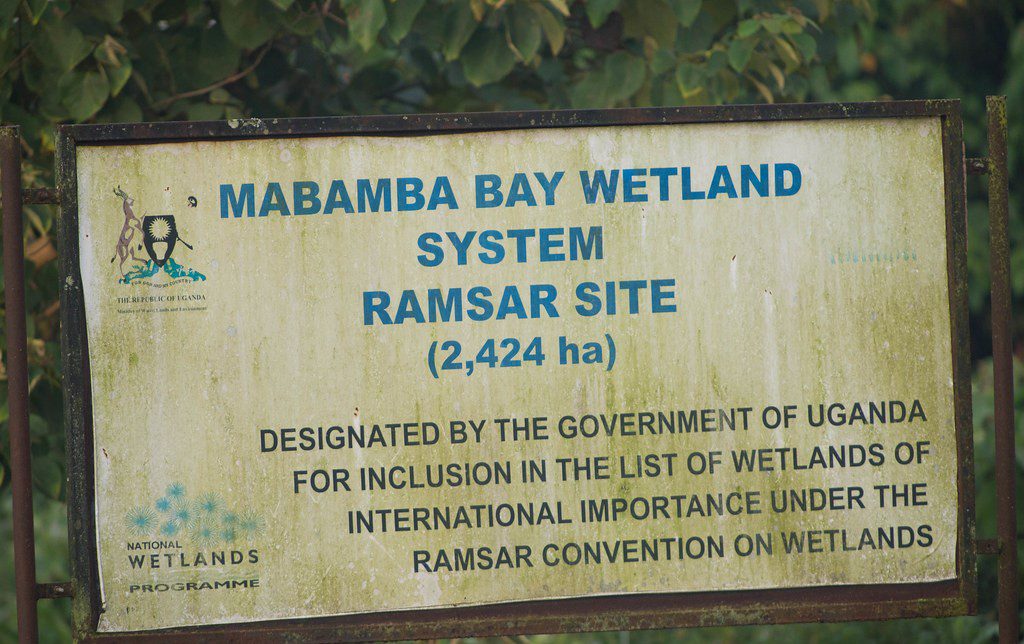
Mabamba Bay Swamp and Wetland is recognized as a Ramsar site, signifying its international importance for wetland conservation. The designation underscores the need for the protection and sustainable management of this vital ecosystem.
Community Involvement
Efforts are underway to involve local communities in the conservation of Mabamba Bay. Conservation initiatives not only protect the wetland’s biodiversity but also provide economic opportunities for nearby residents through ecotourism.
The verdict
Mabamba Bay Swamp and Wetland exemplify Uganda’s exceptional natural beauty and biodiversity. This hidden gem has much to offer whether you’re a birder, a wildlife enthusiast, or simply looking for a peaceful retreat from city life. Mabamba Bay Swamp & Wetland needs to be on your trip itinerary because of its gorgeous sceneries, unusual animals, and continuing conservation initiatives.
First Impressions of the Wetland
Arriving at Mabamba Bay’s edge, the vast expanse of papyrus stretching toward the horizon, the sound of birdlife filling the air, gives most visitors an immediate sense of just how significant this ecosystem genuinely is, well before the first shoebill sighting even happens.
What Makes a Ramsar Designation Genuinely Meaningful
Being named a Wetland of International Importance under the Ramsar Convention isn’t merely symbolic, it obligates ongoing monitoring, sustainable management planning, and international recognition of the site’s ecological value, giving Mabamba Bay a formal conservation status that considerably strengthens efforts to protect it long-term. This designation places Mabamba among a select group of the world’s most ecologically significant wetlands.
What to Bring on the Water
A dry bag for phones and cameras, binoculars for scanning the reed beds, and a bottle of water round out the practical essentials worth bringing on a Mabamba canoe safari, given the open-air setting and the several hours typically spent on the water.
The Fishing Communities That Call Mabamba Home
Local fishing communities have relied on Mabamba Bay’s waters for generations, and their traditional knowledge of the wetland’s channels and seasonal patterns is precisely what makes the local boatmen guiding canoe safaris so genuinely valuable. Engaging respectfully with these communities during your visit, purchasing local crafts or simply listening to their stories, adds meaningful cultural depth to what might otherwise be a purely wildlife-focused visit.
A Site That Repays a Second Visit
Given how much bird activity and water conditions can vary between visits, travelers who return to Mabamba Bay on a subsequent Uganda trip often report a genuinely different experience, sometimes richer, sometimes quieter, but rarely identical to their first.
Elevated Boardwalks Versus Canoe Exploration
While canoe safaris offer the most immersive way to explore Mabamba’s water channels, the elevated boardwalks and surrounding trails provide a genuinely different perspective, allowing visitors to observe the wetland’s edge habitats and spot species that favor drier ground. All in Africa Safaris can combine both experiences into a single, well-rounded Mabamba visit.
An Underrated Stop Worth Prioritizing
Despite its clear ecological and touristic value, Mabamba Bay remains genuinely underrated compared to Uganda’s headline wildlife parks, meaning travelers who make time for it are consistently rewarded well beyond their expectations.
What 26,000 Acres of Wetland Actually Supports
Beyond its birdlife, Mabamba’s vast wetland area supports fish populations that sustain local fishing livelihoods, amphibians that indicate genuine ecosystem health, and plant communities that filter and maintain water quality flowing into Lake Victoria itself. This ecological function extends the wetland’s importance well beyond birdwatching tourism alone.
Best Time of Day and Year for Your Visit
Early morning visits, ideally starting by 7am, offer the calmest water and most active wildlife behavior, while the December to March shoebill nesting season provides the strongest odds of spotting the wetland’s signature species. That said, Mabamba remains a rewarding destination throughout the year given its status as a permanent, functioning wetland ecosystem.
Supporting Conservation Through Responsible Tourism
Choosing a guide and operator committed to low-impact, respectful wildlife viewing directly supports Mabamba’s ongoing conservation efforts, since tourism revenue provides local communities a genuine economic incentive to protect the wetland rather than convert it to other uses. All in Africa Safaris works exclusively with local guides who share this commitment to sustainable, community-benefiting tourism.
A Living Wetland, Not a Static Attraction
Mabamba Bay changes with the seasons, water levels rise and fall, migratory birds arrive and depart, meaning no two visits ever look quite the same, a genuinely dynamic quality that sets it apart from many fixed-format tourist attractions.
Papyrus Reeds: More Than Just Scenery
The dense papyrus reed beds that define Mabamba’s landscape aren’t simply picturesque, they provide essential nesting and foraging habitat for numerous bird species while also playing a genuine role in filtering water quality across the wetland. This dual ecological function is part of what makes papyrus wetlands like Mabamba so disproportionately valuable relative to their size.
What Sets Mabamba Apart From Other Ugandan Wetlands
While Uganda hosts several notable wetland areas, Mabamba’s combination of Ramsar status, reliable shoebill sightings, and proximity to Kampala gives it a distinctive edge that few comparable sites can match. This accessibility, paired with genuine ecological significance, is precisely why Mabamba consistently ranks among Uganda’s most recommended birding destinations.
Preparing for Your Canoe Safari
Comfortable, weather-appropriate clothing, sun protection, and a willingness to sit quietly for extended periods all contribute to a more rewarding canoe safari experience, since sudden movement or noise can startle the very wildlife you’ve come to see. Bringing a light jacket is also worth considering, since mornings on the water can feel cooler than expected before the sun fully rises.
The Broader Lake Victoria Ecosystem Connection
Mabamba Bay forms part of the broader Lake Victoria wetland system, meaning its health is directly connected to the lake’s overall ecological wellbeing, itself a resource shared across Uganda, Kenya, and Tanzania. Understanding this connection frames a Mabamba visit as part of a much larger environmental story than the wetland alone might suggest.
How Long to Spend at Mabamba Bay
Most visitors spend two to three hours on the water during a guided canoe safari, though travelers with a genuine interest in the wetland’s ecology and birdlife often extend their visit to include the nature walks and boardwalk trails as well, turning a brief stop into a fuller half-day experience. All in Africa Safaris can tailor the length of your visit to match your level of interest.
A Wetland Worth Protecting and Visiting
Every well-guided visit to Mabamba Bay reinforces the same message the Ramsar designation makes formally, that this wetland’s ecological value is genuinely worth the ongoing effort of protecting it.
Adding Mabamba Bay to Your Uganda Itinerary
Whether as a standalone day trip from Kampala or a stop along a wider Uganda itinerary, Mabamba Bay Swamp and Wetland offers a genuinely distinctive combination of rare wildlife, ecological significance, and cultural connection. All in Africa Safaris can arrange your canoe safari, guide, and transport as part of a fully organized visit to this hidden treasure, waiting quietly on the shores of Lake Victoria for those willing to seek it out.