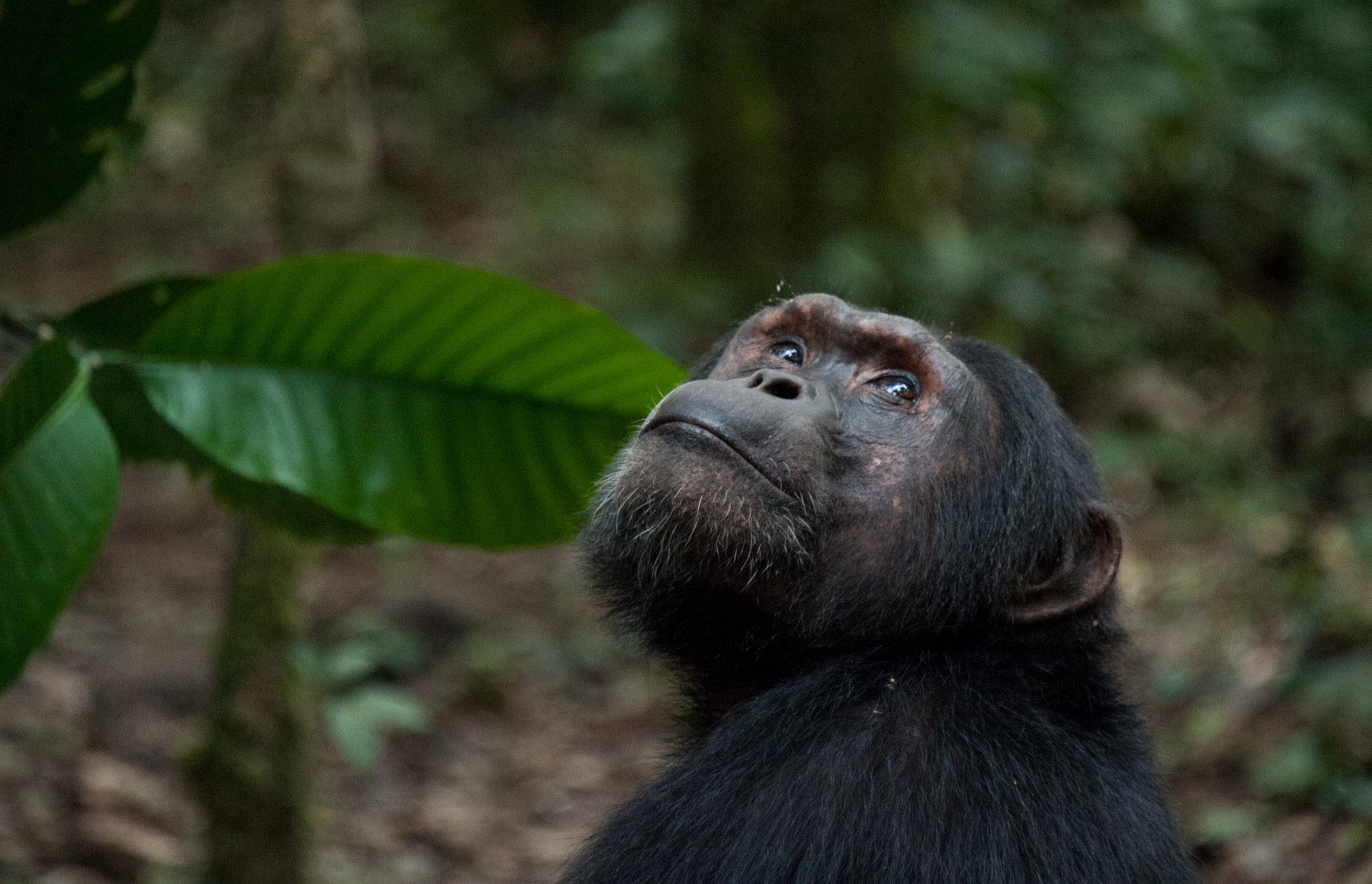
Kibale National Park, located in the heart of Uganda, is one of East Africa’s top places for chimp trekking and primate encounters. Kibale, home to a plethora of these fascinating species, provides an exceptional opportunity to watch our closest cousins in their natural habitat. However, selecting the optimum time to go chimp trekking might considerably improve your experience. Here’s a guide to planning the ideal vacation to Kibale National Park.
Understanding Kibale’s Climate
Kibale National Park experiences a tropical rainforest climate with relatively consistent temperatures year-round. However, the rainfall patterns vary, which can affect the ease of trekking and chimpanzee sightings.
1. Dry Season (June to September and December to February)
Highlights:
- Favorable weather conditions.
- Easier trekking through drier trails.
- Excellent for photography and clear forest views.
- Abundant fruit availability attracts chimpanzees to lower altitudes.
Why You Should Go:
The dry season is undoubtedly the best time to visit Kibale National Park for chimpanzee trekking. During this period, the weather is relatively dry, making the forest trails more accessible and less muddy. The chimpanzees also tend to come down from higher altitudes to feed on the abundant fruit, increasing the chances of encountering them. The clear skies and drier conditions make it an ideal time for photography and observing other wildlife species that call Kibale home.
2. Wet Season (March to May and October to November)
Highlights:
- Lush, vibrant landscapes.
- Fewer tourists, offering a more tranquil experience.
- Suitable for birdwatching and forest exploration.
Why You Should Go: While the wet season in Kibale National Park brings rain, it also transforms the park into a lush, vibrant paradise. The forest flourishes during this time, creating a stunning backdrop for your trekking adventure. Fewer tourists visit during the wet season, allowing for a more peaceful and intimate experience. Birdwatchers will appreciate the diverse avian species that thrive in the rainforest, and the dense foliage can add an element of surprise to your chimpanzee encounters.
3. Peak Season (June to August and December to February)
Highlights:
- Ideal weather conditions for trekking.
- Increased chimpanzee activity due to fruit availability.
- Best chances for clear forest views and exceptional wildlife sightings.
Why You Should Go: If you want to maximize your chances of a successful and rewarding chimpanzee trekking experience, consider visiting Kibale during the peak season. The combination of favorable weather conditions, increased chimpanzee activity, and clear forest views makes this period the most popular for visitors. Booking accommodations and permits in advance is advisable due to higher demand during these months.
4. Low Season (March to May and October to November)
Highlights:
- Tranquil and less crowded experience.
- Opportunity to secure last-minute permits.
- Suitable for budget travelers.
Why You Should Go: Travelers seeking a more budget-friendly and less crowded experience may find the low season in Kibale National Park appealing. While the conditions may be wetter and trails muddier, the forest’s beauty remains enchanting. With lower visitor numbers, you may have a better chance of securing last-minute permits, especially if you’re flexible with your travel dates.
Planning Your Chimpanzee Trekking Adventure
When arranging your chimp trekking excursion in Kibale National Park, keep your tastes and priorities in mind. Kibale’s chimps welcome your arrival year-round, delivering wonderful moments of primate connection amid one of Uganda’s most treasured natural beauties, whether you select the dry season for optimum trekking conditions or the wet season for lush vistas and seclusion.
Book your chimpanzee safari now
Why Timing Genuinely Shapes This Experience
Unlike some wildlife encounters where season matters relatively little, Kibale’s chimpanzee trekking experience shifts meaningfully between dry and wet months, trail conditions, crowd levels, and even chimpanzee altitude preference all changing enough that timing deserves genuine consideration rather than an afterthought.
What a Typical Trekking Day Looks Like
A standard Kibale chimpanzee trek begins with an early morning briefing at park headquarters, followed by a guided walk through the forest that can last anywhere from thirty minutes to several hours depending on the community’s current location, concluding with a closely supervised hour observing their natural behavior. All in Africa Safaris can prepare you fully for exactly what to expect on trekking day.
The Chimpanzee Habituation Experience for Deeper Immersion
Beyond standard one-hour trekking, Kibale offers a habituation experience permit granting several hours alongside a community still being acclimatized to human presence, a genuinely deeper immersion for travelers with a serious interest in primate behavior and research.
Combining Chimpanzee Trekking With Other Kibale Activities
Beyond chimpanzee tracking, Kibale’s forest supports guided nature walks, birding, and swamp walks through the nearby Bigodi Wetland Sanctuary, giving travelers a genuinely full day of forest activities beyond the primate encounter alone. All in Africa Safaris can build these additional activities into your Kibale itinerary.
What to Pack Regardless of Season
Sturdy closed-toe shoes, long trousers, insect repellent, and a rain jacket cover the essentials year-round given Kibale’s genuinely unpredictable tropical forest weather, alongside a camera without flash, since flash photography disturbs the chimpanzees.
Booking Permits Around Your Chosen Season
Given how much demand concentrates during the dry and peak seasons, securing your chimpanzee trekking permits three to four months in advance is genuinely advisable for June through September or December through February travel, while low-season permits often remain available closer to your travel date. All in Africa Safaris can confirm permit availability for whichever season you choose.
Why Kibale Ranks Among Africa’s Best Chimpanzee Destinations
Kibale’s estimated 1,500 chimpanzees, combined with decades of ongoing research and habituation work by resident primatologists, give it a genuinely deep well of behavioral knowledge and tracking success that fewer other African chimpanzee destinations can match, regardless of which season you visit.
Why Fruit Availability Drives Chimpanzee Location
Chimpanzees follow fruiting trees closely, meaning their altitude and location within the forest shift with seasonal fruit availability, a pattern experienced trackers understand deeply and use to predict where a given community is likely to be found on any given day.
Photography Considerations Across the Seasons
The dry season’s clearer skies and better light generally favor photography, though the wet season’s lush green backdrop and dramatic cloud cover can produce genuinely striking images for photographers willing to work around occasional rain.
Comparing Chimpanzee and Gorilla Trekking Seasonality
While both activities favor the same broad dry season windows, chimpanzee trekking’s shorter typical duration and generally gentler terrain make it more forgiving of wetter conditions than gorilla trekking, worth knowing if you’re combining both activities on a single trip.
Physical Fitness Considerations for Trekking
Since chimpanzees range more widely and move considerably faster through the forest canopy than gorillas do on the ground, trekking can occasionally involve a genuinely brisk pace over uneven terrain, making reasonable physical fitness worth considering before booking, though guides adjust pacing to the group’s ability.
Research Significance of Kibale’s Chimpanzee Communities
Kibale hosts one of the longest-running chimpanzee research projects in Africa, meaning the communities visitors trek to see have been studied continuously for decades, giving guides access to genuinely detailed individual and group history that enriches every encounter regardless of season.
Combining Kibale With Queen Elizabeth National Park
Given Kibale’s proximity to Queen Elizabeth National Park, many travelers combine chimpanzee trekking with a classic savannah safari, building a single western Uganda leg that pairs primate encounters with big game viewing regardless of which season you choose. All in Africa Safaris can sequence this combination around your preferred trekking season.
Extending Your Visit With the Bigodi Wetland Walk
The nearby Bigodi Wetland Sanctuary, community-run and staffed by local guides, offers excellent birding and primate viewing as a genuinely worthwhile half-day addition for travelers not ready to leave Kibale’s forest ecosystem after a single trekking day, a rewarding stop in any season.
Weighing Crowds Against Weather
Travelers genuinely torn between seasons should weigh which trade-off matters more, the dry season’s easier trails and higher visitor numbers, or the wet season’s muddier paths and considerably more solitary trekking experience.
Why Some Travelers Deliberately Choose the Wet Season
Beyond lower permit competition, wet season visitors consistently describe the forest’s intensified green color and heightened birdsong as genuinely rewarding compensation for the wetter, muddier trekking conditions.
Booking Your Trekking Season With Confidence
Whichever season ultimately suits your priorities, confirming your permits and accommodation well ahead of your chosen travel window remains the single most important step in securing exactly the Kibale experience you’re hoping for. All in Africa Safaris can guide this decision based on your specific priorities around crowds, weather, and budget.
A Genuinely Rewarding Encounter in Any Season
Ultimately, no season at Kibale delivers a poor experience, the differences between them shape the character of your trek rather than its fundamental quality, meaning the “right” time to visit comes down to your own personal priorities more than any objectively superior window.
Planning Your Kibale Chimpanzee Trekking Adventure
Whether you choose the dry season’s easier trekking conditions or the wet season’s lush seclusion, a well-timed visit to Kibale National Park delivers a genuinely unforgettable encounter with one of humanity’s closest living relatives. All in Africa Safaris can turn this overview into a fully confirmed itinerary tailored to your travel dates, bringing you face to face with Kibale’s remarkable chimpanzee communities at exactly the time of year that suits you best.