
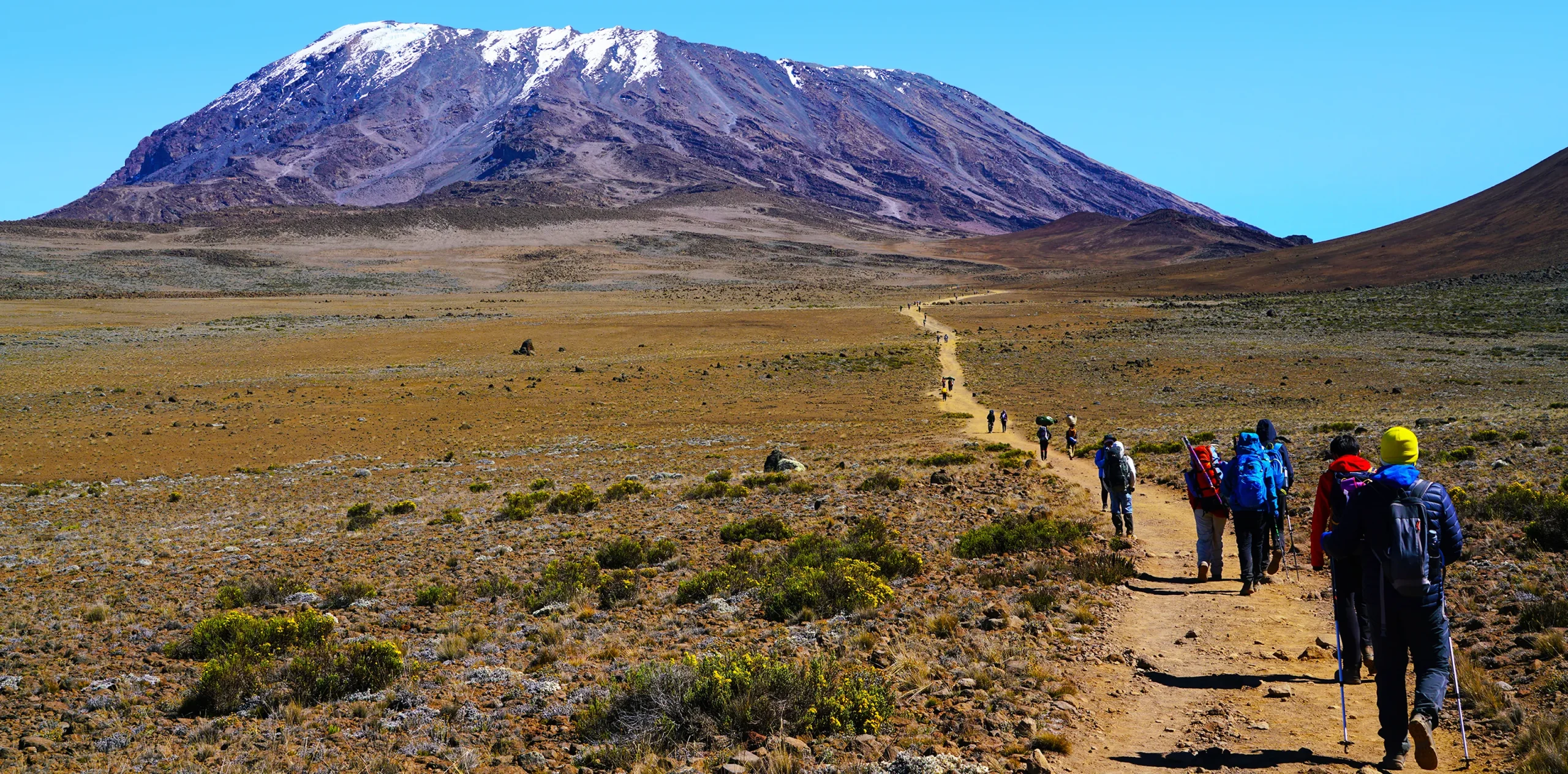
How to train for Kilimanjaro: A twelve-week plan for beginners
Climbing Mount Kilimanjaro is a demanding physical challenge, even though you do not need technical mountaineering skills or previous experience with ropes and climbing equipment. The normal trekking routes involve walking for several hours each day, climbing steep slopes, crossing uneven terrain and coping with increasingly thin air as you gain altitude. Summit night is particularly demanding because you begin walking in darkness, often in freezing temperatures, before reaching Uhuru Peak at 5,895 metres.
For beginners, preparation should start well before arriving in Tanzania. A structured twelve-week training programme can improve your cardiovascular endurance, strengthen your legs, prepare your knees for long descents and help you become comfortable walking with a daypack. It also gives you time to test your boots, clothing and other equipment before the expedition.
You do not need to become a competitive runner or spend every day in a gym. The most useful preparation involves regular walking, hiking, uphill exercise and strength training. You should gradually increase the duration and difficulty of your sessions while allowing enough time for recovery.
This guide explains how to prepare over twelve weeks, including a practical weekly routine, exercises for beginners, equipment practice and mistakes to avoid. It also explains an important distinction: physical fitness helps you manage the walking demands of Kilimanjaro, but it does not prevent altitude sickness. Your route, acclimatisation schedule and response to altitude remain essential parts of a safe climb.
What physical fitness do you need for Kilimanjaro?
Kilimanjaro is a high-altitude trekking expedition rather than a technical climbing expedition. Most standard routes use established mountain trails, and climbers walk with a guide and support crew. However, the daily walking can be strenuous because of the distance, elevation gain, terrain and altitude.
A typical climbing day may involve four to seven hours of walking, although some days are shorter or longer. Summit night can involve approximately 10 to 15 hours of walking when the ascent and descent are combined, depending on the route, conditions and individual pace.
You need four main areas of fitness.
Cardiovascular endurance helps you walk for several hours without becoming exhausted. Walking uphill, cycling, swimming, jogging and climbing stairs can all improve aerobic fitness.
Leg strength helps you manage steep ascents and long descents. Your quadriceps, hamstrings, glutes and calves work continuously during the trek.
Core stability and balance help you remain steady on rocky and uneven paths, particularly when carrying a backpack.
Muscular endurance prepares your body for repeated walking days. You may feel reasonably comfortable after one long hike but struggle when you have to repeat the effort the following morning. Training should gradually prepare you for consecutive days of activity.
You do not need to achieve a particular running speed or lift heavy weights. Your main objective is to become comfortable walking steadily for several hours, including uphill and downhill sections.
Is twelve weeks enough for a beginner?
Twelve weeks can be a reasonable preparation period if you already walk regularly, participate in occasional exercise or have a basic level of fitness. It gives you time to develop endurance, increase hiking duration and practise with your equipment.
However, twelve weeks may be too short if you have been inactive for several months or have never undertaken regular physical exercise. In that situation, consider allowing 16 to 20 weeks or more. A longer preparation period gives your muscles, joints and cardiovascular system more time to adapt.
Your starting fitness also affects how quickly you should increase training difficulty. Someone who already walks for an hour several times a week can progress faster than someone who becomes tired after 20 minutes.
Before beginning a demanding programme, seek medical advice if you have a heart or lung condition, blood-pressure concerns, a significant previous injury or another health issue that may affect strenuous exercise. If you experience unusual chest pain, dizziness, fainting or severe breathlessness during training, stop exercising and seek medical assessment.
The twelve-week Kilimanjaro training plan
The programme is divided into three main stages: building a fitness foundation, increasing hiking endurance and preparing for longer mountain days. The final week focuses on recovery rather than additional fitness gains.
The suggested schedule is flexible. You can move sessions around to suit your work and personal commitments, but avoid placing every demanding workout on consecutive days. Include at least one full rest day each week.
Weeks 1 and 2: Build your fitness foundation
The first two weeks establish a consistent exercise routine. Your priority is to become comfortable with regular walking and light strength exercises.
Begin with three or four walking sessions per week. Each session can last between 30 and 45 minutes, depending on your starting fitness. Walk at a comfortable pace that increases your breathing slightly but still allows you to hold a conversation.
If you have access to a gentle hill, include a few uphill sections. Otherwise, use a treadmill with a small incline or walk on ordinary roads and paths.
Add one or two short strength sessions during the week. Start with bodyweight squats, step-ups, calf raises and simple core exercises. Perform each movement slowly and concentrate on maintaining good technique.
A practical first-week routine could include a 30-minute walk on Monday, strength training on Tuesday, a 40-minute walk on Wednesday, rest on Thursday, another 30-minute walk on Friday and a relaxed outdoor walk on Saturday. Sunday can be a full rest day.
During the second week, extend one or two walking sessions to 45 or 50 minutes if you are recovering comfortably.
Do not rush this stage. Developing a consistent routine is more valuable than completing one extremely difficult workout and spending the following days recovering.
Weeks 3 and 4: Increase walking duration and introduce hills
By the third week, your body should be becoming more accustomed to regular exercise. You can now increase the duration of your walks and introduce more uphill work.
Aim for three or four walking or cardio sessions per week. Most can last 45 to 60 minutes. Include one longer outdoor walk of approximately 90 minutes, preferably on a route with gentle slopes.
Start practising uphill and downhill movement. Kilimanjaro involves long ascents, but descending also places considerable stress on your knees and thigh muscles. Walking downhill in a controlled manner helps condition these muscles.
Continue strength training twice a week. Introduce reverse lunges and controlled step-downs if you can perform them comfortably. These movements prepare your legs for the repeated changes in height during the trek.
You can also begin using a light backpack on one of your longer walks. Start with approximately 2 to 3 kilograms. Carry only a small amount of water and essential items.
By the end of week four, aim to complete a comfortable two-hour walk without excessive fatigue. You should be able to finish the session feeling tired but still capable of normal activities.
Weeks 5 and 6: Develop hiking endurance
The next stage focuses on making your training more specific to the mountain. Ordinary walking remains useful, but you should now include longer hikes, sustained inclines and some backpack training.
Aim for three or four aerobic sessions per week. One or two can be brisk walks, cycling or swimming lasting 45 to 60 minutes. Another session should involve uphill walking or stair climbing.
Your weekend hike should gradually increase to approximately two and a half to three hours. Choose a route with varied terrain if possible. Hills, uneven paths and controlled descents provide better preparation than walking on flat ground every time.
Increase your backpack load gradually to approximately 3 to 5 kilograms. You should be able to walk comfortably with the pack without leaning forward excessively or experiencing shoulder and back pain.
Continue two weekly strength sessions. Focus on squats, lunges, step-ups, calf raises and core stability.
Pay attention to your knees during downhill sections. Do not rush down steep slopes to increase speed. Short, controlled steps are more useful for conditioning and help you practise the movement you will use on the mountain.
By the end of week six, aim to complete a three-hour hike with your light backpack and recover sufficiently to continue normal activities the following day.
Weeks 7 and 8: Practise longer hikes with a backpack
These weeks increase the physical demands of your training. You should now be comfortable walking for several hours and carrying a backpack over uneven terrain.
Aim for three or four walking or cardio sessions per week. Keep shorter weekday sessions between 45 and 60 minutes, with one longer weekend hike lasting approximately three to four hours.
If you have access to hills or a stair machine, include sustained uphill sessions. Try to maintain a steady pace rather than moving as quickly as possible.
Increase your backpack weight gradually towards approximately 5 to 7 kilograms, provided your body is handling the earlier loads comfortably. This is a useful training range for practising with a realistic daypack, although the actual load you carry on Kilimanjaro depends on your operator’s arrangements and what you pack.
Start testing your actual hiking equipment. Wear the boots and socks you intend to use on the mountain. Adjust your backpack straps and practise organising water, snacks, rain protection and extra clothing.
If you plan to use trekking poles, begin practising with them during your hikes. They can help with balance and reduce some of the load on your legs, particularly during long descents.
You can also introduce a back-to-back hiking weekend during this stage. For example, complete a three-hour hike on Saturday followed by a 90-minute to two-hour walk on Sunday. Keep the second day easier.
This teaches your body to remain active when your legs are not completely fresh. It also gives you an opportunity to practise recovery, hydration and eating between walking sessions.
Weeks 9 and 10: Prepare for demanding mountain days
These are the most demanding weeks of the programme. Your goal is to develop the endurance required for repeated long days on Kilimanjaro.
Continue with three or four weekly walking or cardio sessions, but make your weekend hikes more substantial. Aim for approximately four to five hours of walking, depending on your fitness and the terrain available.
During one of these weeks, practise two consecutive hiking days. For example, walk for four to five hours on Saturday and two to three hours on Sunday. The second day should be manageable, even though your legs may feel tired.
Maintain a backpack load of around 5 to 7 kilograms if you have become comfortable with it. Do not increase the weight simply to make the workout harder. The objective is to prepare for the equipment you will actually carry.
Strength training should continue twice a week, but avoid lifting weights that leave you extremely sore. Use controlled movements and moderate resistance.
Include exercises that strengthen the muscles used during descent. Slow step-downs, split squats and controlled lunges can help improve your ability to manage uneven ground.
You should also practise walking at a steady pace for long periods. Kilimanjaro guides often encourage climbers to move slowly, especially during the ascent. Your training should develop endurance rather than teach you to rush.
By the end of week ten, aim to complete a long hike followed by another shorter walking day without significant joint pain or excessive exhaustion.
Week 11: Complete your final major training sessions
Week eleven is your final opportunity to complete a substantial training hike. You should already have developed a good foundation, so focus on testing your endurance and equipment rather than attempting to achieve a new fitness record.
Complete one long hike of approximately four to six hours if you can manage that duration comfortably. Choose a route with uphill and downhill sections and use the backpack you intend to carry during your climb.
If your recovery is good, you can include a shorter walk the following day. Avoid combining a very long hike with intense strength training or exhausting cardio sessions.
Use this week to identify any problems with your equipment. Check whether your boots cause blisters, whether your backpack rubs against your shoulders and whether your clothing is comfortable during changing weather conditions.
Practise eating and drinking regularly during the hike. Carry the snacks and water system you intend to use on Kilimanjaro.
If you experience persistent knee pain, ankle discomfort or unusual fatigue, reduce your training and address the problem before travelling. Do not ignore an injury because your departure date is approaching.
Week 12: Reduce training and recover
The final week should be a taper period. Your objective is to arrive at Kilimanjaro rested, not exhausted.
Reduce your overall training volume by approximately 40 to 50 percent compared with your busiest weeks. Complete a few easy walks lasting 30 to 60 minutes and include gentle mobility exercises.
Avoid long hikes, heavy leg workouts and intense interval training. You will not gain meaningful fitness by trying to complete an extra difficult session immediately before departure.
Prioritise sleep, regular meals and normal hydration. Check your equipment, organise travel documents and confirm arrangements with your climbing operator.
If you are flying to Tanzania, allow time to recover from travel before beginning the expedition. Long flights, disrupted sleep and changes in routine can make the first mountain day more tiring.
A practical weekly training schedule
The following schedule gives you a general idea of how to organise your training. Adjust the duration according to your current fitness and the stage of the twelve-week programme.
| Day | Activity |
|---|---|
| Monday | Brisk walking or cycling |
| Tuesday | Strength training |
| Wednesday | Hill walking, stairs or incline treadmill |
| Thursday | Rest or gentle mobility |
| Friday | Easy cardio or a short walk |
| Saturday | Long outdoor hike |
| Sunday | Rest or an easy recovery walk |
You do not need to complete every session at maximum intensity. Most cardio should be performed at a moderate pace where you can still speak in full sentences.
As the programme progresses, increase the duration of the Saturday hike and introduce occasional back-to-back weekend walks. Keep the strength sessions consistent but avoid training to exhaustion.
If you feel unusually tired, reduce the workload. Recovery is part of the training process.
The best exercises for Kilimanjaro beginners
You can build much of the required strength using bodyweight exercises at home. A gym is useful, but it is not essential.
Squats strengthen the quadriceps, glutes and other muscles involved in climbing. Stand with your feet approximately shoulder-width apart, bend your knees and hips, then return to a standing position. Begin with two sets of 10 repetitions.
Lunges improve leg strength and balance. Step forward, lower your body under control and return to the starting position. Alternate legs and begin with two sets of eight repetitions per side.
Step-ups are particularly relevant to mountain walking. Use a stable step or platform, place one foot on it and raise your body using that leg. Lower yourself slowly and repeat with the other leg. Start with two sets of 10 repetitions per side.
Calf raises strengthen the muscles used during uphill walking. Stand with your feet flat, raise your heels and lower them slowly. Complete two sets of 15 repetitions.
Step-downs prepare your legs for descents. Stand on a low, stable step and slowly lower one foot towards the ground. Return to the starting position using controlled movement. Start with two sets of eight repetitions per leg.
Planks strengthen your core and help improve stability when carrying a backpack. Begin with 15 to 30 seconds and increase the duration as your strength improves.
You can start with two sets of each exercise and increase gradually. Good technique is more important than the number of repetitions. If an exercise causes joint pain, stop and seek advice from a qualified trainer or healthcare professional.
How to train if you live somewhere without mountains
You do not need to live near a mountain to prepare for Kilimanjaro. You can build much of the required fitness through ordinary walking, stair climbing and gym sessions.
If you live in a city such as Kampala, regular walks can provide a useful starting point. Choose routes that include gradual slopes and different surfaces. As your fitness improves, extend your walking time and introduce a backpack.
Staircases are another useful training option. Walking up and down several flights of stairs develops leg endurance and helps prepare you for repeated elevation changes. Start with a manageable number of flights and increase gradually.
An inclined treadmill can simulate uphill walking. Begin with a modest incline and a comfortable pace. Increase the duration or incline gradually rather than making both changes at once.
A stationary bicycle or swimming can improve cardiovascular fitness while reducing the impact on your joints. These activities are useful for additional aerobic training, although they do not fully replace hiking.
Try to complete several outdoor hikes before departure. Real trails help you practise balance, downhill movement, footwear and backpack handling in conditions that a gym cannot fully reproduce.
Train for the descent as well as the ascent
Many first-time climbers focus almost entirely on walking uphill. However, descending from high camps and returning to lower elevations can place substantial strain on your knees, quadriceps and ankles.
On Kilimanjaro, some routes include long downhill sections over rocky or loose terrain. Your legs may already be tired from the climb, making controlled movement particularly important.
Include downhill walking in your weekend hikes whenever possible. Practise using short steps and maintaining balance. Avoid running or taking long strides down steep sections.
Step-downs, squats and controlled lunges can also help condition your legs. If you use trekking poles, practise adjusting their length and coordinating them with your steps.
Do not ignore knee discomfort during training. Persistent pain may indicate that you are increasing distance or intensity too quickly. Reduce the workload and seek professional advice if symptoms continue.
Practise with your Kilimanjaro equipment
Training is the right time to test the equipment you will use during the expedition. Waiting until you reach Tanzania can expose you to avoidable problems.
Break in your hiking boots gradually. Wear them during shorter walks before using them on longer hikes. Check for rubbing around the heels, toes and ankles.
Test your socks and clothing combinations. You should know which layers work comfortably when walking uphill and which items you need when stopping in cold conditions.
Practise carrying your daypack. A typical climber carries personal items such as water, snacks, rain protection, spare clothing and small essentials. The main expedition luggage is usually transported by porters, subject to the operator’s arrangements and luggage limits.
Check your trekking poles before travelling. Make sure the locking mechanisms work properly and practise using them on both uphill and downhill sections.
Your equipment should feel familiar before the expedition begins.
What physical training cannot do for altitude
This is one of the most important points to understand before climbing Kilimanjaro. Being physically fit does not guarantee that you will avoid altitude sickness.
At 5,895 metres, the amount of available oxygen is much lower than at sea level. Your body needs time to adjust to the reduced oxygen pressure. Even strong athletes can develop altitude-related symptoms, while people with average fitness may acclimatise successfully.
Training improves your ability to walk for long periods, manage fatigue and recover between exercise sessions. It does not replace proper acclimatisation.
Choose an itinerary that allows enough time for your body to adjust. Seven-day or longer routes are often preferable to very short itineraries because they provide more time for gradual ascent. Some climbers choose eight- or nine-day programmes for additional acclimatisation opportunities.
Follow your guide’s instructions and maintain a slow pace. Do not try to prove your fitness by walking faster than the rest of the group.
Common symptoms of acute mountain sickness include headache, nausea, dizziness, fatigue and loss of appetite. Report symptoms to your guide immediately. Severe breathlessness at rest, confusion, difficulty walking straight or worsening symptoms require urgent medical attention and descent according to the expedition’s emergency procedures.
Never continue climbing simply because you have trained for twelve weeks or paid for the expedition. Your health takes priority over reaching the summit.
Common training mistakes to avoid
One frequent mistake is doing too much too soon. Increasing walking distance, backpack weight and workout intensity at the same time can increase the risk of injury. Change one major training factor at a time and allow your body to adapt.
Another mistake is focusing only on running. Running can improve cardiovascular fitness, but it does not fully prepare your feet, knees and legs for hours of walking over uneven terrain. Include regular hikes and uphill walking.
Some beginners also neglect strength training. Stronger legs and a stable core can make repeated ascents and descents more manageable. Two short sessions each week are a useful addition to your walking programme.
Training only on flat ground is another limitation. Kilimanjaro involves substantial elevation changes, so include hills, stairs or an inclined treadmill whenever possible.
Do not ignore your boots. New footwear can cause blisters and discomfort during long mountain days. Break them in well before departure.
Finally, avoid exhausting workouts during the last week. Arriving tired or injured can undermine months of preparation. Reduce training and allow your body to recover.
Nutrition and hydration during training
Your body needs enough energy to recover from regular exercise. A balanced diet containing carbohydrates, protein, healthy fats, fruit and vegetables supports training and general health.
Carbohydrates provide energy for longer walks. Foods such as rice, potatoes, oats, bread and fruit can help replenish energy stores.
Protein supports muscle repair. Eggs, beans, fish, meat, milk and other protein-rich foods can form part of your regular meals.
Drink water throughout the day, particularly in hot weather or during longer training sessions. During extended hikes, carry enough water for the route and drink regularly rather than waiting until you feel very thirsty.
Practise eating during your longer walks. Small snacks such as bananas, nuts, sandwiches and energy bars can provide convenient energy.
Avoid experimenting with unfamiliar foods or supplements immediately before the expedition. Use training hikes to discover which meals and snacks you tolerate comfortably.
Preparing mentally for the climb
Kilimanjaro requires patience. You may spend several hours walking slowly, experience cold conditions and face periods when progress feels difficult.
Mental preparation begins during training. Complete your scheduled walks consistently, even when you do not feel particularly motivated. Learn to maintain a steady pace instead of trying to finish every session quickly.
Long hikes also help you understand how your body responds to fatigue. Practise taking short breaks, eating regularly and continuing at a manageable pace.
Research the route you plan to use. Understanding the camps, daily walking distances and summit-night schedule can make the expedition feel more familiar.
Remember that reaching the summit is not a race. The mountain rewards steady progress, sensible decisions and good preparation.
What should you be able to do before travelling?
By the end of twelve weeks, a reasonably prepared beginner should be able to walk for several hours on uneven terrain, manage moderate uphill and downhill sections and carry a comfortable daypack.
A useful preparation target is completing a four- to six-hour hike at a steady pace, followed by a shorter recovery walk the next day. You should also be comfortable wearing your hiking boots and using your trekking poles if you intend to take them.
These are practical fitness benchmarks, not official entry requirements or guarantees of reaching Uhuru Peak. Your actual readiness depends on your starting fitness, health, training consistency and the demands of your chosen route.
If you cannot comfortably complete these activities, consider extending your preparation period or discussing your fitness level with your climbing operator before departure.
Choosing a Kilimanjaro route that matches your preparation
Your training programme and route choice should work together. Kilimanjaro has several established climbing routes, and they differ in duration, scenery, daily walking demands and acclimatisation opportunities.
The Marangu Route is often associated with hut accommodation and is commonly completed in five or six days, although longer itineraries may be available. Its shorter versions provide less time for acclimatisation.
The Machame Route usually takes six or seven days. It includes varied terrain and can be physically demanding, particularly on some steep sections.
The Lemosho Route is commonly organised over seven or eight days and offers a longer approach through different mountain environments. Its additional days can provide more time for acclimatisation.
The Northern Circuit is usually one of the longest options, often taking eight or nine days or more. Its extended itinerary provides substantial time for gradual ascent, although the route still requires good physical preparation.
A longer route does not remove altitude risks, but a suitable itinerary gives your body more time to adapt. Discuss your experience, fitness and preferred climbing duration with a reputable operator before booking.
Arrive ready to enjoy the mountain
A twelve-week training programme can give beginners a strong foundation for climbing Kilimanjaro. Regular walking develops endurance, strength exercises prepare your legs for steep terrain, and longer hikes help you become comfortable with repeated hours on the trail.
The most important part of preparation is consistency. You do not need to train like an elite athlete, but you should take the physical demands seriously. Increase your workload gradually, practise with your actual equipment and allow enough time for recovery.
Remember that fitness is only one part of a successful climb. Your choice of route, acclimatisation schedule, guide support and response to altitude symptoms are equally important. Arrive with well-conditioned legs, comfortable boots and realistic expectations, then follow your guide’s instructions and maintain a slow, steady pace throughout the expedition.

No comment