
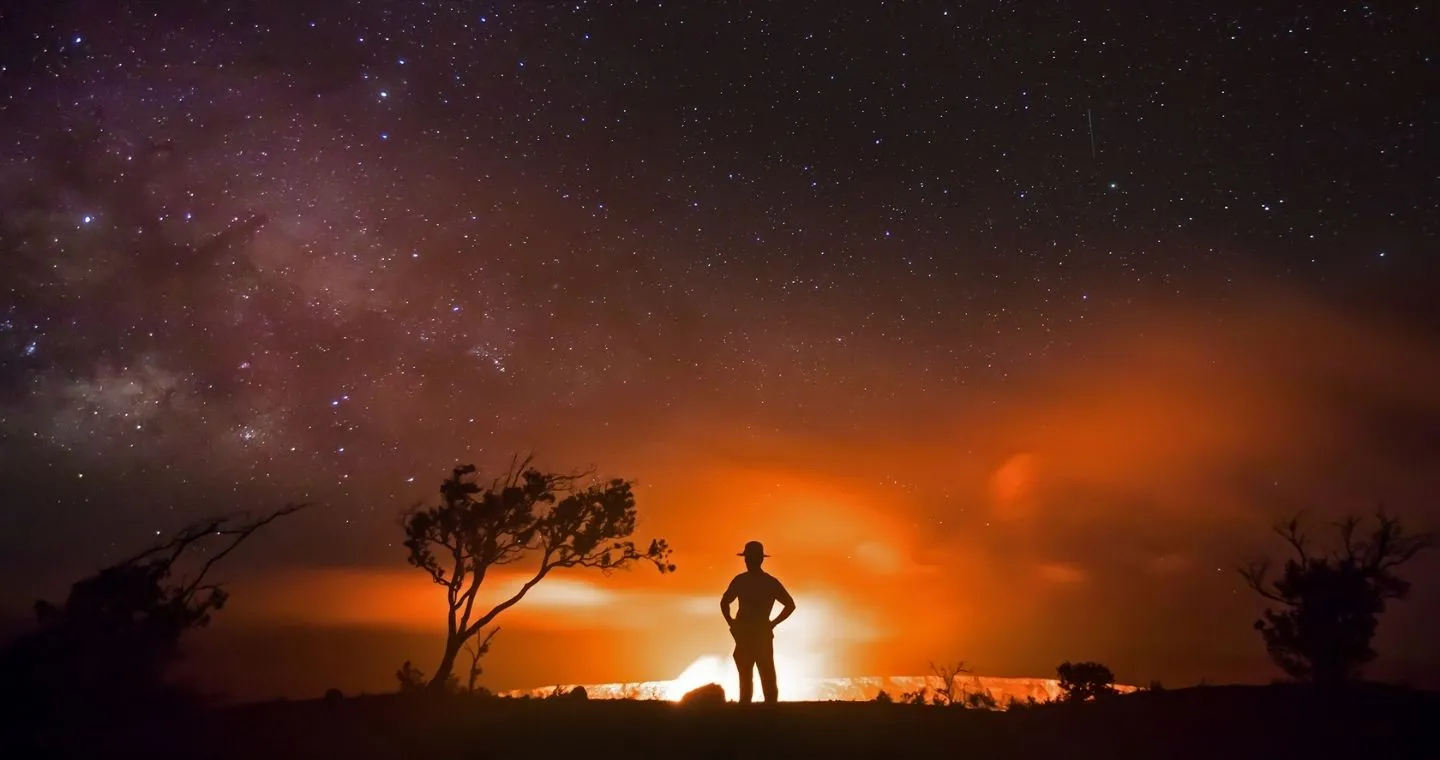
Nightjars on safari: How to find them with a spotlight
Night drives in East Africa reveal a different side of the wilderness. While lions, elephants, giraffes and antelopes attract attention during daylight game drives, many fascinating birds become active after sunset. Among the most interesting are nightjars, secretive nocturnal birds that spend much of the day resting on the ground or low branches before emerging to hunt insects at dusk and during the night.
Finding a nightjar on safari can be challenging because its brown, grey and black feathers blend almost perfectly with dry grass, leaves, soil and tree bark. Even when one is sitting only a few metres away, you may struggle to distinguish it from the surrounding vegetation. A spotlight can help you locate these birds by revealing the reflection from their eyes, allowing you to identify their position before examining their shape and plumage.
However, successful nightjar watching involves more than sweeping a powerful light across the bush. You need to understand where these birds rest, when they become active, how to recognise their calls and how to use a spotlight without disturbing them. With patience and the guidance of an experienced night-drive guide, you can find several species and observe their feeding behaviour in their natural habitats.
What are nightjars?
Nightjars belong to the bird family Caprimulgidae. They are medium-sized nocturnal or crepuscular birds found across much of the world, including Africa, Asia, Europe and the Americas. They are sometimes called goatsuckers because of an old European belief that they drank milk from goats. This belief is false. Nightjars feed mainly on flying insects such as moths, beetles, termites and other insects that become active after dark.
Their appearance is adapted to a life spent hunting at night and remaining hidden during the day. Most have large eyes, broad mouths, small bills, long wings and soft, patterned feathers. Their wide mouths help them catch insects while flying, while the bristles around the bill may assist with directing prey towards the mouth.
Nightjars are particularly difficult to find during daylight because their plumage resembles the surfaces where they rest. A bird sitting among dry leaves or on a dusty track can become almost invisible. They often remain motionless when approached, relying on camouflage rather than immediately flying away.
At night, their behaviour changes. They become more active, flying over open ground, along woodland edges and above grasslands in search of insects. Some species also rest on roads and tracks, where they may be detected by a vehicle’s headlights.
Why use a spotlight to find nightjars?
A spotlight helps you locate nightjars in darkness by revealing their reflective eyes. Like many nocturnal animals, nightjars have eye structures that improve their ability to see in low-light conditions. When a suitable beam reaches their eyes, some light reflects back towards the source, producing a visible eyeshine.
This reflection can appear as two small points of light close together. From a distance, you may notice the eyes before you can distinguish the bird’s body.
The technique is particularly useful when searching open tracks, grassland edges and woodland clearings. Instead of trying to identify the bird immediately, you first look for unusual points of reflected light near the ground or on low branches.
A spotlight also helps you examine the bird’s position once you have located it. You may be able to see its broad head, short bill, horizontal resting posture and mottled plumage. These features help separate nightjars from other nocturnal wildlife.
However, eyeshine alone cannot confirm that you have found a nightjar. Owls, mammals and other animals can also reflect light. You should examine the animal’s shape, behaviour and location before making an identification.
The best places to search for nightjars
Nightjars occur in a variety of habitats, depending on the species. Some prefer open grassland, while others use woodland, scrub, rocky areas or the edges of wetlands. During a night drive, understanding these habitat preferences can help your guide decide where to search.
Open savanna and grassland: These habitats can attract nightjars because they provide good hunting grounds for flying insects. Birds may feed above grass or rest on exposed ground during quieter periods. Look along open tracks, clearings and grassland edges.
Woodland edges: Several species use woodland and nearby open areas. The transition between trees and grassland provides both resting places and opportunities to catch insects. Search around isolated trees, fallen branches and areas with scattered vegetation.
Dry tracks and roads: Some nightjars rest directly on the ground or on roads after dark. The open surface provides a relatively clear space for resting and may attract insects. Vehicles travelling slowly through suitable habitat can sometimes reveal birds sitting ahead in the headlights.
Wetland edges: Some nightjars use damp grassland and areas around water. These places can attract large numbers of insects, especially during certain weather conditions. However, not every nightjar species prefers wetlands, so the habitat should be matched to the birds expected in that area.
Rocky ground and open scrub: Certain species are associated with rocky landscapes, sandy ground and sparse vegetation. Their plumage blends with stones, bare soil and leaf litter, making them particularly difficult to see without a careful search.
How to use a spotlight to find nightjars
The most useful approach is to search slowly and systematically rather than pointing the spotlight randomly into the bush. A good guide will understand the local terrain and know which areas are suitable for nocturnal birds.
Start by scanning the road ahead and the edges of the track. Move the beam slowly across the ground, low vegetation and exposed branches. Look for small reflections that appear and disappear as the light moves.
Keep the beam at a suitable angle. When the light reaches the bird’s eyes, the reflection may become visible from the vehicle. If you hold the spotlight too low or point it at an unsuitable angle, the eyeshine may not be obvious.
Once you notice a reflection, pause and allow the guide to assess it. Do not immediately move closer or keep the spotlight fixed on the animal. A short, controlled illumination is usually enough to establish its position.
The guide may then adjust the vehicle’s position to provide a better view, provided this is permitted and does not disturb the bird. Use binoculars where practical, or a camera with sufficient low-light capability to examine the bird from a respectful distance.
What does nightjar eyeshine look like?
Nightjar eyeshine can be an important clue during a night drive. Depending on the species, viewing angle, light source and surrounding conditions, the reflection may appear reddish, orange or another bright shade.
You should not identify a nightjar by eyeshine colour alone. Different animals can produce similar reflections, and the apparent colour can change with the spotlight, distance and angle.
Look for two reflections positioned close together near the ground or on a low perch. Then check whether the animal has a broad head, short bill, large eyes and a body held horizontally. A nightjar sitting on a track may also remain unusually still when illuminated briefly.
Some birds close their eyes or turn away from a light, making the reflection disappear. This is one reason why a bird that initially appears to have two bright eyes may become difficult to see a moment later.
Common nightjars you may encounter in East Africa
East Africa supports a variety of nightjar species, and the exact birds you encounter will depend on the country, habitat, season and location. Some are associated with dry savanna, others with woodland or rocky environments.
Fiery-necked nightjar: The fiery-necked nightjar (Caprimulgus pectoralis) is known for its distinctive nocturnal call. It has cryptic brown, grey and rufous plumage that blends with woodland leaf litter and dry vegetation. Its name refers to the warm-coloured markings around the throat and neck. It can be difficult to identify visually in poor light, so listening to its call can be useful.
Square-tailed nightjar: The square-tailed nightjar (Caprimulgus fossii) occurs in parts of sub-Saharan Africa, including suitable East African habitats. It is generally associated with woodland and open savanna. Its plumage is mottled and well camouflaged, while the male has noticeable white markings on the wings and tail that can help with identification when visible.
Slender-tailed nightjar: The slender-tailed nightjar (Caprimulgus clarus) occurs in parts of East Africa and is associated with dry habitats, including rocky areas and open scrub. It is an elusive bird that may rest on bare ground or among stones. Its appearance can make it difficult to distinguish from other similar nightjars without a good view.
Pennant-winged nightjar: The pennant-winged nightjar (Caprimulgus vexillarius) is one of Africa’s more unusual nightjars. Breeding males develop elongated outer wing feathers that form distinctive pennant-like extensions. These feathers are particularly noticeable during display flights. The species is migratory, so its presence depends on the season and location.
Freckled nightjar: The freckled nightjar (Caprimulgus tristigma) is associated with rocky habitats and landscapes where its dark, speckled plumage blends with stone surfaces. It is generally more difficult to find than birds that regularly use open tracks. Search suitable rocky areas and listen for its calls.
These are examples rather than a complete list of East Africa’s nightjars. Several species have overlapping ranges, and identification can be difficult when the bird is seen briefly under artificial light.
Where to look for nightjars on safari in Uganda
Uganda has a wide range of habitats that support nocturnal birds, including savanna, woodland, grassland and wetland environments. National parks with suitable open habitats can offer opportunities to find nightjars during authorised night activities.
Murchison Falls National Park: Murchison Falls contains extensive savanna, woodland and riverine habitats. These environments support a variety of nocturnal birds and provide suitable places to search for nightjars. Open tracks and woodland edges are useful areas to examine during a guided night drive.
Queen Elizabeth National Park: The park’s grasslands, woodland and wetland environments support a diverse bird population. Nightjar searches can focus on suitable savanna and woodland areas, although sightings depend on the species present and whether night drives are available in the area being visited.
Kidepo Valley National Park: Kidepo’s open plains, rocky landscapes and dry woodland provide a variety of habitats for nocturnal wildlife. The park is particularly interesting for visitors interested in less commonly seen birds and mammals. A guided night drive may offer opportunities to search for nightjars alongside other nocturnal species.
Lake Mburo National Park: Lake Mburo has open savanna, woodland and patches of bushland that support many bird species. Night activities, where available and permitted, can provide opportunities to listen for nocturnal birds and search for animals resting along tracks.
A park’s suitability does not guarantee a sighting. Nightjar activity varies with weather, season, insect availability and local conditions. Before arranging your safari, confirm whether the park and operator offer authorised night drives in the area you intend to visit.
Where to look for nightjars in Kenya and Tanzania
Kenya and Tanzania also offer suitable habitats for a variety of nightjar species. Their extensive savannas, dry woodland, rocky landscapes and seasonal grasslands create different opportunities for nocturnal birdwatching.
In Kenya, areas around Lake Baringo are of interest to birdwatchers because of the region’s varied dryland habitats and nightjar diversity. Other suitable landscapes include parts of Tsavo, Samburu and the wider savanna ecosystems. Local bird guides can help identify which species are expected in each location and where to search after dark.
In Tanzania, the Serengeti ecosystem has extensive grassland and woodland habitats that support nocturnal birds. The Tarangire landscape also contains suitable savanna and woodland environments. Nightjar opportunities depend on the location, season and rules governing night activities. Not every national park allows ordinary visitors to conduct night drives, so confirm the regulations before planning an outing.
Listen for calls before searching with a spotlight
Sound is one of the most useful tools for locating nightjars. Many species produce distinctive calls during the evening and night. Some give repeated whistles, others produce trills, churring sounds or short repetitive notes.
When you hear a nightjar calling, take note of the direction and approximate distance. Ask the guide to stop at a safe location where the sound can be heard clearly. After a short period of listening, the guide may use a spotlight to search the likely area.
Learning a few local nightjar calls before your trip can make the experience more rewarding. Bird identification applications and recordings can help you become familiar with common species, although you should avoid playing recordings repeatedly in the field to attract birds.
Playback can interrupt natural behaviour, particularly during breeding periods. It may also cause birds to leave their resting positions or respond repeatedly to what they perceive as another bird. Listening without playback is often the better approach during a safari.
How to photograph nightjars with a spotlight
Photographing nightjars requires different techniques from photographing birds in daylight. You have limited natural light, the bird may be far away and the spotlight can create strong contrast between the subject and the background.
A camera with good high-ISO performance can help, especially when combined with a fast lens. A lens with an aperture of f/2.8, f/4 or f/5.6 can be useful, depending on the available light and focal length.
For a stationary nightjar, begin with a shutter speed around 1/250 to 1/500 second if the light allows. You may need to increase ISO to maintain exposure. A faster shutter speed can help reduce blur caused by the bird moving its head or shifting position.
Use continuous autofocus if the bird is moving, or a carefully selected focus point for a stationary subject. Focus on the eye whenever possible. The eye should be sharp, even when the rest of the bird is slightly softened by depth of field.
Avoid using the camera’s built-in flash unless the guide and relevant wildlife rules permit it. Repeated flash photography can disturb nocturnal birds, and the bright light may produce unnatural-looking images. A spotlight should be controlled by the guide, with only brief illumination where appropriate.
If the bird is too far away for a clear photograph, do not pressure the guide to approach it. A distant but natural image is preferable to a close photograph that causes unnecessary disturbance.
Responsible spotlight use and nightjar protection
Spotlighting can help you observe nocturnal wildlife, but artificial light must be used carefully. Nightjars have sensitive vision and may be affected by intense or prolonged illumination. Strong light can cause them to freeze, change direction or abandon a resting place.
The guide should control the spotlight and use it only when necessary. Avoid keeping the beam fixed on a bird for an extended period. Never attempt to catch, touch or approach a nightjar simply because it appears motionless under the light.
Do not search for nests or chicks with a spotlight. Nightjars often lay their eggs directly on the ground without constructing a conventional nest. Their camouflage is an important defence, and approaching a breeding site can expose eggs or chicks to danger.
Visitors should also avoid shining personal torches into the bush without permission. Follow the guide’s instructions and remain inside the vehicle when required. Night drives involve other risks, including uneven terrain and potentially dangerous wildlife.
Responsible wildlife viewing allows you to enjoy the bird while reducing disturbance. A brief sighting, followed by switching off the light and moving on, is often enough.
Why nightjars are difficult to identify
Finding a nightjar is one challenge. Identifying the exact species can be even harder. Many species have similar brown, grey and black markings that blend into their surroundings.
A spotlight may reveal the bird’s outline, but it does not always show the details needed for accurate identification. Feathers can look different under artificial light, and colours may appear warmer or darker than they would in daylight.
The shape of the tail, wing markings, facial pattern and body size can help distinguish species. However, some features are only visible when the bird changes position or flies. Calls are therefore valuable, particularly when two species have similar plumage.
A good bird guide will consider the location, habitat, season, call and visible physical features before confirming an identification. If the view is poor, recording the sighting as an unidentified nightjar is more accurate than guessing.
What else can you see during a nightjar search?
Searching for nightjars can introduce you to many other nocturnal animals. Depending on the park and habitat, you may encounter bushbabies, genets, civets, porcupines, owls, night-active antelopes and other mammals.
Owls are particularly interesting because they may be heard before they are seen. Their calls can help you identify suitable trees or woodland areas to observe. Bushbabies may also be detected through their calls or eye reflections in the spotlight.
Some mammals use the same open tracks and woodland edges as nightjars. A careful search can reveal several species during one night drive, although the animals you encounter will depend on local conditions.
Do not allow the search for nightjars to become a reason to disturb other wildlife. The spotlight should be used for brief observation, and the guide should decide when it is appropriate to move closer or continue driving.
Preparing for a night drive
A little preparation makes nightjar watching more comfortable and productive. Wear neutral-coloured clothing and bring a light jacket because temperatures can fall after sunset, even in warm savanna areas.
Carry binoculars suitable for low-light observation if you have them. A camera with a fast lens can be useful, but photography should not take priority over observing the bird without disturbance.
Bring a small personal torch for your own safety, but use it only as directed by the guide. Keep your equipment organised before the drive begins so you are not searching through bags when a bird appears.
Most importantly, choose an operator that understands nocturnal wildlife and follows the park’s rules. Not every protected area permits night drives, and some activities may be restricted to specific zones or approved operators.
Making the most of nightjar watching on safari
Nightjars are among the most rewarding birds to find during a guided night drive because they require careful observation and patience. Their camouflage makes them difficult to locate, but their reflective eyes, distinctive calls and hunting behaviour provide useful clues.
Begin by learning the common species in the park you plan to visit. Pay attention to habitat, listen for calls and search suitable ground and woodland edges with a guide-controlled spotlight. Once you detect a possible nightjar, examine its shape and markings without keeping the beam on it for too long.
A successful sighting does not need to involve a close approach or a long period of illumination. Seeing a nightjar resting quietly on a track or watching one fly out to catch insects can be a memorable part of an East African safari. With responsible spotlighting and a knowledgeable guide, you can discover a fascinating group of birds that many daytime visitors never get the opportunity to see.

No comment