
Ugandan Waragi and Tonto: A Beginner’s Guide to Local Drinks
Ugandan Waragi and Tonto are two traditional alcoholic drinks associated with Uganda’s food culture and social traditions. Travellers visiting Kampala, Entebbe, Fort Portal or rural communities may encounter these beverages during cultural experiences, celebrations and visits to local restaurants.
Waragi is a distilled spirit commonly compared with gin, while Tonto is a fermented banana drink prepared using traditional methods. Although both are associated with Uganda’s long history of banana cultivation and local beverage production, they differ considerably in taste, strength and preparation.
For visitors interested in Ugandan culture, understanding these drinks provides an opportunity to learn about local ingredients, traditional brewing and social customs.
However, alcohol quality can vary, particularly when drinks are produced informally. Travellers should understand the differences between commercially manufactured products and homemade beverages before deciding what to consume.
What Is Ugandan Waragi?
Waragi is a distilled alcoholic spirit widely recognised in Uganda.
The term may refer to traditionally distilled spirits produced using locally available ingredients or commercially manufactured spirits sold under established brands.
Traditional waragi can be produced using fermented materials such as bananas, cassava, sugarcane or molasses.
The fermented liquid is distilled to increase its alcohol concentration.
Commercial Uganda Waragi, by comparison, is a manufactured gin produced under controlled conditions.
What Does Waragi Taste Like?
The flavour depends on the ingredients and production method.
Commercial gin-style waragi may have a noticeable botanical flavour and a warming alcoholic taste.
Traditional varieties can differ considerably.
Some have a stronger fermented character, while others have relatively neutral flavours.
Because homemade spirits vary in quality and strength, appearance and taste cannot reliably indicate whether they are safe.
1. The History of Waragi in Uganda
Waragi has a long association with Uganda’s drinking traditions.
Locally distilled spirits developed alongside other fermented beverages produced using agricultural crops.
The word waragi is commonly associated with the term war gin, although accounts of the name’s history vary.
Commercial Uganda Waragi developed during the period surrounding Uganda’s independence.
The bottled gin became a familiar product in bars, restaurants and shops.
Today, visitors may encounter the name in different contexts.
It is important to distinguish a licensed commercial spirit from informally distilled alcohol sold without reliable labelling.
2. What Is Tonto?
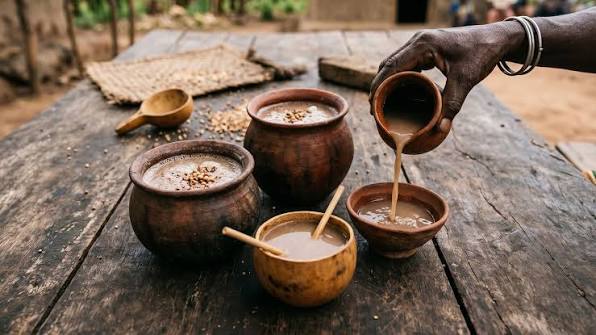
Tonto is a traditional fermented alcoholic beverage made primarily from banana juice.
It is particularly associated with central and western Uganda.
The drink is also known in some communities as mwenge bigere or orubisi, although names and preparation methods vary by region.
Unlike waragi, Tonto is fermented rather than distilled.
How Is Tonto Made?
Traditional production generally involves ripening suitable bananas and extracting their juice.
Roasted sorghum may be added to support fermentation.
The mixture is then allowed to ferment.
Naturally occurring microorganisms convert sugars into alcohol and other compounds.
The finished drink may appear cloudy and have a fruity, slightly sour flavour.
Its alcohol concentration depends on the ingredients, fermentation conditions and preparation method.
3. Waragi vs Tonto: Main Differences
Although both drinks are part of Uganda’s beverage culture, they are prepared differently.
| Feature | Waragi | Tonto |
|---|---|---|
| Drink type | Distilled spirit | Fermented banana beverage |
| Main ingredients | Vary; may include bananas, cassava or molasses | Banana juice, often with sorghum |
| Preparation | Fermentation followed by distillation | Fermentation |
| Alcohol strength | Generally higher | Generally lower |
| Appearance | Usually clear | Often cloudy |
| Taste | Stronger alcoholic character | Fruity and mildly sour |
| Availability | Shops, bars and local markets | Traditional gatherings and selected cultural settings |
| Main consideration | Verify producer and alcohol content | Verify hygiene and preparation |
Neither drink should be assumed safe simply because it is traditional or locally popular.
4. How Tonto Fits Into Ugandan Culture
Tonto has a place in traditional gatherings and social activities.
In some communities, people prepare it for family celebrations and cultural occasions.
Banana cultivation has historically supported food and beverage production in several Ugandan regions.
The same agricultural landscape that produces cooking bananas for matoke may also support varieties used in beverage preparation.
Traditional Preparation and Community Life
Producing Tonto can involve several people.
Tasks may include harvesting bananas, preparing ingredients and managing fermentation.
Recipes and techniques are sometimes passed between generations.
For visitors, learning about these methods can be an interesting cultural experience even without drinking the finished product.
5. Where Can Travellers Find Waragi in Uganda?
Commercial Uganda Waragi is widely available.
Visitors may encounter it in licensed bars, restaurants, hotels and shops.
Kampala
Kampala offers numerous restaurants and licensed establishments serving locally produced and international alcoholic drinks.
Entebbe
Travellers staying near Entebbe International Airport may find commercial waragi in hotels and restaurants.
Fort Portal
Fort Portal provides opportunities to experience western Uganda’s food traditions.
Some cultural experiences may include explanations of traditional beverages.
Rural Communities
Locally distilled drinks may appear during community visits.
However, travellers should avoid consuming spirits of uncertain origin or strength.
6. Where Can You Learn About Tonto?
Tonto is more closely associated with traditional brewing than standard hotel beverage menus.
Visitors interested in its preparation may arrange cultural experiences through reputable local guides.
Community Cultural Visits
Some programmes explain traditional banana farming, food preparation and fermentation.
These activities may include demonstrations of Tonto production.
However, availability varies.
Ask your tour operator whether the experience is offered with the consent and participation of the host community.
Learning about the process does not require drinking the beverage.
7. Is Homemade Waragi Safe?
Homemade distilled alcohol can present serious safety risks when production is poorly controlled.
One concern is methanol contamination.
Methanol is a toxic alcohol that can cause severe poisoning.
Uganda has experienced incidents involving contaminated alcoholic drinks.
Warning Signs of Unsafe Alcohol
Avoid drinks that:
Have no identifiable producer.
Are sold in unlabelled containers.
Have uncertain alcohol strength.
Appear to have been repackaged.
Come from sellers who cannot explain their origin.
Are suspiciously cheap compared with recognised products.
Importantly, methanol contamination cannot reliably be identified through smell, taste or appearance.
Choosing sealed products from reputable licensed manufacturers reduces some risks, although drinking alcohol still carries health risks.
8. What About the Safety of Tonto?
Traditional fermented beverages also require careful preparation.
Poor hygiene can introduce unwanted microorganisms.
Alcohol concentration may vary between batches.
Travellers should avoid consuming drinks when preparation conditions are uncertain.
If you are interested in Tonto, consider a reputable cultural experience that focuses on explaining the production process.
Do not assume that homemade beverages have undergone commercial quality testing.
9. How Strong Are Ugandan Waragi and Tonto?
Alcohol content varies depending on the product.
Commercial waragi bottles display their alcohol by volume, commonly abbreviated as ABV.
Traditional spirits may have inconsistent or unknown strength.
Tonto generally contains less alcohol than distilled waragi, but its concentration depends on fermentation.
Understanding Alcohol Strength
| Drink category | General characteristic |
|---|---|
| Commercial waragi | Labelled spirit with declared ABV |
| Homemade waragi | Strength may be unknown or inconsistent |
| Traditional Tonto | Fermented drink with variable ABV |
| Commercial beer | Usually sold with labelled ABV |
| Non-alcoholic banana drink | Prepared without intentional alcoholic fermentation |
Always read commercial labels rather than assuming alcohol percentages.
There is no completely risk-free level of alcohol consumption.
10. Can You Buy Waragi as a Souvenir?
Some adult travellers purchase sealed commercial spirits as souvenirs.
However, you should check customs and airline requirements before travelling.
Important Travel Considerations
Alcohol allowances vary between countries.
Airlines also apply restrictions to alcoholic beverages carried in checked or cabin baggage.
The rules depend partly on alcohol concentration and packaging.
Keep products in their original sealed containers.
Do not carry unlabelled homemade spirits across international borders.
Confirm the applicable requirements before purchasing.
11. Other Traditional Drinks in Uganda
Uganda has several other traditional beverages.
Some are alcoholic, while others are prepared without alcohol.
Ajon
Ajon is a traditional fermented beverage associated particularly with communities in northern and eastern Uganda.
It is commonly made using millet-based ingredients.
Malwa
Malwa is another traditional fermented grain beverage, with preparation and serving customs varying by community.
Bushera
Bushera is a traditional cereal-based drink associated with western Uganda.
Some versions are fermented, while others are prepared as non-alcoholic beverages.
Fresh Banana Juice
Fresh banana juice provides an option for visitors interested in local banana-based drinks without intentionally consuming alcohol.
Check how it has been prepared and stored.
12. Responsible Drinking During a Uganda Safari
Alcohol can affect judgement, coordination and reaction time.
These effects are particularly concerning during wildlife activities.
Avoid Drinking Before Game Drives
Safari activities require attention to guide instructions and safety rules.
Never Drink Before Gorilla Trekking
Gorilla trekking involves walking through forests, sometimes across steep or slippery terrain.
You should be physically prepared and able to follow ranger instructions.
Stay Hydrated
Uganda’s warm weather can increase fluid needs.
Drink safe water regularly during your journey.
Respect Local Customs
Some communities and religious groups avoid alcohol.
Never pressure another person to drink.
Avoid Drink-Driving
Driving after consuming alcohol creates serious risks.
Use suitable transport arrangements when visiting restaurants or social venues.
13. Can You Enjoy Uganda’s Food Culture Without Alcohol?
Absolutely.
Ugandan food culture includes numerous dishes and non-alcoholic drinks.
Visitors can enjoy matoke, groundnut sauce, luwombo, roasted meat, beans and fresh fruit.
Fresh juices, tea and locally grown coffee are also popular.
Cultural tours can provide opportunities to learn about traditional brewing without consuming alcohol.
This makes food tourism accessible to travellers with different religious, health and personal preferences.
14. Tips for First-Time Visitors
If you are curious about Uganda’s traditional drinks, begin by learning about their ingredients and cultural background.
Choose reputable establishments and avoid unlabelled alcohol.
Ask your guide about appropriate cultural experiences.
If you decide to drink, understand the alcohol content and avoid excessive consumption.
People who are pregnant, under the legal drinking age, taking interacting medicines or advised to avoid alcohol should not consume these beverages.
Most importantly, remember that participation in Uganda’s cultural traditions does not require drinking alcohol.
Ugandan Waragi and Tonto are two distinctive beverages associated with the country’s food culture.
Waragi is a distilled spirit, while Tonto is a traditional fermented banana drink.
Their ingredients, preparation methods and cultural uses reflect Uganda’s agricultural traditions.
Travellers can encounter commercial waragi in licensed establishments and learn about Tonto through suitable cultural experiences.
However, safety remains important, particularly when considering homemade alcoholic drinks with uncertain ingredients or strength.
Understanding these beverages can enrich your appreciation of Uganda’s traditions, whether you choose to taste them or simply learn how they are made.



No comment