
Illegal Wildlife Trade: What Travellers Should Never Buy
Illegal wildlife trade is a serious threat to endangered animals across Africa. During safaris in Uganda, Kenya, Tanzania and Rwanda, travellers may encounter markets selling animal products, traditional crafts, jewellery and unusual souvenirs. While many items are legally produced, others may contain parts of protected wildlife.
Elephant ivory, rhino horn, pangolin scales, animal skins and certain wildlife products are traded illegally despite conservation laws designed to protect vulnerable species.
Some travellers unknowingly contribute to this trade by purchasing souvenirs without understanding where the materials came from.
Even small purchases can encourage demand for products obtained through poaching.
Understanding which wildlife products to avoid, how to recognise suspicious souvenirs and what to do when offered illegal items can help you travel responsibly.
This guide explains the most concerning wildlife products and provides practical advice for shopping safely during your East African safari.
What Is Illegal Wildlife Trade?
Illegal wildlife trade involves capturing, killing, transporting or selling wild animals, plants and their products in violation of applicable laws.
It includes activities such as poaching elephants for ivory, trafficking live reptiles and selling products made from protected animals.
Wildlife trafficking can involve organised criminal networks operating across international borders.
However, smaller illegal transactions also occur in local markets and informal trading environments.
Products may be presented as traditional medicines, decorative objects or cultural souvenirs.
Not every wildlife-derived product is automatically illegal. Some trade is regulated through permits and specific national laws.
Nevertheless, travellers should avoid purchasing products when their species, origin and legal status cannot be verified.
1. Elephant Ivory: Never Buy Tusks or Ivory Carvings
Elephant ivory is among the best-known products associated with wildlife trafficking.
Ivory comes from elephant tusks and has historically been used to manufacture ornaments, jewellery and decorative carvings.
Demand for ivory contributed to severe elephant population declines in several African countries.
Common Ivory Products
Travellers may encounter items such as:
Carved elephant tusks.
Ivory bracelets and necklaces.
Decorative animal figurines.
Small sculptures.
Knife handles containing ivory.
Antique objects advertised as genuine ivory.
Sellers may claim that ivory is old, legally obtained or inherited.
However, verifying such claims can be difficult.
Why You Should Avoid Ivory
Buying ivory can support demand for products associated with elephant poaching.
Ivory trade is also subject to strict national and international restrictions.
Even an antique item may require documentation or be prohibited from crossing borders.
The safest choice is to avoid purchasing elephant ivory entirely.
2. Rhino Horn: Avoid All Products Containing It
Rhinoceros poaching remains a conservation concern in parts of Africa.
Rhino horn is made primarily of keratin, the same protein found in human hair and fingernails.
Despite this, it is sometimes marketed for medicinal purposes or as a valuable luxury product.
There is no credible scientific evidence supporting claims that rhino horn cures serious diseases.
Products to Avoid
Never purchase:
Raw rhino horn.
Powder advertised as rhino horn.
Jewellery containing rhino horn.
Decorative objects made from horn.
Traditional medicines claiming to contain rhino horn.
Even products advertised as small quantities can contribute to demand.
Avoiding these items helps reduce support for illegal wildlife trafficking.
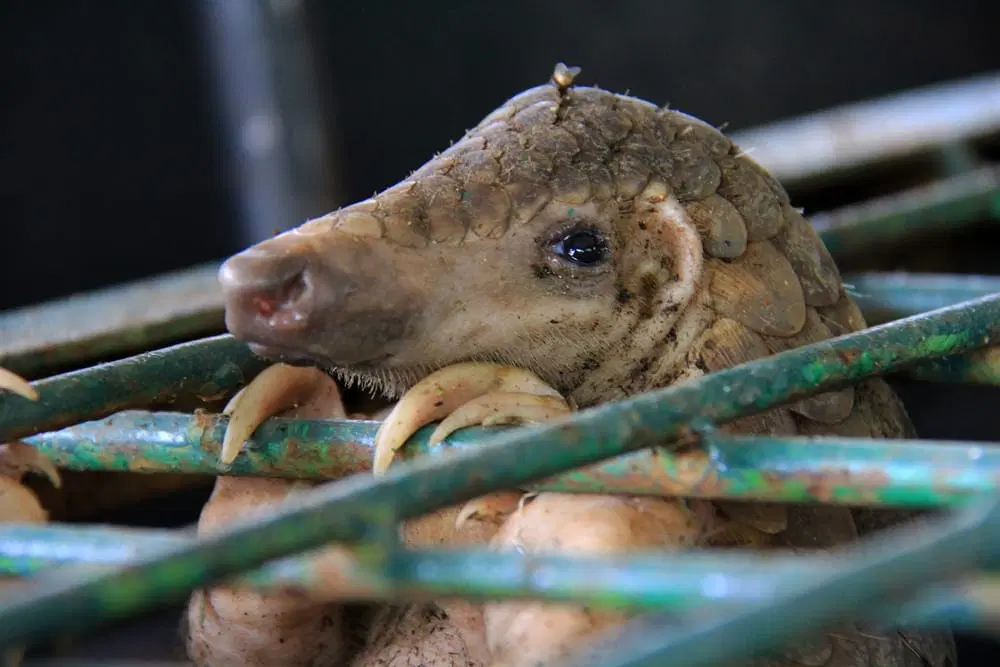
3. Pangolin Scales and Other Pangolin Products
Pangolins are unusual mammals covered in protective scales.
They feed mainly on ants and termites and play important roles in their natural habitats.
However, pangolins are heavily targeted by illegal wildlife trade.
Their scales are sometimes marketed for traditional medicinal use, while their meat may be sold illegally.
Why Pangolins Need Protection
All eight pangolin species are threatened by wildlife trafficking and other pressures.
Their scales consist mainly of keratin and have no established medicinal benefits for the conditions commonly claimed by sellers.
Travellers should avoid purchasing pangolin scales, meat, jewellery or medicines claiming to contain pangolin products.
If you encounter suspicious items, report them through appropriate wildlife authorities.
4. Leopard, Lion and Other Big Cat Products
Big cats attract considerable attention during African safaris.
Unfortunately, their skins, teeth, claws and bones may also appear in illegal wildlife markets.
Some products are advertised as traditional cultural objects.
Others are sold as decorative souvenirs.
Common Products
These may include:
Leopard skin rugs.
Lion claws.
Animal teeth necklaces.
Big cat bones.
Decorative objects made from protected animal parts.
Trade restrictions differ depending on the species, origin and destination country.
However, tourists should avoid purchasing products made from protected big cats.
Choosing wildlife-free souvenirs reduces the risk of supporting illegal hunting.
5. Sea Turtle Shells and Marine Wildlife Products
Travellers visiting coastal destinations such as Zanzibar, Mombasa and the Kenyan coast may encounter marine souvenirs.
Some items are made from shells, coral or other marine materials.
Sea turtle shell products deserve particular caution.
Tortoiseshell Jewellery
Despite the name, traditional tortoiseshell products often come from sea turtles, particularly hawksbill turtles.
They may appear as:
Bracelets.
Earrings.
Hair accessories.
Decorative boxes.
Combs.
Small ornaments.
These products can be difficult to distinguish from imitation materials.
Avoid buying items advertised as genuine turtle shell.
Coral souvenirs also require caution because some coral species are internationally regulated.
6. Live Wild Animals and Exotic Pets
Some travellers encounter people selling live birds, reptiles, monkeys or other wildlife.
These animals may have been captured illegally.
Removing wild animals from their natural habitats can harm populations and cause considerable stress.
Animals You Should Never Purchase Without Verified Legal Authority
Examples include:
Wild parrots and other protected birds.
Monkeys and other primates.
Tortoises and turtles.
Chameleons.
Snakes and other reptiles.
Wild animal eggs.
Even where captive breeding is claimed, reliable documentation is essential.
For ordinary tourists, avoiding live wildlife purchases is the safest option.
7. Wildlife Products Travellers Should Avoid
| Wildlife product | Main concern | Recommended action |
|---|---|---|
| Elephant ivory | Poaching and strict trade restrictions | Do not buy |
| Rhino horn | Illegal trafficking and poaching | Do not buy |
| Pangolin scales | Threatened species and trafficking | Do not buy |
| Leopard skins | Protected wildlife trade | Avoid |
| Lion claws and teeth | Potential illegal wildlife sourcing | Avoid |
| Sea turtle shell | Threatened marine wildlife | Do not buy |
| Certain coral products | Protected species and permit requirements | Avoid unless legality is independently verified |
| Live wild animals | Illegal capture and animal welfare concerns | Do not purchase |
| Unidentified animal products | Unknown species and origin | Leave behind |
This table provides practical guidance rather than a complete list of wildlife trade laws.
8. Understanding CITES and Wildlife Trade Regulations
CITES stands for the Convention on International Trade in Endangered Species of Wild Fauna and Flora.
It is an international agreement that regulates trade in listed wildlife species and their products.
CITES uses different protection categories depending on the species and level of trade concern.
Some international transactions are prohibited for commercial purposes.
Others may be permitted under specific conditions with official documentation.
What Travellers Should Know
A product being openly displayed in a market does not mean you can legally take it home.
Export rules in the country you are visiting may differ from import rules in your home country.
Certain products require permits, while others cannot legally be imported.
Personal souvenir exemptions are limited and vary according to the species and relevant national regulations.
Always check applicable rules before purchasing wildlife-derived materials.
9. How to Recognise Suspicious Wildlife Souvenirs
Illegal products are not always clearly labelled.
Some sellers may use vague descriptions or claim that products are traditional antiques.
Warning Signs
Be cautious when a seller:
Offers ivory or animal horn.
Claims wildlife products have special medicinal powers.
Cannot identify the animal species.
Refuses to explain the product’s origin.
Offers protected animal parts without documentation.
Suggests hiding items inside luggage.
Claims customs officials will not inspect the product.
A seller’s verbal assurance is not sufficient proof of legality.
If you cannot verify a product’s origin, avoid purchasing it.
10. What Should You Do if Someone Offers Illegal Wildlife Products?
Travellers should respond calmly and avoid confrontation.
If someone offers suspected illegal wildlife products, decline the purchase.
Do not attempt to seize the products or investigate the seller independently.
If you believe wildlife trafficking is occurring, report the situation to appropriate authorities.
Depending on your location, this may include national wildlife authorities, park management or police.
Provide factual information such as the location and type of product.
Avoid putting yourself or other travellers at risk.
11. Better Souvenirs to Buy During an African Safari
East Africa offers many attractive souvenirs that do not require products from endangered animals.
Choosing locally made crafts can support artisans and communities.
Responsible Souvenir Options
Consider purchasing:
Handwoven baskets.
Cotton fabrics.
Wooden carvings made from legally sourced timber.
Locally produced pottery.
Beaded jewellery made from non-wildlife materials.
Paintings by local artists.
Reusable bags.
Handmade textiles.
Ask sellers about the materials used.
Where possible, buy directly from recognised craft cooperatives or local artisans.
These purchases can provide economic benefits without encouraging wildlife exploitation.
12. Wildlife Photography as an Alternative to Animal Souvenirs
Photography offers a responsible way to remember encounters with wildlife.
Instead of purchasing an elephant ivory carving, you can photograph elephants during a guided game drive.
A photograph of a leopard resting in a tree can preserve the memory without requiring an animal product.
However, responsible photography remains important.
Avoid approaching animals too closely or disturbing natural behaviour.
Follow park rules and respect your guide’s instructions.
13. How Responsible Tourism Helps Reduce Wildlife Trafficking
Tourism can support wildlife conservation when revenue benefits protected areas and nearby communities.
National park fees may contribute to ranger patrols, monitoring and habitat protection.
Tourism employment can provide alternative livelihoods in areas where illegal wildlife activities threaten conservation.
Choose Responsible Operators
Book with companies that follow wildlife regulations.
Ask whether they support conservation programmes or community tourism initiatives.
Support Local Businesses
Purchase legally produced crafts and services.
Supporting local businesses can help communities benefit from wildlife protection.
Avoid Exploitative Wildlife Experiences
Do not pay for activities involving illegally captured animals.
Be cautious of attractions offering inappropriate handling of wild animals.
Responsible travel decisions can help reduce demand for harmful wildlife products and experiences.
14. Can You Bring Animal Products Home Legally?
Some wildlife products may be legally traded under specific conditions.
However, travellers must consider the laws of both the country of purchase and the destination country.
Official permits may be required before travelling.
For example, certain regulated leather products, shells or wildlife-derived items may require CITES documentation.
A receipt from a shop is not necessarily sufficient.
If you are uncertain, do not buy the product.
Never attempt to conceal wildlife items from customs officials.
Illegal possession, export or import can result in confiscation, fines or criminal penalties.
Illegal wildlife trade remains a serious threat to endangered animals throughout East Africa.
Elephant ivory, rhino horn, pangolin scales, protected animal skins and certain marine wildlife products should never become ordinary holiday souvenirs.
Travellers can help reduce demand by refusing suspicious products and choosing responsibly produced alternatives.
Understanding wildlife trade restrictions also protects you against customs problems and possible legal penalties.
When visiting Uganda, Kenya, Tanzania or Rwanda, support local artisans, follow wildlife regulations and report suspected trafficking through appropriate authorities.
Responsible souvenir shopping is a practical way to support wildlife conservation while enjoying your African safari.




No comment