
Overland Truck Tours in East Africa: Daily Routine and Group Dynamics
Overland truck tours in East Africa offer travellers an affordable and social way to explore several destinations during one journey. These organised adventures use specially adapted trucks to transport groups between national parks, towns, cultural attractions and campsites across countries such as Uganda, Kenya, Tanzania and Rwanda.
Unlike private safaris, overland tours involve travelling with other people, sharing facilities and following a planned group schedule. Many trips include camping, communal meals and participation in everyday camp activities.
You may spend one day watching wildlife in the Serengeti, another exploring a local market and several hours travelling between destinations.
Understanding how overland tours operate helps you prepare for the experience. This guide explains the daily routine, group responsibilities, accommodation arrangements, social expectations and practical advantages of travelling through East Africa in an overland truck.
What Are Overland Truck Tours in East Africa?
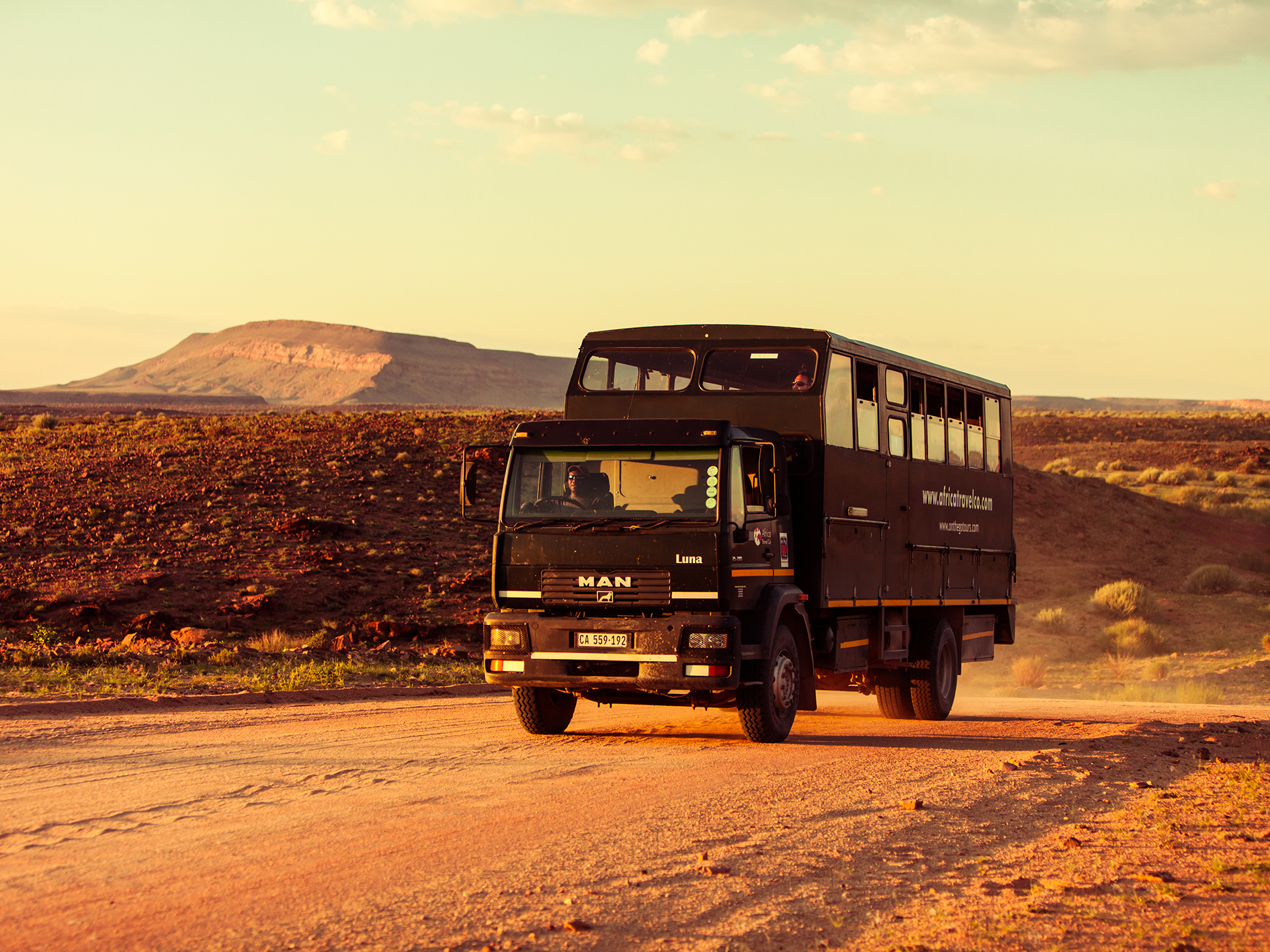
An overland truck tour is an organised journey using a large vehicle designed for long-distance adventure travel.
These trucks usually have elevated passenger seating, luggage storage and space for camping equipment.
Some contain refrigerators, cooking supplies and charging facilities.
The exact features depend on the operator.
Overland tours commonly follow established itineraries covering several destinations.
A journey may include Uganda’s national parks, Kenya’s Maasai Mara, Tanzania’s Serengeti or Zanzibar’s coastal attractions.
Some tours last one week, while others continue for several weeks.
The main attraction is the opportunity to explore multiple destinations while sharing transport and travel arrangements.
What Does a Typical Overland Day Look Like?
Daily schedules depend on the destination, road conditions and planned activities.
However, many camping-based tours follow a similar routine.
Travellers wake early, prepare breakfast, pack equipment and begin travelling.
During the day, the group may stop for sightseeing, meals or wildlife activities.
After reaching the next campsite, everyone prepares for the evening.
Typical Daily Schedule
| Time | Common activity |
|---|---|
| 6:00 am | Wake up and prepare personal belongings |
| 6:30 am | Breakfast and campsite cleaning |
| 7:30 am | Depart for the next destination |
| 10:00 am | Refreshment or sightseeing stop |
| 12:30 pm | Lunch |
| 2:00 pm | Continue travelling or participate in activities |
| 5:00 pm | Arrive at accommodation |
| 6:00 pm | Set up camp and prepare dinner |
| 7:30 pm | Dinner and group briefing |
This schedule is only an example.
Wildlife drives, border crossings and long-distance transfers may require earlier departures.
Early Morning Responsibilities
Overland travel often begins before sunrise.
You may need to pack your sleeping bag, dismantle your tent and prepare your luggage before breakfast.
Most operators expect passengers to manage their personal belongings.
If the tour uses participation camping, travellers also help complete shared tasks.
These may include preparing breakfast, washing dishes and loading equipment.
Completing your responsibilities on time helps prevent delays.
A useful habit is preparing your clothes and daypack the previous evening.
Travelling Inside the Overland Truck
Overland trucks are designed for longer journeys on varied road surfaces.
They generally provide elevated seating and large windows.
However, comfort levels differ between vehicles.
Some roads in East Africa are smooth, while others contain potholes, gravel or uneven surfaces.
Long journeys may feel tiring.
Keep your seatbelt fastened whenever the vehicle is moving, where fitted and required.
Store loose belongings securely.
Avoid leaving heavy objects on overhead shelves where they could fall.
Managing Long Driving Days
Some itineraries involve travelling for six to eight hours or longer.
Distances may appear short on a map, but road conditions can increase journey times.
Border procedures and unexpected delays may also affect the schedule.
Carry water, snacks and something to read.
A small travel pillow can improve comfort.
If you experience motion sickness, prepare suitable medication after seeking appropriate advice.
Use scheduled stops to stretch your legs.
Avoid expecting every travelling day to include several major attractions.
Camping on an East African Overland Tour
Camping is common on budget overland journeys.
Operators may provide tents, sleeping mats and cooking equipment.
However, some require travellers to bring their own sleeping bags.
Facilities vary between campsites.
Some locations provide hot showers, electricity and restaurants.
Others have basic toilets and limited washing facilities.
Camping Facilities Compared
| Facility | Established campsite | Basic campsite |
|---|---|---|
| Toilets | Usually available | May be basic |
| Showers | Often available | May be limited |
| Electricity | Sometimes available | Often unavailable |
| Food preparation | Designated areas | Basic arrangements |
| Wi-Fi | Occasionally available | Rare |
| Sleeping arrangements | Tents or rooms | Usually tents |
Check accommodation details before booking.
Understanding Participation Camping
Participation camping means travellers assist with everyday camp responsibilities.
Instead of relying entirely on staff, the group shares selected tasks.
These duties are usually organised by the tour leader.
You may help prepare vegetables, wash dishes or organise camping furniture.
The work should be manageable for most participants.
However, travellers with mobility limitations should discuss requirements before booking.
Common Group Duties
| Responsibility | Typical tasks |
|---|---|
| Kitchen team | Assist with food preparation |
| Cleaning team | Wash dishes and tidy shared areas |
| Equipment team | Arrange chairs, tables and camping supplies |
| Tent responsibilities | Set up personal sleeping areas |
| Truck cleaning | Keep shared passenger areas tidy |
Tasks often rotate to distribute responsibilities fairly.
Meals During Overland Tours
Meals are an important part of group travel.
Breakfast may include porridge, bread, eggs, fruit or tea.
Lunch is often prepared during a travelling break.
Dinner may include rice, pasta, vegetables, meat or other suitable dishes.
Some operators employ cooks, while others involve travellers in meal preparation.
Food supplies are sometimes purchased from local markets.
If you have allergies or dietary restrictions, inform the operator before departure.
Do not assume every remote campsite can provide specialised ingredients.
Understanding Group Dynamics
Travelling with a group requires flexibility.
Participants may come from different countries, cultures and age groups.
Some enjoy frequent conversation, while others prefer quiet time.
Different personalities can make the journey interesting, but disagreements occasionally occur.
Respecting other people’s preferences helps maintain a comfortable atmosphere.
Avoid expecting everyone to follow your personal routine.
The tour leader usually coordinates group decisions and addresses operational concerns.
Sharing Space With Other Travellers
An overland truck has limited personal space.
You may spend several hours sitting close to other passengers.
Keep your belongings organised.
Avoid spreading bags across neighbouring seats.
Use headphones when listening to music or watching videos.
If you need personal time, explain this politely.
Most travellers understand that spending several weeks together requires occasional quiet periods.
Managing Group Disagreements
Disagreements may involve departure times, noise, seating arrangements or shared responsibilities.
Small problems can become frustrating when people are tired.
Address concerns calmly and directly.
Avoid discussing another traveller negatively with the rest of the group.
If an issue continues, speak privately with the tour leader.
Remember that the itinerary must accommodate everyone’s needs within practical limits.
Making Friends During an Overland Tour
One advantage of overland travel is the opportunity to meet people with similar interests.
Shared meals, wildlife sightings and group activities create natural opportunities for conversation.
Solo travellers often find overland tours particularly convenient because transport and accommodation arrangements are organised.
However, friendship should develop naturally.
You do not need to participate in every social activity.
Respect personal boundaries and avoid pressuring others to join conversations or evening entertainment.
Comparing Overland Tours and Private Safaris
| Feature | Overland truck tour | Private safari |
|---|---|---|
| Transport | Shared truck | Private vehicle |
| Itinerary | Mostly fixed | More flexible |
| Accommodation | Often camping | Selected lodges or camps |
| Group size | Usually larger | Your travelling party |
| Daily responsibilities | May include camp duties | Usually handled by staff |
| Social experience | Strong group interaction | More personal |
| Cost sharing | Shared group expenses | Fewer people sharing costs |
Overland tours are generally suitable for travellers who enjoy social adventures and organised itineraries.
Private safaris may be preferable when flexibility and personal space are priorities.
Border Crossings During Multi-Country Tours
Some overland journeys cross international borders.
For example, an itinerary may include Uganda, Kenya and Tanzania.
Border procedures can take time.
Travellers must carry valid passports and meet the entry requirements for every country.
Visa arrangements depend on nationality and destination.
Check requirements before departure.
Keep essential documents accessible rather than packing them inside difficult-to-reach luggage compartments.
Follow your leader’s instructions during immigration procedures.
Wildlife Viewing on Overland Safaris
Overland itineraries often include national parks and wildlife reserves.
Depending on the operator and destination, game drives may use the main truck or separate safari vehicles.
Some protected areas require specific vehicles or locally arranged guides.
Wildlife sightings depend on animal movements, weather and available time.
Avoid expecting every game drive to produce sightings of particular animals.
Follow park regulations and remain inside the vehicle unless your guide permits otherwise.
What to Pack for an Overland Truck Tour
Packing efficiently improves comfort.
Soft-sided bags are often easier to store than large hard suitcases.
Bring clothing suitable for warm days and cooler evenings.
Essential Packing Checklist
| Item | Purpose |
|---|---|
| Soft travel bag | Convenient storage |
| Small daypack | Daily essentials |
| Sleeping bag | Camping comfort |
| Warm jacket | Cool mornings |
| Raincoat | Rain protection |
| Torch | Campsite lighting |
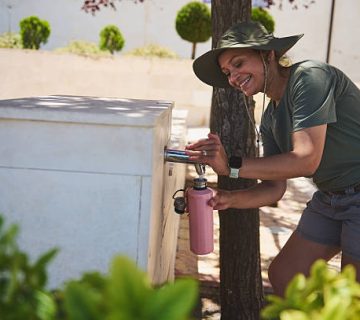
| Reusable water bottle | Hydration |
| Personal medication | Individual health needs |
| Power bank | Device charging |
| Earplugs | Sleeping comfort |
Confirm luggage restrictions before travelling.
Budgeting for an Overland Adventure
The advertised tour price may not include every expense.
Optional activities, visas, personal purchases and some meals may cost extra.
Certain tours also use a shared food fund or additional local payment arrangement.
Ask for a complete explanation before booking.
Common Expenses
| Expense | Usually included? |
|---|---|
| Truck transport | Generally included |
| Camping equipment | Often included |
| Sleeping bag | Frequently excluded |
| Selected meals | Depends on itinerary |
| National park fees | Depends on package |
| Visas | Usually separate |
| Optional activities | Often separate |
| Personal spending | Separate |
Avoid comparing tour prices without examining what each package includes.
Choosing the Right Overland Tour
Before booking, consider your preferred travel style.
Ask about group size, passenger age restrictions, accommodation standards and daily participation requirements.
Find out how many nights involve camping.
Confirm the longest expected driving days.
You should also ask whether the itinerary includes sufficient time at major destinations.
A cheaper journey may involve more driving and fewer activities.
Choose an operator that provides clear information about transport, accommodation, safety and additional costs.
Overland truck tours in East Africa provide an organised way to explore several countries while sharing the experience with other travellers.
Daily routines usually involve early departures, long driving periods, group meals and shared camping responsibilities.
The social experience can be rewarding, particularly for solo travellers and visitors who enjoy meeting new people.
However, successful group travel requires patience, cooperation and respect for different personalities.
By understanding the routine, packing carefully and choosing a suitable itinerary, you can enjoy an overland adventure through East Africa with realistic expectations.

No comment