
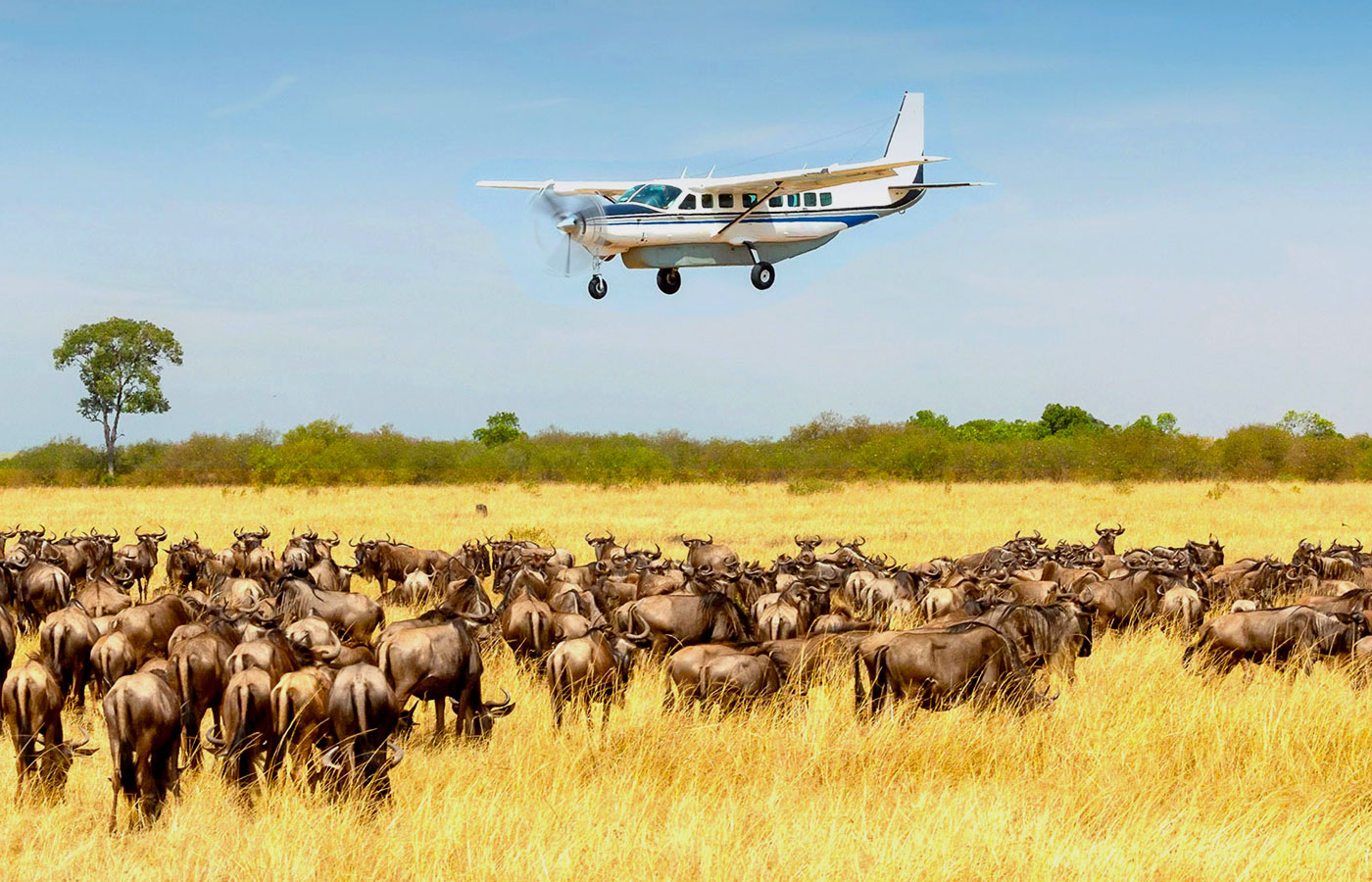
How early should you arrive at the airport for a bush flight?
arriving at the airport at the right time is an important part of planning a bush flight in east africa. unlike a long-haul international journey, a bush flight usually involves a small aircraft, a regional airport or airstrip, limited check-in facilities, and strict baggage restrictions. these differences affect how early you should arrive and what you need to do before boarding.
for most scheduled bush flights, arriving 60 to 90 minutes before departure is a sensible starting point when the operator has not given you a different instruction. some flights departing from major airports require more time, while certain lodge transfers or charter flights may use a shorter check-in window arranged directly with the operator. the most reliable rule is to follow the exact reporting time on your ticket or in the flight operator’s instructions.
whether you are flying from Nairobi to the Masai Mara, from Arusha to the Serengeti, or from Entebbe to a remote destination in Uganda, arriving early helps you complete check-in, have your baggage weighed, receive boarding instructions, and deal with unexpected changes without unnecessary pressure.
Why bush flights have different arrival requirements
bush flights operate differently from most commercial airline services. many use small aircraft designed for short runways, remote airstrips, and connections between national parks, wildlife reserves, and safari lodges. these aircraft have fewer seats and less baggage capacity than larger passenger planes.
the airport or departure point may also have fewer facilities. a busy international airport normally has clearly marked check-in counters, security lanes, airline desks, restaurants, and passenger information screens. a small domestic terminal or safari flight lounge may have a simple check-in desk, a waiting area, and limited staff.
this does not mean that bush flights are always complicated. the process can be quick when everything is arranged properly. however, the operator may need to verify passenger details, weigh each bag, confirm the final passenger list, and coordinate with the airstrip or destination lodge before departure.
small aircraft also have specific weight and balance requirements. the crew needs accurate information about passenger and baggage weights to determine whether the aircraft can operate safely within its approved limits. this makes check-in procedures especially important.
arriving early gives the operator time to complete these tasks. it also gives you a chance to ask questions about your destination, luggage, connecting transfers, and the expected arrival arrangements.
How early should you arrive for different types of bush flights?
the right arrival time depends on the airport, the flight operator, and the type of journey you are taking. the following guidelines are useful for planning, but they do not replace the reporting time specified by your airline or charter company.
Scheduled domestic bush flights
for a scheduled domestic safari flight, aim to arrive around 60 to 90 minutes before departure unless the operator specifies another time. this is generally a practical buffer for checking in, weighing baggage, receiving boarding instructions, and finding the correct departure area.
some operators may require passengers to report earlier, particularly at larger airports or when several flights depart close together. others may have a shorter reporting window at a small airport with a straightforward check-in process.
if you are departing from Wilson Airport in Nairobi, for example, confirm the reporting time with your airline before travelling to the airport. Wilson handles many domestic and safari-related flights, but individual operators can have different procedures.
the same principle applies to domestic bush flights in Tanzania, Uganda, and Rwanda. never assume that the reporting time for one operator applies to another, even if both use small aircraft.
Charter flights
private charter flights may offer more flexibility because the schedule and passenger arrangements are often coordinated directly with the operator. however, a private flight does not automatically mean you can arrive a few minutes before departure.
the charter company may need to complete passenger checks, confirm baggage weights, review flight details, and coordinate access to the aircraft. the aircraft may also be scheduled for another flight after yours, so delays can affect the wider operating schedule.
ask the charter company for the exact time you should report. depending on the airport and arrangements, it may recommend arriving 30 to 60 minutes before departure, or earlier where airport procedures require it.
if you are travelling with a group, make sure everyone understands the agreed reporting time. one late passenger can delay the entire departure, particularly when the operator is coordinating several vehicles, flights, or lodge transfers.
Bush flights connecting with international flights
if your bush flight connects with an international departure, you need to plan for both flights rather than considering the bush flight in isolation.
for example, you might fly from the Masai Mara to Nairobi and then connect to an international flight departing from Jomo Kenyatta International Airport. the two airports serve different purposes, and travelling between them can take time depending on traffic and the transfer arrangements.
do not assume that your bush flight will arrive early enough to make a tight international connection. weather, operational requirements, passenger loading, and other factors can affect departure or arrival times.
when the flights are booked separately, the international airline may not protect you if a delay causes you to miss the onward departure. allow a substantial buffer, and consider an overnight stay in the departure city when the international flight is important or expensive to change.
if both flights are part of a coordinated booking, ask the responsible operator or travel adviser what happens if the bush flight is delayed. even when the arrangements are linked, you should understand the connection time and any transfer requirements.
Flights departing from international airports
some safari itineraries begin with a domestic or charter flight departing from an international airport. in this case, the airport’s own procedures can influence how early you need to arrive.
if your bush flight departs from a large airport, check whether you must enter a particular terminal, complete security screening, or report at a dedicated domestic check-in counter. allow additional time if you are unfamiliar with the airport or need to transfer between terminals.
the fact that your flight is domestic does not mean that international airport procedures are irrelevant. access restrictions, traffic around the terminal, security checks, and walking distances can all affect the time needed to reach the departure point.
What happens when you arrive at the airport?
understanding the usual process helps you decide how much time to allow. although procedures differ by operator, most bush flight departures involve several straightforward steps.
Checking in and confirming your passenger details
when you arrive, locate the correct airline or charter desk and present the required travel documents. the operator may ask for your booking confirmation, passport, identification, or other details depending on the route and local requirements.
check that the passenger names on the booking match the identification documents you are carrying. if you are travelling across a national border, confirm that you have the required passport validity, visas, permits, and entry documents for your destination.
for domestic flights, the documentation requirements may be simpler, but you should still carry the identification requested by the operator.
if you are unsure where to check in, contact the operator before the day of travel. small aviation facilities do not always have the same signage or passenger information systems as major international terminals.
Weighing your luggage
baggage weighing is one of the most important parts of the bush flight check-in process. small aircraft have limited payload capacity, and the operator must ensure that the total weight remains within the aircraft’s approved operating limits.
many safari flights impose strict luggage allowances, sometimes using soft-sided bags instead of hard suitcases. the permitted weight can vary by airline, aircraft, route, and booking class. some operators also include hand luggage in the total allowance.
do not rely on a baggage allowance you saw online for a different airline or destination. check the specific rules for your flight and confirm whether camera equipment, binoculars, laptops, and personal items count toward the limit.
if your bag is overweight or unsuitable, the operator may require you to repack, remove items, or arrange alternative luggage storage. these problems can take time to resolve, especially if the aircraft is already being prepared for departure.
weigh your bags at home before leaving for the airport. if your safari involves several bush flights, check the allowance for every sector because different aircraft may have different restrictions.
Receiving boarding instructions
after check-in, staff will tell you where to wait and when to board. at some small airports, passengers may walk a short distance to the aircraft with a staff member. at others, a vehicle may transfer passengers to a separate apron or boarding area.
follow the instructions provided by airport and airline personnel. do not walk toward an aircraft or enter a restricted area without permission, even if the plane appears close to the waiting area.
boarding arrangements may be informal compared with those at a large commercial airport, but safety procedures still apply. listen carefully to any instructions about seating, seat belts, baggage placement, and movement around the aircraft.
Why arriving too late can cause problems
a late arrival can create more difficulties on a bush flight than you might expect. the aircraft may have only a small number of seats, and the operator may need to complete passenger and weight calculations before the aircraft can depart.
check-in deadlines are not always flexible. if you arrive after the reporting cut-off, the operator may have already closed the passenger list or completed departure preparations. you could be refused boarding even if the aircraft is still at the airport.
missing a bush flight can affect the rest of your safari. your next transfer may depend on that flight, a lodge may be expecting you for lunch or an afternoon activity, and another flight may not be available until later in the day.
in some remote areas, there may be limited alternative transport. driving to a lodge that normally takes 30 minutes by air could require several hours on the road, if a suitable road route is available at all.
late arrival can also create additional costs. depending on the booking terms, you may need to pay for a replacement flight, a road transfer, an extra night of accommodation, or changes to later arrangements. whether these costs are covered depends on the cause of the missed flight and the conditions of your booking.
the safest approach is to treat the reporting time as a firm requirement, not a suggestion. arrive with enough time to complete the necessary checks without rushing.
Can you arrive too early for a bush flight?
arriving early is usually better than arriving late, but reaching the airport several hours before departure may not always be useful.
small airports and remote airstrips often have limited passenger facilities. there may be no restaurant, lounge, shops, or comfortable indoor waiting area. some charter departures also use facilities that are accessible only shortly before the scheduled flight.
if you arrive three hours early for a flight that only requires passengers to report one hour beforehand, you may spend most of that time waiting. this is not necessarily harmful, but it may be inconvenient if you have come directly from a safari lodge or have limited time in the departure city.
the best strategy is to confirm the required reporting time and plan to arrive with a reasonable buffer. if you are unfamiliar with the airport, travelling with children, or carrying unusual equipment, add extra time rather than relying on the minimum.
for flights departing from busy airports, allow additional time for traffic, parking, finding the terminal, and security. for a small airstrip transfer arranged by a lodge, ask whether your driver will take you directly to the departure point and whether the operator has a specific arrival procedure.
How airport location affects your arrival time
your travel time to the airport is just as important as the time you spend inside it. a recommendation to arrive 60 minutes before departure does not include the journey from your hotel or lodge.
in Nairobi, traffic can be unpredictable, particularly during busy commuting periods or when roadworks and incidents affect major routes. if you are departing from Wilson Airport, check the likely road conditions and leave enough time to reach the correct terminal.
in Arusha, passengers travelling from hotels or lodges should account for road traffic and the distance to the departure airport. if your itinerary begins outside the city, ask your safari operator to estimate the transfer time based on your actual accommodation.
in Uganda, passengers travelling from Entebbe accommodation should consider the distance to Entebbe International Airport and possible traffic along the approach roads. if you are staying in Kampala before an early flight, arrange transport well in advance and confirm when the driver will collect you.
in Rwanda, the journey from Kigali accommodation to the airport may be relatively straightforward in some circumstances, but you should still allow time for traffic, check-in, and airport procedures.
for remote safari destinations, the transfer from a lodge to an airstrip may involve an unpaved road or a long drive through a conservation area. your lodge or tour operator should coordinate the timing so that you reach the correct airstrip before the flight’s reporting deadline.
always distinguish between the time you must be at the airport and the time you should leave your accommodation. planning only the first part can lead to an unnecessarily stressful departure.
What if your bush flight departs from a remote airstrip?
not every bush flight begins at a conventional airport. in safari regions, aircraft may depart from small airstrips near national parks, wildlife reserves, and lodges.
these airstrips may have a simple shelter or basic waiting area rather than a formal terminal. depending on the location, staff may check passengers and luggage shortly before boarding, and there may be no separate security or check-in counters.
even when the facilities are simple, you should not assume that you can arrive whenever you like. the operator may have a fixed passenger reporting time, and the aircraft may be operating several stops along a route.
some flights collect passengers from different airstrips. the schedule can be arranged around several lodge transfers, so a delay at one location may affect other passengers and subsequent sectors.
confirm the exact airstrip name and location with your lodge or tour operator. safari destinations sometimes have more than one airstrip, and the names can sound similar. make sure your driver is taking you to the correct departure point.
if your accommodation is responsible for the transfer, ask when you should be ready and whether staff will accompany you to the airstrip. follow their instructions and remain in the designated waiting area until the crew or ground staff directs you to board.
How to prepare before leaving your accommodation
good preparation reduces the time you need at the airport and lowers the chance of a check-in problem.
Confirm your departure details the day before
check your ticket or itinerary for the departure time, reporting time, airport name, terminal, and any special instructions. if the flight is operated by a company different from the one that arranged your safari, confirm which company you should contact.
ask whether the flight time has changed and whether your lodge transfer is still scheduled as planned. bush flights can be affected by weather, operational requirements, and changes to safari arrangements, so it is sensible to reconfirm important details.
if you are uncertain about the departure point, request clear directions or the name of the airport or airstrip. do not rely only on a general destination name.
Pack according to the operator’s baggage rules
use the recommended type of bag and keep the total weight within the permitted allowance. soft-sided luggage is often preferred because it is easier to fit into the limited baggage compartments of small aircraft.
place essential items such as travel documents, medication, valuables, and items you need during the flight in an accessible personal bag, provided that the operator allows it. remember that personal baggage may also be subject to weight and size restrictions.
if you are carrying large camera lenses, a tripod, specialist equipment, or other bulky items, tell the operator before departure. unusual baggage can affect loading and may require prior approval.
avoid waiting until you reach the check-in desk to discover that your luggage exceeds the allowance. repacking at the airport can be inconvenient, and some remote departure points may not provide suitable storage facilities.
Keep documents accessible
store your passport or identification, booking confirmation, and any required travel documents somewhere you can reach easily. if you are crossing a border, check the entry requirements for every country on your route.
for a domestic flight, carry the identification requested by the operator even if you do not expect to pass through international immigration. having your documents ready makes check-in faster.
Arrange transport in advance
for an early morning departure, arrange your airport transfer before going to bed. confirm the collection time, the driver’s contact details, and the exact departure location.
if you are leaving a remote lodge, make sure the lodge team knows which flight you are taking. they can help coordinate breakfast, check-out, packed meals, and the transfer to the airstrip.
avoid planning a last-minute taxi journey when you have a fixed reporting deadline. prearranged transport is often more reliable for early departures, particularly when your accommodation is far from the airport.
What should you do if you are running late?
if you realise that you may miss the reporting time, contact the flight operator or your safari coordinator immediately. provide your booking details, explain where you are, and ask whether you can still check in.
do not assume that the flight will wait because you have called. the operator may be unable to delay departure due to aircraft scheduling, weather, airport restrictions, or the needs of other passengers.
if you are travelling with a driver, ask them to take the safest practical route and keep the operator updated. do not encourage reckless driving to make up lost time.
if the flight has already departed or you have missed the check-in deadline, ask about the next available option. depending on the route, the alternatives might include a later scheduled flight, a charter, a road transfer, or a change to your safari itinerary.
check the booking conditions before agreeing to additional charges. the cost and availability of alternatives will depend on the operator, the route, and the circumstances that caused the delay.
if your bush flight connects with an international departure, contact the airline or travel adviser responsible for the onward journey as soon as possible. early communication gives you more time to understand your options.
Does bad weather change the arrival time?
weather can affect bush flights, especially in regions where airstrips are unpaved and visibility or runway conditions influence operations. rain, low cloud, strong winds, and other local conditions may cause a delay or a change in departure arrangements.
however, a weather forecast does not usually mean you should arrive later than the required reporting time. the operator may still need you to check in at the scheduled time while the crew assesses the conditions.
arriving early gives you time to receive updates and ask questions if the flight is delayed. keep your phone charged and ensure that the operator has a working contact number for you.
if the flight is delayed, follow the instructions provided by airline or charter staff. do not leave the airport or airstrip without confirming whether you need to remain available for boarding.
weather-related delays can affect other parts of a safari, particularly when a flight is scheduled to connect with a lodge transfer or activity. if your arrival is delayed, your guide or lodge team can help adjust the arrangements where possible.
Special considerations for families and groups
families travelling with children should consider allowing extra time for check-in, restroom visits, and organising hand luggage. children may need assistance with boarding instructions, seat belts, or carrying small personal items.
check whether the operator has specific rules for infants, child seats, or seating arrangements. if you are travelling with a stroller or bulky child equipment, confirm in advance whether it can be carried.
groups should agree on one reporting time and make sure every passenger knows where to meet. it is usually better to gather at the airport with time to spare than to rely on everyone arriving separately at the last minute.
if a group has different baggage allowances or is carrying shared equipment, organise the luggage before reaching the check-in desk. this helps the operator weigh the bags and resolve any issues efficiently.
for large family groups or organised tours, the safari coordinator should confirm the departure arrangements with the operator. the group may need to report earlier than individual passengers if several bookings, baggage items, or transfer vehicles need to be coordinated.
Common mistakes to avoid
one frequent mistake is assuming that every bush flight follows the same check-in policy. operators differ, and departure requirements can vary even between flights serving the same safari destination. always check the instructions for your specific booking.
another mistake is arriving at the airport at the reporting time rather than allowing for the journey to get there. if you must report 60 minutes before departure, arriving at the airport exactly 60 minutes before take-off leaves no margin for traffic, parking, or finding the right desk.
travellers also sometimes underestimate baggage restrictions. a large hard-shell suitcase that is accepted on an international flight may not fit into a small aircraft’s baggage compartment. confirm the size and weight limits before packing.
do not assume that a remote airstrip has the same facilities as a major airport. bring water where permitted, keep essential items accessible, and follow any instructions about waiting areas and boarding.
finally, avoid scheduling a tight connection between a bush flight and an important international departure. even when the itinerary looks efficient on paper, delays can occur. a longer connection or overnight stay may be a better choice than risking a missed flight.
A practical arrival-time guide for safari travellers
as a general planning guide, consider the following approach:
for a scheduled domestic bush flight, aim to arrive 60 to 90 minutes before departure unless the operator specifies a different reporting time.
for a private charter, ask the charter company when passengers must report. a shorter window may be possible, but it should be confirmed rather than assumed.
for a flight departing from a major airport, allow additional time for terminal access, security procedures, traffic, and the distance to the correct check-in desk.
for a flight from a remote airstrip, follow the lodge or operator’s instructions closely. the departure point may have simple facilities, but the reporting time still matters.
for a bush flight connecting with an international flight, allow a generous buffer for the onward journey and consider staying overnight if a delay would cause serious disruption.
these guidelines are intended to help you plan, not to replace the operator’s rules. your ticket, booking confirmation, or direct instructions from the airline or charter company should determine the final reporting time.
Make your bush flight part of a smooth safari journey
a bush flight can save hours of driving and make it possible to reach remote wildlife destinations efficiently. with a little preparation, the airport process is usually straightforward: arrive at the correct departure point, check in on time, have your luggage ready for weighing, and follow the crew’s instructions.
before travel, confirm the reporting time, baggage allowance, airport or airstrip location, and transfer arrangements. allow extra time for unfamiliar airports, early departures, family travel, and connections with international flights.
for most scheduled bush flights, 60 to 90 minutes before departure is a useful starting point, but the operator’s stated reporting time takes priority. arriving with a sensible buffer gives you more control over the journey and helps you begin your safari calmly.







No comment