
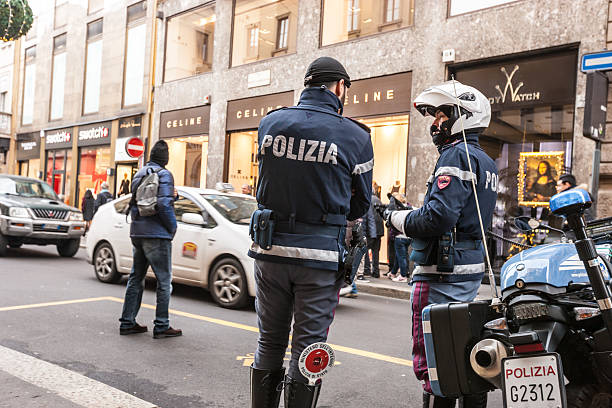
Police Checkpoints on East African Roads: What to Carry and How to Respond
Police checkpoints on East African roads are a common experience for travellers exploring Uganda, Kenya, Tanzania and Rwanda. Whether travelling between national parks, driving a rental vehicle or joining an organised safari, visitors may encounter traffic officers conducting routine inspections.
These checkpoints are used to check driving licences, vehicle insurance, roadworthiness, passenger safety and compliance with traffic regulations. Some are also established for broader security purposes.
For first-time visitors, being stopped by police in an unfamiliar country can feel uncomfortable. However, most routine inspections are straightforward when drivers have the correct documents and cooperate respectfully.
Understanding what to carry, how to respond to officers and how to handle traffic fines can prevent unnecessary delays.
This guide explains how road checkpoints work across East Africa and provides practical advice for safe, responsible safari travel.
Why Are There Police Checkpoints in East Africa?
Police checkpoints help authorities enforce traffic regulations and maintain road security.
Officers may inspect private cars, safari vehicles, buses, trucks and motorcycles.
Common Reasons for Checkpoints
| Reason | What officers may check |
|---|---|
| Driver identification | Valid driving licence |
| Vehicle registration | Ownership documents |
| Insurance | Valid motor insurance |
| Road safety | Seat belts and vehicle condition |
| Speed enforcement | Speeding offences |
| Passenger transport | Overloading and safety compliance |
| Security | Identification and lawful inspections |
| Commercial transport | Applicable permits |
A checkpoint does not necessarily mean that the driver has committed an offence.
What Documents Should You Carry?
Having documents organised makes police inspections easier.
Requirements vary by country, vehicle category, nationality and the legal status of the driver.
Essential Road Travel Documents
| Document | Why it matters |
|---|---|
| Passport or recognised identification | Confirms identity |
| Visa or immigration status | Confirms permission to stay |
| Driving licence | Confirms driving authorisation |
| International Driving Permit | Required or recommended in certain circumstances |
| Vehicle registration | Identifies the vehicle |
| Insurance certificate | Demonstrates valid cover |
| Rental agreement | Confirms permission to use a hired vehicle |
| Inspection certificate | Required for applicable vehicles |
| Cross-border authorisation | Relevant to international journeys |
Drivers should check the exact legal requirements before departure.
Police Checkpoints in Uganda
Uganda has traffic police operations along major highways connecting Kampala, Entebbe and regional destinations.
Safari travellers may encounter inspections while travelling towards Murchison Falls, Queen Elizabeth, Kibale or Bwindi.
What Uganda Traffic Police May Check
Officers may request the driver’s licence, vehicle registration, insurance and relevant inspection documents.
They may also check seat belts, vehicle condition and compliance with traffic laws.
Uganda Checkpoint Advice
Stop when instructed by an authorised officer.
Keep your documents accessible.
Answer questions calmly.
Allow sufficient time for inspections.
Avoid offering unofficial payments.
When issued a legitimate traffic penalty, request the appropriate official payment instructions and receipt.
Police Checkpoints in Kenya
Kenya has regular traffic enforcement along major highways and routes connecting cities with national parks.
Visitors travelling from Nairobi towards Nakuru, Amboseli or the Maasai Mara may encounter police stops.
Common Kenya Road Checks
| Inspection | Purpose |
|---|---|
| Driving licence | Driver authorisation |
| Insurance | Valid vehicle coverage |
| Seat belts | Passenger protection |
| Speed | Traffic law compliance |
| Vehicle condition | Roadworthiness |
| Passenger capacity | Preventing overloading |
Travellers using professional safari drivers can normally allow their guide to handle routine vehicle inspections.
Police Checkpoints in Tanzania
Tanzania has frequent traffic inspections along major roads.
Routes connecting Arusha, Karatu, Moshi and other destinations may involve checkpoints.
Tanzania Checkpoint Procedures
Drivers should carry appropriate licensing, registration and insurance documents.
Tourists driving rental vehicles should also confirm whether additional permits apply.
In Tanzania, legitimate traffic fines are generally handled through official documentation and government payment procedures rather than informal roadside cash demands.
Ask for the official payment control number when applicable.
Police Checkpoints in Rwanda
Rwanda maintains traffic enforcement on roads connecting Kigali with other parts of the country.
Visitors travelling towards Akagera, Lake Kivu, Musanze or Nyungwe may encounter inspections.
Rwanda Road Safety Checks
Police may check driving authorisation, insurance, registration documents and vehicle safety.
Travellers should maintain appropriate identification and cooperate with lawful instructions.
Self-drive visitors should confirm applicable International Driving Permit requirements before renting a vehicle.
How to Respond When Police Stop Your Vehicle
The most important rule is to remain calm and follow lawful instructions.
Step-by-Step Checkpoint Procedure
Reduce speed when approaching the checkpoint.
Stop safely where directed.
Keep your hands visible and avoid sudden movements.
Greet the officer politely.
Explain your journey if asked.
Provide requested documents.
Cooperate with lawful inspections.
Continue only when permitted.
Avoid unnecessary arguments or confrontational language.
A respectful attitude helps prevent misunderstandings.
Should Passengers Carry Their Passports?
Safari passengers may be asked to identify themselves during security or immigration-related inspections.
Carrying appropriate identification is therefore important.
However, visitors should distinguish between carrying original documents and keeping secure copies.
Passenger Document Guide
| Situation | Recommended preparation |
|---|---|
| Ordinary domestic road travel | Accessible passport details or recognised identification |
| Border crossing | Original passport and required immigration documents |
| Domestic flight transfer | Airline-approved identification |
| Police identification check | Follow applicable legal requirements |
| Hotel check-in | Documents requested by accommodation |
Original passports should remain secure but reasonably accessible when legally required.
What About Self-Drive Safari Travellers?
Self-driving offers flexibility but places additional responsibility on the traveller.
Unlike passengers on guided tours, self-drive visitors must personally ensure that the vehicle and documentation meet local requirements.
Self-Drive Checklist
Verify that your licence is valid in the destination country.
Obtain an International Driving Permit where required.
Confirm insurance coverage.
Check vehicle registration documents.
Inspect tyres, lights and seat belts.
Carry the rental company’s contact details.
Understand local speed limits.
Never assume that a foreign driving licence is automatically valid throughout East Africa.
What Happens if Police Find a Traffic Offence?
An officer may explain the suspected violation and issue a penalty through the applicable procedure.
Common offences include speeding, driving without valid insurance and failing to comply with seat belt regulations.
Responding to a Traffic Fine
Ask which regulation was allegedly violated.
Request official written documentation.
Confirm the payment method.
Keep all receipts.
Contact the rental company when necessary.
If you dispute the allegation, use the appropriate formal process rather than arguing at the roadside.
How to Avoid Unofficial Payment Requests
Travellers should never offer bribes to avoid traffic penalties.
If someone requests an unexplained payment, remain calm and request official documentation.
Payment Safety
| Situation | Recommended response |
|---|---|
| Official traffic penalty | Request proper documentation |
| Unclear cash demand | Ask for authorised payment instructions |
| No receipt available | Seek clarification |
| Pressure for personal payment | Request assistance from a supervisor |
| Disputed violation | Follow the formal complaint process |
Do not physically resist or escalate a confrontation.
Your immediate safety is more important than resolving a dispute on the spot.
Can Police Search Your Safari Vehicle?
Police may conduct vehicle inspections or searches under applicable national laws.
The legal grounds and procedures vary between countries and circumstances.
Travellers should cooperate with lawful searches while remaining aware of their rights.
During a Vehicle Inspection
Stay calm.
Follow instructions.
Avoid unnecessary movement.
Ask for clarification when needed.
Do not interfere with officers performing lawful duties.
Where appropriate and safe, record identifying details and report concerns through official channels afterwards.
What if You Do Not Understand the Officer?
Language differences can occasionally create confusion.
English is commonly used in official interactions across East Africa, although local languages may also be spoken.
Communication Tips
Speak slowly and clearly.
Use simple words.
Ask the officer to repeat unclear instructions.
Allow your professional safari guide to assist.
Avoid pretending to understand important instructions.
Remain polite throughout the conversation.
Police Checkpoints at Night
Night-time travel creates additional safety concerns, particularly in remote areas.
Visibility may be limited, and road conditions can become more difficult.
Night Checkpoint Precautions
Reduce speed early.
Observe signs and official instructions.
Avoid sudden manoeuvres.
Keep vehicle doors secured unless instructed otherwise.
Do not argue with unidentified individuals.
If a roadblock appears suspicious, avoid forcing your way through it. Seek assistance through official emergency channels or at a recognised police station when safe.
For ordinary safari itineraries, daytime travel is generally preferable.
Checkpoints Near National Parks
Road inspections may occur along routes leading to wildlife destinations.
Park authorities may also check entry permits, vehicle details and visitor arrangements at protected-area gates.
National Park Entry Checks
| Item | Possible requirement |
|---|---|
| Park entrance ticket | Proof of payment |
| Visitor identification | Registration |
| Vehicle details | Park access records |
| Guide information | Activity authorisation |
| Special permits | Gorilla or chimpanzee tracking |
| Accommodation confirmation | Relevant booking arrangements |
National park entry inspections are different from police traffic checkpoints.
What Should Safari Guides Do?
Professional safari guides are familiar with local road procedures and regularly travel between tourist destinations.
They should ensure that their vehicles meet applicable requirements.
Guide Responsibilities
Maintain valid driving authorisation.
Carry relevant vehicle documents.
Follow speed limits.
Ensure passengers use seat belts.
Respond respectfully to officers.
Avoid unofficial payments.
Explain significant delays to travellers.
Passengers should not normally need to negotiate routine traffic matters when travelling with a professional driver-guide.
Can Checkpoints Delay Your Safari?
Routine inspections are often brief, but delays can occur.
Security operations, traffic enforcement and document problems may extend waiting times.
Travellers should avoid planning extremely tight connections between road transfers and flights.
Planning Advice
Leave adequate time before airport departures.
Keep travel documents organised.
Avoid unnecessary night driving.
Use experienced drivers.
Confirm road conditions before long journeys.
A flexible itinerary makes unexpected delays easier to manage.
Common Mistakes Travellers Should Avoid
Some visitors become impatient during inspections or begin arguing before understanding the officer’s request.
Others travel without appropriate documentation.
Mistakes to Avoid
Driving without valid authorisation.
Leaving important documents at distant accommodation.
Ignoring police instructions.
Offering bribes.
Attempting to photograph sensitive security operations without permission.
Travelling in vehicles without valid insurance.
Speeding to recover lost travel time.
Careful preparation prevents many avoidable problems.
Frequently Asked Questions
Are Police Checkpoints Common in East Africa?
Yes. Routine traffic and security inspections occur across Uganda, Kenya, Tanzania and Rwanda.
Can Police Ask Tourists for Identification?
Yes. Police and other authorised officials may request identification under applicable laws.
Should Tourists Pay Cash Directly to Police?
Do not make unofficial payments. Ask for proper penalty documentation and follow the country’s authorised payment procedure.
Can Police Stop a Safari Vehicle?
Yes. Professional safari vehicles are subject to applicable traffic and security regulations.
Is It Better to Travel With a Safari Guide?
For many international visitors, a professional driver-guide makes unfamiliar road procedures easier to manage.
Handling East African Police Checkpoints
Police checkpoints are a normal part of road travel throughout East Africa.
Visitors travelling through Uganda, Kenya, Tanzania and Rwanda should carry appropriate identification, ensure vehicle documents are valid and respond respectfully to authorised officers.
Self-drive travellers must understand local driving requirements, while passengers on organised safaris can usually rely on their professional guides to handle routine vehicle matters.
The best approach is simple: carry the correct documents, obey traffic laws, remain calm and never offer unofficial payments.
With proper preparation, travellers can continue their East African safari journeys confidently and responsibly.





No comment