
Do Safari Vehicles Have Toilets? Bush Etiquette Explained
Going on an African safari means spending hours exploring national parks, watching wildlife and travelling across open plains, woodland tracks and remote landscapes. For many first-time visitors, one practical question comes up before the trip: do safari vehicles have toilets, and what happens if you need to use one while watching animals in the bush?
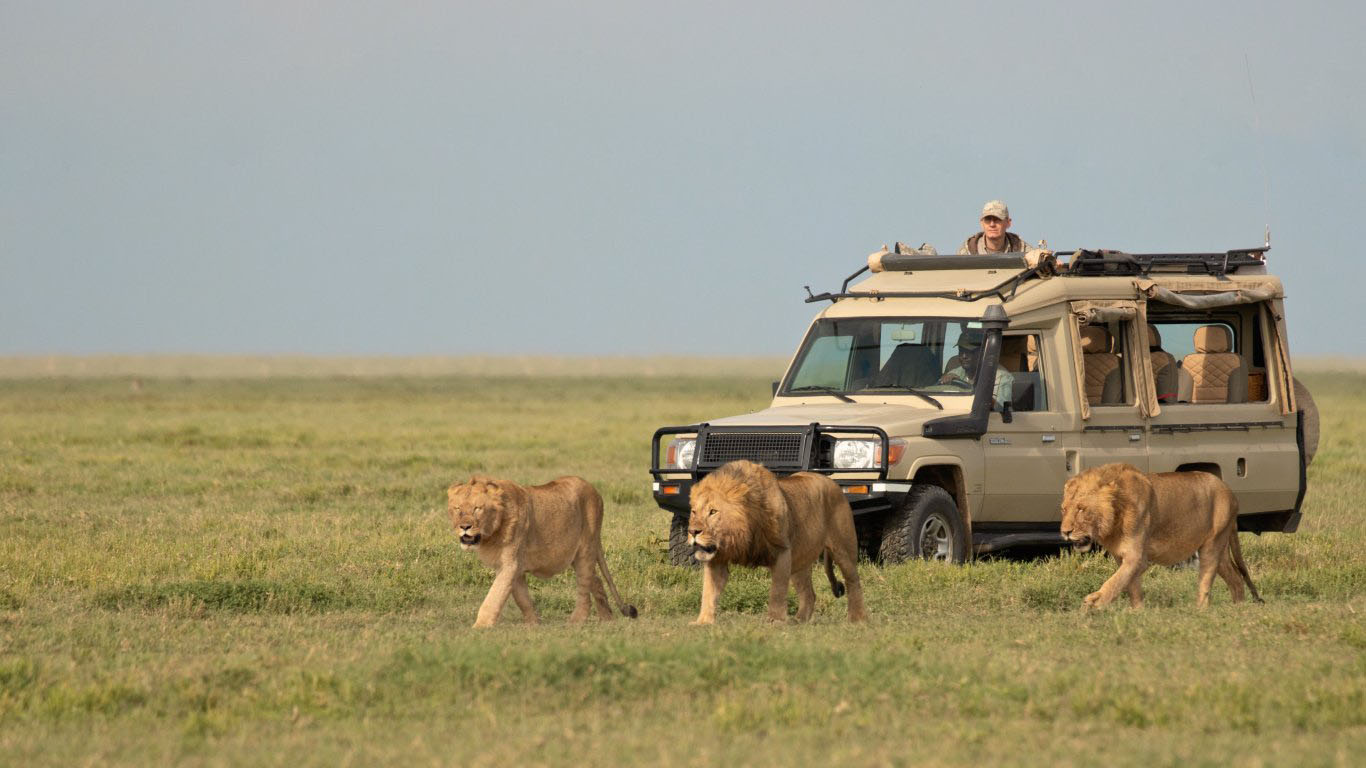
The answer is that most standard safari vehicles in East Africa do not have onboard toilets. Vehicles such as safari Land Cruisers and minivans are designed for wildlife viewing, passenger comfort and access to rough terrain rather than bathroom facilities. Some specialised vehicles or overland safari trucks may have portable or built-in toilets, but these are not standard on ordinary game drives.
Fortunately, needing a bathroom during a safari is completely normal. Guides are accustomed to managing toilet breaks, and there are usually several options depending on the location, the length of the drive and the facilities available. You may use a proper restroom at your lodge, a designated picnic site or park facility, or take a discreet bush break when necessary and permitted.
Understanding how bathroom breaks work, what to carry and how to follow your guide’s instructions will help you enjoy your safari without unnecessary embarrassment or discomfort.
Do Standard Safari Vehicles Have Toilets?
Most standard safari vehicles used for game drives in Uganda, Kenya, Tanzania and Rwanda do not have toilets inside. These vehicles are generally built to provide good visibility, comfortable seating, room for camera equipment and reliable performance on uneven roads.
In Uganda, for example, travellers commonly use four-wheel-drive safari Land Cruisers with pop-up roofs or modified safari vans. In Kenya and Tanzania, open-roof Land Cruisers are also common. These vehicles allow passengers to observe wildlife and take photographs without leaving the vehicle, but they generally lack bathroom facilities.
The same applies to many private safari vehicles used for gorilla trekking transfers, national park excursions and wildlife-viewing trips. A private safari does not automatically mean that the vehicle includes a toilet.
Some specialised luxury vehicles, accessible safari arrangements and long-distance overland trucks may provide portable toilets or other facilities. However, these are exceptions rather than the standard arrangement. If an onboard toilet is essential for your comfort, confirm the exact vehicle specifications with your safari operator before booking.
This is particularly important for travellers with medical conditions, mobility limitations, young children or other needs that make frequent bathroom access necessary. An operator may be able to arrange a suitable vehicle, a shorter game drive or a schedule with regular restroom stops.
Where Do You Use the Toilet During a Game Drive?
Although most safari vehicles do not have toilets, you are not expected to spend an entire safari without a bathroom break. The available options depend on where you are travelling and how far you are from established facilities.
At your lodge or safari camp
The easiest option is to use the bathroom before leaving your accommodation. Most lodges and hotels have conventional toilets, while tented camps may offer en-suite bathrooms or shared facilities, depending on the property and accommodation category.
Morning game drives often begin early, sometimes before sunrise, so it is worth allowing a few minutes to get ready before departure. If your drive will last several hours, tell your guide in advance that you would appreciate a restroom stop along the way.
At designated park facilities
Some national parks have toilets at entrance gates, visitor centres, picnic areas, ranger stations or other designated stopping points. Facilities vary considerably between parks, and some are more basic than others.
A picnic site may have a toilet block, but toilet paper, running water or soap may not always be available. Carrying your own toilet paper and hand sanitiser is therefore a sensible precaution.
Your guide may plan a stop at an established facility during a long game drive, particularly when the route passes a suitable location.
During a bush toilet break
If you are far from a restroom and need to go, your guide may arrange a discreet bush break where local rules and conditions permit. This is a normal part of safari travel, especially in remote wildlife areas.
The guide will assess the surroundings and choose an appropriate location. Depending on the situation, the vehicle may be positioned to provide privacy, or you may be directed to a nearby spot after the guide has checked that it is safe.
Never leave the vehicle independently to find a toilet. Your guide is responsible for assessing wildlife activity, the terrain and the safest available option.
What Is a Bush Toilet?
A bush toilet is an informal bathroom break taken outdoors when there is no suitable toilet facility nearby. The phrase can sound unusual to visitors who have never been on safari, but it is a familiar part of travelling through remote wildlife areas.
A bush toilet does not mean that you can stop anywhere and walk into the vegetation whenever you like. The guide must first determine whether stopping is permitted and whether the surroundings are safe.
In some situations, the guide may position the vehicle so that it provides a screen. In others, a suitable spot behind a tree, rock or other natural feature may be available. The exact arrangement depends on the landscape, wildlife activity, park rules and privacy needs.
Your guide may ask you to remain close to the vehicle and return promptly. This is not simply about keeping the safari on schedule. Large mammals, including elephants, buffalo and lions, can be dangerous, and smaller hazards such as snakes may also be present.
The key rule is to let your guide manage the stop. You do not need to feel embarrassed about asking. Guides regularly deal with bathroom requests from travellers of different ages and backgrounds, and a professional guide will normally handle the situation discreetly.
Is It Safe to Leave the Safari Vehicle?
Leaving a safari vehicle is not something you should do without permission. In many wildlife areas, animals are accustomed to seeing vehicles and may regard them as a single, relatively predictable object. A person standing outside can attract a very different response.
Even when you cannot see dangerous animals, they may be hidden in tall grass, woodland or nearby vegetation. Elephants can move surprisingly quickly, buffalo can be unpredictable and predators may be difficult to spot when resting or concealed.
For this reason, never open the door and walk away simply because you need a bathroom. Tell your guide and wait for instructions.
During a permitted toilet break, the guide will decide when it is appropriate to leave the vehicle, where you should go and how far you should walk. If wildlife approaches or the situation changes, you must follow the guide’s instructions immediately.
There may also be locations where leaving the vehicle is prohibited or where the guide cannot safely arrange an outdoor stop. In that situation, the guide may continue to a designated facility or find another suitable option.
Your comfort matters, but safety takes priority over convenience. A short delay is preferable to taking an unnecessary risk.
How Should You Ask Your Guide for a Toilet Break?
The simplest approach is to ask directly. You can say, “Could we stop at the next toilet, please?” or “I need a bathroom break when it is safe to stop.”
There is no need to apologise repeatedly or feel embarrassed. Bathroom breaks are ordinary human needs, and safari guides understand that long drives can make them unavoidable.
If you know you will need a stop during the morning, mention it before the game drive begins. Your guide can explain whether the route includes toilets and how flexible the schedule is.
If the need becomes urgent, speak up as soon as possible. Do not wait until you are extremely uncomfortable because you are worried about interrupting an animal sighting. Your guide can assess the situation and determine the safest response.
On a private safari, it may be easier to adjust the timing or route, provided park regulations and wildlife conditions allow it. On a shared game drive, the guide may need to consider other passengers, but an urgent bathroom need should still be communicated.
Some guides use light-hearted expressions such as “finding a bush” or “checking the tyres” to refer to a toilet stop. You can use whichever wording feels comfortable, but clear communication is always acceptable.
Bush Toilet Etiquette: What Should You Do?
Bush etiquette is about respecting your fellow travellers, protecting the environment and following safety instructions. A little consideration makes toilet breaks easier for everyone.
Follow your guide’s instructions. Wait until the guide confirms that the stop is safe and tells you where to go. Do not wander off to find a more private location on your own.
Protect your privacy and the privacy of others. The guide will normally try to position the vehicle discreetly. If you are travelling in a shared vehicle, give other passengers privacy and avoid making jokes that might embarrass someone who needs a break.
Keep the stop brief. A toilet break should take only as long as necessary, particularly when the vehicle is in a wildlife area. Return promptly when your guide asks you to.
Leave the environment clean. Do not leave toilet paper, wet wipes, sanitary products, tissues or other rubbish behind. These items can pollute the environment and may be encountered by wildlife. Follow your guide’s instructions for carrying out and disposing of waste appropriately.
Use hygiene products responsibly. Carry hand sanitiser and use it after the break. If water and soap are available, wash your hands properly. Avoid leaving disposable products in the bush or flushing them into toilets that are not designed to handle them.
Respect wildlife at all times. Do not feed animals, approach them for photographs or move towards vegetation because it looks secluded. The guide’s choice of location should determine where you go.
These simple practices protect the destination and help keep the experience comfortable for everyone.
What Should You Carry for Bathroom Breaks on Safari?
You do not need a large toiletry bag for a game drive. A few lightweight items kept in your daypack can make an unexpected stop much easier.
Toilet paper or travel tissues are useful because some park facilities do not provide them consistently. Carry a small quantity in a waterproof pouch to keep it clean and dry.
Hand sanitiser is another useful item, particularly when running water and soap are unavailable. Wet wipes can be convenient, but they should never be left in the bush or flushed unless the facility explicitly allows them.
Travellers who menstruate should carry their preferred sanitary products because supplies may not be available in remote parks. Used products should be wrapped securely and disposed of in an appropriate bin or carried until suitable disposal is possible.
If you take regular medication that affects digestion or urination, keep it accessible and discuss any concerns with your healthcare professional before travelling. Travellers with bowel or bladder conditions may benefit from arranging a more flexible itinerary and discussing their needs privately with the safari operator.
Carry drinking water, but do not deliberately dehydrate yourself to avoid bathroom stops. East African safaris can involve hot weather, dust and long periods outdoors. Maintaining hydration is important for your comfort and wellbeing.
How Can You Avoid Frequent Toilet Stops?
Planning ahead can reduce the likelihood of urgent bathroom requests, although it cannot eliminate them entirely.
Use the toilet at your lodge before departure, especially before an early morning game drive. If your guide explains that the next formal restroom is some distance away, take advantage of a suitable facility before entering a remote area.
Think about how much tea or coffee you drink immediately before the drive. Caffeine can increase urination in some people, so adjusting your routine may help if frequent stops are a concern. However, you should not avoid drinking water in hot conditions simply to reduce bathroom visits.
Pay attention to food and drink choices if your stomach is sensitive. Try familiar meals before long excursions and use safe drinking water. If you develop diarrhoea, vomiting or another illness during your trip, inform your guide or accommodation staff and seek medical advice when appropriate.
For families travelling with children, encourage them to use the toilet before departure and tell the guide if a child may need more frequent breaks. Children may not always recognise the need early enough to give much warning, so planning makes a difference.
Travellers with medical needs should communicate them before the trip. A reputable operator can often help plan shorter drives, regular stops or accommodation with convenient facilities.
Do Luxury Safari Vehicles Have Toilets?
Luxury safaris offer different levels of comfort, but the word “luxury” does not automatically mean that the vehicle has a toilet.
A high-end safari vehicle may have comfortable seats, charging points, bottled water, camera supports, a refrigerator or other conveniences. It may still have no onboard bathroom.
Some specialised vehicles or long-distance overland arrangements may provide a portable toilet, but availability depends on the exact vehicle and operator. Facilities at luxury lodges are generally more extensive than those available during a game drive, yet guests may still need to use designated park facilities or arrange a bush break when away from accommodation.
If an onboard toilet is important, ask specific questions before confirming your booking. Find out whether the toilet is actually inside the vehicle, whether it is available during game drives and whether the arrangement is suitable for your mobility or medical requirements.
It is also worth asking how long the planned drives will last, whether restroom stops are possible and how the operator handles urgent requests in remote areas.
Clear answers before departure will help you choose a safari that matches your expectations rather than relying on the word “luxury” alone.
Are Toilets Available During Gorilla Trekking?
Gorilla trekking in Uganda and Rwanda involves different arrangements from a standard game drive. Trekkers generally travel to a briefing point before entering the forest with guides and trackers. Toilet facilities may be available at the briefing area or at the accommodation before departure, but facilities inside the forest are limited or unavailable.
Before the trek, use the available toilet and ask your guide about the arrangements for the planned route. The duration of a trek is difficult to predict because it depends on where the gorilla family is located and the terrain involved.
Once the trek is underway, you should not leave the group independently to look for a toilet. Follow the guide’s instructions and explain any urgent need so the team can assess the safest and most appropriate response.
Travellers who have concerns about mobility, continence or other medical needs should discuss them with their tour operator well before the trekking date. The operator can explain the physical demands and help determine what arrangements may be possible.
For both gorilla trekking and game drives, preparation and honest communication are more useful than worrying about asking a question that guides hear regularly.
What If You Have a Medical Condition or Mobility Limitation?
Some travellers need more frequent bathroom access because of medication, pregnancy, age, digestive conditions, bladder conditions or mobility limitations. These needs should be discussed with the safari operator before the trip rather than left until the first game drive.
Explain what kind of support you need and ask what facilities the vehicle and accommodation provide. Depending on the destination, the operator may be able to arrange shorter drives, scheduled restroom stops, accessible accommodation or a specialised vehicle with suitable equipment.
Do not assume that a portable toilet will be available unless the operator confirms it. Likewise, do not assume that every park has accessible public toilets along the game-drive route.
A private safari may provide more flexibility than a shared vehicle, but wildlife sightings, road conditions and park regulations can still affect the schedule.
The goal is to plan an itinerary that allows you to enjoy the wildlife comfortably without placing you in a situation where suitable facilities are difficult to access. A professional safari company should treat these questions respectfully and provide clear information about what it can arrange.
How to Prepare for a Comfortable Safari Day
Before leaving your lodge, use the bathroom, refill your water bottle and check that your daypack contains tissues, hand sanitiser and any personal hygiene supplies you may need.
Ask your guide how long the drive is expected to last, whether there are planned stops and where the nearest suitable facilities are likely to be. If you need more frequent breaks, mention this before setting off.
During the drive, communicate early rather than waiting until the need becomes urgent. Be patient if your guide needs time to find a safe place or reach a designated facility. The route may pass through wildlife habitat where stopping is restricted or where animals make it unsafe to get out.
Remember that a safari is not a test of endurance. You are allowed to ask practical questions, request reasonable assistance and plan around your needs. Experienced guides understand that comfort and safety are important parts of a successful trip.
Frequently Asked Questions About Safari Toilets
Can I use the toilet while animals are nearby?
Tell your guide immediately if you need a break. The guide will assess the wildlife situation and decide whether to move, wait or find a suitable facility. Never leave the vehicle without permission.
Should I bring my own toilet paper?
Yes. Carry a small supply because public facilities in remote areas may not always have toilet paper.
Can I ask for a toilet stop during a private safari?
Yes. Private safaris often allow more flexibility, although stops must still comply with park rules and safety requirements.
Are bush toilets common in East Africa?
They are a recognised part of safari travel when formal facilities are unavailable and a safe, permitted stop can be arranged. Your guide will explain the procedure.
Can I request a safari vehicle with a toilet?
You can ask, but availability is limited and depends on the operator and vehicle type. Confirm the exact facilities before booking.
Is it acceptable to stop a game drive because I need the toilet?
Yes. Tell your guide politely and as early as possible. Guides understand that bathroom needs are normal, and they will determine the safest available option.

No comment