
Do You Need to Tip Your Safari Driver-Guide Every Day or at the End?
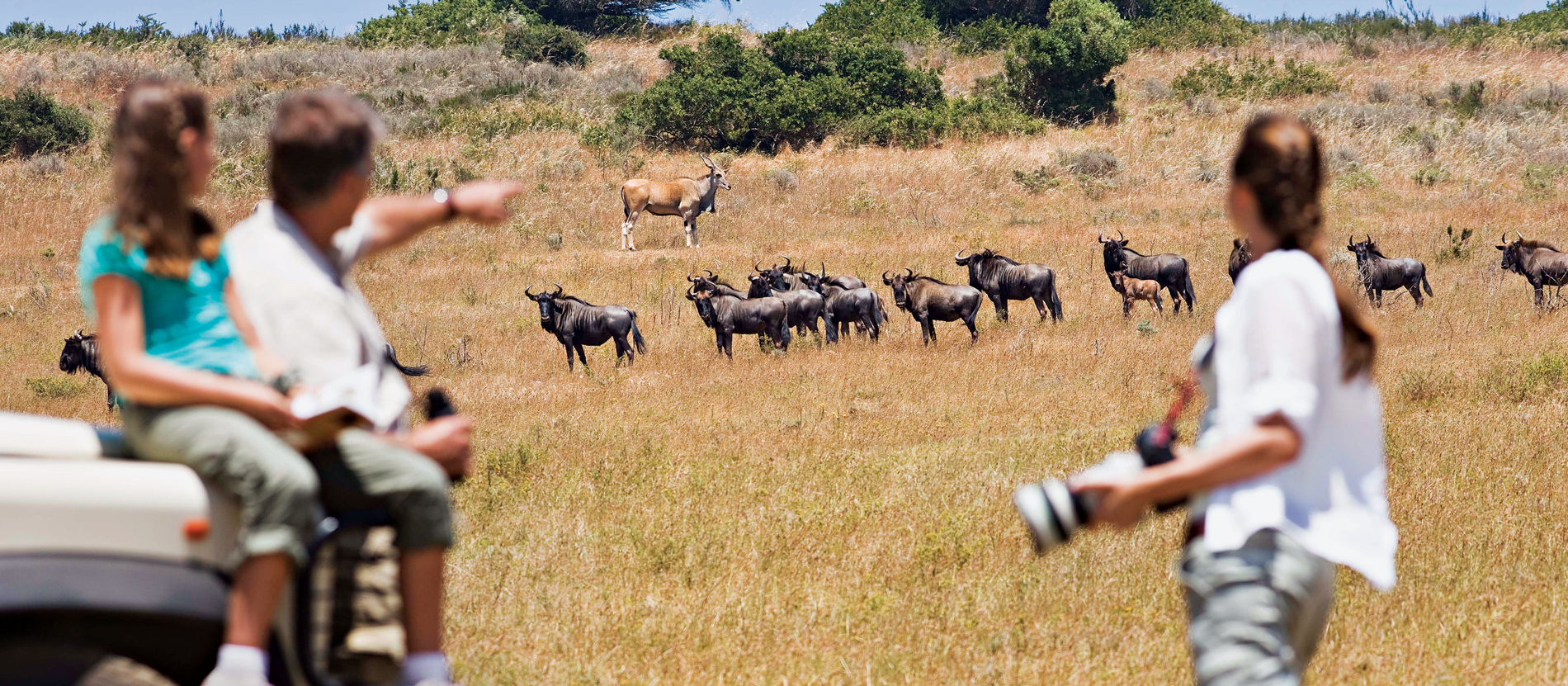
Tipping is a common part of safari travel in East Africa, where driver-guides play an important role in helping visitors explore national parks, locate wildlife, understand animal behaviour, and travel safely between destinations. A good guide often contributes significantly to the overall experience, from organising early morning game drives to sharing knowledge about local wildlife, landscapes, conservation, and culture.
One question many travellers ask before booking a safari is whether they should tip their driver-guide every day or wait until the end of the trip. In most cases, it is best to give your safari driver-guide one tip at the end of the safari or at the end of the period they have guided you, rather than tipping after every game drive. This approach is practical, allows you to assess the overall service, and avoids the inconvenience of repeatedly handling cash.
However, tipping customs vary between countries, safari companies, lodges, and individual arrangements. Some travellers prefer to give a small amount during a longer trip, while others settle the entire gratuity when the guide’s service ends. Understanding these options helps you plan your budget and show appreciation in a way that feels comfortable.
Is It Better to Tip Your Safari Guide Daily or at the End?
For most private safaris, tipping at the end is the simplest and most widely used approach. Your driver-guide may accompany you for several days, travelling between national parks, coordinating game drives, helping with logistics, and answering questions throughout the journey. Rather than calculating a separate tip for each activity, you can consider the overall service and give one gratuity when the guiding arrangement finishes.
For example, if you book a five-day safari in Uganda, your guide might drive you from Entebbe to a national park, organise wildlife viewing, explain animal behaviour, and transfer you to another destination. Giving the tip at the end of the fifth day is generally convenient because you can evaluate the entire experience before deciding on the amount.
The same approach works for multi-day safaris in Kenya, Tanzania, and Rwanda. If the same guide accompanies you throughout the itinerary, a single tip at the end can recognise the service provided over the entire trip.
Daily tipping is not usually necessary. A driver-guide does not generally expect a new gratuity after every morning or afternoon game drive. Repeated tipping can also make it difficult to calculate how much you have given over the course of a longer holiday.
There are exceptions. If a guide works with you for only one day, you can tip at the end of that excursion. If you change guides during a multi-country safari, you can give each guide a separate tip when their service ends. Likewise, if your itinerary includes a specialist guide for a particular activity, such as a nature walk, the tipping arrangement may differ.
The main principle is to tip when the relevant service concludes, rather than feeling obliged to pay after every activity.
Why Do Travellers Usually Tip at the End?
Waiting until the end of the guiding arrangement offers several practical advantages. The first is that it allows you to assess the quality of the service as a whole. A safari involves more than driving between locations. Your guide may need to manage changing road conditions, adjust the day’s route, communicate with lodge staff, answer questions, and help you make the most of wildlife-viewing opportunities.
By waiting until the end, you can consider whether the guide was professional, knowledgeable, punctual, attentive, and helpful throughout the journey.
Another advantage is convenience. Safari itineraries can involve early departures, long drives, boat excursions, border crossings, and transfers between accommodation properties. Keeping track of a separate tip after every activity can become inconvenient, particularly when you are carrying several currencies.
Giving one gratuity at the end also makes budgeting easier. You can estimate the total amount before departure and keep the necessary cash separate from your spending money.
It is also a straightforward way to communicate appreciation. A sincere thank-you accompanied by a tip at the end of the trip allows you to recognise the guide’s contribution without interrupting the safari experience.
Nevertheless, tipping at the end does not mean you must wait until the final day of your entire holiday. If your driver-guide finishes their assignment earlier, you can give the gratuity when you say goodbye to them.
How Much Should You Tip a Safari Driver-Guide?
The appropriate amount depends on the destination, the length of the safari, the quality of the service, your budget, and whether you are travelling privately or in a shared vehicle. There is no universal tipping amount that applies to every safari company in East Africa.
As a general planning guide, some travellers use approximately US$10 to US$20 per person per day for a private safari driver-guide. Higher amounts may be appropriate for exceptional service or for travellers who have the budget to give more. In some circumstances, a different amount may be more suitable, so it is worth checking the tipping guidance supplied by your tour operator.
This range should be treated as a guideline rather than a mandatory charge. Tipping practices can change, and the recommendations of your safari company may differ according to the country and type of trip.
For example, a couple travelling together on a six-day private safari might choose a combined daily allowance for the guide rather than assuming that each person must pay a separate full gratuity. The amount should reflect the operator’s guidance, the service received, and what the travellers can comfortably afford.
If you are travelling alone, your budget may differ from that of a family or group. A private guide may be dedicated to your itinerary regardless of how many passengers are in the vehicle, so it is useful to ask whether the recommended tip is per traveller or per vehicle.
The most important point is that a tip is a gratuity, not an automatic extra fee. You should not feel pressured to give more than you can afford, and a responsible operator should explain its recommendations clearly.
Should You Tip Per Person or Per Vehicle?
This is one of the most important details to clarify before your safari begins. Some tipping recommendations are expressed as an amount per traveller per day, while others refer to a total amount for the guide or vehicle.
If the recommendation is US$15 per person per day, two travellers following that guidance for four days would calculate the amount as follows:
Two travellers × US$15 × four days = US$120.
If the operator instead recommends US$15 per vehicle per day, the same couple would calculate a total of US$60 for four days.
The difference is substantial, which is why it is important to understand the basis of the recommendation before setting your budget. Never assume that an amount quoted per person is automatically a vehicle-wide amount, or that a vehicle-wide amount must be multiplied by every passenger.
For families, the arrangement can be more complicated. Some operators recommend a full adult amount for each adult and a reduced amount for children, while others leave the calculation entirely to the family. Ask your tour operator for a clear explanation before departure.
On a shared safari, passengers may each contribute towards a common tip. In this situation, it can be helpful to agree on the arrangement without making anyone feel obliged to give more than they can afford.
What If Your Safari Lasts Several Days?
For multi-day safaris, calculate the expected tip according to the number of days the guide provides the service. If your guide accompanies you for seven days, the gratuity would generally reflect those seven days rather than the number of individual game drives.
Imagine that you are visiting Queen Elizabeth National Park and Murchison Falls National Park in Uganda on a seven-day itinerary. Your driver-guide may assist with transfers, wildlife viewing, route planning, and general travel arrangements throughout the journey. You can use the recommended daily amount to estimate a total, then give the gratuity when the guide’s assignment ends.
A multi-day safari may also involve rest periods, travel days, or activities that do not include a game drive. These days can still form part of the guide’s service if they remain responsible for your transport and itinerary. Rather than counting only the hours spent looking for wildlife, follow the operator’s guidance on how to calculate the gratuity.
If your itinerary includes a day when you are completely independent and the guide is not working with you, ask whether that day should be included in your calculation.
For longer safaris lasting two weeks or more, it can be useful to set aside the estimated tip before departure. This avoids the difficulty of finding enough cash at the end of the trip.
You may also divide the payment if the safari includes separate guiding assignments. For example, if one guide accompanies you in Uganda and another guides you in Rwanda, each can receive a gratuity when their own service ends.
What If You Change Guides During the Safari?
Not every safari uses the same driver-guide for the entire itinerary. Some trips involve several countries, domestic flights, specialist activities, or transfers arranged by different operators.
If your guide changes during the safari, you should generally tip each guide separately for the service they provided. There is no need to wait until the entire holiday is over if the first guide’s assignment has already ended.
For example, you might spend four days with a guide in Tanzania before flying to Kenya and beginning a new safari with a different guide. You can give the Tanzanian guide a tip when you part ways, then calculate a separate gratuity for the Kenyan guide at the end of that section.
The same principle applies when a specialist guide accompanies you for only one activity. A birding guide, walking guide, or other local specialist may have a separate tipping arrangement from your main driver-guide.
Before the trip, check whether the safari package includes different guiding teams. Your itinerary or operator should help you identify who provides each service and whether tips are normally handled individually.
Should You Tip Your Driver-Guide Separately From Lodge Staff?
Yes. Your driver-guide and lodge staff generally perform different roles, so their tips should usually be handled separately.
The driver-guide is responsible for the guiding and driving services specified in your itinerary. Lodge staff may include porters, housekeeping teams, restaurant staff, camp attendants, and other employees who contribute to your stay.
Some lodges provide a communal staff tip box. Contributions to that box are usually shared according to the property’s tipping policy. If you choose to contribute, this is separate from the gratuity you give your driver-guide.
In other accommodation properties, tipping may be handled individually. You might give a porter a small amount for carrying luggage or leave a gratuity for a staff member who provided particularly helpful service. Practices vary, so follow the guidance provided by the lodge.
Do not assume that a tip given to your driver-guide will automatically be shared with lodge employees. Likewise, a contribution to a communal staff fund does not necessarily include the guide.
If you are unsure how tips are distributed, ask your safari operator or accommodation provider before paying. Clear information helps ensure that your gratuity reaches the intended recipient.
What Is the Best Way to Give Your Safari Guide a Tip?
Cash is usually the most straightforward option. US dollars are commonly used for international safari travel, while local currencies can also be appropriate. The best choice depends on the country, the guide’s preference, and the currencies accepted locally.
If you plan to use US dollars, bring clean, undamaged notes and check whether your destination or operator has any requirements concerning banknote condition or denomination. Older, torn, or heavily marked notes may be difficult to exchange or use in some places.
Small denominations are useful because they make it easier to pay tips without needing change. Keep the money in a secure location and separate your intended gratuity from your general spending cash.
You can place the tip in an envelope if you prefer a discreet and organised presentation. This is not essential, but it can make the handover easier, particularly when you are travelling with a group.
When the guiding arrangement ends, thank the guide and hand over the gratuity directly. You do not need to make a public announcement or explain the amount to other travellers.
Mobile money or electronic transfers may be possible in some locations, but they should not be assumed to be available or preferred. Ask your guide or operator in advance if you want to use a cashless method.
Do You Need to Tip if the Service Was Average?
Tipping should reflect your experience and your own judgement. Although gratuities are customary in many safari destinations, they are not a substitute for the service you have already paid for through your tour package.
If your driver-guide was knowledgeable, respectful, punctual, attentive, and committed to providing a good experience, you may choose to give a gratuity in line with the operator’s recommendations. If the service was average, you can adjust the amount to reflect your experience and budget.
If there were serious problems, such as unsafe driving, repeated unprofessional behaviour, or a failure to provide services that were promised, you are not required to give the full amount you originally considered. It may also be appropriate to raise the concern with the safari company so that the issue can be addressed.
At the same time, remember that wildlife sightings are unpredictable. A guide cannot guarantee that you will see every animal on your wish list. Not seeing a leopard or witnessing a particular hunting event does not automatically mean the guide has provided poor service.
Assess the guide’s effort, professionalism, communication, and conduct rather than judging the entire experience only by the number of animals you saw.
Should You Prepare Your Tip Before the Final Day?
Yes. Planning ahead is one of the easiest ways to avoid uncertainty. Before travelling, estimate the gratuity using the recommended amount and the number of days your guide will accompany you. Confirm whether the amount is per person or per vehicle, then set aside the money you intend to use.
You do not necessarily need to carry the entire amount in one envelope throughout the safari. Keep it secure and accessible, and avoid displaying large amounts of cash unnecessarily.
If you are travelling through several countries, remember that your guiding arrangements may change and local currencies may differ. US dollars may be convenient for some tips, but local currency can be more suitable in other situations. Check with your operator rather than assuming one payment method works everywhere.
For a group safari, it can be helpful to nominate one person to coordinate the shared contribution, provided everyone agrees. This reduces confusion and helps ensure that the final amount reflects the group’s intentions.
If you forget to prepare a tip, do not panic. You can ask the operator about suitable ways to provide a gratuity, but planning in advance is usually simpler.
What Should You Ask Your Safari Operator About Tipping?
Before departure, ask your safari operator for its recommended tipping guidelines. A reliable company should be able to explain the usual approach without presenting gratuities as compulsory payments.
Find out whether the recommended amount applies per traveller or per vehicle, whether it is calculated per day, and whether it changes for private and shared safaris. Ask whether specialist guides are tipped separately and whether lodge staff use a communal tip box.
It is also worth checking which currencies are practical for tipping in the destinations you will visit. If your safari crosses national borders or includes several operators, ask whether you will have a different guide in each location.
These questions help you prepare a realistic budget and avoid uncertainty when the trip ends. They also make it easier to recognise good service in a way that suits your circumstances.
For most travellers, the simplest approach is to tip the driver-guide at the end of the guiding assignment, using the operator’s recommendations as a starting point. Daily tipping is generally unnecessary unless you prefer to arrange it differently.
A well-planned gratuity is a practical way to acknowledge the work that goes into a safari. By understanding the expected amount, keeping the payment separate from other expenses, and giving it at the appropriate time, you can end your wildlife adventure on a respectful and positive note.





No comment