
Bahá’í Temple in Kampala: Visiting Hours, Grounds and Etiquette
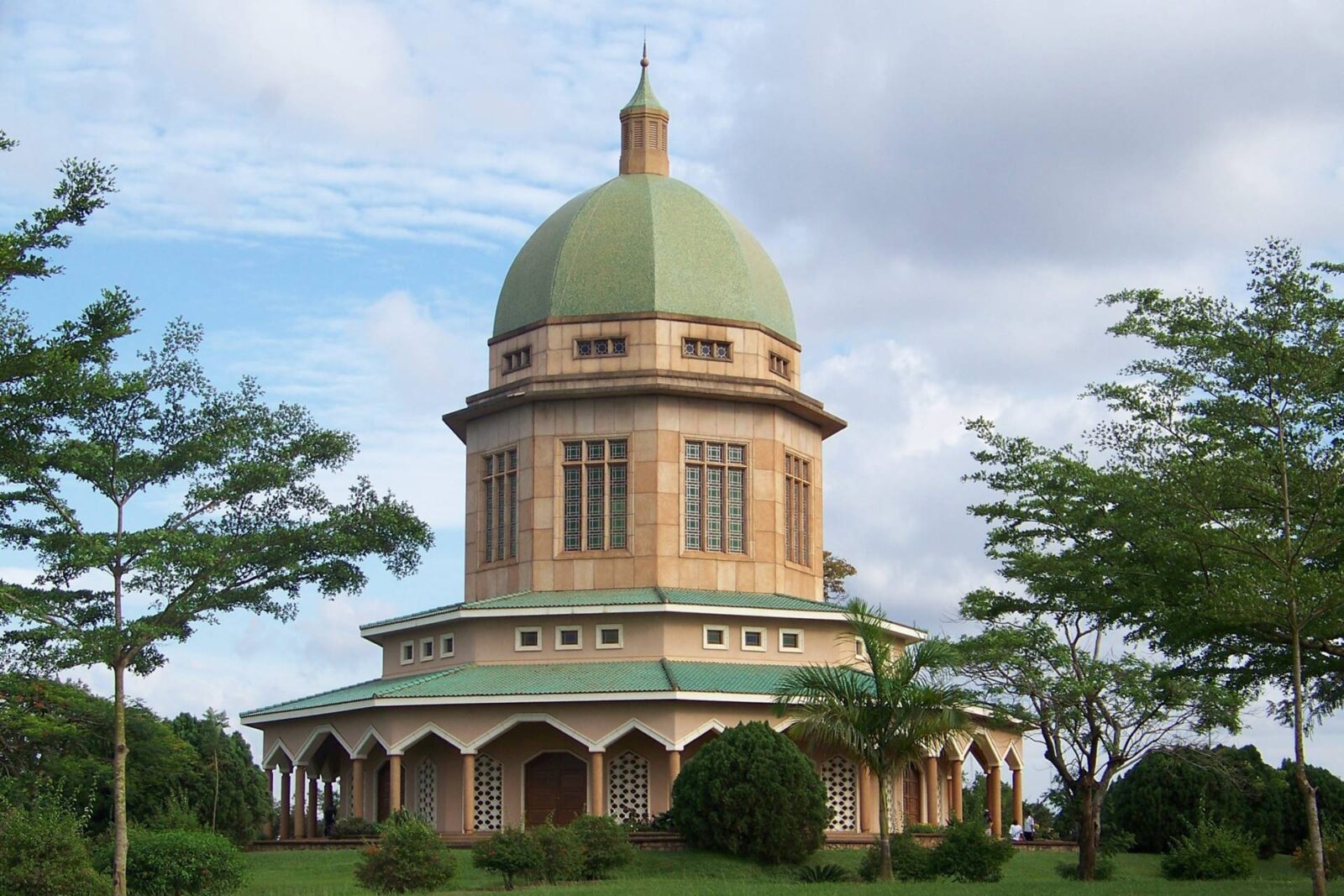
Bahá’í Temple in Kampala is one of Uganda’s most peaceful religious and architectural attractions. Located on Kikaaya Hill, north of Kampala’s city centre, this beautiful House of Worship welcomes visitors interested in spiritual reflection, landscaped gardens, distinctive architecture and cultural learning. Its magnificent dome rises above green surroundings, creating a quiet environment away from the capital’s busy streets.
Also known as the Mother Temple of Africa, the building holds an important place in the history of the Bahá’í Faith on the continent. Unlike attractions centred on entertainment, the temple encourages silence, meditation and respect for people of different religious backgrounds.
Visitors can explore the gardens, admire the building and learn about the principles of unity and service promoted by the Bahá’í community. Understanding the visiting hours, dress expectations and photography restrictions helps ensure a respectful experience.
Where Is the Bahá’í Temple Located?
The Bahá’í Temple stands on Kikaaya Hill, approximately six kilometres north of central Kampala.
It occupies an elevated location surrounded by gardens, lawns and mature trees.
The main visitor entrance is near Kampala Quality Primary School.
Travellers can reach the site by private vehicle, taxi or an organised Kampala city tour.
Quick Facts About the Bahá’í Temple
| Feature | Description |
|---|---|
| Country | Uganda |
| City | Kampala |
| Location | Kikaaya Hill |
| Opened | 15 January 1961 |
| Religious affiliation | Bahá’í Faith |
| Main attraction | House of Worship and gardens |
| Visiting days | Tuesday to Sunday |
| Opening hours | 8:00 am–6:30 pm |
| Closed | Monday |
| Entrance fee | Free |
| Sunday devotionals | 10:30 am–11:30 am |
The History of Uganda’s Bahá’í Temple
Construction of the temple began in 1958, when the Bahá’í community established plans for a permanent House of Worship in Uganda.
The building officially opened on 15 January 1961.
Its dedication attracted approximately 1,500 participants from different backgrounds.
The temple became the first Bahá’í House of Worship constructed in Africa.
It remains an important landmark for the Bahá’í community and is often called the Mother Temple of Africa.
The surrounding grounds also contain facilities associated with Bahá’í administration and community activities.
Understanding the Bahá’í Faith
The Bahá’í Faith is a worldwide religion founded in the nineteenth century.
Its teachings emphasise the unity of humanity, the importance of education, equality and service to others.
Followers believe that humanity belongs to one human family despite differences in nationality, culture or religious background.
Why Everyone Is Welcome
Bahá’í Houses of Worship welcome people regardless of religious affiliation.
Visitors do not need to become members or participate in religious activities.
The building provides a peaceful environment for prayer, reflection and spiritual contemplation.
People who simply want to appreciate its architecture and gardens are also welcome, provided they follow the visitor guidelines.
The Temple’s Unique Architecture
The Kampala temple has a distinctive nine-sided design.
Nine-sided architecture is characteristic of Bahá’í Houses of Worship and symbolises inclusiveness and unity.
Its elegant dome rises above the surrounding hill.
The structure was designed to harmonise with its natural environment, drawing inspiration from traditional African building forms.
What Makes the Interior Special?
Inside, visitors encounter a spacious worship area designed for quiet reflection.
Natural light enters through carefully positioned openings.
The atmosphere is simple and peaceful rather than heavily decorated.
The space encourages visitors to concentrate on prayer and contemplation.
Photography is not permitted inside the temple auditorium.
Official Visiting Hours
The Bahá’í community in Uganda publishes the following visitor schedule:
| Day | Visiting hours |
|---|---|
| Monday | Closed |
| Tuesday | 8:00 am–6:30 pm |
| Wednesday | 8:00 am–6:30 pm |
| Thursday | 8:00 am–6:30 pm |
| Friday | 8:00 am–6:30 pm |
| Saturday | 8:00 am–6:30 pm |
| Sunday | 8:00 am–6:30 pm |
Mondays are reserved for maintenance, cleaning and administrative work.
Special events may affect access, so visitors should confirm arrangements when planning an important group excursion.
Sunday Devotional Gatherings
Sunday is particularly meaningful for visitors interested in experiencing the temple’s spiritual purpose.
Community devotional gatherings normally take place between 10:30 am and 11:30 am.
These gatherings involve prayer, reflection and readings from sacred writings.
Can Tourists Attend?
Visitors of different religious backgrounds are welcome.
Participation should be quiet and respectful.
The devotional gathering is not a sightseeing performance.
Visitors should avoid conversations, photography or activities that could disturb participants.
Those interested only in exploring the gardens may prefer visiting outside the devotional period.
Dress Code at the Bahá’í Temple
The temple requires modest clothing.
Visitors should dress respectfully because it is an active place of worship.
Men and women should avoid revealing clothing.
Comfortable trousers, long skirts, dresses and shirts covering the shoulders are suitable.
What Should Women Wear?
Women can wear modest dresses, skirts or trousers with suitable tops.
A headscarf is not generally required simply for visiting the Bahá’í Temple.
However, visitors should follow any additional instructions provided by the staff.
What Should Men Wear?
Men may wear long trousers and comfortable shirts.
Clothing displaying offensive language or inappropriate images should be avoided.
Comfortable walking shoes are useful when exploring the gardens.
Visitor Etiquette and Important Rules
The temple promotes peace and respectful behaviour.
Visitors should maintain a calm atmosphere throughout the grounds.
Main Visitor Rules
Carry valid identification.
Speak quietly near the temple.
Dress modestly.
Avoid smoking, vaping and alcohol.
Do not bring weapons or dangerous objects.
Respect restricted areas.
Use designated pathways.
Keep the gardens clean.
Follow instructions from temple staff.
Loud music, disruptive behaviour and inappropriate photography are prohibited.
Do Visitors Pay an Entrance Fee?
Entrance to the Bahá’í Temple and its grounds is free.
Visitors are not required to purchase an admission ticket for an ordinary visit.
However, management retains the right to control access and restrict certain areas.
Special photography arrangements must be approved in advance.
Visitors should not confuse free ordinary access with unrestricted permission to organise events or commercial activities.
Exploring the Beautiful Gardens
The landscaped gardens are among the temple’s most attractive features.
Visitors can enjoy carefully maintained lawns, mature trees, flowers and peaceful walking paths.
The elevated setting offers views across surrounding Kampala neighbourhoods.
Why the Gardens Are Popular
The grounds provide a quiet environment for reflection.
Birdsong and gentle breezes contribute to the peaceful atmosphere.
Visitors may sit in permitted areas, appreciate the architecture or enjoy a slow walk.
However, the gardens remain part of a sacred property, not an unrestricted public recreation park.
Can You Have a Picnic?
Picnicking is permitted only under the temple’s designated arrangements.
Visitors must use areas approved by staff.
Food should not be consumed close to the temple building.
All food, drinks and bags are subject to security checks at the entrance.
Visitors should collect their rubbish and leave the surroundings clean.
Large gatherings and special events require advance permission.
Photography Rules at the Temple
The temple provides attractive opportunities for outdoor photography.
Visitors can photograph the building’s exterior, gardens and surrounding scenery.
However, strict restrictions apply.
What Is Allowed?
Ordinary personal photography is permitted in designated outdoor areas.
Visitors should respect other people and avoid blocking pathways.
What Is Not Allowed?
Photography inside the temple auditorium is prohibited.
Drone operations are not permitted over the property.
Commercial filming and formal photography require advance approval.
Wedding photography and other organised sessions must follow specific booking conditions.
Visitors should never photograph private religious activities without permission.
Birdwatching Around the Grounds
The temple’s mature trees and gardens attract birds associated with Kampala’s urban green spaces.
Visitors may encounter sunbirds, weavers, bulbuls and other common garden species.
Birdwatching adds interest to a quiet morning visit.
However, the grounds are primarily intended for worship and reflection.
Birdwatchers should avoid loud playback recordings or activities that disturb other visitors.
Binoculars are useful for observing birds from established pathways.
Best Time to Visit
Morning visits are often pleasant because temperatures are relatively comfortable.
The gardens may also be quieter during ordinary weekdays.
Late afternoon offers attractive natural light for exterior photography.
Sunday morning is suitable for visitors interested in devotional gatherings.
However, those seeking uninterrupted sightseeing may prefer a weekday.
How to Reach the Temple
The Bahá’í Temple is accessible from central Kampala through the Kikaaya area.
Travellers can arrange a taxi or private driver.
Travel time depends on traffic and the starting location.
Visitors should use the officially designated main entrance.
Parking arrangements are controlled by management, and some vehicles may be required to park outside the property.
Combining the Temple With Kampala Sightseeing
A visit can be included in a wider Kampala cultural itinerary.
Travellers may combine the temple with Uganda National Mosque, the Uganda Museum or other city attractions.
Suggested Half-Day Experience
Begin with a morning visit to the Bahá’í Temple.
Explore the permitted gardens and learn about the building’s history.
Continue towards another Kampala cultural landmark.
Finish with lunch at a suitable restaurant.
This arrangement introduces visitors to Uganda’s religious and cultural diversity.
Why the Bahá’í Temple Is Worth Visiting
The Bahá’í Temple offers a distinctive experience for travellers exploring Kampala.
Its nine-sided architecture, peaceful gardens and welcoming religious philosophy make it different from ordinary city attractions.
Visitors can appreciate the building’s history, enjoy quiet reflection and learn about the Bahá’í community’s commitment to unity and service.
The experience is particularly rewarding for travellers seeking a calm environment away from busy streets.
By respecting the dress code, photography restrictions and visiting hours, guests can enjoy one of Uganda’s most meaningful cultural landmarks.


No comment