
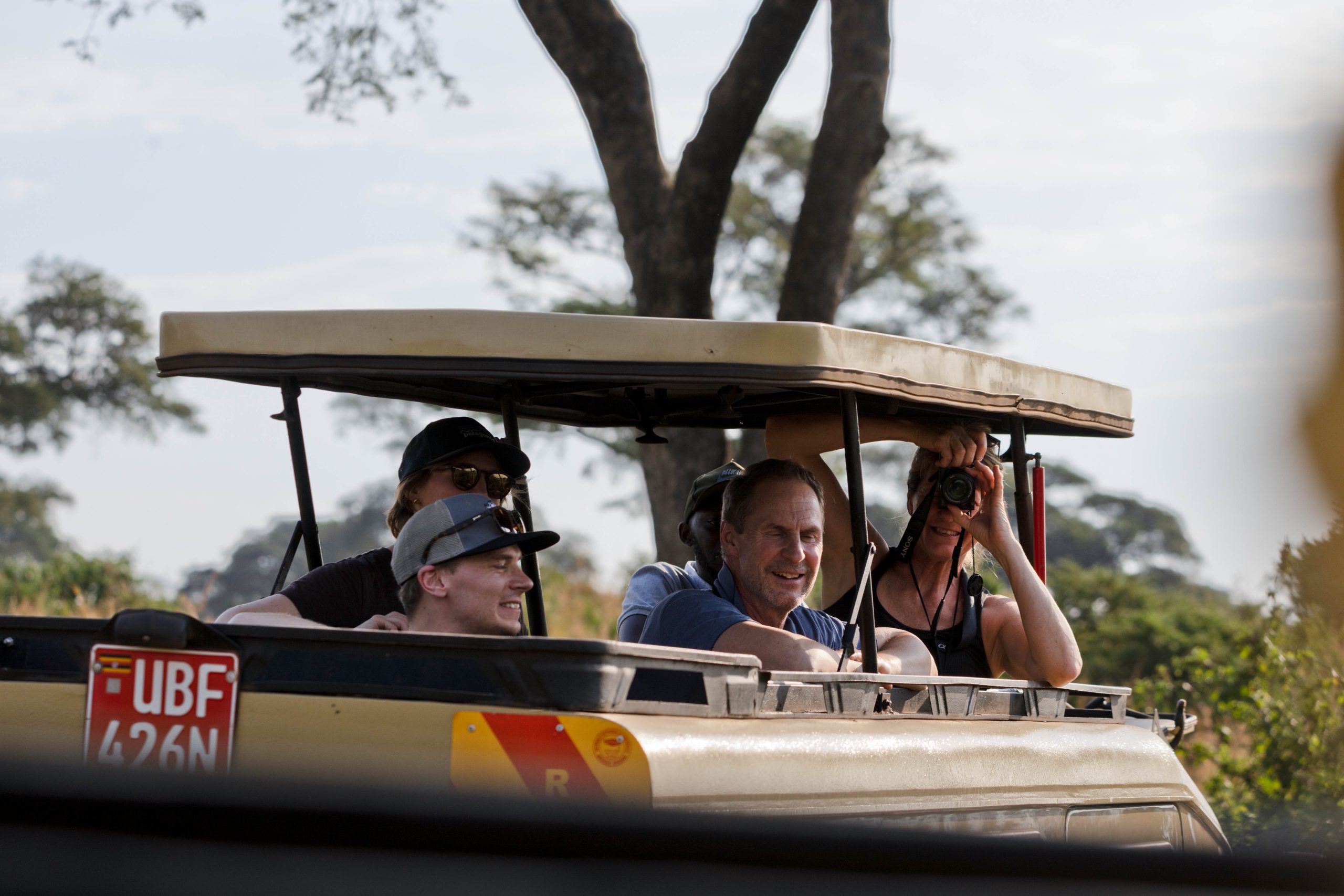
Why Long Drives Make or Break a Safari, and How to Plan Around Them
A safari can offer extraordinary wildlife encounters, beautiful landscapes and unforgettable moments in the African wilderness. However, the quality of the experience often depends on something travellers overlook when booking their trip: the time spent on the road. Long drives can connect remarkable destinations, reveal rural landscapes and provide opportunities to see wildlife along the way. They can also leave travellers tired, reduce time for game viewing and turn an exciting holiday into a demanding travel schedule.
When planning an African safari, it is easy to focus on the national parks, animals, lodges and activities. A traveller might want to see mountain gorillas in Uganda, elephants in Amboseli, lions in the Maasai Mara or the Great Migration in Tanzania. These experiences are important, but the distance between them matters just as much. A route that looks simple on a map can involve winding roads, rough surfaces, slow-moving traffic, village crossings and several hours of continuous travel.
The best safari itineraries recognise that transport is part of the overall experience. They account for realistic driving times, regular breaks, accommodation locations and the energy travellers need for wildlife activities. They also distinguish between a day spent exploring a national park and a day spent transferring between destinations.
Understanding how long drives affect a safari helps travellers choose better routes, manage expectations and make more informed decisions when comparing tour packages. With thoughtful planning, road journeys can become a manageable part of the adventure instead of the reason a holiday feels rushed.
Why Driving Time Matters More Than Many Travellers Expect
A safari itinerary may advertise several national parks within a short period, making the trip appear full of variety. Yet the number of destinations does not necessarily indicate how much time travellers will spend enjoying them. If reaching each park requires a lengthy transfer, much of the holiday may be spent sitting in a vehicle rather than watching wildlife.
Consider a five-day safari that includes three distant parks. The itinerary may involve a long drive on the first day, another transfer midway through the trip and a final journey back towards the airport. Although the schedule lists several destinations, travellers might have only one or two substantial wildlife-viewing days.
A different five-day itinerary focused on one or two nearby parks may provide more time for game drives, boat excursions and relaxation. Travellers can settle into the accommodation, become familiar with the landscape and explore different areas without repeatedly packing and moving.
Driving time also affects the rhythm of the day. An early departure may be necessary to reach the next destination before dark. After several hours on the road, travellers may arrive too late for a meaningful activity. They then have dinner, prepare for the following day and wake early again.
This pattern can become exhausting when repeated over several days. Even travellers who enjoy road trips may find that constant movement leaves them with little opportunity to appreciate the places they have travelled so far to visit.
The important question is not simply how far apart two destinations are. It is how much of the holiday must be devoted to reaching them and what travellers gain by making the journey.
Why Safari Road Journeys Often Take Longer Than Expected
Driving distances can be misleading in East Africa. A route of 200 kilometres may take substantially longer than travellers expect because road quality, terrain, traffic and weather vary considerably between regions.
Some highways are paved and allow relatively consistent progress. Other routes include rough gravel, potholes, steep gradients, winding mountain sections or unpaved access roads leading to lodges and national parks. A journey may also pass through busy towns, trading centres and villages where vehicles need to slow down.
Rain can make some unpaved roads difficult to navigate. In certain areas, vehicles may need to reduce speed to protect passengers and avoid damaging tyres or suspension components. During the rainy season, conditions can change quickly, and the same journey may take longer than it did during a previous visit.
Roadworks, traffic congestion, security procedures, ferry crossings and unexpected delays can add time to a transfer. Travellers should also remember that safari vehicles often stop for fuel, meals, comfort breaks and other practical needs.
A quoted driving duration should therefore be treated as an estimate rather than an exact arrival time. The operator should explain whether the estimate includes normal stops and whether the journey is likely to be affected by seasonal road conditions.
This is particularly important when the itinerary includes a domestic flight, a scheduled activity or an international departure. A plan that depends on every transfer running perfectly leaves little room for delays.
The Difference Between Transfer Days and Safari Days
One of the simplest ways to improve an itinerary is to separate transfer days from full wildlife-viewing days.
A transfer day is primarily about moving from one location to another. Travellers may enjoy scenic views, pass through rural communities or stop for a meal, but the main objective is to reach the next destination safely and comfortably.
A safari day is designed around wildlife activities. It may include morning and afternoon game drives, a boat cruise or another experience in the destination. The schedule gives travellers enough time to explore without worrying about a long journey to another park later that day.
Problems arise when a tour package treats a long transfer as though it were also a full safari day. For example, a vehicle might depart at dawn, spend most of the morning and early afternoon travelling, and reach the destination with only a short period available before park activities end. The itinerary may technically include a visit to the park, but the actual wildlife experience is limited.
A better plan sets realistic expectations. If the transfer is long, make arrival, check-in and rest the priorities. If an afternoon game drive is possible, treat it as an additional opportunity rather than a guaranteed full activity.
This distinction also helps travellers compare safari packages accurately. Two itineraries may both advertise five days, but one may include three substantial wildlife days while the other offers only two because of lengthy transfers.
When reviewing an itinerary, look at what happens on each day, not just the total number of days advertised.
How Long Drives Affect Wildlife Viewing
Long road transfers can reduce opportunities to observe wildlife in the parks themselves. This matters because animals are often the main reason travellers choose a safari.
Many game drives take place early in the morning or later in the afternoon, when temperatures are often cooler and wildlife activity may be rewarding. If travellers spend those periods driving between parks, they may miss opportunities to explore productive wildlife areas.
A vehicle travelling on a public road may occasionally encounter elephants, antelope, baboons or other animals, depending on the route. However, these sightings are not a substitute for a properly planned game drive. Public roads may not provide access to the habitats where travellers are most likely to observe particular species.
Wildlife viewing also requires patience. A guide may need time to locate animals, interpret tracks, respond to reports from other guides and choose a suitable observation point. Travellers may want to remain near a sighting to watch animal behaviour or take photographs. An itinerary that requires the vehicle to leave quickly for another destination limits this flexibility.
The difference becomes especially noticeable for photographers and wildlife enthusiasts. Finding a lion is only one part of the experience. Watching the animal interact with its pride, observing how it responds to other wildlife or waiting for better light can take time.
Long drives are not automatically a problem, but they should not repeatedly replace the periods intended for wildlife viewing. A well-designed route protects enough time for the experiences that matter most.
Physical Fatigue and the Effect on Travellers
Sitting in a vehicle for several hours can be tiring even when the road is paved and the scenery is attractive. On rough roads, repeated bumps and vibrations can increase discomfort. Limited opportunities to stretch, heat, dust and unfamiliar meal schedules can make the journey more demanding.
Fatigue can affect concentration, patience and enjoyment. Travellers may arrive at a lodge too tired to appreciate the surroundings or participate enthusiastically in the next activity. Children may become restless, while older travellers may need more time to recover after a long transfer.
People with back discomfort, joint limitations, motion sensitivity or other mobility needs should consider the vehicle and road conditions before booking. The suitability of a safari depends not only on the destination but also on how much time passengers spend travelling and how frequently they can take breaks.
A private vehicle can offer greater flexibility than a shared departure because the guide may be able to arrange stops according to the group’s needs. However, the route itself may still require several hours of driving, and a private vehicle does not make a difficult road shorter.
Travellers should discuss expected journey times, vehicle seating, luggage space and the possibility of breaks with their operator. If a route includes several long transfers, ask whether the itinerary can be adjusted to include overnight stops or fewer destinations.
Comfort is not an unnecessary luxury. It is one of the factors that allows travellers to enjoy the wildlife experiences waiting at the end of the road.
Why the First and Last Days Need Special Attention
The first and last days of a safari are often the most vulnerable to poor planning because they are tied to arrival and departure schedules.
After an international flight, travellers may be tired from travelling overnight, adjusting to a new time zone or managing airport procedures. A lengthy road transfer immediately after arrival can make the first day particularly demanding.
Whenever possible, choose an arrival plan that allows enough time to clear the airport, collect luggage, meet the driver and travel to the accommodation without pressure. If the destination is several hours away, consider spending the first night near the airport or in a convenient stopover location.
This may add an accommodation cost, but it can prevent the safari from beginning with an exhausting transfer. It also provides some protection against delayed international flights.
The final day requires similar care. Travellers sometimes schedule a morning game drive before driving several hours to catch an international flight. This can work on some routes, but it depends on the departure time, distance, road conditions and the flexibility of the airline booking.
A delay during the game drive or transfer can create unnecessary stress. If the airport is far from the final park, spending the last night closer to the departure point may be the safer choice.
For a safari that includes domestic flights, consider the required airport check-in time and the possibility of schedule changes. Do not assume that a remote lodge can be reached quickly simply because the destination appears close on a map.
A relaxed first and last day can improve the entire trip, even when the total number of safari days remains unchanged.
Choosing a Route That Reduces Unnecessary Driving
The most efficient safari route usually follows a logical geographical sequence. It avoids travelling repeatedly through the same region and reduces unnecessary backtracking.
Start by identifying the main experiences you want. If mountain gorilla trekking is the priority, select the most suitable trekking destination and build the rest of the itinerary around it. If the main goal is savannah wildlife, choose parks that offer the animals and landscapes you want to experience.
Next, examine how the destinations connect. Two parks may both be excellent, but if travelling between them consumes most of a day, you need to decide whether the second park adds enough value to justify the journey.
In some cases, a domestic flight can replace a long road transfer. This may save time, especially when destinations are far apart or the road route is slow. However, flights introduce their own considerations, including baggage restrictions, schedules, transfers between airstrips and accommodation, and possible weather disruptions.
Flying is not always the best solution. A scenic road journey may be worthwhile when the distance is manageable and the route passes through interesting landscapes. Travellers may also prefer road travel for the flexibility of stopping at selected locations.
The right decision depends on the total journey rather than the flight duration or road distance alone. Compare the time required to reach the airport, check in, fly, collect luggage and transfer to the lodge against the estimated road journey.
A good operator should be able to explain the advantages and disadvantages of both options.
When a Domestic Flight Is Worth Considering
Domestic flights can be useful when a safari combines regions that are separated by long or difficult road journeys. They are particularly attractive to travellers with limited time, those who prefer fewer hours in a vehicle or visitors who want to combine safari activities with a beach destination.
For example, a traveller exploring Tanzania’s northern safari circuit may consider flying between selected locations rather than completing every connection by road. A Kenya itinerary can sometimes combine a remote wildlife destination with another region through scheduled or chartered flights. Uganda also has domestic flight options serving selected safari areas, although availability and schedules depend on the route and season.
Flights may reduce the physical demands of a long drive, but they do not eliminate transfers entirely. Passengers still need to reach the departure airstrip and travel from the arrival airstrip to their accommodation. Some airstrips are remote, and the final transfer may take considerable time.
Small aircraft commonly have strict luggage weight and size limits. Soft-sided bags may be required, and excess baggage can be difficult or expensive to manage. Travellers should check the exact requirements before packing.
Flight schedules may also be affected by weather, operational changes or the number of stops made along the route. If a flight connects with an international departure, sufficient buffer time is essential.
Domestic flights are most useful when they preserve valuable time at the destination or replace an especially tiring road journey. They should be selected for practical reasons rather than simply because flying appears more luxurious.
How Accommodation Location Can Shorten Travel Days
The location of a lodge can influence the amount of time spent travelling every day. A property near a park entrance may reduce the journey to the first game drive, while accommodation within or close to an authorised wildlife area may provide easier access to selected viewing locations.
However, the description of a property as being near a national park can be misleading without more detail. Some lodges are located outside the park boundary and may require a substantial drive to reach the gate. Others may be near an entrance but far from the specific area travellers want to explore.
Before booking, ask the operator how long it takes to reach the main wildlife-viewing areas from the lodge. Find out whether game drives begin directly from the property or whether guests first travel to a park gate. This information helps establish how early travellers need to wake up and how much time they will spend in the vehicle.
Accommodation changes can also increase travel time. Packing, checking out, loading luggage, completing a transfer and checking into a new property all take time. Moving to another lodge may be worthwhile when it offers access to a different habitat or a more convenient starting point, but unnecessary changes can disrupt the itinerary.
For shorter safaris, staying in one strategically located lodge may provide a better experience than changing accommodation every night. Longer journeys may benefit from several carefully chosen bases, each serving a clear purpose.
The aim is not to avoid all driving. It is to minimise travel that does not add meaningful value to the safari.
Plan Regular Breaks on Long Road Transfers
When a long drive is unavoidable, regular breaks help make the journey more comfortable. Stops provide opportunities to stretch, use facilities, drink water and eat. They also give travellers a chance to appreciate the landscapes and communities along the route.
The number and timing of breaks depend on the journey, road conditions and the needs of the group. A transfer that lasts several hours should not be planned as though passengers will remain comfortable without stopping.
Discuss suitable rest points with the operator. Established service stations, restaurants and approved visitor stops may provide more reliable facilities than informal roadside locations. In remote areas, opportunities may be limited, so travellers should follow the guide’s advice.
Carry drinking water, sun protection, any necessary medication and small personal items in a day bag rather than packing everything in luggage that may be difficult to access. Travellers prone to motion sickness may want to discuss appropriate preventive measures with a healthcare professional before departure.
If the journey includes a picnic lunch, confirm whether the meal is provided and where the group is likely to stop. A planned meal break can make the day feel less rushed and help travellers maintain their energy.
Breaks should also be included in the driving estimate. An itinerary that quotes only uninterrupted driving time may create unrealistic expectations about arrival.
Pack for Comfort During Long Drives
Packing for a safari often focuses on clothing, cameras and binoculars, but comfort items can be just as important on long transfers.
Wear comfortable clothing that allows movement and adapts to changing temperatures. Mornings may be cool, while the vehicle can become warm later in the day. Layers are generally more practical than a single heavy garment.
Keep essential items within reach. Water, sunglasses, sunscreen, tissues, hand sanitiser, a hat, a light jacket and any prescribed medication should be easy to access. A small cushion may help some travellers, although space in the vehicle should be discussed with the operator.
If you plan to photograph wildlife from the vehicle, store camera equipment securely but accessibly. Rough roads can cause sudden movements, so expensive equipment should not be left unsecured on a seat.
Dust may be an issue on some unpaved routes. Travellers who are sensitive to dust should discuss the likely conditions with the operator and consider suitable precautions. Vehicle windows and ventilation arrangements can influence comfort, although conditions vary by vehicle and road.
Avoid bringing excessive luggage into the passenger area. Large bags can reduce legroom and make it harder for everyone to move comfortably. Follow the operator’s luggage guidance, especially when the itinerary includes small aircraft.
These small preparations cannot eliminate the challenges of a long drive, but they can make it easier to arrive ready for the next activity.
How to Plan Around Gorilla Trekking and Other Demanding Activities
Some safari activities require more energy than a conventional game drive. Mountain gorilla trekking is a clear example because the experience can involve walking on steep, muddy and uneven trails through dense forest. The time spent trekking depends on the gorillas’ location, the terrain and the group’s progress.
If a long road transfer is required to reach the trekking destination, consider arriving the day before the permit date. This reduces the risk of road delays interfering with the scheduled activity and allows travellers to rest before the trek.
After trekking, avoid planning another long transfer unless the route and timing make it necessary. A relaxed afternoon or overnight stay near the trekking area can make the experience more comfortable.
Chimpanzee tracking, hiking and some walking safaris may also require early starts and sustained physical effort. The itinerary should reflect the demands of the activity rather than treating every excursion as interchangeable.
Travellers with limited mobility or lower fitness levels should ask about the expected terrain, duration and availability of assistance. A private vehicle can improve flexibility, but it does not change the physical requirements of walking activities.
For a trip combining gorilla trekking with savannah wildlife viewing, a sensible schedule may involve travelling to the forest region, staying long enough to complete the trek and then transferring to the next destination. The route should not require travellers to complete the trek and immediately undertake an exhausting drive if that can reasonably be avoided.
Managing Long Drives on a Family Safari
Families should pay particular attention to driving time because children may find prolonged journeys difficult. A transfer that feels manageable to an adult may become uncomfortable when children are hungry, tired or unable to move around.
Choose destinations that fit the ages and interests of the children travelling. Consider fewer accommodation changes and realistic driving distances. Family-friendly lodges may offer suitable room arrangements, flexible meals and activities that help children enjoy time outside the vehicle.
Plan stops where practical, and keep snacks, water, spare clothing and entertainment accessible. Confirm whether child seats are available and suitable for the vehicle. Requirements and availability can vary, so these details should be settled before travel.
The itinerary should also account for age restrictions on certain activities. Mountain gorilla trekking, walking safaris and other experiences may have minimum age requirements, while some activities may be unsuitable for younger children regardless of formal restrictions.
A family safari does not need to include a game drive every morning and afternoon. Shorter drives, time at the lodge and occasional quieter days can create a better balance.
Parents should also consider how long the return journey will take after several days of activities. Scheduling an exhausting drive immediately before an international flight may create unnecessary pressure for the entire family.
Planning for Older Travellers and People With Mobility Needs
Long drives can be particularly demanding for older travellers and people with mobility limitations. Vehicle access, seat comfort, road vibration and the frequency of breaks can all affect the experience.
When requesting a quotation, explain any requirements that may influence transport arrangements. Ask about the vehicle type, legroom, ease of getting in and out, access to toilets during transfers and whether stops can be adjusted to suit the group.
Some safari vehicles have high steps or limited handholds, which can make boarding difficult. The availability of a different vehicle or boarding assistance should be confirmed rather than assumed.
Choose accommodation with convenient room locations and accessible paths where possible. A lodge may be comfortable in general but still have steep walkways, stairs or uneven ground between guest rooms and dining areas.
The itinerary should avoid unnecessary backtracking and repeated long transfers. A longer stay in one park may be more enjoyable than a route involving several distant destinations. If a long drive is unavoidable, a stopover may help divide the journey into more manageable sections.
People with specific health concerns should seek appropriate professional advice before travel and ensure that necessary medication is available throughout the journey. Travel insurance should be suitable for the activities and destinations involved.
A safari can be rewarding at different ages and ability levels, but the itinerary must be designed around actual needs rather than a standard schedule.
Long Drives and the Cost of a Safari
The cost of a safari is not determined only by the price of the lodge. Transport arrangements, fuel, driver-guide services, park fees, domestic flights and the number of days all contribute to the total price.
A route with several distant parks may require more fuel, additional driver time and extra accommodation nights. It may also increase the chance of needing another transfer or an overnight stop. These expenses can make a seemingly affordable package more costly than expected.
Domestic flights can reduce road time but may increase the package price. The decision should consider the value of the time saved and the experience gained. For travellers with a limited holiday, spending more on a flight may allow an extra day of wildlife viewing. For those who enjoy road journeys and have more time, travelling overland may be more economical and rewarding.
Shared safari departures can distribute transport costs among several travellers, although the schedule may be less flexible. Private safaris usually offer greater control over stops and timing, but the vehicle and guide costs are generally allocated to a smaller group.
When comparing quotations, ask whether the price includes all planned transfers, fuel, park fees and scheduled activities. Clarify any costs that may arise from optional flights, additional nights or changes to the route.
The cheapest itinerary is not always the best value if it spends much of the holiday on the road. Equally, an expensive itinerary is not automatically better if its route is inefficient. Compare the actual time available for wildlife viewing, the comfort of the transfers and the quality of the accommodation.
What to Ask a Safari Operator Before Booking
Before confirming a safari, request a clear explanation of the travel schedule. The itinerary should identify the expected driving time between destinations, the approximate departure and arrival periods, and whether the day includes a full wildlife activity.
Ask which routes are paved and which include rough roads. Find out whether seasonal conditions are likely to affect the journey and whether an overnight stop would be sensible. If the operator suggests a domestic flight, ask about luggage limits, transfer arrangements and what happens if the flight schedule changes.
It is also worth asking how the lodge’s location affects game-drive timing. A property that is far from the main viewing areas may require earlier departures or additional driving within the park.
If you are travelling with children, older relatives or anyone who needs additional assistance, explain those requirements before the route is finalised. Ask whether the schedule can include more frequent breaks or shorter transfers.
Finally, ask what happens if a journey takes longer than expected. A realistic operator should acknowledge that road conditions and other delays can affect arrival times. The itinerary should not depend on perfect conditions every day.
Clear answers help you distinguish between a route that is ambitious but practical and one that is overloaded.
An Example of a Better-Paced Seven-Day Safari
A seven-day safari illustrates how road time can be managed without sacrificing variety. The exact route depends on the country and the distances involved, but the planning principles remain the same.
The first day is reserved for arrival and transfer to the initial destination. If the drive is long, travellers should settle into the lodge rather than expect a full game drive. Those arriving after an overnight flight may benefit from a more relaxed start.
The second and third days are dedicated to wildlife viewing. Morning and afternoon activities can be arranged according to the park’s rules, the group’s interests and local conditions. Spending two nights or more in the same area reduces packing and provides time to explore different habitats.
The fourth day is the transfer to the next destination. If it involves several hours of driving, treat it as a travel day. Include suitable breaks and allow enough time for check-in. An afternoon activity may be possible if the transfer is short, but it should not be essential to the itinerary’s success.
The fifth and sixth days focus on the second destination. This may offer a different landscape, wildlife species or activity. If the itinerary includes a physically demanding experience, such as gorilla trekking, the schedule should allow for the activity’s duration and a suitable recovery period.
The seventh day is reserved for departure or onward travel. If the return journey to the airport is lengthy, an earlier departure or an additional night near the airport may be appropriate.
This structure avoids the pressure of moving every day while preserving variety. It also allows the operator to adapt the schedule to road conditions without forcing travellers to abandon a major planned activity.
When a Long Drive Is Worth the Effort
Not every long drive should be avoided. Some journeys are worthwhile because they connect destinations that offer substantially different experiences. A road transfer may also provide scenic views of mountains, farmland, rural settlements or changing ecosystems.
For travellers who enjoy photography, the journey itself may be part of the appeal. With appropriate stops and realistic timing, a road trip can offer a broader impression of the country than flying between destinations.
Long drives may also be necessary when travellers want to reach a specific national park that has limited air connections. If the wildlife experience is a major priority, the journey may be a reasonable trade-off.
The key is to understand what the drive costs in time and energy and what it contributes to the trip. A transfer of several hours may be justified if it leads to a distinctive destination where travellers will stay for multiple nights. The same transfer may be difficult to justify if the group arrives late, spends one night and leaves again the next morning.
Consider the entire route rather than judging each drive in isolation. Several moderately long journeys can become tiring when scheduled on consecutive days. A single long transfer followed by several relaxed days may be easier to manage.
A good safari itinerary is not necessarily the one with the shortest possible drives. It is the one in which every journey serves a clear purpose.
Make Every Transfer Work for the Safari
Long drives can make or break a safari because they influence comfort, wildlife-viewing time, energy levels and the overall pace of the holiday. When they are underestimated, travellers may spend more time travelling than exploring. When they are planned carefully, they connect destinations efficiently and leave enough time for the experiences that matter.
Start by identifying your main wildlife priorities, then choose a route that keeps unnecessary backtracking to a minimum. Use realistic driving estimates, distinguish transfer days from safari days and consider domestic flights where they offer a genuine advantage. Select accommodation according to its location as well as its facilities, and include breaks and rest periods when the schedule demands them.
The needs of the travellers should guide the final plan. Families may need shorter journeys and more flexible days. Older travellers may benefit from fewer accommodation changes and better access. Photographers and wildlife enthusiasts may prefer longer stays in productive areas rather than a rapid circuit of several parks.
Most importantly, evaluate a safari by the quality of the experience, not simply by the number of destinations included. A well-planned journey gives travellers time to watch wildlife, appreciate the landscape and enjoy the places they have come to see. When every transfer has a clear purpose, the road becomes part of the adventure rather than an obstacle to it.





No comment