
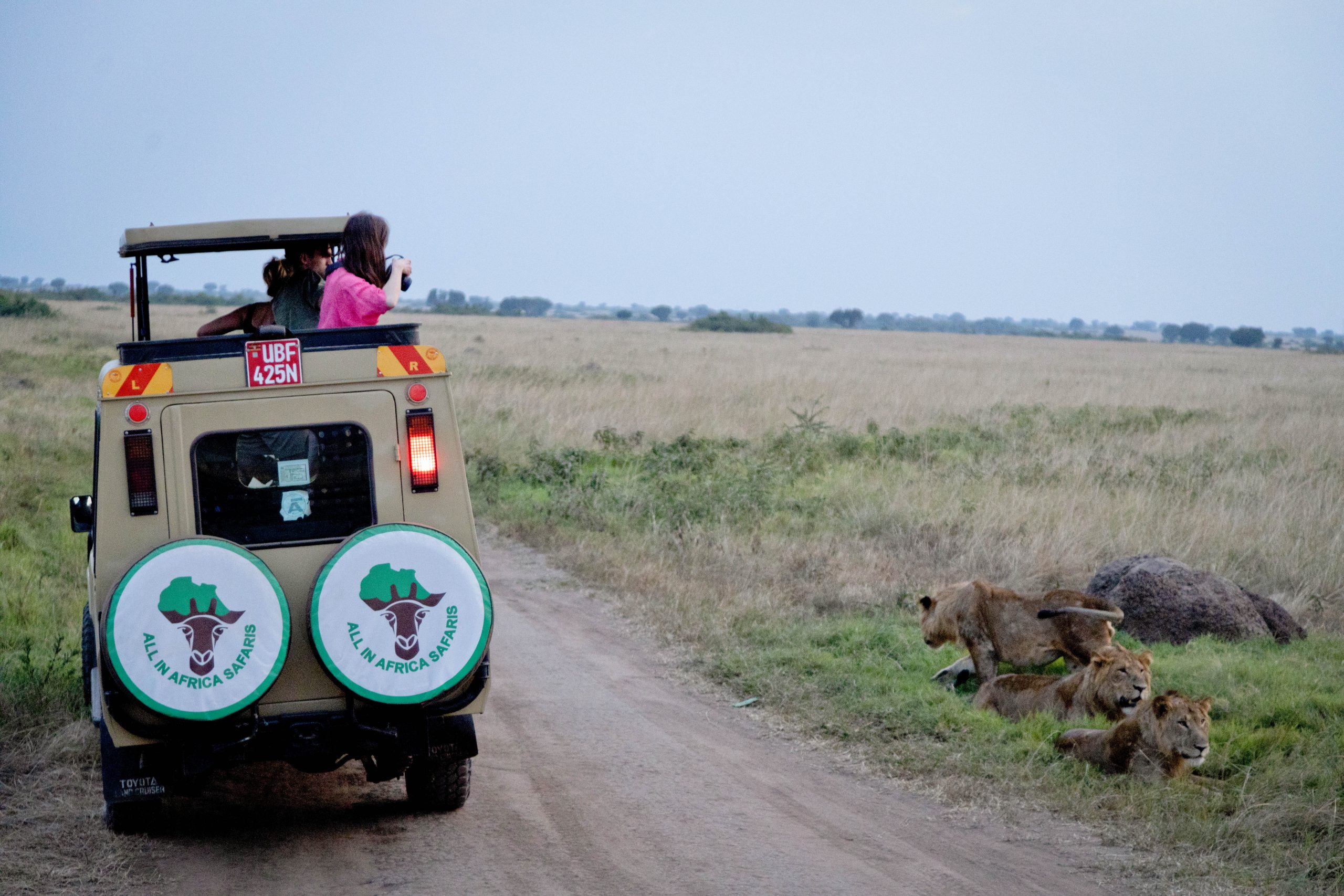
What a Good Safari Itinerary Looks Like: Pace, Drive Times and Rest Days
A good safari itinerary is not simply a list of national parks, wildlife activities and lodges. It is a carefully planned journey that gives travellers enough time to enjoy each destination without spending most of their holiday travelling between locations. The best itineraries balance wildlife viewing, road transfers, accommodation changes, meals and rest. They also leave room for unexpected discoveries, because wildlife does not follow a fixed schedule.
Many travellers planning an African safari focus first on the animals they want to see. They may want to watch lions hunting, observe elephants at a waterhole, track mountain gorillas in a tropical forest or witness the wildebeest migration across the Serengeti. These are worthwhile priorities, but the quality of the experience also depends on how the days are organised. Even a destination with outstanding wildlife can become tiring when the schedule includes repeated early departures, long road journeys and little time to recover.
A well-designed safari should feel engaging without becoming exhausting. Travellers need time to wake up, eat, enjoy game drives, appreciate their surroundings and relax at the lodge. They also need realistic expectations about driving times, park conditions and the physical demands of particular activities. Understanding these factors makes it easier to plan a safari that fits the available days, travel budget and personal preferences.
Whether you are organising a short wildlife trip in Uganda, a classic Kenya safari, a longer Tanzania circuit or a multi-country East African adventure, the same principle applies: the itinerary should support the experience rather than force the experience to fit an overloaded schedule.
Understanding the Right Pace for a Safari
Safari pace refers to how much activity, travel and change a traveller experiences each day. It includes the number of destinations visited, the frequency of accommodation changes, the duration of game drives and the amount of time available for rest. A good pace depends on the traveller, the destination and the purpose of the trip.
An adventurous traveller who enjoys photography and early mornings may happily participate in several game drives across consecutive days. A family travelling with children may prefer shorter activities and a longer stay at each lodge. Older travellers may benefit from fewer transfers, convenient accommodation and more opportunities to rest between excursions.
The number of parks alone does not determine the quality of an itinerary. Visiting four national parks in six days may sound impressive, but the experience can become rushed if each destination requires several hours of driving. Spending the same six days in two well-chosen parks may provide more wildlife encounters, better opportunities for photography and a more relaxed holiday.
The pace should also reflect the purpose of the safari. Travellers visiting primarily for mountain gorilla trekking may need time to prepare for the trek and recover afterwards. Birdwatchers may want long periods in particular habitats rather than frequent transfers. Photographers often benefit from repeated visits to the same area because wildlife activity changes throughout the day.
Before selecting destinations, decide which experiences are essential and which are optional. This helps prevent the itinerary from becoming a collection of attractions with insufficient time to enjoy any of them properly.
How Many Destinations Should a Safari Include?
The ideal number of destinations depends on the total length of the safari, the distance between parks and the type of activities involved. A short trip usually benefits from a concentrated route, while a longer holiday can accommodate more variety.
For a three-day safari, one main national park is often the most practical choice. Travellers may arrive, transfer to the park area, enjoy game drives and return to their departure point. If the park is far from the airport or starting city, even this short itinerary may require careful planning to avoid spending too much time on the road.
A five-day safari can accommodate one or two major destinations, depending on their location. For example, a traveller visiting Uganda might combine wildlife viewing in Queen Elizabeth National Park with a boat cruise along the Kazinga Channel. Adding a distant destination may still be possible, but it should be justified by the experience gained rather than included simply to increase the number of places visited.
A seven-day safari offers greater flexibility. Travellers may combine two national parks with different landscapes and wildlife opportunities. A Uganda itinerary might include Murchison Falls National Park and Queen Elizabeth National Park, provided the driving schedule and arrival arrangements allow enough time at both destinations. A Kenya itinerary could combine the Maasai Mara with another suitable wildlife area, depending on flight connections and the desired pace.
For a ten-day or longer safari, three or four destinations may be reasonable when the route is geographically efficient. However, a longer trip does not automatically require more parks. Travellers who want relaxed mornings, photography opportunities or time at a lodge may prefer longer stays.
A useful planning rule is to ask what each additional destination contributes. If it introduces a genuinely different landscape, species or activity, the transfer may be worthwhile. If it offers a similar experience but requires a full day of driving, staying longer in the current destination may provide better value.
Why Drive Times Matter More Than Map Distances
One of the most common safari planning mistakes is estimating travel time from the distance shown on a map. A road journey of 150 kilometres in an urban or well-maintained road network is different from a journey of the same distance on rough rural roads, winding mountain routes or roads affected by heavy rain.
Safari driving times depend on road quality, terrain, traffic, weather, roadworks, wildlife restrictions and the location of accommodation relative to park entrances. Some routes include stretches of gravel or dirt road that require slower driving. Others pass through towns and villages where vehicles must reduce speed.
In East Africa, road transfers between national parks can take several hours even when the destinations appear relatively close together. A route that looks straightforward online may involve a winding road, a ferry crossing or a slow section near a park boundary. The itinerary should use realistic estimates supplied by an experienced local operator rather than relying only on straight-line distances.
It is also important to distinguish between transfer time and total travel time. A four-hour drive may require additional time for breakfast, fuel, comfort stops, lunch and arrival procedures. If travellers leave the lodge at 8:00 a.m., they should not automatically expect to begin an afternoon activity at noon.
When planning a long transfer, identify what happens after arrival. If the group reaches the lodge late in the afternoon, a full game drive may not be practical. The better option may be to check in, relax and begin wildlife viewing the following morning.
A realistic itinerary treats road journeys as part of the holiday, but it does not allow them to dominate every day.
How Long Should You Spend on a Game Drive?
Game drives are central to many African safaris, but their duration should match the park, wildlife activity and traveller preferences. A typical game drive may last two to four hours, while a longer outing can take much of the morning or afternoon. Full-day drives are also possible in some destinations, usually with arrangements for meals and breaks.
Early morning drives often provide favourable conditions because temperatures are cooler and many animals are active. Afternoon drives can offer further opportunities to observe wildlife as temperatures begin to fall. However, animal behaviour varies, and sightings cannot be guaranteed at a particular time.
A morning drive commonly begins before or around sunrise, depending on the lodge’s location, park rules and the operator’s schedule. Travellers return to the lodge for breakfast or a later meal, depending on the arrangement. The afternoon may include another drive, a guided activity or time to rest.
Some visitors enjoy two game drives every day. Others prefer one longer outing followed by a relaxed afternoon at the lodge. Both approaches can work well. The right choice depends on how much wildlife viewing the traveller wants and whether the itinerary includes other activities.
Photography-focused safaris may require additional time at sightings. Waiting patiently for elephants to approach a waterhole or observing a pride of lions can be rewarding, but it may extend the drive. Birdwatchers may also prefer a slower pace with frequent stops.
A good itinerary avoids scheduling a long game drive immediately after an exhausting transfer. It should also account for park opening hours and any restrictions on when vehicles may enter or leave particular areas.
The Role of Rest Days in a Safari
Rest days are often misunderstood as wasted holiday time. In reality, they can improve the quality of a safari by allowing travellers to recover, appreciate their accommodation and enjoy activities that do not require long drives.
A rest day does not have to mean remaining in bed throughout the day. It can include a late breakfast, a short guided walk where available, time by a swimming pool, birdwatching around the lodge, a cultural visit or a relaxed afternoon overlooking the landscape. The defining feature is flexibility rather than a tightly scheduled programme.
Rest becomes particularly valuable after a long international flight, a full day of driving or a physically demanding activity. Travellers who arrive from Europe, North America or Asia may experience fatigue from the flight, time-zone changes and unfamiliar daily routines. Starting with a manageable first day helps them settle in before the most demanding parts of the safari.
Gorilla trekking is another reason to consider recovery time. The trek can involve steep terrain, muddy trails, dense vegetation and several hours of walking. The duration depends on where the gorillas are located and how the group moves through the forest. Scheduling a relaxed afternoon or an easier activity the following day can make the overall experience more comfortable.
Rest days also create flexibility when weather or operational changes affect an activity. A schedule with no spare time can become stressful when a transfer takes longer than expected or a planned excursion needs to be rearranged.
For a short safari, a separate full rest day may not be necessary. Instead, include lighter afternoons or avoid combining demanding activities on consecutive days. On a longer holiday, one or more deliberately relaxed days can make the difference between an enjoyable adventure and an exhausting travel schedule.
When Should You Include a Rest Day?
The best time for a rest day depends on the route and the people travelling. It is usually more effective to place rest strategically than to add an empty day without considering the surrounding activities.
After international arrival, a rest period can help travellers recover from the journey. If the flight arrives early in the morning, a light activity may be possible, but the itinerary should not assume everyone will have enough energy for a full game drive.
After a long road transfer, allow time to settle into the accommodation. A late arrival followed by an early departure the next morning can create a tiring pattern, especially if repeated over several days.
After gorilla trekking or another physically demanding excursion, a lighter day can be useful. Travellers may appreciate time to rest, enjoy the lodge or take part in a less strenuous activity. This is particularly important for mixed-age groups and people who are not accustomed to walking on uneven ground.
Rest can also be useful before a major event or special experience. Travellers celebrating an anniversary, attending a destination wedding or planning a private photography session may want time to prepare without rushing from one activity to another.
Finally, consider the final day of the safari. If the return journey involves a long drive to an international airport, avoid adding an activity that could make the departure schedule too tight. An overnight stay near the airport may be a safer option when flight timing and road conditions make a same-day connection risky.
What a Balanced Safari Day Looks Like
A balanced safari day has a clear purpose without requiring every hour to be occupied. The schedule depends on the destination, but many wildlife itineraries follow a rhythm built around morning and afternoon activity.
A day focused on wildlife viewing might begin with an early wake-up, a light drink and a game drive at sunrise. Travellers return for breakfast or brunch, followed by a period of rest during the warmer part of the day. The afternoon may include a second game drive, a boat excursion or another suitable activity. Dinner and time to relax complete the day.
This structure allows travellers to take advantage of wildlife activity while still having time to recover. It also gives guides some flexibility to respond to sightings and conditions.
A transfer day should be organised differently. Rather than scheduling two demanding activities around the drive, prioritise the journey, meal stops and arrival. If the transfer is relatively short and the lodge is near a park entrance, an afternoon activity may be possible. If the journey is long, arriving comfortably should be the main objective.
A gorilla trekking day requires another approach. The start time depends on the park authority’s arrangements, and visitors should be prepared for a trek of variable duration. After returning, the schedule should remain flexible. A celebratory dinner may be appropriate, but avoid committing to an elaborate evening programme before knowing how tiring the trek will be.
A good itinerary does not force every day into the same pattern. It adapts to the activity and the needs of the travellers.
Sample Three-Day Safari Itinerary
A three-day safari works best when the main destination is relatively accessible from the starting point. The goal is to spend most of the available time enjoying wildlife rather than travelling between several distant parks.
On the first day, travellers depart from the starting city and transfer to the selected national park or nearby lodge. Depending on arrival time and road conditions, they may enjoy an afternoon game drive. If the journey takes most of the day, the more sensible plan is to check in, have dinner and prepare for an early start.
The second day is the main wildlife day. An early morning game drive provides time to explore different habitats and look for animals with the guidance of an experienced driver-guide. After breakfast, travellers can rest before an afternoon drive or a boat cruise where available. The schedule should allow enough time to enjoy sightings without requiring the vehicle to rush between locations.
On the third day, travellers may enjoy a short morning activity if departure arrangements permit. They then return to the starting city or continue to their next destination. If the onward journey involves an international flight, the transfer time should be assessed carefully, and an additional overnight stay may be advisable.
This structure is more reliable than trying to visit multiple distant parks within three days. The exact itinerary should be adapted to road conditions, park rules and the departure point.
Sample Five-Day Safari Itinerary
Five days provide enough time for a more varied safari while maintaining a reasonable pace. A route with two destinations can work well if the transfer between them is manageable and each offers a distinct experience.
The first day is reserved for arrival and transfer to the initial destination. Depending on the arrival time, travellers may enjoy a short activity or simply settle into the lodge. A relaxed start is particularly useful after an overnight international flight.
The second day focuses on wildlife viewing. Morning and afternoon game drives provide opportunities to explore different parts of the park. Travellers can return to the lodge between activities rather than remaining in the vehicle throughout the day.
The third day is the transfer to the second destination. The journey should be treated as the day’s principal activity if it is long. After arrival, travellers can check in, have a meal and enjoy the lodge. A short afternoon game drive may be possible if the schedule allows, but it should not be assumed.
The fourth day is dedicated to exploring the second destination. Depending on the location, this might involve game drives, a boat cruise, a guided nature activity or a cultural experience. The itinerary should prioritise the activity that makes the destination different from the first park.
The fifth day is for a final activity where practical, followed by the return transfer or onward journey. If the road journey is lengthy, a morning game drive may not be appropriate. The departure plan should determine whether there is enough time for an additional excursion.
A five-day itinerary works best when travel time is assessed before the destinations are confirmed. If the route involves very long transfers, it may be better to stay in one park and add different activities there.
Sample Seven-Day Safari Itinerary
A seven-day safari offers more opportunities to combine wildlife viewing with rest and varied landscapes. It can accommodate two major destinations comfortably in many cases, although the ideal route depends on the country and distances involved.
The first day is for arrival, transfer and settling into the accommodation. Travellers should have time to eat, rest and receive a briefing about the upcoming activities.
The second and third days focus on the first destination. These days can include morning and afternoon game drives, a boat cruise or other activities appropriate to the park. Two full days in one area often provide a better opportunity to observe wildlife under different conditions than a brief visit between transfers.
The fourth day is the transfer to the second destination. If the drive is long, avoid treating the day as another full wildlife day. The journey may include scenic stops or a meal break, but arrival and comfort should remain priorities.
The fifth and sixth days are for exploring the second destination. One day might focus on game drives, while the other includes a different activity or a more relaxed schedule. If the destination is a forest park where gorilla trekking is the main attraction, the itinerary should account for the trek’s physical demands and any permit requirements.
The seventh day is for departure or onward travel. The plan should leave enough time to reach the airport or next accommodation without depending on an uncertain final activity.
A rest period can be built into the middle of the week, particularly after a demanding excursion or a sequence of early starts. It does not always need to be a completely inactive day. A relaxed lodge-based morning can be sufficient.
Planning Longer Safaris Without Overloading the Schedule
Longer safaris provide the opportunity to explore several regions, but they also create the temptation to add too many destinations. A two-week itinerary can become tiring if every second day involves packing, checking out and driving to another lodge.
For a ten-day trip, two or three destinations may be appropriate when the route is efficient. For a fourteen-day journey, three or four destinations may provide a useful balance, especially if some stays are longer. However, these are planning guidelines rather than fixed limits.
Consider dividing the trip into geographical sections. For example, a northern Tanzania safari can focus on selected parks within that circuit, while a Uganda itinerary might combine a savannah destination with a forest region and a lakeside stay. A multi-country journey should include time for border procedures, flight connections and changes in transport arrangements.
Each additional destination introduces costs and practical requirements. Travellers may need new park permits, different guides, additional transfers or domestic flights. Frequent moves can also reduce the time available to enjoy the accommodation.
Longer safaris benefit from a mixture of active and relaxed days. A sequence of game drives can be followed by a quieter lodge stay or a scenic activity. This variation helps travellers remain engaged without feeling that every day requires the same level of energy.
How to Plan Around Different Travellers
A good safari itinerary should reflect the needs of the people taking part. A schedule designed for an experienced wildlife photographer may not suit a family with young children or a group that includes older travellers.
Families often benefit from accommodation changes being kept to a minimum. Long drives can be difficult for children, particularly when meal and toilet stops are limited. Ask about family rooms, suitable activities and any age restrictions before booking. Flexible meal arrangements can also help families manage early starts.
Older travellers may prefer shorter transfers, comfortable vehicles and accommodation with easy access to dining areas. They may still enjoy full game drives, but the itinerary should allow them to decide how many activities to join. Travellers with mobility limitations should discuss vehicle access, room layouts, paths and activity requirements in advance.
Photographers may want longer periods at sightings and flexibility to return to productive locations. Birdwatchers may prioritise particular habitats or time of day. Travellers interested in culture may prefer fewer game drives and more opportunities to meet local communities through respectful, locally organised experiences.
For groups with different interests, optional activities can provide flexibility. Some participants can join a game drive while others rest at the lodge or take part in a suitable alternative. The group can reunite for meals and shared experiences without requiring everyone to follow an identical schedule.
The Importance of Accommodation Location
The location of the lodge can affect how much time is available for wildlife viewing. A property near a park entrance may reduce the time spent travelling to the first activity. Accommodation deep within or close to a wildlife area may offer different advantages, depending on the park’s regulations and the property’s location.
Before booking, ask how long it takes to reach the main activity areas. A lodge described as being near a national park may still be a considerable drive from the places where game drives begin. The same applies to accommodation chosen for gorilla trekking. Travel time to the relevant briefing point can affect when guests need to wake up.
Accommodation changes should also be considered carefully. Packing, checking out, loading luggage and checking in again all take time. When two lodges are close together, the move may still disrupt the day without adding much value. A longer stay at one property may be more practical.
In some cases, moving accommodation is worthwhile because it places travellers closer to a different section of the park or gives access to another habitat. The decision should be based on the experience gained rather than a desire to change hotels frequently.
Meals, Early Starts and Sleep
Safari schedules often begin early because morning wildlife activity can be rewarding. However, early starts become tiring when travellers repeatedly go to bed late, wake before dawn and spend long hours in vehicles.
Ask the lodge about breakfast arrangements for early departures. Some properties provide packed breakfasts or early coffee, while others may have specific meal schedules. Confirm the arrangements rather than assuming food will be available at any time.
Lunch can also affect the day’s pace. During a full-day game drive, the guide may arrange a picnic or return to a designated dining area, depending on park rules and the route. The itinerary should account for meal breaks, drinking water and opportunities to use facilities.
Sleep is particularly important after long international flights or physically demanding activities. Travellers who arrive exhausted may enjoy the safari more if the first day includes time to rest. Likewise, a late celebration dinner should not automatically be followed by an early departure unless it is necessary.
A good itinerary treats meals and rest as essential parts of the schedule rather than gaps to fill with more activities.
Leave Room for Wildlife to Surprise You
Wildlife viewing is unpredictable. A guide may find elephants near a river, a pride of lions resting in the shade or a large herd of buffalo moving across the plains. Another day may involve longer periods of searching before a significant sighting occurs.
This uncertainty is part of the safari experience. A schedule that allows only a few minutes at each location can prevent travellers from appreciating animal behaviour. A more flexible plan gives the guide room to respond to sightings while respecting park regulations and animal welfare.
Do not judge a safari solely by the number of species recorded. Watching a herd of elephants interact, observing a giraffe feeding or listening to the sounds of a forest can be rewarding even when the most famous animals remain out of view.
A realistic itinerary should also avoid guaranteeing specific sightings. Even in wildlife-rich parks, animals move freely and weather affects visibility. The guide’s knowledge can improve the chances of finding wildlife, but no responsible operator can promise that a particular animal will appear at a particular time.
Common Itinerary Mistakes to Avoid
One major mistake is trying to visit too many parks in a short period. Every new destination requires travel, check-in procedures and time to become familiar with the area. If the schedule is too crowded, the holiday becomes a sequence of transfers rather than a wildlife experience.
Another mistake is underestimating road conditions. Driving times should account for the actual route, not just the distance between locations. Travellers should also consider where the journey begins and ends, since accommodation outside the park may require additional driving before and after game drives.
A third mistake is scheduling strenuous activities on consecutive days without considering recovery. Gorilla trekking, long game drives and extended road transfers can be tiring. A lighter day can help travellers enjoy the rest of the itinerary.
Some travellers also assume that a rest day means losing valuable safari time. In reality, time at a well-chosen lodge can provide relaxation, birdwatching, scenic views and opportunities to appreciate the destination outside the vehicle.
Finally, avoid planning a tight connection between a remote safari destination and an international flight. Weather, road conditions and domestic flight schedules can change. Where possible, allow a buffer or spend the final night closer to the departure airport.
How to Evaluate a Safari Itinerary Before Booking
Before confirming a safari, read the day-by-day programme and assess whether it is realistic. Check the expected departure times, approximate driving durations, activities, accommodation locations and meal arrangements. If a day includes a long transfer and a full afternoon activity, ask whether the timing is achievable.
Look for a clear distinction between transfer days and wildlife days. A well-prepared itinerary explains when the main activity takes place and does not disguise several hours of road travel as a full day of game viewing.
Ask whether the accommodation is inside the park, near the entrance or in a nearby town. These differences affect travel time and the overall experience. Confirm whether park fees, permits, meals, transfers and scheduled activities are included in the quoted price.
It is also useful to check the pace against your own preferences. If you enjoy slow travel, ask whether the itinerary can include longer stays. If wildlife viewing is your main priority, consider whether the route provides enough time in the relevant habitats. If the trip includes children or older relatives, discuss comfort, accessibility and the availability of optional activities.
A good operator should be able to explain why the route is structured as it is, identify the most demanding days and suggest changes when the schedule is too ambitious. The objective is not to fill every available hour. It is to create a practical journey that makes the most of the time, budget and wildlife opportunities available.
Creating a Safari That Feels Enjoyable From Start to Finish
The strongest safari itineraries combine realistic drive times, enough time at each destination and a sensible rhythm of activity and rest. They recognise that travellers need time to enjoy wildlife, but they also need comfortable accommodation, regular meals and opportunities to recover from early starts or long journeys.
A short safari usually works best with one main destination, while a week-long trip can often accommodate two distinct areas. Longer journeys can include more variety, provided the route remains geographically sensible and the number of accommodation changes is manageable.
Rest days and lighter afternoons should be planned according to the demands of the trip. They are especially useful after international flights, long transfers and physically challenging activities. They also give travellers time to enjoy the lodge and appreciate the destination beyond scheduled excursions.
When reviewing a proposed itinerary, look beyond the list of parks and animals. Consider how the days will actually feel, how much time will be spent travelling and whether the schedule leaves room for unexpected moments. A well-paced safari gives wildlife the time it deserves and gives travellers the space to enjoy the journey.




No comment