
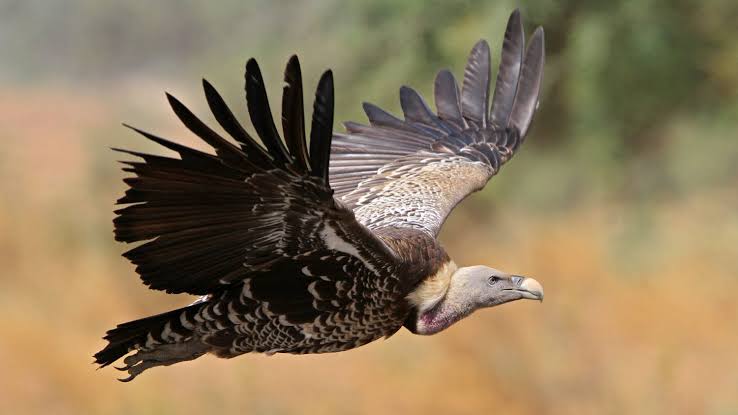
Vulture Decline in Africa and Why It Matters
African vulture populations have suffered genuinely dramatic decline across recent decades, this often-overlooked conservation crisis receiving considerably less public attention than more charismatic species despite vultures’ genuinely critical ecological function. Vulture decline in Africa and why it matters reveals this serious, underappreciated conservation challenge, this understanding helping visitors appreciate these often-maligned birds’ genuine ecological importance beyond simple aesthetic appeal alone.
Key Highlights
- African vulture populations have declined genuinely dramatically across recent decades
- Poisoning represents the primary, most significant threat driving this population collapse
- Vultures provide genuinely critical ecosystem cleanup and disease prevention function
- Poaching-related poisoning specifically targets vultures given their carcass-detection role
- Conservation organisations increasingly prioritise vulture protection given this crisis severity
- Visitor awareness helps counter vultures’ typically negative public perception
Why Vulture Populations Have Declined So Dramatically
African vulture populations have declined genuinely dramatically across recent decades, multiple vulture species have experienced population declines exceeding ninety percent in some cases, this dramatic collapse representing one of Africa’s most severe, though often overlooked, conservation crises affecting any bird species group.
Why This Decline’s Severity Deserves Genuine Recognition
Population declines of this magnitude represent genuinely catastrophic conservation crisis by any reasonable measure, visitors should understand this severity, this dramatic decline deserving considerably more public attention and concern than vultures’ typically negative cultural perception usually generates.
Poisoning as the Primary Threat
Poisoning represents the primary, most significant threat driving this population collapse, deliberate and accidental poisoning represents the single largest contributor to vulture population decline, this poisoning sometimes targeting other predators but affecting vultures given their scavenging behaviour and tendency to congregate at poisoned carcasses in large numbers.
Critical Ecosystem Cleanup Function
Vultures provide genuinely critical ecosystem cleanup and disease prevention function, these birds efficiently consume animal carcasses, this scavenging function genuinely preventing disease spread that decomposing carcasses would otherwise facilitate, vultures’ ecological service representing considerably more important public health function than their negative cultural perception typically acknowledges.
Why This Ecological Function Deserves Genuine Appreciation
Vultures’ efficient carcass consumption genuinely prevents disease spread and environmental contamination that decomposing carcasses would otherwise create, this public health function representing genuine ecosystem service deserving considerably more appreciation than vultures’ typically negative, scavenger-associated cultural perception usually provides.
Poaching-Related Poisoning Specifically Targeting Vultures
Poaching-related poisoning specifically targets vultures given their carcass-detection role, poachers sometimes deliberately poison carcasses specifically to kill vultures circling overhead, since these circling birds can alert authorities to illegal poaching activity, this deliberate targeting representing particularly concerning threat dimension beyond simply accidental poisoning alone.
Why This Deliberate Targeting Represents Particularly Concerning Threat
Poachers’ deliberate vulture poisoning specifically to prevent detection represents genuinely calculated threat beyond simple accidental poisoning, this deliberate targeting demonstrating poachers’ awareness of vultures’ detection role, this awareness unfortunately making vultures a specific target rather than simply incidental poisoning casualty.
Increasing Conservation Prioritisation
Conservation organisations increasingly prioritise vulture protection given this crisis severity, growing recognition of vulture decline’s genuine severity has prompted increased conservation attention and resource allocation specifically addressing this particular crisis, this growing prioritisation reflecting overdue recognition of vultures’ genuine conservation importance.
Countering Negative Public Perception
Visitor awareness helps counter vultures’ typically negative public perception, vultures’ scavenging behaviour and association with death creates genuinely negative cultural perception in many contexts, visitor education helping counter this perception by highlighting vultures’ genuine ecological importance and conservation vulnerability.
What Visitors Can Do to Support Vulture Conservation
Visitors genuinely interested in supporting vulture conservation should research organisations specifically working on this particular crisis, this targeted support helping advance critically needed conservation attention toward this often-overlooked species group facing genuinely severe, ongoing population threat.
Understanding the Traditional Medicine Trade’s Additional Contribution
Visitors should understand that traditional medicine trade represents another genuine contributing factor to vulture decline, certain traditional beliefs attributing special properties to vulture body parts, this demand creating additional hunting pressure beyond simply poisoning alone, this additional threat dimension adding further complexity to this already serious conservation challenge.
Why This Additional Threat Dimension Deserves Genuine Recognition
Traditional medicine trade’s genuine contribution to vulture decline represents an additional threat category beyond simply poisoning alone, visitors should understand this multiple-threat reality, this comprehensive understanding helping appreciate the genuine complexity conservation organisations must address when developing effective vulture protection strategies.
Power Line Collisions as an Additional Mortality Source
Visitors should understand that power line collisions and electrocutions represent another genuine mortality source affecting vulture populations, these large birds’ considerable wingspan making them particularly vulnerable to infrastructure-related collision risk, this additional threat category requiring specific infrastructure design consideration beyond simply addressing poisoning alone.
Why Infrastructure-Related Risk Requires Specific Design Solutions
Vultures’ considerable size genuinely increases their vulnerability to power line collision and electrocution risk compared to smaller bird species, this specific vulnerability requiring targeted infrastructure design solutions, like appropriate line marking or alternative routing, addressing this particular mortality source.
Slow Reproductive Rates Complicating Population Recovery
Visitors should understand that vultures’ genuinely slow reproductive rates, typically producing only a single offspring per breeding attempt, significantly complicate population recovery following decline, this slow reproduction meaning population recovery, even with effective threat reduction, genuinely requires considerable time given vultures’ inherent biological reproductive limitations.
Why Vulture Decline Affects Disease Surveillance Capability
Visitors should understand that declining vulture populations genuinely compromise natural disease surveillance capability, these birds’ rapid carcass detection and consumption previously helping limit disease spread from infected carcasses, their population decline potentially allowing increased disease transmission opportunity that functioning vulture populations previously helped naturally limit.
Why This Disease Surveillance Function Deserves Specific Recognition
Vultures’ rapid response to carcasses genuinely limits the time window during which disease-causing organisms can spread from decomposing remains, this natural disease surveillance function representing genuine public health value that population decline directly compromises, this specific mechanism deserving recognition beyond simply general ecosystem health references.
Frequently Asked Questions
How severe has African vulture population decline actually been?
Genuinely severe, with some species experiencing population declines exceeding ninety percent in recent decades.
What represents the primary threat driving this decline?
Deliberate and accidental poisoning represents the single largest contributor to vulture population collapse.
Why do vultures matter ecologically beyond their appearance?
They provide critical ecosystem cleanup and disease prevention through efficient carcass consumption.
Do poachers specifically target vultures deliberately?
Sometimes yes, specifically to prevent circling vultures from alerting authorities to illegal poaching activity.
Is vulture conservation receiving increased attention?
Increasingly yes, growing recognition of this crisis severity has prompted increased conservation resource allocation.
Can visitors support vulture conservation specifically?
Yes, research and support organisations specifically working on this particular, often-overlooked conservation crisis.
Why Vultures Deserve Genuine Appreciation During Safari Sightings
Visitors encountering vultures during their safari should consciously appreciate these birds beyond simply their typically negative cultural association, recognising their genuine ecological importance and current conservation vulnerability, this conscious appreciation helping counter vultures’ usual dismissal as simply unpleasant scavenger birds unworthy of genuine conservation attention.
Why Conscious Appreciation Genuinely Matters for This Species Group
Vultures’ typically negative cultural perception genuinely undermines public support for their conservation compared to more charismatic species, visitors consciously appreciating vultures’ genuine ecological value help counter this perception problem, this shift in perspective representing genuinely important contribution to broader vulture conservation awareness.
Asking Your Guide About Local Vulture Populations and Conservation Efforts
Visitors genuinely interested in this particular conservation topic should ask their guide about local vulture populations and any specific regional conservation efforts, guides often possessing genuine knowledge about current vulture status and relevant local conservation programmes that add meaningful, current context beyond general understanding alone.
Why Local Guide Knowledge Adds Genuinely Valuable Specific Context
General understanding of vulture decline benefits considerably from guides’ genuine current knowledge of specific regional populations and conservation efforts, visitors should actively seek this particular local context, this engagement helping transform abstract conservation understanding into concrete, locally relevant knowledge.
Why This Crisis Deserves Recognition Alongside More Famous Conservation Causes
Visitors should recognise vulture decline as deserving genuine recognition alongside more famous conservation causes like elephant or rhino protection, this often-overlooked crisis affecting an entire bird species group deserving comparable attention given its genuine severity and important ecological consequences throughout the broader African landscape.
Why Rethinking Our Cultural Relationship With Scavenger Species Matters
Visitors should consider how broader cultural attitudes toward scavenger species genuinely affect conservation outcomes, species associated with death and decay typically receiving considerably less public sympathy than predators or herbivores despite comparable or greater ecological importance, this cultural rethinking representing genuinely important shift supporting more balanced conservation prioritisation.
Why Photographing Vultures Thoughtfully Can Support Awareness
Visitors who photograph vultures during their safari and share these images thoughtfully, with appropriate context about their genuine ecological importance and conservation vulnerability, help contribute to broader public awareness beyond simply their own personal trip documentation, this thoughtful sharing representing a genuinely accessible way visitors can support broader vulture conservation awareness efforts.
Why This Underappreciated Crisis Deserves Your Continued Attention
Visitors should carry forward this understanding of vulture decline’s genuine severity beyond simply their immediate safari trip, this continued attention and awareness helping support broader, sustained conservation effort addressing what remains one of Africa’s most serious, though genuinely underappreciated, current wildlife conservation crises.
Recommended Safaris
Appreciating vultures’ genuine ecological importance adds depth to understanding Africa’s complete wildlife ecosystem. Ready to plan your trip? Reach our team through our Book Now page and we’ll help with the details.





No comment