
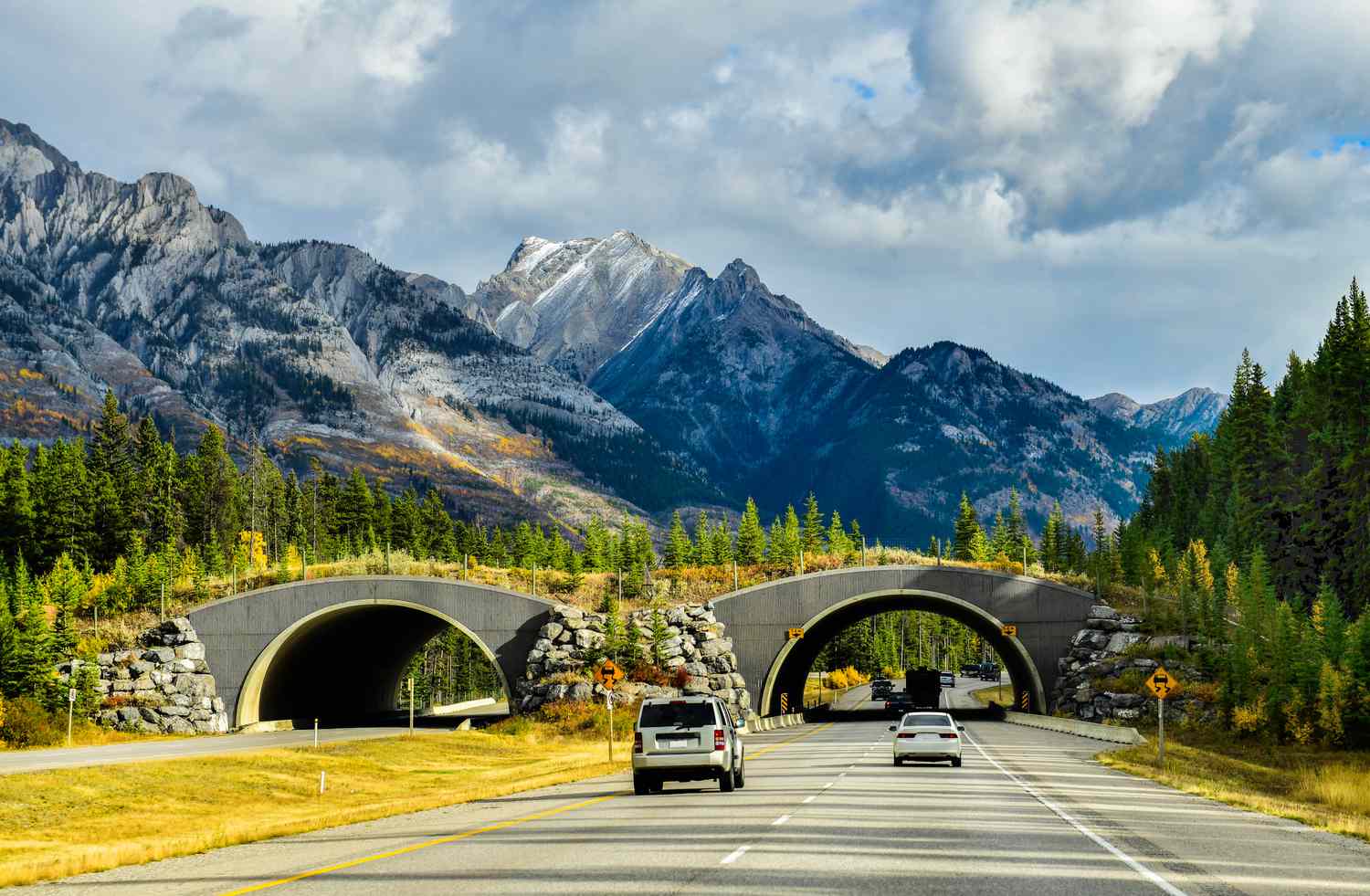
Wildlife Corridors: Why Animals Need Room to Move
Wildlife populations genuinely require movement between different habitat areas for breeding, seasonal resource access and genetic diversity maintenance, this fundamental biological need facing increasing challenge as human development fragments previously continuous wildlife habitat. Wildlife corridors address why animals genuinely need room to move, this understanding helping visitors appreciate this often underappreciated conservation dimension beyond simply protecting isolated individual parks alone.
Key Highlights
- Wildlife populations require movement between areas for genuine biological necessity
- Habitat fragmentation increasingly threatens traditional wildlife movement patterns
- Corridors specifically connect otherwise isolated habitat patches for continued movement
- Genetic diversity maintenance depends considerably on maintained population connectivity
- Seasonal resource access sometimes requires movement across considerable distances
- Corridor protection increasingly represents important conservation priority beyond single-park protection
Why Movement Represents Genuine Biological Necessity
Wildlife populations require movement between areas for genuine biological necessity, this movement serving multiple essential functions, including accessing seasonal resources, finding breeding partners and avoiding localised resource depletion, this fundamental biological need meaning isolated, non-connected protected areas alone sometimes cannot adequately support genuinely healthy wildlife populations over time.
Why Understanding This Necessity Challenges Simplified Park Protection Assumptions
Visitors sometimes assume individual protected parks alone adequately protect wildlife regardless of connectivity to other habitat areas, understanding movement’s genuine biological necessity challenges this simplified assumption, revealing conservation’s genuine complexity extending beyond simply protecting isolated park boundaries alone.
Habitat Fragmentation’s Increasing Threat
Habitat fragmentation increasingly threatens traditional wildlife movement patterns, expanding human settlement, agriculture and infrastructure development increasingly fragments previously continuous wildlife habitat into isolated patches, this fragmentation genuinely threatening wildlife populations’ traditional movement patterns between different habitat areas.
How Corridors Connect Isolated Habitat Patches
Corridors specifically connect otherwise isolated habitat patches for continued movement, wildlife corridors represent specifically designated and protected pathways connecting separated habitat areas, this connection allowing continued wildlife movement despite surrounding habitat fragmentation that would otherwise isolate different wildlife populations from each other.
Why This Connective Function Represents Genuinely Critical Conservation Infrastructure
Without specific corridor protection, habitat fragmentation genuinely risks isolating wildlife populations into disconnected, vulnerable sub-populations, corridors specifically addressing this fragmentation challenge, this connective function representing genuinely critical conservation infrastructure beyond simply individual protected area management alone.
Genetic Diversity Maintenance Through Connectivity
Genetic diversity maintenance depends considerably on maintained population connectivity, isolated wildlife populations without corridor connectivity to other populations risk genuine genetic diversity decline over successive generations, this genetic concern representing another important reason corridor protection matters beyond simply immediate movement access alone.
Why Genetic Diversity Concerns Deserve Genuine Long-Term Attention
Genetic diversity decline within isolated populations creates genuine long-term population health risk, sometimes not immediately apparent but genuinely consequential over successive generations, corridor-maintained connectivity specifically addressing this longer-term genetic health concern beyond simply immediate movement needs.
Seasonal Resource Access Requiring Movement
Seasonal resource access sometimes requires movement across considerable distances, certain wildlife species, particularly larger mammals like elephants, genuinely require seasonal movement across considerable distances to access water and food resources that vary seasonally across different areas, this movement requirement making corridor protection particularly important for these specific species.
Corridor Protection as Important Conservation Priority
Corridor protection increasingly represents important conservation priority beyond single-park protection, conservation organisations increasingly recognise corridor protection as genuinely important conservation priority, this recognition reflecting evolving understanding that wildlife protection requires addressing connectivity between protected areas rather than focusing exclusively on individual park management alone.
How Human Development Pressures Challenge Corridor Maintenance
Visitors should understand that maintaining wildlife corridors faces genuine ongoing pressure from expanding human development, this tension between development needs and corridor protection representing genuinely difficult conservation challenge requiring careful balance between legitimate human development needs and essential wildlife connectivity maintenance.
Understanding Climate Change’s Additional Pressure on Corridor Needs
Visitors should understand that climate change adds additional genuine pressure on corridor needs, shifting temperature and rainfall patterns potentially requiring wildlife populations to access different areas than historically necessary, this climate dimension adding genuine additional complexity and urgency to corridor protection efforts beyond simply addressing current fragmentation alone.
Why Climate Change Specifically Increases Corridor Protection Urgency
Shifting climate patterns potentially require wildlife populations to access genuinely different areas than historical movement patterns required, this evolving need making corridor protection even more critical given this additional climate-related uncertainty layered atop existing fragmentation challenges.
Cross-Border Corridors Spanning Multiple Countries
Visitors should understand that some genuinely important wildlife corridors span international borders, this cross-border dimension requiring coordinated conservation effort across multiple national governments and conservation organisations, this international coordination representing additional genuine complexity beyond simply domestic corridor protection within a single country.
Why International Coordination Adds Genuine Additional Complexity
Cross-border corridors require genuine diplomatic and conservation coordination across multiple national jurisdictions, this international dimension adding meaningful additional complexity beyond domestic corridor protection, visitors should appreciate this particular challenge dimension when understanding broader regional conservation efforts.
Technology Supporting Corridor Identification and Monitoring
Visitors should understand that modern technology, including GPS tracking collars and satellite imagery analysis, increasingly supports scientific identification of genuinely important wildlife movement patterns, this technological support helping conservation organisations identify and prioritise which specific corridors deserve particular protective attention and resource investment.
Why Elephants Specifically Illustrate This Connectivity Need
Visitors should understand elephants as a particularly illustrative example of corridor necessity, these animals’ considerable size and resource needs requiring access to substantial territory, their traditional movement patterns sometimes spanning considerable distances that habitat fragmentation genuinely threatens without adequate corridor protection maintaining these historical movement routes.
Why Elephants’ Specific Needs Make Them a Genuine Corridor Priority Species
Elephants’ considerable space and resource requirements make them particularly vulnerable to habitat fragmentation without adequate corridor protection, conservation organisations often specifically prioritise elephant movement patterns when identifying and protecting genuinely critical wildlife corridors throughout the broader region.
Frequently Asked Questions
Why do wildlife populations genuinely need to move between areas?
Essential functions include accessing seasonal resources, finding breeding partners and avoiding resource depletion.
What exactly is a wildlife corridor?
A specifically designated, protected pathway connecting separated habitat areas for continued wildlife movement.
Why does genetic diversity matter for wildlife populations?
Isolated populations without connectivity risk genuine genetic diversity decline over successive generations.
Do all wildlife species require corridors equally?
Larger mammals requiring seasonal movement across considerable distances particularly depend on corridor connectivity.
Is corridor protection a newer conservation priority?
Increasingly yes, reflecting evolving understanding beyond simply individual park management alone.
Does human development threaten corridor maintenance?
Yes, expanding settlement and infrastructure create genuine ongoing pressure on corridor protection efforts.
How Private Conservancies Contribute to Corridor Protection
Visitors should understand that private conservancies sometimes play genuinely important roles supporting corridor connectivity between formal national parks, these conservancy areas sometimes specifically designed and managed to maintain wildlife movement capability between larger protected areas, this private sector contribution representing valuable addition to formal government-protected corridor infrastructure.
Why Private Conservancy Contribution Adds Meaningful Additional Protection
Private conservancies’ flexible management structure sometimes allows more adaptive corridor protection than formal government protected areas alone might achieve, this private sector contribution representing valuable additional protective layer supporting broader landscape-level wildlife connectivity efforts.
Why Corridor Conflict With Agricultural Communities Requires Sensitive Handling
Visitors should understand that corridor protection sometimes creates genuine tension with agricultural communities whose land happens to fall within identified important wildlife movement routes, this tension requiring sensitive, honest handling balancing legitimate community land use needs against genuine wildlife connectivity requirements, rather than simply imposing restrictions without adequate community consideration.
Why This Balance Requires Genuine Sensitivity Rather Than Simple Imposition
Communities occupying land within identified corridor areas face genuine legitimate concern about land use restrictions, conservation organisations increasingly recognise this tension requires sensitive, collaborative approaches rather than simply imposing corridor protection without adequate community engagement and appropriate compensation consideration.
Asking Your Guide About Specific Local Corridor Efforts
Visitors genuinely interested in learning more should ask their guide about specific corridor protection efforts within their particular region, guides often possessing genuine knowledge about current connectivity initiatives and specific wildlife movement patterns that add meaningful, current context beyond general understanding alone.
Why This Landscape-Level Thinking Represents Important Conservation Evolution
Visitors should appreciate landscape-level corridor thinking as representing genuinely important conservation philosophy evolution beyond earlier approaches focused narrowly on individual protected area boundaries alone, this broader perspective reflecting deeper scientific understanding of what genuinely sustainable, long-term wildlife population health actually requires across entire regional landscapes.
Why This Topic Deserves Place in Broader Safari Conservation Education
Tour operators and guides should consider incorporating genuine corridor and connectivity awareness into standard safari conservation briefings, this inclusion helping visitors develop more sophisticated understanding of conservation’s genuine landscape-level complexity beyond simply appreciating individual park wildlife viewing alone throughout their broader safari experience.
Supporting Organisations Specifically Working on Corridor Protection
Visitors genuinely interested in supporting this particular conservation dimension should research organisations specifically focused on wildlife corridor identification, protection and community engagement, this targeted support helping advance this often underappreciated but genuinely critical conservation priority beyond simply standard park-focused conservation funding alone.
Why This Invisible Infrastructure Deserves Visible Appreciation
Visitors should recognise that wildlife corridors, despite remaining largely invisible to standard safari visitors focused on direct wildlife viewing, represent genuinely essential conservation infrastructure deserving visible appreciation, this recognition helping visitors develop more complete understanding of what sustaining the wildlife populations they encounter actually requires across the broader landscape.
Recommended Safaris
Understanding wildlife corridors adds genuine depth to appreciating conservation’s full landscape-level complexity. Ready to plan your trip? Reach our team through our Book Now page and we’ll help with the details.



No comment