
Beehive Fences: How Bees Keep Elephants Out of Farms
Among human-wildlife conflict mitigation innovations, beehive fences represent a genuinely elegant solution specifically leveraging elephants’ natural aversion to bees, this biologically-informed approach offering considerably more sustainable, community-beneficial results than many standard deterrent methods. Beehive fences demonstrate how bees keep elephants out of farms, this understanding helping visitors appreciate conservation’s genuinely creative, scientifically-informed innovation addressing human-wildlife conflict challenges.
Key Highlights
- Elephants display genuine natural aversion to bees and their painful stings
- Beehive fence construction involves specific design connecting hives along farm boundaries
- This system produces honey as valuable additional community economic benefit
- Research demonstrates genuinely measurable effectiveness compared to standard deterrent methods
- Community training and support enables sustainable long-term programme operation
- This innovation represents broader trend toward biologically-informed conservation solutions
Why Elephants Display Genuine Aversion to Bees
Elephants display genuine natural aversion to bees and their painful stings, despite their enormous size, elephants possess genuinely sensitive skin around their eyes, trunk and other areas vulnerable to bee stings, this biological vulnerability creating genuine instinctive avoidance behaviour that beehive fence systems specifically exploit for deterrent purposes.
Why This Biological Vulnerability Creates Genuinely Reliable Deterrent Behaviour
Elephants’ instinctive bee avoidance stems from genuine biological vulnerability rather than simply learned behaviour, this instinctive foundation making beehive deterrent effects genuinely reliable across different elephant populations without requiring individual learning that some other deterrent approaches might otherwise need.
Specific Beehive Fence Design
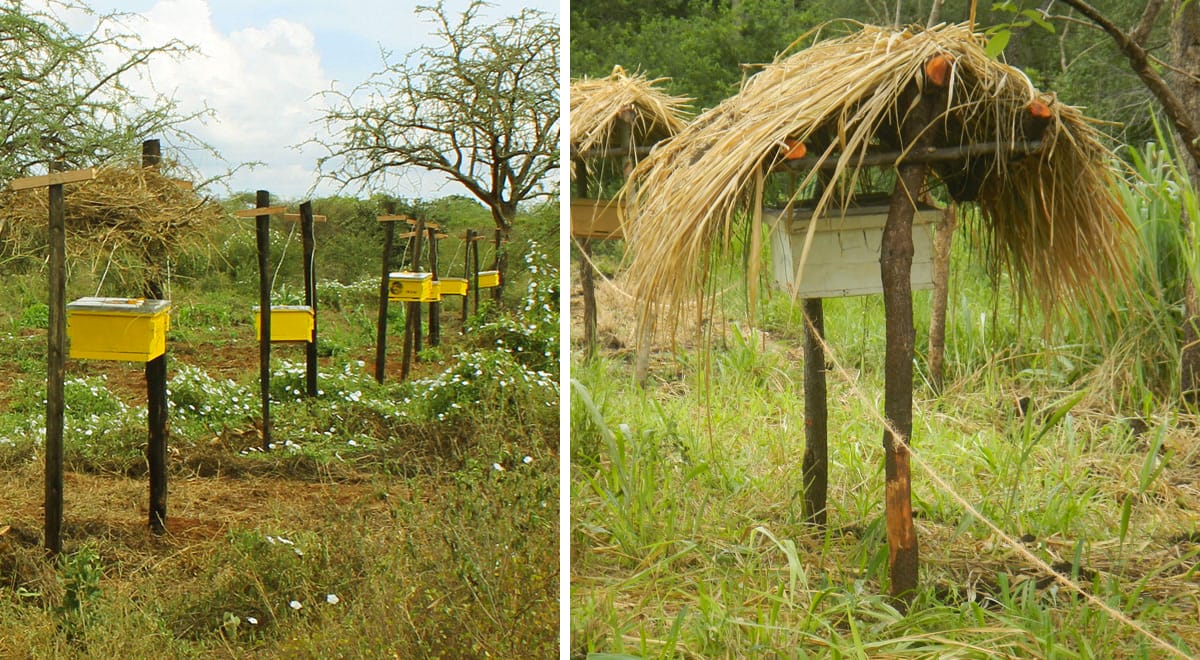
Beehive fence construction involves specific design connecting hives along farm boundaries, this system typically involves hanging beehives at regular intervals along wire connecting farm perimeter posts, disturbance to any connected wire triggering nearby hive agitation, this specific design creating genuine deterrent zone along the entire protected farm boundary.
Why This Specific Design Creates Comprehensive Boundary Protection
The connected-wire design means elephant contact anywhere along the boundary triggers bee response, this comprehensive design providing genuine full-boundary protection rather than only protecting specific isolated points, this design sophistication representing genuine engineering thoughtfulness beyond simply placing hives randomly.
Honey as Additional Community Economic Benefit
This system produces honey as valuable additional community economic benefit, beyond simply elephant deterrent function, beehive fences produce genuine honey yield that farmers can sell or consume, this additional economic benefit distinguishing beehive fences from purely deterrent-focused solutions lacking this valuable additional community benefit dimension.
Why This Combined Benefit Represents Genuinely Elegant Solution Design
Combining genuine deterrent effectiveness with valuable honey production represents particularly elegant solution design, farmers specifically benefiting from both crop protection and additional honey income, this dual benefit making beehive fences genuinely more attractive to communities than purely deterrent-focused alternatives.
Research-Demonstrated Effectiveness
Research demonstrates genuinely measurable effectiveness compared to standard deterrent methods, conservation research studying beehive fence implementation has documented genuinely measurable reduction in elephant crop raiding incidents compared to properties without this particular deterrent system, this research-backed evidence supporting beehive fences’ genuine practical value.
Community Training and Support
Community training and support enables sustainable long-term programme operation, successful beehive fence implementation requires genuine community training in both beekeeping and fence maintenance, organisations implementing this solution typically providing this training support, this capacity-building representing essential foundation for sustainable long-term programme success.
Why Training Investment Deserves Recognition as Essential Programme Component
Beehive fences require genuine ongoing maintenance and beekeeping knowledge beyond simple initial installation, community training investment representing essential foundation for sustainable long-term success, this training component deserving recognition as equally important as the physical fence installation itself.
Broader Trend Toward Biologically-Informed Solutions
This innovation represents broader trend toward biologically-informed conservation solutions, beehive fences exemplify a broader conservation trend toward solutions genuinely informed by specific animal biology and behaviour, rather than simply generic deterrent approaches, this biologically-informed approach representing genuinely promising conservation innovation direction.
Visiting Beehive Fence Programmes During Your Safari
Visitors interested in this particular conservation innovation should ask their tour operator about opportunities to visit active beehive fence programmes, some community-based tourism initiatives offering visitors genuine opportunity to see this innovative system in operation and learn directly from participating farmers.
Understanding the Scientific Research Behind This Innovation
Visitors should understand that beehive fence technology originated from genuine scientific research specifically studying elephant behaviour and biology, this research-based origin distinguishing beehive fences from simply traditional folk wisdom alone, researchers specifically testing and refining this approach through systematic observation and measurement before widespread implementation.
Why This Research Foundation Adds Genuine Credibility
Beehive fences’ grounding in systematic scientific research, rather than simply untested traditional practice, adds genuine credibility to this particular conservation solution, visitors should appreciate this research foundation as distinguishing genuinely evidence-based innovation from less rigorously tested alternative approaches.
Comparing Costs Against Alternative Deterrent Methods
Visitors should understand that beehive fences involve genuine upfront installation costs, including hive purchase and fence materials, though this initial investment often proves worthwhile given both deterrent effectiveness and ongoing honey income potential, this cost-benefit consideration representing important practical dimension beyond simply deterrent effectiveness alone.
Why Long-Term Economics Favour This Particular Investment
While beehive fences require genuine upfront investment, their combination of deterrent effectiveness and ongoing honey income often produces favourable long-term economics compared to alternative deterrent methods lacking this additional income-generating dimension, this long-term perspective helping justify initial installation costs.
Scaling This Solution Across Broader Agricultural Areas
Conservation organisations continue working to scale beehive fence implementation across broader agricultural areas bordering wildlife habitat, this scaling effort requiring continued funding, training capacity and community engagement, visitors interested in supporting this particular conservation innovation should research organisations specifically working on this scaling effort.
Why This Solution Also Supports Bee Population Conservation
Visitors should understand that beehive fences also contribute to bee population support and pollinator conservation, this additional ecological benefit extending beyond simply elephant deterrence and honey production alone, these fences supporting bee populations that provide broader ecosystem pollination services throughout the surrounding agricultural landscape.
Why This Pollinator Benefit Adds Further Ecological Value
Supporting bee populations through beehive fences provides genuine additional ecological value through pollination services benefiting broader agricultural productivity, this additional ecosystem benefit representing yet another dimension of this solution’s genuinely multifaceted positive impact beyond simply its primary elephant deterrent function.
Frequently Asked Questions
Why are elephants specifically afraid of bees despite their size?
Their genuinely sensitive skin around eyes, trunk and other areas creates real vulnerability to painful bee stings.
How exactly does a beehive fence physically work?
Hives hang along connected wire, disturbance anywhere along the boundary triggering nearby hive agitation.
Do beehive fences provide benefits beyond elephant deterrence?
Yes, they produce genuine honey yield providing valuable additional community economic benefit.
Has research confirmed beehive fences’ genuine effectiveness?
Yes, studies document measurable reduction in crop raiding incidents compared to properties without this system.
Do communities need specific training to maintain beehive fences?
Yes, genuine beekeeping and maintenance training represents essential foundation for sustainable success.
Can visitors see beehive fence programmes during their safari?
Sometimes yes, ask your tour operator about community-based programmes offering this particular visiting opportunity.
Understanding Why This Solution Isn’t Universally Applicable
Visitors should understand that beehive fences, despite genuine effectiveness, don’t represent universal solution applicable to every human-wildlife conflict scenario, certain terrain, climate conditions or specific elephant behaviour patterns sometimes limiting this particular approach’s applicability, this honest limitation acknowledgment representing appropriate conservation nuance rather than oversimplified solution promotion.
Why Acknowledging Limitations Represents Genuine Conservation Honesty
No single conservation solution, including beehive fences, universally resolves every human-wildlife conflict scenario, honest acknowledgment of this particular approach’s limitations alongside its genuine strengths represents appropriate conservation communication rather than oversimplified promotional messaging that might create unrealistic universal expectations.
Why This Innovation Deserves Celebration as Genuine Conservation Creativity
Visitors should celebrate beehive fences as genuinely impressive conservation creativity, this solution demonstrating how careful biological understanding combined with thoughtful engineering design can produce genuinely elegant answers to complex conservation challenges, this creative problem-solving deserving genuine appreciation alongside more commonly celebrated conservation achievements.
Why This Example Illustrates Conservation’s Collaborative Nature
Visitors should appreciate how beehive fences illustrate conservation’s genuinely collaborative nature, this solution emerging from partnership between scientific researchers, conservation organisations and local communities themselves, this collaborative origin representing genuinely important model for addressing conservation challenges through combined expertise rather than top-down solutions alone.
Why Visitors Should Ask About This Innovation During Their Trip
Visitors should actively ask their guide or tour operator about beehive fences and similar human-wildlife conflict innovations during their safari, this direct inquiry helping visitors engage more deeply with conservation’s genuine practical dimension beyond simply observing wildlife alone, this engagement enriching overall understanding of the broader conservation ecosystem supporting their safari experience.
Purchasing Honey Produced Through Beehive Fence Programmes
Visitors should consider purchasing honey produced through beehive fence programmes where available, this direct purchase supporting participating farmers’ economic benefit while also providing visitors a genuinely meaningful souvenir directly connected to this particular conservation innovation they’ve learned about during their trip.
Why This Story Resonates Beyond Conservation Circles Alone
Visitors should recognise that beehive fences’ story resonates genuinely beyond narrow conservation circles alone, this accessible, intuitive solution often capturing broader public imagination given its elegant simplicity, this wider appeal helping advocate for conservation funding and support from audiences who might not otherwise engage deeply with more technical conservation topics.
Recommended Safaris
Learning about innovations like beehive fences adds genuine appreciation for conservation’s creative problem-solving. Ready to plan your trip? Reach our team through our Book Now page and we’ll help with the details.






No comment