
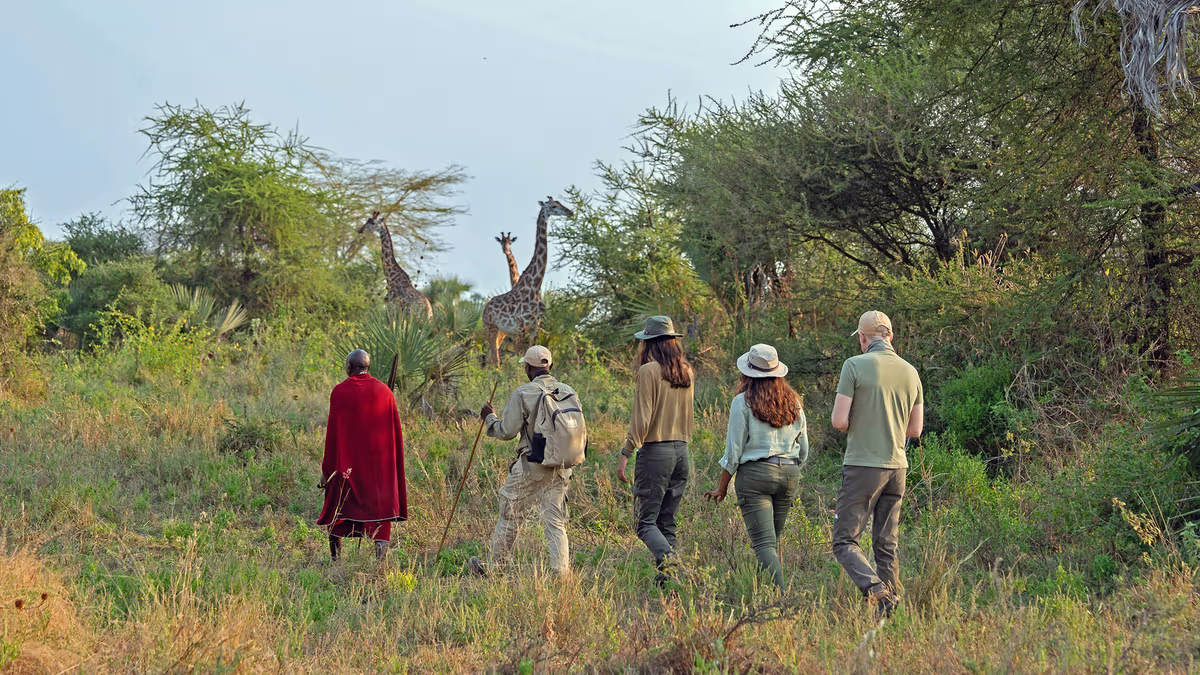
Travelling With Autism or Sensory Needs on Safari
Families with autistic members or those managing specific sensory processing needs face genuinely particular considerations when planning safari travel, this understanding helping these families identify appropriate accommodations and preparation strategies. Travelling with autism or sensory needs on safari remains genuinely achievable through thoughtful preparation, this practical guidance helping families plan safari experiences specifically accommodating these particular sensory and processing considerations.
Key Highlights
- Advance preparation and predictability genuinely benefit many autistic travellers
- Sensory considerations around sound, smell and visual stimulation deserve specific planning attention
- Flexible, private vehicle arrangements accommodate individual pacing and comfort needs
- Communicating specific needs clearly with guides helps ensure appropriate support
- Choosing accommodation with appropriate sensory environment matters considerably
- Building in adequate rest and decompression time prevents sensory overwhelm
Why Advance Preparation Genuinely Benefits Many Autistic Travellers
Advance preparation and predictability genuinely benefit many autistic travellers, many autistic individuals benefit considerably from detailed advance understanding of what to expect, families should prepare thorough, specific information about planned activities, accommodation and daily schedules well before travel, this detailed preparation helping reduce anxiety that uncertainty often creates.
Why This Advance Preparation Deserves Particular Priority
Uncertainty about unfamiliar situations often creates genuine distress for many autistic individuals, thorough advance preparation specifically addresses this particular need by replacing uncertainty with concrete, detailed understanding, this preparation representing a genuinely important accommodation strategy for this specific traveller population.
Sensory Considerations Around Sound, Smell and Visual Stimulation
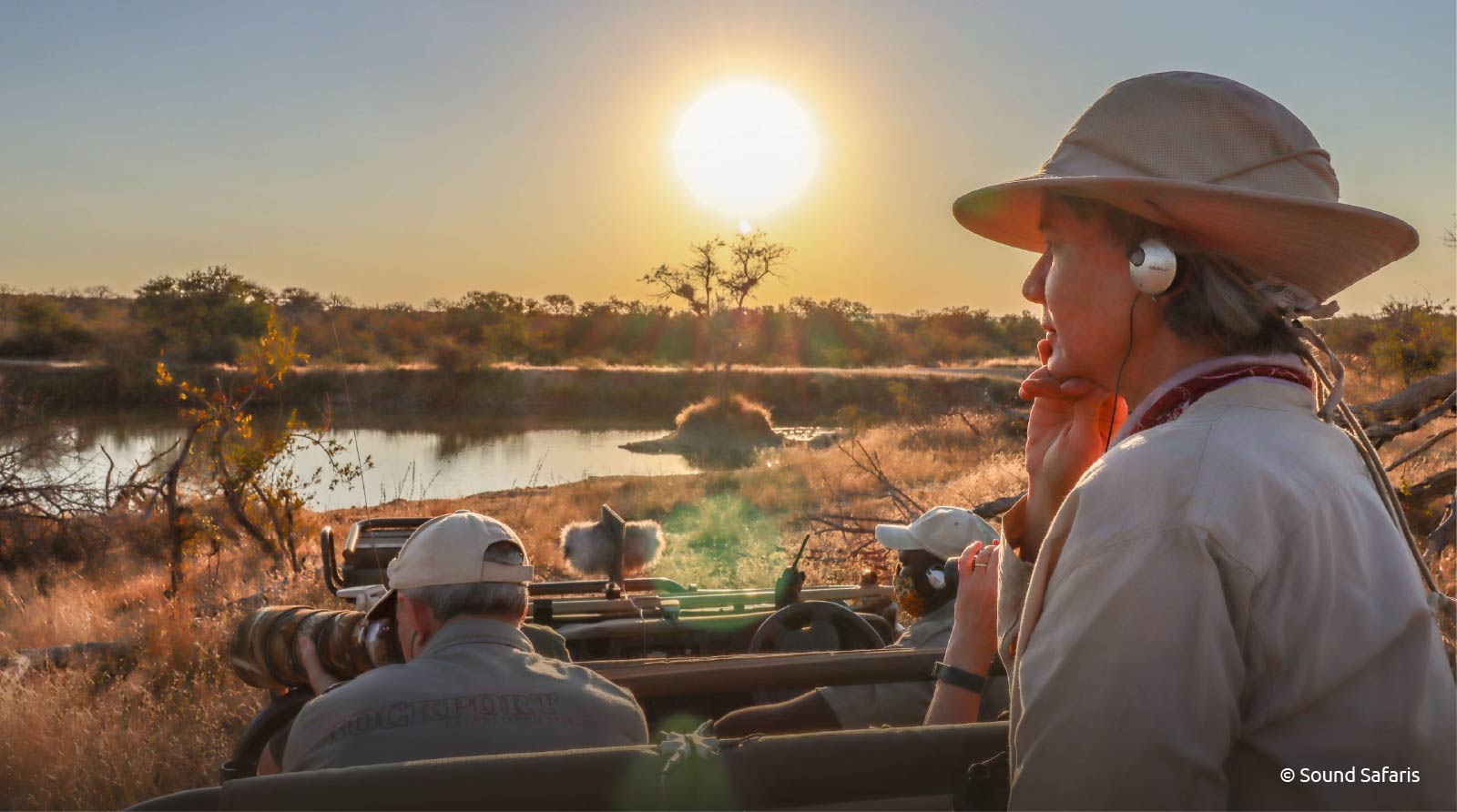
Sensory considerations around sound, smell and visual stimulation deserve specific planning attention, safari environments involve genuinely distinct sensory experiences, including vehicle engine sounds, unfamiliar scents and considerable visual stimulation, families should specifically prepare for and plan around these particular sensory elements that might affect sensitive individuals differently.
Why These Specific Sensory Elements Deserve Particular Advance Consideration
Safari environments’ genuinely distinct sensory profile differs considerably from familiar home environments, families should specifically research and prepare for these particular sensory elements, this preparation helping identify potential accommodation needs before actually encountering these sensory experiences during the trip itself.
Flexible, Private Vehicle Arrangements
Flexible, private vehicle arrangements accommodate individual pacing and comfort needs, families should strongly consider private vehicle arrangements rather than shared group transport, this private option allowing genuine flexibility to adjust activities, timing or even cut activities short based on actual individual comfort and sensory needs in the moment.
Why Private Arrangements Particularly Benefit This Traveller Population
Shared group vehicles typically require maintaining fixed schedules regardless of individual sensory needs, private vehicle arrangements’ genuine flexibility allowing immediate adjustment based on actual comfort levels, this flexibility representing genuinely valuable accommodation for travellers managing specific sensory processing needs.
Clear Communication With Guides
Communicating specific needs clearly with guides helps ensure appropriate support, families should communicate specific sensory needs and appropriate support strategies directly with their guide before activities begin, this advance communication helping guides provide genuinely appropriate accommodation throughout shared activities rather than discovering these needs only during an actual difficult moment.
Accommodation Sensory Environment
Choosing accommodation with appropriate sensory environment matters considerably, families should research specific accommodation’s sensory characteristics, including noise levels, lighting and general atmosphere, this research helping identify properties genuinely suited to specific sensory needs rather than assuming uniform sensory environment across all accommodation options.
Why Accommodation Sensory Research Deserves Specific Attention
Different properties genuinely vary considerably in their sensory characteristics, families should specifically research these particular details beyond standard accommodation marketing, this research helping identify properties genuinely suited to specific sensory sensitivities rather than discovering mismatches only upon arrival.
Adequate Rest and Decompression Time
Building in adequate rest and decompression time prevents sensory overwhelm, families should plan genuinely adequate rest periods between activities, this deliberate pacing helping prevent the sensory overwhelm that overly ambitious, activity-packed itineraries might otherwise create for individuals managing specific sensory processing needs.
Packing Familiar Comfort Items and Sensory Tools
Families should pack familiar comfort items and appropriate sensory tools, like noise-cancelling headphones, weighted blankets or preferred fidget items, this preparation providing genuine in-the-moment support and comfort specifically suited to individual sensory regulation needs throughout the trip’s various activities and environments.
Why Familiar Sensory Tools Provide Genuine Practical Support
Familiar sensory regulation tools provide genuine comfort and support during potentially challenging sensory moments, families should prioritise packing these specific items rather than assuming unfamiliar environments alone will provide adequate sensory regulation support without these particular familiar tools.
Creating a Visual Schedule or Social Story Before the Trip
Families should consider creating a visual schedule or social story specifically outlining the trip’s planned activities and sequence, this preparation tool helping many autistic individuals process and anticipate upcoming experiences more comfortably than verbal description alone might achieve.
Why Visual Preparation Tools Often Outperform Verbal Description Alone
Many autistic individuals process visual information more effectively than purely verbal description, families should specifically create visual schedules or social stories as a genuinely effective preparation tool, this approach often producing considerably better anticipatory understanding than verbal explanation alone provides.
Discussing Specific Needs Directly With Your Tour Operator
Families should discuss their specific sensory needs and preferred accommodation strategies directly and thoroughly with their tour operator during planning, this detailed conversation helping operators suggest genuinely suitable itinerary adjustments specifically informed by individual circumstances rather than generic assumptions about autism or sensory needs.
Considering Food Texture and Preference Accommodation
Families should communicate specific food texture preferences or sensitivities clearly with accommodation kitchen staff, many autistic individuals experiencing genuine food texture sensitivities beyond standard dietary restrictions, this specific communication helping ensure meals genuinely accommodate these particular sensory food preferences throughout the trip.
Why Food Texture Sensitivity Deserves Distinct Communication From Standard Dietary Needs
Food texture sensitivity represents a genuinely distinct consideration from standard dietary restrictions like allergies or vegetarianism, families should specifically communicate this particular sensory dimension separately, this distinct communication helping kitchen staff understand and accommodate this specific, sometimes overlooked sensory need.
Frequently Asked Questions
Should I prepare detailed advance information about planned activities?
Yes, this thorough preparation genuinely helps reduce anxiety that uncertainty often creates.
Should I consider private vehicle arrangements?
Often yes, this flexibility allows adjusting activities based on actual individual comfort needs in the moment.
Should I communicate specific sensory needs with my guide?
Yes, this advance communication helps ensure genuinely appropriate support throughout shared activities.
Should I research accommodation sensory characteristics specifically?
Yes, properties vary considerably in noise levels, lighting and atmosphere beyond standard marketing descriptions.
Should I build in extra rest time between activities?
Yes, this deliberate pacing helps prevent sensory overwhelm from overly ambitious scheduling.
Can autistic travellers genuinely enjoy safari experiences?
Yes, with thoughtful preparation and appropriate accommodation, this experience remains genuinely achievable.
Preparing for Engine Sound and Vehicle Vibration Sensitivity
Families should specifically prepare for vehicle engine sound and vibration sensitivity, this particular sensory element representing a near-constant presence throughout standard game drive activities, families should consider appropriate noise-reduction tools and discuss with their guide whether periodic engine-off periods might help manage this specific sensory consideration.
Why Vehicle Sound Specifically Deserves Advance Consideration
Unlike many other safari sensory elements that occur intermittently, vehicle engine sound and vibration remains nearly constant throughout game drive activities, this sustained exposure making specific advance preparation particularly important for individuals genuinely sensitive to this particular sensory element.
Considering a Trial Shorter Trip Before Extended Travel
Families newer to international travel with an autistic family member should consider a shorter, less demanding trial trip before committing to a more extensive safari itinerary, this gradual approach allowing families to understand their specific member’s actual travel-related sensory responses before planning considerably more extensive future travel.
Why This Gradual Approach Genuinely Benefits Families New to This Travel Type
Families without extensive prior experience understanding their specific family member’s travel-related sensory responses benefit genuinely from this gradual, lower-stakes approach, this trial experience providing valuable information informing more confident planning for subsequent, potentially more extensive future travel.
Why Individual Variation Matters More Than General Guidance Alone
Families should understand that individual sensory needs and preferences vary considerably even among autistic individuals, this genuine individual variation meaning families should prioritise their own specific family member’s particular known preferences and sensitivities over general guidance alone, this personalised approach genuinely producing better outcomes than generic accommodation strategies.
Why This Thoughtful Approach Ultimately Benefits the Entire Family
Families should understand that thoughtful accommodation for a family member’s specific sensory needs genuinely benefits the entire family’s overall trip experience, a comfortable, well-supported family member contributing to considerably more positive shared family dynamics than one struggling with unaddressed sensory overwhelm throughout the trip.
Working With Operators Demonstrating Genuine Sensory Accommodation Experience
Families should specifically seek tour operators with genuine demonstrated experience accommodating autism and sensory processing needs, this particular expertise differing considerably from general safari guiding competence, confirming your operator’s specific track record with this particular accommodation category helps ensure genuinely thoughtful, informed planning.
Celebrating Successful Trip Completion as a Genuine Achievement
Families who successfully complete a safari trip while genuinely accommodating specific sensory needs should recognise this accomplishment as significant, this recognition helping build confidence that supports both appreciation of their current trip and potential future travel, this positive framing representing a valuable, lasting benefit extending well beyond the immediate trip itself.
Recommended Safaris
With thoughtful preparation, families can create a genuinely accommodating, enjoyable safari experience for every member. Ready to plan your trip? Reach our team through our Book Now page and we’ll help with the details.






No comment