
African Naming Traditions in Uganda: What Your Guide’s Name Means
Ask your Ugandan safari guide what their name actually means, and you’ll likely uncover a genuinely rich story involving birth circumstances, clan identity or family hopes woven directly into their identity from their very first days of life. African naming traditions in Uganda carry considerably more meaning than Western naming conventions typically convey, each name often functioning as a condensed narrative about family, circumstance and cultural belonging.
Key Highlights
- Many Ugandan names directly reflect birth circumstances, including time of day, weather or birth order
- Clan names carry genuine social significance, particularly within Buganda’s structured clan system
- Names often express parental hopes, gratitude or specific family circumstances at a child’s birth
- Christian and Muslim names frequently combine with traditional names reflecting Uganda’s religious diversity
- Twins and their siblings traditionally receive specific, predetermined names across many Ugandan cultures
- Understanding naming traditions offers genuine insight into broader Ugandan cultural values and beliefs
Names That Capture Birth Circumstances
Across many Ugandan ethnic traditions, names frequently derive directly from specific circumstances surrounding a child’s birth, time of day, weather conditions, birth order or even specific events occurring within the family or community during that particular period, embedding genuine biographical information directly into the name itself. This naming pattern means a Ugandan name can often function as a compressed historical record, someone’s name potentially revealing they were born during rainfall, at a specific time of day, or during a particular significant family or community event that shaped how parents chose to name their child.
Why This Naming Approach Differs From Western Convention
Unlike Western naming traditions that often prioritise names chosen purely for sound or family tradition without necessarily connecting to specific circumstances, many Ugandan naming traditions deliberately encode genuine biographical information directly into the name, creating names with considerably more immediate narrative content.
Clan Names and Social Identity
Within Buganda specifically, clan names carry genuine social significance, connecting individuals directly to their father’s specific clan identity among the kingdom’s 52 recognised clans, each carrying its own totem and historical association that shapes social identity considerably beyond simple family surname function. This clan naming system means a Muganda’s full name often communicates genuine information about ancestral lineage and social belonging, clan identity remaining socially significant for determining appropriate marriage partners and broader community relationships even within contemporary Ugandan society.
How Clan Names Function Socially
Beyond simple identification, clan names continue carrying genuine practical social function today, helping individuals identify appropriate marriage partners by avoiding unions between members sharing the same clan identity, a traditional practice that continues shaping actual marriage decisions within contemporary Buganda society.
Names Expressing Parental Hopes and Gratitude
Many Ugandan names directly express parental hopes, gratitude or specific emotional circumstances surrounding a child’s birth, names sometimes translating to meanings like “God’s gift,” “blessing” or expressions of relief and gratitude following a difficult pregnancy or delivery. This naming pattern means parents often choose names carrying genuine personal and spiritual significance specific to their own particular circumstances and feelings at the time of their child’s birth, rather than selecting from a more limited pool of conventional names chosen primarily for aesthetic appeal alone.
Names Reflecting Difficult Circumstances
Some names specifically acknowledge difficult circumstances surrounding birth, including previous child losses or challenging pregnancies, these names carrying genuine emotional weight that connects directly to specific, sometimes painful family history rather than simply celebrating an uncomplicated, joyful arrival.
Religious Names Alongside Traditional Names
Reflecting Uganda’s genuine religious diversity, many Ugandans carry both a Christian or Muslim name alongside a traditional name reflecting their specific ethnic heritage, a dual naming pattern that allows individuals to maintain connection to both their religious identity and traditional cultural heritage simultaneously. This combination naming pattern illustrates genuine cultural layering within contemporary Ugandan identity, individuals comfortably maintaining multiple meaningful naming traditions rather than needing to choose exclusively between religious and traditional ethnic identity.
Which Name Takes Precedence in Daily Use
The specific context often determines which name individuals use predominantly in daily life, religious names sometimes used in formal or religious contexts while traditional names remain more prominent within family and community settings, though this pattern varies considerably across different communities and individual family preferences.
Special Naming Traditions for Twins
Many Ugandan cultures maintain specific, predetermined naming traditions for twins and their immediate siblings, particular names traditionally assigned based on birth order relative to the twins themselves, a naming pattern reflecting the genuine special cultural significance twins hold within many traditional Ugandan belief systems. This twin-naming tradition means encountering someone with one of these specific predetermined names often immediately signals their status as a twin or twin-adjacent sibling to anyone familiar with the relevant cultural naming convention, information embedded directly within the name itself.
Why Twins Hold Special Cultural Significance
Twins traditionally carry genuine special spiritual and cultural significance within many Ugandan belief systems, their birth sometimes associated with particular blessings or responsibilities that extend beyond simply having two children rather than one during a single pregnancy.
Asking Your Guide About Their Name
Visitors genuinely curious about Ugandan culture should feel comfortable respectfully asking their guide or other Ugandan acquaintances about their name’s specific meaning, most Ugandans genuinely happy to share this information and often finding visitors’ authentic interest in this aspect of their culture genuinely engaging and appreciated. This simple conversation often reveals genuinely fascinating personal and cultural insight, transforming a casual introduction into an opportunity for meaningful cultural exchange that goes considerably beyond typical surface-level tourist interaction.
Why Names Offer a Genuine Cultural Window
Understanding Ugandan naming traditions offers visitors genuine insight into broader cultural values, family structure and spiritual beliefs that might otherwise remain considerably less accessible through standard tourist activities alone, names functioning as genuinely accessible entry points into deeper cultural understanding. This naming curiosity, approached respectfully and genuinely, represents exactly the kind of meaningful cultural engagement that transforms a standard safari trip into considerably richer cross-cultural experience and understanding.
Naming Ceremonies and Their Significance
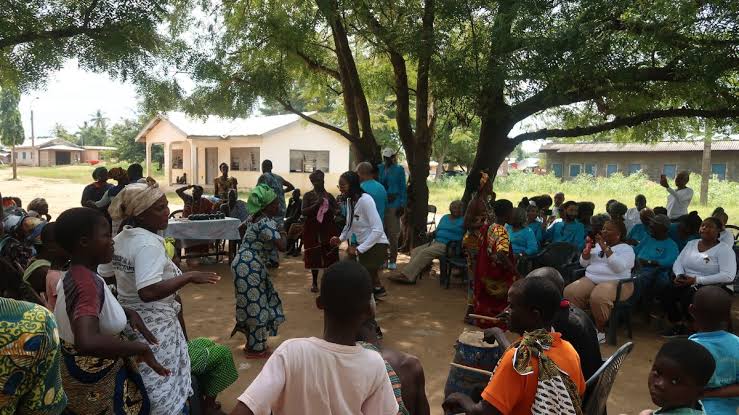
Many Ugandan communities traditionally mark a child’s naming through specific ceremonial practice, extended family and community members gathering to formally welcome the new name and, by extension, the child’s recognised place within the broader family and community structure. These naming ceremonies, timing and specific customs varying considerably across different ethnic traditions, represent genuinely significant community events, formal naming carrying weight considerably beyond simple practical identification, functioning instead as genuine social and sometimes spiritual recognition of the child’s new place within their community.
Why Community Participation Matters
Naming ceremonies’ community dimension reflects broader cultural values around collective family and community responsibility for children, the formal naming process itself reinforcing genuine social bonds and shared responsibility extending beyond the immediate nuclear family alone.
Names That Change Through Life
In some Ugandan traditions, individuals may acquire additional names or titles throughout their lives reflecting significant achievements, life transitions or evolving social status, a naming flexibility that contrasts with Western conventions generally treating a given name as fixed from birth throughout an individual’s entire life. This practice of acquiring additional meaningful names across one’s lifetime reflects a genuinely different cultural understanding of identity itself, recognising that a person’s social identity and achievements can meaningfully evolve and deserve acknowledgment through corresponding additional naming recognition.
Titles Earned Through Achievement or Status
Certain traditional titles or additional names specifically recognise significant life achievements or evolving social status, a practice that allows naming conventions to reflect ongoing personal development rather than treating identity as entirely fixed from the moment of birth naming alone.
Regional Variation Across Uganda’s Ethnic Groups
Naming conventions vary genuinely considerably across Uganda’s diverse ethnic communities, Bantu-speaking groups like the Baganda, Banyankole and Basoga maintaining somewhat different naming structures and traditions compared to Nilotic-speaking communities in the north, including the Acholi, Langi and Karamojong, each tradition reflecting distinct linguistic and cultural heritage. This regional diversity means visitors travelling across different parts of Uganda encounter genuinely varied naming conventions, a linguistic and cultural richness that mirrors the country’s broader ethnic diversity extending well beyond simple regional variation in language alone.
Why This Diversity Reflects Uganda’s Broader Ethnic Complexity
Uganda’s naming tradition diversity directly reflects the country’s genuinely complex ethnic composition, over forty distinct ethnic groups each maintaining their own linguistic and cultural traditions that naming conventions represent in particularly accessible, immediately observable form for curious visitors.
Frequently Asked Questions
Do Ugandan names always have a specific meaning?
Many traditional names carry specific meaning related to birth circumstances, parental hopes or clan identity, though meanings and significance vary across communities.
What is clan identity in Buganda naming?
Clan names connect individuals to one of Buganda’s 52 recognised clans through their father’s lineage, carrying genuine ongoing social significance.
Why do some Ugandans have both religious and traditional names?
Reflecting the country’s religious diversity, many maintain both a Christian or Muslim name and a traditional ethnic name.
Is it appropriate to ask someone what their name means?
Yes, most Ugandans welcome genuine, respectful curiosity about their name’s meaning and cultural significance.
Are there special names specifically for twins?
Yes, many Ugandan cultures maintain predetermined naming traditions for twins and their immediate siblings based on birth order.
Recommended Safaris
Learning about Ugandan naming traditions adds genuine cultural depth to any safari conversation and connection. Ready to explore this rich culture for yourself? Reach our team through our Book Now page and we’ll plan it around your dates.




No comment