
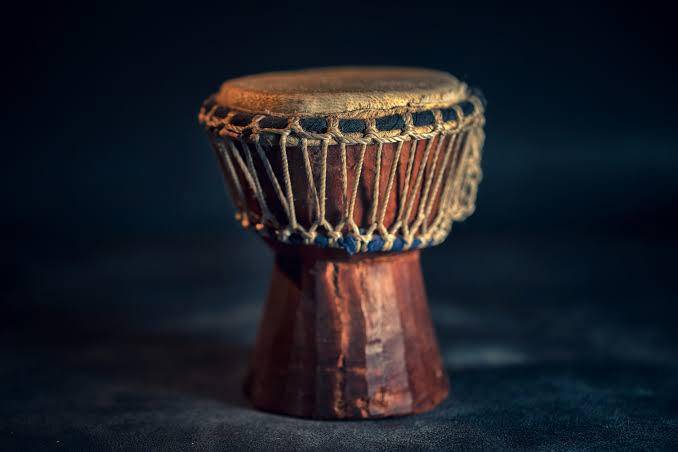
Traditional Ugandan Music Instruments: Adungu, Endongo and Drums
Long before amplified sound systems arrived in East Africa, Ugandan communities developed a genuinely rich array of traditional instruments, each crafted specifically to suit particular musical traditions, social occasions and regional cultural practices across the country’s diverse ethnic landscape. Adungu, endongo and traditional drums represent just a sample of Uganda’s considerable musical instrument heritage, each instrument carrying genuine cultural significance well beyond its immediate musical function.
Key Highlights
- The adungu, an arched harp, originates from northwestern Uganda’s Alur and Lugbara communities
- The endongo, a bowl lyre, holds particular significance within traditional Buganda royal music
- Traditional drums vary considerably by region, each type serving specific ceremonial and social functions
- Many instruments were historically restricted to royal courts or specific ceremonial occasions
- The Uganda Museum houses a significant collection of historic traditional instruments
- Contemporary musicians increasingly incorporate traditional instruments into modern Ugandan music
The Adungu: Northern Uganda’s Arched Harp
The adungu, a distinctive arched harp originating from the Alur and Lugbara communities of northwestern Uganda, features a curved wooden frame strung with multiple strings traditionally made from animal tendon or plant fibre, producing a genuinely distinctive, resonant sound central to the region’s traditional musical performance. This instrument’s considerable size and complexity, often requiring skilled, extended training to master properly, reflects genuine musical sophistication within these communities’ traditional cultural practice, the adungu typically played during significant community celebrations and social gatherings.
Mastering the Adungu’s Technique
Learning to play the adungu properly requires genuinely extensive practice and instruction, skilled players developing considerable dexterity coordinating multiple strings simultaneously to produce the instrument’s characteristic layered, harmonic sound central to traditional northwestern Ugandan musical performance.
The Endongo: Buganda’s Royal Lyre
The endongo, a bowl-shaped lyre traditionally associated with Buganda’s royal court music, holds particular cultural significance within traditional Ganda musical practice, its distinctive construction and playing technique reflecting generations of refined traditional craftsmanship and musical knowledge passed down through established teaching lineages. Historically, certain endongo musical traditions were specifically restricted to royal court performance, the instrument carrying genuine prestige and ceremonial significance beyond simple general entertainment music making.
Royal Court Musical Traditions
Specific endongo compositions and playing styles were historically reserved for royal court contexts, musicians undergoing considerable specialised training to properly perform these restricted traditional repertoires appropriate specifically for Buganda’s traditional royal ceremonial occasions.
Traditional Drums Across Uganda’s Regions
Traditional drums vary considerably across Uganda’s diverse regions, each ethnic community developing distinct drum types, construction techniques and playing styles suited to their own specific ceremonial, social and communicative functions within traditional cultural practice. Drums historically served genuinely practical communication functions beyond pure musical entertainment, specific rhythmic patterns conveying messages across considerable distances, announcing important events or coordinating community activities in ways modern communication technology has since largely replaced.
Drums as Historical Communication Tools
Before modern communication technology, specific drum rhythms served genuinely practical signalling functions, conveying messages about approaching danger, important community announcements or ceremonial timing across distances considerably greater than human voice alone could reliably carry.
The Royal Drums of Buganda
Buganda’s traditional royal drums, including specific ceremonial types historically played exclusively for the Kabaka, carried genuine political and spiritual significance beyond musical function alone, specific drum patterns and rhythms serving as recognised symbols of royal authority and ceremonial legitimacy within traditional Ganda political structure. This royal drumming tradition continues today within restored ceremonial contexts, maintaining genuine connection to historical practice even as Buganda’s monarchy itself functions primarily within a cultural and ceremonial role rather than formal political governance.
Drums as Symbols of Authority
Specific royal drum types and rhythms functioned as recognised symbols of legitimate authority within traditional Buganda political structure, their ceremonial use carrying genuine political significance considerably beyond what Western audiences might typically associate with purely musical performance.
Other Notable Traditional Instruments
Beyond the adungu, endongo and various drum types, Uganda’s traditional musical heritage includes numerous other genuinely significant instruments, including the amadinda xylophone, various traditional flutes and the thumb piano known locally by various regional names, each contributing distinct musical textures to the country’s broader traditional sound. These instruments collectively reflect Uganda’s considerable ethnic and musical diversity, different communities developing genuinely distinct instrumental traditions suited to their own specific cultural practices and musical aesthetic preferences across the country’s varied regions.
The Amadinda Xylophone’s Complex Rhythms
The amadinda, a traditional wooden xylophone associated particularly with Buganda musical tradition, produces genuinely complex interlocking rhythmic patterns when played by multiple musicians simultaneously, a sophisticated collaborative musical technique requiring considerable coordination and shared traditional training.
Preserving Instruments Through Museum Collections
The Uganda Museum houses a genuinely significant collection of historic traditional instruments, including rare examples of instruments no longer commonly manufactured or played outside dedicated cultural preservation contexts, offering visitors valuable direct insight into this considerable musical heritage within a single accessible location. This museum preservation effort serves genuinely important cultural functions beyond simple display, maintaining physical examples and documentation that support ongoing research and revival efforts for musical traditions facing genuine risk of gradual decline amid broader modernisation.
Traditional Instruments in Contemporary Music
Contemporary Ugandan musicians increasingly incorporate traditional instruments like the adungu and endongo into modern musical production, creating genuinely innovative fusion sounds that honour traditional heritage while reaching considerably broader contemporary audiences than purely traditional performance contexts alone could access. This contemporary revival reflects genuine renewed cultural pride and interest in traditional musical heritage, younger Ugandan musicians finding creative ways to maintain meaningful connection to traditional instruments while developing their own distinct contemporary artistic voice.
A Living Tradition, Not Just Historical Artefact
This contemporary musical fusion demonstrates that Uganda’s traditional instruments represent genuinely living cultural heritage rather than purely historical curiosity, continuing to evolve and find new creative expression within contemporary Ugandan musical culture rather than existing solely within preserved, static traditional contexts.
Experiencing Traditional Music as a Visitor
Visitors interested in experiencing traditional Ugandan instruments directly can seek out cultural performances, visit the Uganda Museum’s instrument collection, or engage with community cultural tourism programmes that sometimes include traditional music demonstrations alongside other cultural activities. These direct experiences offer genuinely valuable insight into Uganda’s rich musical heritage, considerably enhancing cultural understanding beyond what simply reading about these traditional instruments alone could ever fully convey.
Craftsmanship and Materials
Traditional Ugandan instrument construction relies genuinely heavily on locally available natural materials, specific wood types selected for their acoustic properties, animal hide stretched carefully for drum heads, and various plant fibres or animal tendons used for stringed instrument strings, each material choice reflecting generations of accumulated practical knowledge about which specific resources produce optimal sound quality. This traditional craftsmanship knowledge, often passed down through established family lineages or apprenticeship systems, represents genuinely significant cultural knowledge extending well beyond simple instrument construction alone into broader understanding of acoustic properties and traditional woodworking techniques refined across many generations.
Why Traditional Material Knowledge Matters
Skilled traditional instrument makers possess genuinely sophisticated practical knowledge about which specific wood types, animal hides and other materials produce optimal acoustic results, expertise developed through generations of accumulated trial and refinement rather than any formal scientific acoustic study.
Gender and Instrument Traditions
Certain traditional Ugandan instruments historically carried specific gender associations, some instruments played predominantly by men within particular ceremonial contexts while others, including certain drum types, maintained stronger associations with women’s traditional musical and social practices. These gendered musical traditions reflect broader historical social organisation patterns within specific Ugandan communities, though contemporary musical practice has generally become considerably more flexible regarding which instruments different musicians choose to learn and perform regardless of these historical gendered associations.
Evolving Beyond Historical Restrictions
While historical gendered instrument associations persist to some degree within certain traditional contexts, contemporary Ugandan musical practice increasingly allows genuinely greater flexibility, musicians of any gender now commonly learning and performing across instrument types that earlier generations might have considered more strictly gender-specific.
Learning Traditional Instruments Today
Several cultural organisations and music schools across Uganda now offer formal instruction in traditional instruments, responding to genuine renewed interest among younger Ugandans and international visitors keen to learn these historically significant musical traditions directly from experienced practitioners. This formal instruction represents an important development for cultural preservation, ensuring traditional playing techniques and repertoires continue passing to new generations through structured teaching rather than relying solely on informal family or community transmission that modernisation has sometimes disrupted.
Why Formal Instruction Matters for Preservation
Formal instruction programmes help ensure traditional instrumental knowledge continues transmitting reliably to new generations, providing structured alternatives when informal family-based teaching lineages face disruption from migration, urbanisation or other modernising social pressures affecting traditional communities.
Frequently Asked Questions
What is an adungu?
A distinctive arched harp originating from northwestern Uganda’s Alur and Lugbara communities, used in significant community celebrations.
Why was the endongo historically significant to Buganda?
Certain endongo musical traditions were specifically reserved for royal court performance, carrying genuine ceremonial prestige.
Did traditional drums serve purposes beyond music?
Yes, specific rhythmic patterns historically conveyed messages and coordinated community activities across considerable distances.
Where can I see historic Ugandan instruments?
The Uganda Museum in Kampala houses a significant collection of historic and rare traditional instruments.
Are traditional instruments still used in modern Ugandan music?
Yes, contemporary musicians increasingly incorporate instruments like the adungu into modern fusion musical production.
Recommended Safaris
Discovering Uganda’s traditional musical heritage adds genuine cultural depth to any broader itinerary. Ready to experience this remarkable musical tradition for yourself? Reach our team through our Book Now page and we’ll plan it around your dates.






No comment