
The Batwa Trail in Mgahinga: Learning Forest Culture From Its Keepers
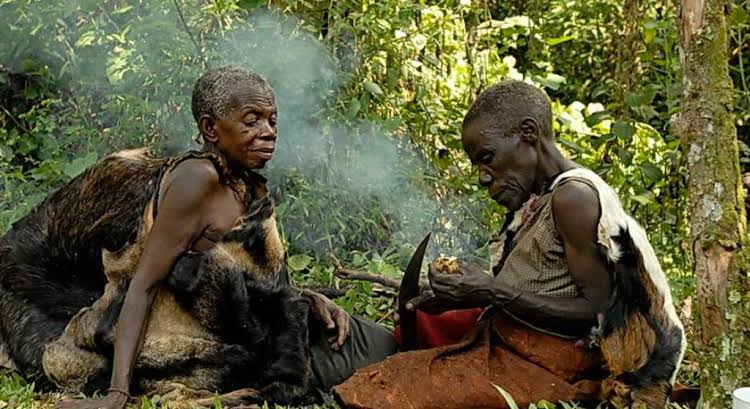
Before mountain gorillas became Mgahinga’s headline attraction, the Batwa people lived within these forests for generations as skilled hunter-gatherers, their intimate forest knowledge now shared directly with visitors through a genuinely immersive guided trail experience. The Batwa Trail offers a rare opportunity to learn forest survival skills, traditional medicine and genuine history directly from the community whose ancestors called this exact forest home for countless generations before conservation boundaries changed everything.
Key Highlights
- The Batwa are considered among Central Africa’s original forest-dwelling peoples, with ancient hunter-gatherer roots
- Conservation boundaries established in the 1990s displaced the Batwa from their traditional forest home
- The Batwa Trail offers guided experiences led directly by Batwa community members themselves
- Activities include traditional hunting demonstrations, medicinal plant knowledge and cave visits
- Tourism revenue provides crucial economic support for a community facing genuine post-displacement hardship
- The experience combines cultural education with meaningful, direct community economic benefit
The Batwa: Original Forest Dwellers
The Batwa are considered among Central Africa’s original forest-dwelling peoples, their ancestors having lived as skilled hunter-gatherers within the dense forests spanning what is now southwestern Uganda, Rwanda and the Democratic Republic of Congo for countless generations before more recent agricultural communities arrived in the region. This deep historical connection to forest life gave the Batwa genuinely unparalleled practical knowledge of forest ecology, medicinal plants and survival techniques, expertise developed and refined across generations of direct, sustained forest living rather than external study.
A Culture Built Entirely Around Forest Life
Traditional Batwa culture, social structure and spiritual beliefs developed specifically around their forest environment, every aspect of daily life from housing to diet to religious practice shaped directly by the dense montane forest ecosystem they called home for so many generations.
Displacement for Conservation
When Mgahinga and neighbouring Bwindi were formally gazetted as national parks during the 1990s specifically to protect endangered mountain gorillas, the Batwa were displaced from their traditional forest home, losing direct access to the specific territory their entire traditional lifestyle had depended upon for countless previous generations. This displacement created genuine, lasting hardship, many Batwa communities struggling considerably with the transition to settled agricultural life on forest-edge land, a lifestyle fundamentally different from the hunting and gathering existence their culture had practised for so long beforehand.
The Genuine Human Cost of Conservation Boundaries
While gorilla conservation has achieved genuine success, the Batwa’s displacement represents a significant, often under-acknowledged human cost, a community losing their entire traditional way of life with considerably less compensation or support than the conservation achievement’s international celebration might suggest.
The Batwa Trail Experience
The Batwa Trail offers visitors a genuinely immersive guided experience led directly by Batwa community members themselves, walking through sections of forest while demonstrating traditional hunting techniques, fire-making methods and extensive medicinal plant knowledge accumulated across countless generations of direct forest living. This direct, community-led format ensures visitors receive genuinely authentic cultural education straight from source, rather than secondhand interpretation, the Batwa guides sharing their own history and skills with evident pride and direct personal connection to the material being taught.
Learning Forest Survival Skills Directly
Visitors on the Batwa Trail genuinely participate in demonstrations covering traditional bow hunting, fire-starting techniques and plant identification, hands-on activities that offer considerably more engaging, memorable learning than passive observation alone could ever provide.
Sacred Caves and Spiritual Significance
The trail typically includes a visit to the Garama Cave, a site carrying genuine spiritual and historical significance for the Batwa, traditionally used for shelter, ceremonies and as a last refuge during historical conflicts, with guides sharing specific stories and traditional songs connected directly to this meaningful location. This cave visit adds genuine spiritual depth to the broader trail experience, visitors gaining insight into Batwa cosmology and historical memory that extends well beyond simple practical survival skills alone.
Traditional Songs and Oral History
Batwa guides often share traditional songs and oral histories connected to specific trail locations, an experience that adds genuine emotional and cultural depth beyond what purely practical skill demonstrations alone could convey to visitors.
Direct Economic Benefit for the Community
Tourism revenue from the Batwa Trail provides crucial, directly traceable economic support for a community facing genuine ongoing hardship following displacement, well-structured programmes ensuring payment reaches Batwa guides and the broader community directly rather than being captured primarily by outside intermediaries. This direct economic benefit represents a genuinely important model for how cultural tourism can meaningfully support a historically marginalised community, transforming traditional knowledge into a sustainable income source while simultaneously preserving and sharing genuinely valuable cultural heritage.
Why Direct Guide Involvement Matters Economically
Structuring the experience around direct Batwa guide involvement, rather than outside narrators describing Batwa culture secondhand, ensures tourism revenue genuinely reaches the community whose knowledge and heritage forms the entire basis of the experience being sold to visitors.
A Model for Respectful Cultural Tourism
The Batwa Trail represents a genuinely thoughtful model for cultural tourism following displacement, prioritising community leadership, fair compensation and authentic knowledge-sharing rather than reducing a complex, displaced community to simple tourist spectacle. This approach offers useful broader lessons for cultural tourism involving other displaced or marginalised communities, demonstrating that genuine economic benefit and cultural preservation can work together when programmes are structured thoughtfully around community leadership and direct involvement.
Combining the Trail With Gorilla Trekking
Visitors already travelling to Mgahinga or nearby Bwindi for mountain gorilla trekking have a natural opportunity to add the Batwa Trail experience, combining wildlife conservation’s celebrated success story with genuine engagement regarding conservation’s more complex human history and ongoing consequences. This combination offers visitors a considerably more complete, honest understanding of the region’s history, acknowledging both gorilla conservation’s genuine achievement and the Batwa displacement that occurred alongside it.
Traditional Batwa Housing and Daily Life
Traditional Batwa dwellings, simple leaf and branch shelters designed for a genuinely mobile forest lifestyle, reflected practical adaptation to frequent movement following game and seasonal forest resources rather than permanent settlement in any single location. Guides on the trail often demonstrate traditional shelter construction techniques, visitors gaining genuine hands-on appreciation for the practical ingenuity required to build functional, weatherproof housing using only materials directly available within the surrounding forest environment.
Why Mobility Shaped Every Aspect of Batwa Material Culture
Because traditional Batwa life required frequent movement, their entire material culture, from housing to tools to food storage, developed around genuine portability and quick construction from available natural materials, a lifestyle consideration that shaped nearly every practical and cultural aspect of their traditional forest existence.
Honey Gathering and Forest Food Sources
Like several other Central African forest communities, the Batwa traditionally relied heavily on wild honey gathering, climbing considerable heights to access beehives using traditional techniques passed down across generations, alongside hunting and extensive foraging for wild fruits, tubers and other forest food sources. This foraging knowledge, considerably broader and more nuanced than simple survival necessity, represents genuinely sophisticated ecological understanding, Batwa elders able to identify and safely utilise an extraordinary range of forest plants and resources that would appear entirely unremarkable or unusable to untrained outside observers.
Knowledge That Took Generations to Develop
The depth of plant and resource knowledge Batwa guides demonstrate reflects genuinely accumulated multi-generational learning, each generation building upon previous knowledge about which specific forest resources proved safe, nutritious or medicinally valuable across countless years of direct practical experience.
What Visitors Should Know Before Booking
The Batwa Trail typically requires advance booking through Mgahinga’s park authorities or an established tour operator, the experience usually lasting several hours and involving moderate walking across forested terrain suited to visitors with reasonable fitness levels. Visitors should approach the experience with genuine openness and respect, recognising the complex, sometimes painful history underlying the trail even as the experience itself focuses primarily on celebrating Batwa skill and knowledge rather than dwelling exclusively on displacement’s hardship.
Balancing Celebration and Honest History
The best Batwa Trail experiences strike a genuine balance, celebrating traditional skill and knowledge with evident pride while not shying away from honestly acknowledging the displacement history that shapes the community’s present circumstances, giving visitors a considerably fuller picture than celebration alone would provide.
A Genuinely Memorable Addition to Southwestern Uganda
Visitors consistently describe the Batwa Trail as among their most genuinely memorable southwestern Uganda experiences, the direct, personal connection to Batwa guides offering an emotional and educational depth that few other cultural tourism experiences in the region can match.
Frequently Asked Questions
Who are the Batwa people?
Central Africa’s original forest-dwelling peoples, historically skilled hunter-gatherers living within the region’s dense montane forests for countless generations.
Why were the Batwa displaced from the forest?
Mgahinga and Bwindi’s establishment as national parks during the 1990s to protect mountain gorillas removed their traditional forest access.
What activities does the Batwa Trail include?
Traditional hunting demonstrations, fire-making, medicinal plant knowledge and a visit to the spiritually significant Garama Cave.
Does tourism revenue genuinely benefit the Batwa community?
Well-structured programmes ensure payment reaches Batwa guides and the community directly rather than outside intermediaries.
Can I combine the Batwa Trail with gorilla trekking?
Yes, visitors travelling to Mgahinga or Bwindi for gorilla trekking can easily add this experience to their itinerary.
Recommended Safaris
Experiencing the Batwa Trail adds genuine depth and historical honesty to any gorilla trekking itinerary. Ready to learn forest culture from its original keepers? Reach our team through our Book Now page and we’ll plan it around your dates.


No comment