
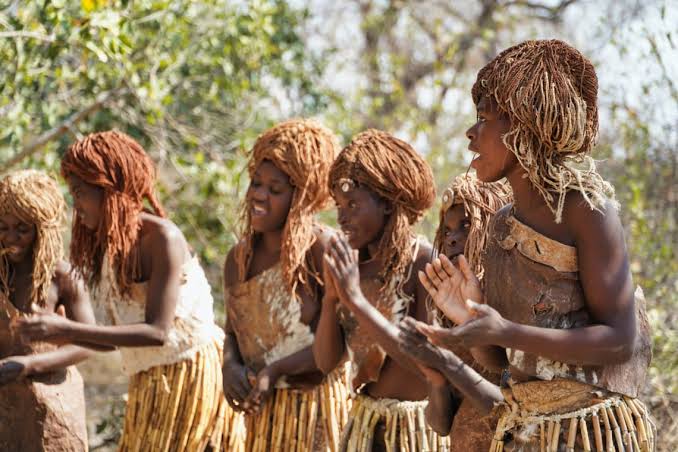
The Hadza Way of Life: Visiting Ethically and Respectfully
The Hadzabe represent one of the very last populations on Earth still living a genuine hunting and gathering lifestyle largely unchanged across thousands of years, a reality that makes visiting their community considerably more ethically complex than a standard cultural tour stop elsewhere in East Africa. The Hadza way of life deserves genuine respect and careful ethical consideration from visitors, this remarkable community’s continued survival depending partly on how responsibly tourism itself is conducted within their traditional territory.
Key Highlights
- The Hadzabe number only around 1,300 people, among the last true hunter-gatherer populations on Earth
- Their language features genuinely rare click consonants unrelated to neighbouring Bantu languages
- Hadzabe daily life revolves around hunting, foraging and sharing food communally without stored surplus
- Tourism revenue provides genuine economic benefit but also raises authenticity and exploitation concerns
- Ethical visits prioritise genuine consent, fair compensation and minimal disruption to daily life
- Land pressure from agriculture and conservation boundaries threatens the Hadzabe’s traditional territory
One of Earth’s Last Hunter-Gatherer Populations
The Hadzabe number only around 1,300 people, making them genuinely one of the last populations on Earth still practising a traditional hunting and gathering lifestyle essentially unchanged across many thousands of years of continuous occupation within the same general Lake Eyasi region of northern Tanzania. This extraordinary continuity means the Hadzabe offer genuinely unique anthropological and cultural insight, their lifestyle providing a rare, living window into how humans lived for the vast majority of our species’ history before agriculture and settled civilisation became dominant globally.
Why Their Continued Existence Is Genuinely Remarkable
Given how thoroughly agriculture and settled life have replaced hunting and gathering globally, the Hadzabe’s continued practice of this ancient lifestyle represents a genuinely remarkable historical continuity, one increasingly rare and threatened by mounting external pressures on their traditional territory and way of life.
A Genuinely Rare Click Language
The Hadzabe speak a language featuring genuine click consonants, a linguistic feature shared with only a small number of other African languages and entirely unrelated to the Bantu languages spoken by neighbouring communities, suggesting genuinely ancient, distinct linguistic origins separate from the region’s more recent Bantu-speaking populations. This linguistic distinctiveness adds genuine academic significance to the Hadzabe beyond their hunting and gathering lifestyle alone, researchers studying their language partly for the rare insight it offers into humanity’s broader linguistic diversity and history.
Why Linguistic Isolation Matters
The Hadza language’s isolation from neighbouring language families suggests genuinely ancient separation from other regional populations, a linguistic clue supporting broader anthropological evidence about the Hadzabe’s deep historical continuity within this specific region of Tanzania.
Daily Life: Hunting, Foraging and Sharing
Hadzabe daily life centres around hunting with traditional bow and arrow alongside extensive foraging for wild tubers, berries and honey, food typically shared communally throughout the immediate group rather than stored as individual surplus, a social and economic arrangement genuinely distinct from the accumulation-based economics most visitors take entirely for granted. This communal sharing practice reflects a genuinely different relationship with resources and property than settled agricultural societies typically maintain, immediate consumption and group sharing taking priority over individual accumulation or long-term storage of food resources.
Why Sharing Rather Than Storing Makes Sense
Given their mobile, hunting-based lifestyle, storing significant food surplus would prove genuinely impractical for the Hadzabe, immediate sharing instead ensuring the entire group benefits from successful hunts or foraging regardless of which specific individual secured that particular food source.
The Ethics of Cultural Tourism
Tourism involving the Hadzabe raises genuinely complex ethical questions, visits providing meaningful economic benefit and cultural exchange opportunity while simultaneously risking the kind of performative, decontextualised cultural display that can undermine rather than genuinely respect the community’s authentic way of life. Responsible visits require genuine attention to consent, fair compensation and minimising disruption to daily activities, recognising that Hadzabe communities retain full agency over how, when and whether outside visitors engage with their traditional lifestyle and territory.
Avoiding Performative Tourism
Ethical Hadzabe visits should prioritise genuine observation of actual daily activities rather than staged performances created specifically for visitor entertainment, a distinction that considerably affects whether tourism genuinely respects or instead distorts the community’s authentic cultural practice.
Fair Compensation and Economic Benefit
Ensuring tourism revenue genuinely reaches Hadzabe communities directly, rather than being captured primarily by intermediary tour operators or guides, represents a genuinely crucial ethical consideration, responsible operators working to establish fair, transparent compensation arrangements that provide meaningful economic benefit to the actual community being visited. Visitors should specifically inquire about how tour revenue is distributed before booking any Hadzabe cultural visit, prioritising operators with established, transparent relationships that demonstrably benefit the community rather than simply extracting cultural tourism value without adequate compensation.
Questions Worth Asking Your Tour Operator
Visitors should genuinely ask specific questions about compensation arrangements, community consent processes and how frequently the specific community has been visited recently, information that helps distinguish genuinely ethical operators from those treating Hadzabe visits as simple extractive tourism product.
Land Pressure and Survival Challenges
Beyond tourism-specific ethical questions, the Hadzabe face genuinely serious broader survival challenges, agricultural expansion and conservation area boundaries increasingly restricting access to the traditional hunting and foraging territory their lifestyle fundamentally depends upon for continued practice. This land pressure represents a genuinely more significant long-term threat to Hadzabe survival than tourism ethics alone, their entire traditional lifestyle requiring access to sufficient wild territory that continues shrinking under mounting external development and conservation pressure.
Why Land Access Matters More Than Tourism Alone
While tourism ethics deserve genuine visitor attention, the Hadzabe’s fundamental survival challenge involves maintaining adequate access to traditional hunting and foraging territory, a considerably larger structural issue that responsible tourism alone cannot fully resolve without broader land rights advocacy and protection.
Visiting Through Lake Eyasi
Most Hadzabe visits occur through the Lake Eyasi region, our broader piece on Lake Eyasi covering this specific destination’s broader attractions, including practical logistics for combining a Hadzabe visit with the lake’s other natural features within a typical half-day or full-day excursion. Choosing an experienced, ethically minded guide and operator for this specific visit matters considerably more than for many other East African cultural tourism experiences, given the Hadzabe’s particular vulnerability and the genuine complexity surrounding responsible engagement with their traditional lifestyle.
Hunting Methods and Traditional Skill
Hadzabe hunters use traditional bow and arrow techniques passed down through generations, poison derived from specific local plants sometimes applied to arrow tips to help bring down larger game, a genuinely sophisticated traditional knowledge system developed and refined across countless generations of accumulated hunting experience. This hunting skill extends well beyond simple weapon use, tracking ability, detailed knowledge of animal behaviour patterns and genuinely intimate understanding of the surrounding landscape all forming essential components of successful Hadzabe hunting practice that visitors can witness directly during an ethical, well-guided visit.
Tracking Skills That Rival Professional Guides
Hadzabe tracking ability often genuinely rivals or exceeds that of professionally trained safari guides, their lifetime of direct hunting experience within this specific landscape producing a depth of practical ecological knowledge that formal guide training alone typically cannot fully replicate.
Honey Gathering and the Honeyguide Partnership
Like several other African hunter-gatherer communities, the Hadzabe maintain a genuinely remarkable relationship with the greater honeyguide bird, which leads hunters to wild beehives through specific calling behaviour in exchange for access to leftover wax and larvae once the hive has been opened. This honey-gathering partnership represents a genuinely ancient example of interspecies cooperation, the specific communication and mutual benefit pattern between Hadzabe hunters and honeyguide birds developed and refined across countless generations of shared practical experience.
A Partnership Spanning Countless Generations
This honeyguide relationship likely represents one of humanity’s oldest documented examples of sustained interspecies cooperation, the specific behavioural patterns on both sides reflecting many generations of mutual adaptation between Hadzabe hunters and this particular bird species.
What a Responsible Visit Actually Looks Like
A genuinely respectful Hadzabe visit typically involves small group sizes, direct guidance from community members themselves rather than outside narrators speaking on their behalf, and ample time for authentic observation rather than a rushed, checklist-style stop between other itinerary activities. Visitors who approach the experience with genuine curiosity and humility, asking questions through a translator rather than treating the community purely as a photographic subject, tend to come away with considerably more meaningful understanding than those treating the visit as simple spectacle.
Why Pace and Group Size Matter
Smaller groups moving at an unhurried pace allow genuinely more authentic interaction and observation, large rushed tour groups considerably more likely to disrupt daily activities and reduce the visit to superficial spectacle rather than genuine cultural exchange.
Frequently Asked Questions
How many Hadzabe people remain today?
Approximately 1,300 people, making them one of the last populations on Earth still practising traditional hunting and gathering.
What makes the Hadza language so unusual?
It features rare click consonants unrelated to neighbouring Bantu languages, suggesting genuinely ancient, distinct linguistic origins.
How can I ensure my visit is ethical?
Choose operators with transparent compensation arrangements and prioritise genuine observation over staged, performative cultural display.
What is the biggest threat to the Hadzabe’s way of life?
Agricultural expansion and conservation boundaries increasingly restricting access to the traditional territory their lifestyle depends upon.
Where do most Hadzabe cultural visits take place?
Through the Lake Eyasi region in northern Tanzania, typically combined with the lake’s other natural attractions.
Recommended Safaris
Visiting the Hadzabe respectfully adds genuine depth and perspective to a Tanzania itinerary. Ready to experience this remarkable culture ethically for yourself? Reach our team through our Book Now page and we’ll plan it around your dates.


No comment