
Ruma National Park: Kenya’s Roan Antelope Hideaway
Tucked into western Kenya’s Lambwe Valley near Lake Victoria’s shores, a small, little-visited park protects something found almost nowhere else in the country: Kenya’s only indigenous population of roan antelope, now numbering just 40 individuals and genuinely close to disappearing entirely. Ruma National Park, sometimes called the last retreat of the roan antelope, offers a rare, urgent conservation story alongside genuinely uncrowded wildlife viewing.
Key Highlights
- Ruma National Park sits in Homa Bay County, western Kenya, near Lake Victoria
- Established in 1983, the park covers roughly 120 square kilometres within the Lambwe Valley
- Ruma is Kenya’s only protected area where roan antelope occurs naturally in the wild
- The park’s roan antelope population numbers approximately 40 individuals, on the verge of extinction
- Resident wildlife includes Rothschild’s giraffe, buffalo, zebra, impala, oribi and reedbuck
- More than 400 recorded bird species make Ruma internationally significant for bird conservation
Kenya’s Last Wild Roan Antelope
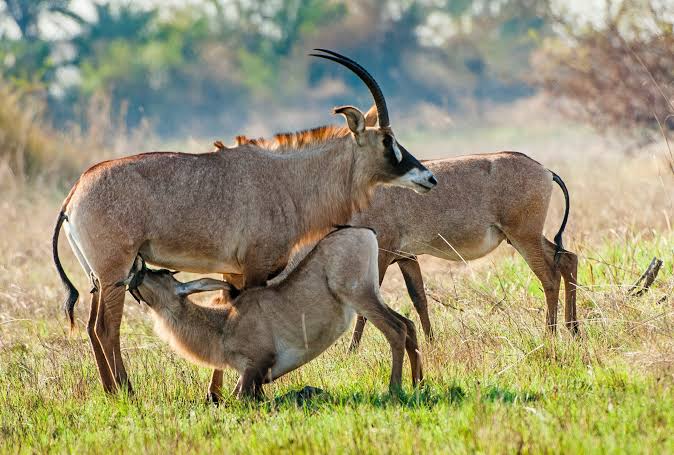
Ruma holds a genuinely singular distinction within Kenya’s conservation landscape: it’s the only protected area anywhere in the country where roan antelope occurs as a naturally occurring, indigenous population, a striking antelope species named for its distinctive roan-coloured coat and prominent backward-curving horns. This isn’t simply the best place in Kenya to see roan antelope; it’s the only place, making Ruma’s population genuinely irreplaceable within the national context.
A Population on the Edge
With numbers down to approximately 40 individuals, Ruma’s roan antelope population sits genuinely close to local extinction, a sobering statistic that places this specific park at the centre of one of Kenya’s most urgent single-species conservation stories. Unlike many endangered species with multiple protected strongholds spread across a wider range, Ruma’s roan antelope have nowhere else in Kenya to persist, making this park’s conservation success or failure directly determinative of the species’ national survival.
Why the Population Has Declined So Severely
Roan antelope populations across much of their former African range have faced sustained pressure from habitat loss, disease and historical hunting, pressures that have hit Ruma’s genuinely isolated population with particular severity given how limited the park’s protected area is relative to what a healthy, genetically diverse roan population would typically require. This isolation, while providing crucial protection from some external pressures, has also left the population vulnerable to the kind of genetic and demographic risks small, confined wildlife populations commonly face.
Conservation Efforts to Save the Population
Ongoing conservation work at Ruma focuses specifically on protecting and ideally growing this critically small roan antelope population, including habitat management and monitoring efforts calibrated directly to the species’ particular needs within the park’s confined Lambwe Valley setting, a genuinely focused, high-stakes conservation priority for Kenya Wildlife Service.
Beyond Roan Antelope: Ruma’s Broader Wildlife
Alongside its headline roan antelope population, Ruma supports Rothschild’s giraffe, buffalo, zebra, impala, oribi, reedbuck and warthog, giving the park genuine broader wildlife-viewing substance beyond its single most significant conservation story. This wildlife diversity, combined with the park’s genuinely low visitor numbers, offers travellers a quiet, uncrowded safari experience considerably different from Kenya’s more heavily visited southern circuit parks.
Rothschild’s Giraffe at Ruma
Ruma’s Rothschild’s giraffe population adds further conservation significance to a visit here, this subspecies ranking among the most endangered giraffe populations in Africa, much like the population protected at Nairobi’s Giraffe Centre, giving the park a second genuinely important large-mammal conservation story beyond the roan antelope alone.
A Genuinely Important Birding Destination
With more than 400 recorded bird species, Ruma ranks among Kenya’s internationally significant birding destinations, its position near Lake Victoria and within the Lambwe Valley’s varied habitat supporting a genuinely rich bird community considerably less documented or visited than Kenya’s more famous birding circuits further east. Dedicated birders willing to make the journey to this remote western corner of Kenya find genuine reward in Ruma’s relatively undisturbed habitat and species diversity.
Why Ruma Remains Genuinely Uncrowded
Ruma’s remote western Kenya location, considerably further from Nairobi and the standard safari circuit than any of the country’s more famous parks, has kept visitor numbers genuinely low despite the park’s significant conservation importance. For travellers specifically seeking an uncrowded, off-the-beaten-path wildlife experience with real conservation substance, this remoteness is a genuine advantage rather than a drawback, delivering a quieter, more contemplative visit than almost anywhere else in Kenya’s protected area network.
Planning a Visit
Getting There
Ruma’s location in Homa Bay County near Lake Victoria means reaching the park requires genuine dedicated travel, typically a longer overland journey from Nairobi or a connection through western Kenya’s regional transport network, reflecting its status as a genuinely remote, specialised destination rather than a standard circuit stop.
Combining With Lake Victoria
Given its proximity to Lake Victoria, Ruma pairs naturally with broader exploration of this corner of western Kenya, a genuinely different regional experience than the standard southern or northern safari circuits most Kenya visitors default to.
The Lambwe Valley Setting
Ruma sits within the Lambwe Valley, a landscape of open grassland and acacia woodland bordered by escarpment terrain, giving the park a genuinely distinctive visual character shaped by this specific valley geography rather than the flatter savanna typical of many of Kenya’s more famous parks. This valley setting, combined with the park’s proximity to Lake Victoria, creates a particular ecological niche that has historically supported species like roan antelope in a way the broader regional landscape outside the valley no longer does.
A Landscape Historically Isolated From Tsetse Fly
Part of what historically made the Lambwe Valley suitable for roan antelope and other wildlife populations relates to the area’s specific ecological conditions, including historical patterns of disease prevalence that shaped which species could sustainably persist here relative to surrounding areas, a genuinely specific ecological history worth understanding for visitors interested in why this particular valley became the species’ last Kenyan stronghold.
Roan Antelope: A Species Worth Understanding
Roan antelope rank among Africa’s larger antelope species, distinguished by their roan-brown coat, black-and-white facial markings, and prominent backward-curving horns carried by both sexes, a genuinely striking animal considerably less commonly encountered by visitors than more famous African antelope species. Historically found across a considerably broader swath of African savanna habitat, roan antelope populations have declined significantly across much of their former range, making Ruma’s small but genuinely wild population a meaningful remnant of a once far more widespread species.
Behaviour and Social Structure
Roan antelope typically form smaller herds than many other African antelope species, with a complex social structure involving dominant males defending territory, behaviour that researchers and conservationists monitoring Ruma’s critically small population study closely for insight into how best to support the species’ continued survival here.
Where to Stay Near Ruma
Accommodation options directly around Ruma National Park remain genuinely minimal, reflecting the park’s low visitor numbers and remote location, with most visitors basing themselves in nearby Homa Bay town or arranging camping within the park itself through Kenya Wildlife Service facilities. This modest infrastructure is itself a reflection of Ruma’s status as a genuinely specialised, off-the-beaten-path destination rather than a developed tourism hub, suiting travellers prioritising authenticity and conservation significance over resort-style comfort.
Visiting as Part of a Western Kenya Circuit
Given the limited accommodation directly at Ruma, many visitors structure their trip around a wider western Kenya and Lake Victoria exploration, using Homa Bay or another regional base to support both a Ruma visit and broader exploration of this considerably less-touristed part of the country.
Why Tourism Revenue Matters Disproportionately Here
Given Ruma’s status as Kenya’s sole remaining roan antelope stronghold and the species’ genuinely precarious population size, tourism revenue here carries disproportionate conservation weight compared to larger, better-funded parks with more diverse revenue streams. Every visitor fee and overnight stay contributes directly to a conservation effort where the margin between success and local extinction for this specific population is genuinely narrow, making a Ruma visit a meaningfully significant conservation contribution relative to its modest visitor numbers.
Is Ruma Right for Your Kenya Trip?
Ruma suits travellers with genuine interest in rare species conservation stories and a willingness to venture well beyond Kenya’s standard tourist circuit, ideally paired with other western Kenya destinations to justify the considerable travel time this remote park requires. First-time Kenya visitors prioritising wildlife density and convenience within a shorter trip are better served by the southern circuit’s more accessible parks, while travellers on a second or third Kenya visit, specifically seeking something genuinely different and conservation-significant, find Ruma a uniquely rewarding addition.
Frequently Asked Questions
Is Ruma the only place to see roan antelope in Kenya?
Yes, it’s Kenya’s only protected area where roan antelope occurs as a naturally occurring indigenous population.
How endangered is Ruma’s roan antelope population?
Critically so, with numbers down to approximately 40 individuals, placing the population genuinely close to local extinction.
Is Ruma worth visiting given how remote it is?
For travellers specifically interested in rare wildlife conservation stories and uncrowded safari experiences, yes; those purely prioritising convenience and maximum wildlife density are better served by Kenya’s more accessible southern circuit parks.
What other wildlife can I see at Ruma besides roan antelope?
Rothschild’s giraffe, buffalo, zebra, impala, oribi, reedbuck and more than 400 recorded bird species.
How do I get to Ruma National Park from Nairobi?
It requires a longer overland journey or regional transport connection to western Kenya, given its remote location near Lake Victoria.
Recommended Safaris
Ruma suits travellers building a dedicated western Kenya and Lake Victoria itinerary beyond the standard safari circuit. Ready to witness Kenya’s last wild roan antelope population firsthand? Reach our team through our Book Now page and we’ll plan it around your dates.

No comment