
Wildebeest Migration in East Africa
What Is the Wildebeest Migration?
The Great Wildebeest Migration is one of the most remarkable wildlife events in Africa. Every year, enormous herds of wildebeest move through the Serengeti ecosystem in Tanzania and the Masai Mara ecosystem in Kenya in search of fresh grass and water. The movement also involves large numbers of zebras and gazelles, while predators such as lions, cheetahs, leopards, hyenas, and crocodiles follow the herds.
The migration is not a single event that happens on one specific date. It is a continuous cycle influenced by rainfall, the availability of fresh pasture, and water. The location of the animals changes throughout the year, which means the best place to see the migration depends heavily on when you travel.
Where Does the Wildebeest Migration Take Place?
The main migration route covers northern Tanzania and southwestern Kenya. Much of the year is spent within Tanzania’s Serengeti National Park and surrounding conservation areas, while the herds periodically move north into Kenya’s Masai Mara.
The Serengeti provides vast open grasslands where enormous herds can spread across the landscape. As the seasons change, the animals gradually move toward areas with better grazing. Eventually, many herds reach the northern Serengeti and cross into the Masai Mara.
This movement makes it possible to experience the migration in both Tanzania and Kenya, although the experience can be very different depending on the month and exact location of the herds.
Why Do Wildebeest Migrate?
Wildebeest migrate primarily because they need fresh grass and water. Rainfall determines where new vegetation grows, and the herds respond to these changing conditions.
The animals continually move toward areas where grazing conditions are more favorable. This movement is essential to their survival and also supports the wider ecosystem because predators, scavengers, and other herbivores depend on the enormous concentration of animals.
The migration is therefore part of a natural ecological cycle rather than a simple journey from one park to another.
The Calving Season
One of the most important stages of the migration occurs during the calving season, particularly around the southern Serengeti and Ndutu area. Large numbers of wildebeest gather in areas where nutritious short grass is available.
During this period, thousands of calves are born over a relatively short period. The abundance of young animals attracts predators, making the calving season an excellent time for travelers interested in predator behavior.
Lions, cheetahs, hyenas, and other predators take advantage of the concentration of vulnerable young wildebeest. Watching a predator stalk a herd or seeing a mother protect her calf can be an intense wildlife experience.
Wildebeest Migration and Predators
The migration supports one of Africa’s most dramatic predator-prey relationships. Large concentrations of wildebeest provide predators with abundant hunting opportunities.
Lions often follow the herds across the plains, while cheetahs can take advantage of open grasslands to pursue individual animals. Hyenas may hunt independently or gather around vulnerable animals, while leopards generally remain more secretive and are not as closely associated with the main herds.
The movement of the wildebeest also affects vultures and other scavengers. After a kill, these birds and other scavengers quickly arrive to take advantage of what remains.
The River Crossings
The river crossings are among the most famous scenes associated with the Great Migration. During the northern movement, herds may reach rivers such as the Mara River and face the difficult decision of crossing.
Large numbers of animals can gather along the riverbanks before making a crossing. Some may enter the water quickly, while others wait for hours or even days before following.
The crossings can be dramatic because the animals have to deal with steep banks, deep water, strong currents, confusion within the herd, and crocodiles waiting in the river.
It is important to understand that river crossings are unpredictable. Even if you visit the northern Serengeti or Masai Mara during the expected migration period, there is no guarantee that you will witness a crossing on a particular day.
The Role of the Mara River
The Mara River is one of the most recognizable locations associated with the migration. It forms part of the route between Tanzania and Kenya and presents a major obstacle for the herds.
When wildebeest reach the river, thousands of animals may gather on the surrounding plains. Once the movement begins, the scene can change quickly as animals descend the riverbank and enter the water.
Crocodiles are commonly associated with these crossings because they use the opportunity to hunt animals attempting to cross. The river also contains hippos and supports a wider aquatic ecosystem.
When Is the Best Time to See the Migration?
There is no single best month for every traveler because the migration offers different experiences throughout the year.
Travelers interested in calving and newborn wildebeest often consider the early months of the year in the southern Serengeti and Ndutu region. This period can also provide strong predator activity.
As the year progresses, the herds move through the central and western parts of the Serengeti before gradually heading north. The exact timing varies because rainfall patterns influence the movement.
The northern Serengeti and Masai Mara become particularly important during the later part of the year when the herds are moving toward or through the Mara River region. However, the animals do not follow an exact calendar, so experienced safari planning is important.
Migration Calendar
During January and February, many wildebeest are generally concentrated in the southern Serengeti and Ndutu region, where calving takes place. The landscape can become filled with large herds and young calves, creating excellent opportunities for observing predator activity.
During March and April, the herds begin responding to changing grazing conditions and rainfall. Some areas experience heavier rains, and safari conditions can vary. The migration continues moving through the Serengeti ecosystem.
During May and June, the herds generally continue their movement toward the western and central Serengeti. This period can include large gatherings and mating activity, although exact locations vary from year to year.
During July and August, the migration is often associated with the northern Serengeti and Masai Mara. River crossings may occur during this period, but they cannot be predicted precisely.
During September and October, portions of the herds may remain in the northern Serengeti and Masai Mara before beginning a gradual movement southward.
During November and December, rainfall in the southern Serengeti encourages fresh vegetation, and the herds gradually return toward the southern plains. The annual cycle begins again.
Tanzania or Kenya for the Migration?
Choosing between Tanzania and Kenya depends on what you want to experience.
Tanzania provides access to a much larger portion of the migration route because the Serengeti is where the herds spend a substantial part of their annual cycle. Travelers can also combine the migration with destinations such as Ngorongoro Crater and Tarangire National Park.
Kenya’s Masai Mara offers excellent wildlife viewing and is particularly popular during the period when migrating herds enter the Mara ecosystem. The reserve also supports resident wildlife, meaning your safari does not depend entirely on the migration being present.
For travelers with sufficient time, combining northern Tanzania and Kenya can provide a broader migration experience.
Seeing the Migration With All In Africa Safaris
All In Africa Safaris can organize a migration safari around your preferred travel dates and the type of experience you want. Since the herds move according to environmental conditions rather than fixed dates, itinerary planning should take the seasonal movement into account.
A migration safari can be organized as a private safari, family trip, couple’s holiday, photography journey, or small-group experience. The route can also include other major attractions so that you experience more than the migration alone.
For example, a Tanzania itinerary can combine the Serengeti with Ngorongoro Crater and Tarangire. A Kenya itinerary can combine the Masai Mara with other wildlife destinations. A longer East African journey can include Uganda’s gorillas and chimpanzees before continuing to Kenya or Tanzania for the migration.
Wildlife Beyond the Wildebeest
Although wildebeest are the central attraction, the migration ecosystem supports many other species. Zebras frequently travel alongside the wildebeest, while gazelles and other antelopes share the grasslands.
The large herds also attract predators and scavengers. A migration safari can therefore involve encounters with lions, cheetahs, hyenas, leopards, jackals, vultures, elephants, giraffes, buffaloes, hippos, and numerous bird species.
This makes the migration more than a single wildlife spectacle. It is an opportunity to observe how an entire ecosystem responds to the movement of millions of grazing animals.
Photography During the Migration
The migration provides exceptional opportunities for wildlife photography. Large herds can create dramatic landscape scenes, while individual animals offer opportunities for close behavioral photographs.
Early morning game drives are particularly useful for photography because animals are often active and the light is softer. Photographers should carry suitable lenses for both distant wildlife and broader landscape scenes.
River crossings require patience. You may wait for a long period before anything happens, and when the crossing begins, the action can develop very quickly.
Why Choose All In Africa Safaris for a Migration Safari?
Planning a migration safari requires more than booking accommodation inside a famous park. The location of the herds changes, roads can become challenging, and popular areas can become busy during peak periods.
All In Africa Safaris can plan your route according to the expected seasonal movement while also considering your budget, accommodation preferences, travel dates, and other wildlife interests.
Your safari can focus entirely on the migration or combine it with other African experiences. You can spend time following the herds in Tanzania, visit the Masai Mara in Kenya, add Ngorongoro Crater, or combine your East African wildlife journey with gorilla trekking in Uganda.
A Migration Safari Is About Timing
The most important consideration when planning a wildebeest migration safari is timing. The migration is a natural event, so no responsible safari operator can guarantee that the herds will be in a specific location on a specific day.
Good planning increases your chances of being in the right region during the appropriate seasonal period. Your itinerary should also leave enough time in the wildlife areas to allow for changing conditions.
With All In Africa Safaris, you can plan your journey around the seasonal migration cycle while keeping room for the other experiences that make an East African safari memorable.
Our Group Departures
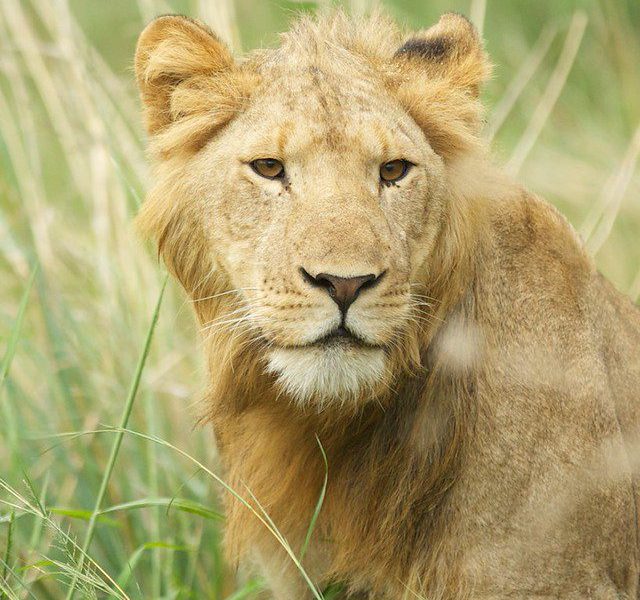
8-Day Uganda Primates & Wildlife
Gorilla and chimp trekking paired with tree-climbing lions and a Kazinga Channel boat cruise, all in one Uganda-only group departure.
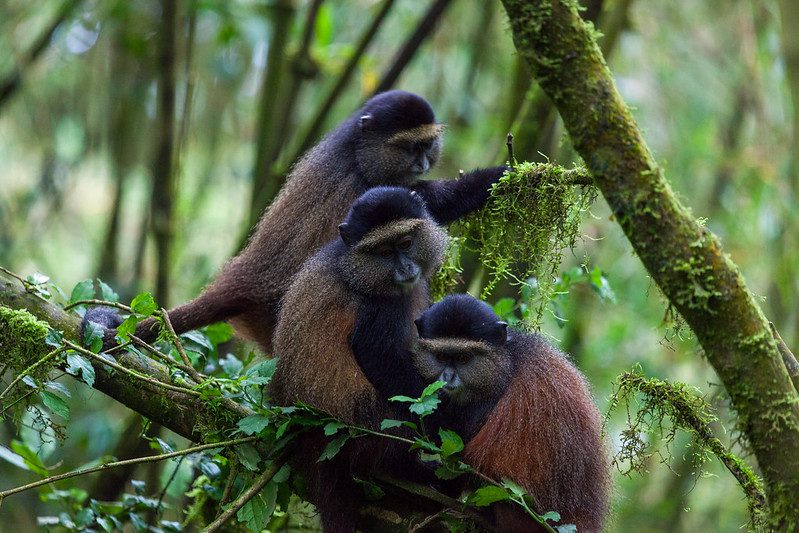
10-Day Rwanda & Uganda Gorilla Adventure
Mountain gorillas in both Volcanoes and Bwindi, golden monkey trekking, and a relaxed stop at Lake Bunyonyi.
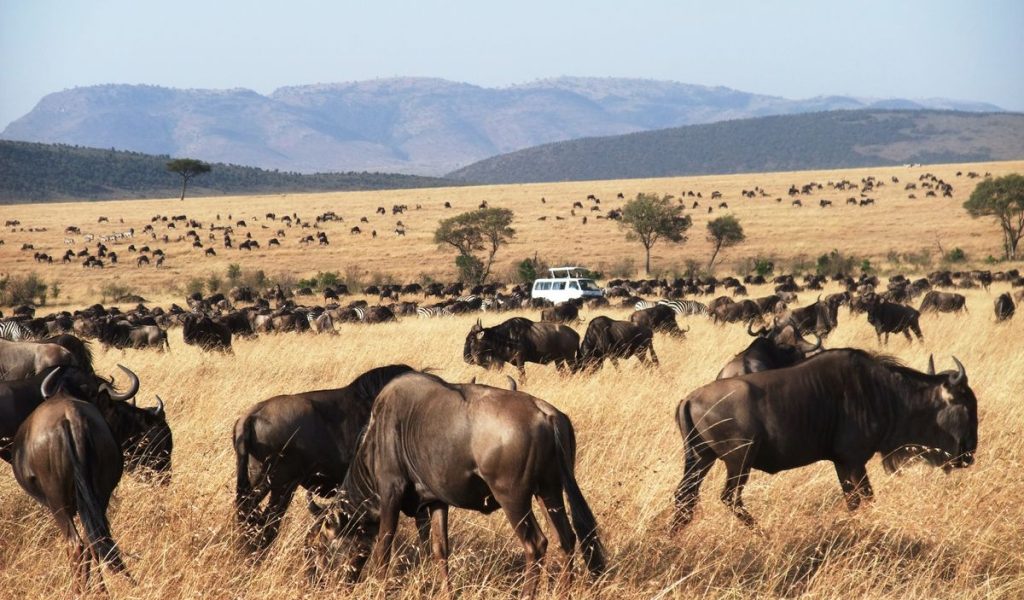
12-Day Tanzania Wildlife & Zanzibar
The Serengeti, Ngorongoro Crater and Tarangire paired with a closing beach stay on Zanzibar.
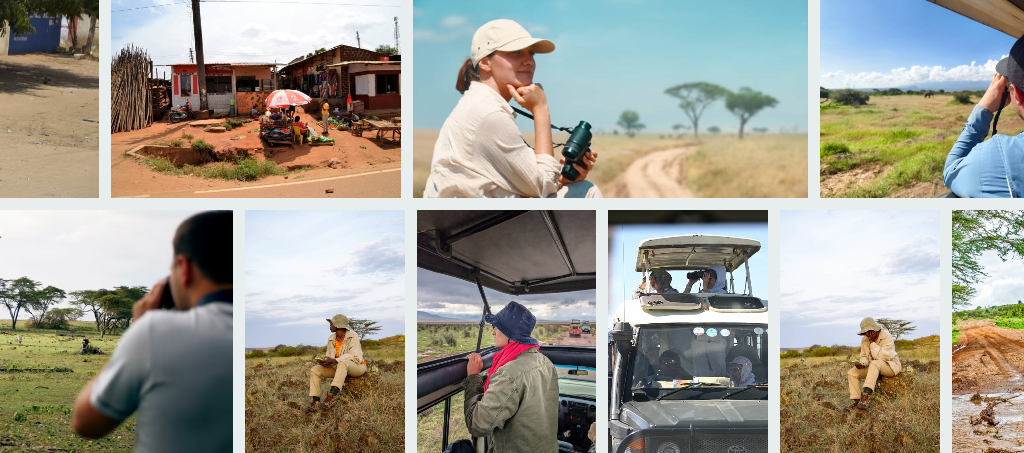
15-Day Ultimate East Africa
Our most complete group departure, combining gorilla trekking, the Serengeti migration, chimps and cultural encounters across three countries.
No comment