
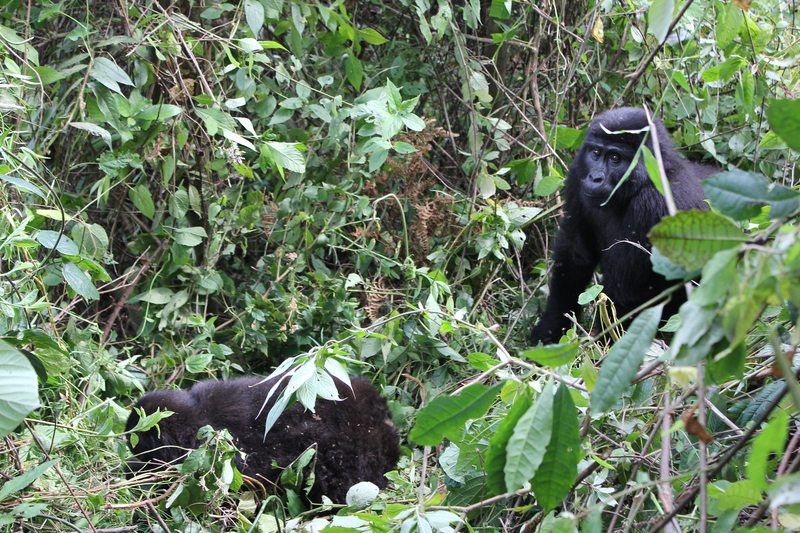
Malaria Risk Around Bwindi Impenetrable National Park: What Travelers Should Know
Bwindi Impenetrable National Park, Uganda’s renowned gorilla trekking destination, sits within a genuine malaria risk zone, and understanding practical prevention steps helps travelers approach this real but manageable health consideration sensibly rather than either ignoring it or letting it overshadow trip planning.
Why Bwindi’s Elevation Genuinely Reduces but Doesn’t Eliminate Risk
Bwindi’s genuinely higher elevation compared to Uganda’s lower-lying regions somewhat reduces mosquito activity, though this doesn’t eliminate risk entirely, meaning travelers should still take genuine precautions rather than assuming altitude alone provides adequate protection for their entire stay. Malaria-carrying mosquitoes remain genuinely most active during dusk and nighttime hours, meaning travelers should apply extra vigilance with repellent and covering exposed skin specifically during these windows rather than relaxing prevention efforts once the sun goes down. Uganda’s wetter months genuinely see increased mosquito breeding and activity, warranting extra diligence during rainier periods, and travelers should factor their specific travel season honestly into how rigorously they apply every prevention measure covered here, rather than assuming a fixed, one-size-fits-all level of caution suits every time of year.
What Genuine Prophylaxis Options Travelers Should Discuss With a Doctor
Several genuine antimalarial medications exist, each with different dosing schedules and side effect profiles ranging from mild stomach upset to more noticeable sleep disturbance, and travelers should consult a travel health provider well before departure, ideally four to six weeks ahead, to determine which option genuinely suits their specific health situation and to allow adequate time for the medication to build effective protection before actually reaching Bwindi. Many antimalarial medications genuinely require starting before departure to build this protection, meaning travelers should confirm the specific timeline for their chosen medication rather than starting too late and arriving under-protected. Travelers currently taking other medications should genuinely discuss potential interactions directly with their doctor, since some combinations require dosage adjustments or an entirely different prophylaxis choice, a conversation worth having well ahead of any final booking decisions.
How Mosquito Avoidance Genuinely Complements Medication
Beyond prophylaxis, genuine mosquito avoidance through repellent, long-sleeved light-colored clothing, and sleeping under a treated net considerably reduces bite risk, working alongside medication rather than replacing it, since no single prevention layer alone genuinely provides complete protection against every possible exposure. A genuine DEET-based or picaridin-based repellent, reapplied regularly especially after sweating during trekking activities, provides considerably more reliable protection than natural alternatives, and travelers should discuss appropriate concentration and duration with a pharmacist to match their specific trekking schedule and skin sensitivity before departure. A basic health kit including your prescribed medication, a thermometer, and basic fever-reducing medication genuinely gives travelers useful tools for monitoring their own health throughout the trip, complementing rather than replacing professional medical care should symptoms actually develop during or after your stay.
How Lodge Accommodation and Local Guides Genuinely Support Prevention
Most established Bwindi-area lodges genuinely provide treated mosquito nets and screened rooms, though travelers should confirm this directly when booking and still apply personal repellent as an additional layer of protection, since standards can genuinely vary between properties and shouldn’t be assumed uniform across every lodge tier or price point. Experienced Bwindi guides and lodge staff genuinely understand local mosquito patterns near standing water and vegetation, and asking them directly for location-specific advice upon arrival adds a practical layer of protection beyond generic guidance alone, tailored to conditions at that exact time of your visit. Long-sleeved, light-colored clothing genuinely reduces exposed skin and makes mosquitoes easier to spot and swat before they bite, a simple, low-cost prevention layer worth incorporating into your Bwindi packing list alongside your prescribed medication and repellent supply.
What Symptoms Travelers Should Genuinely Watch For
Fever, chills, headache, and fatigue genuinely represent common malaria symptoms that can appear during travel or up to several weeks after returning home, meaning travelers should seek prompt medical attention if these symptoms emerge rather than assuming a minor illness will simply resolve on its own. Travelers should genuinely inform their doctor of recent Uganda travel to ensure accurate, timely diagnosis rather than a delayed one, since malaria symptoms can genuinely resemble other common illnesses if the travel history isn’t mentioned upfront. Travelers who complete thorough malaria prevention preparation consistently report feeling genuinely more relaxed and present during their Bwindi trek, free from the low-grade worry that inadequate preparation might otherwise create throughout the trip.
What Travel Insurance and Documentation Should Genuinely Cover
Travelers should confirm their travel insurance genuinely covers malaria treatment and any related medical evacuation, a detail worth verifying directly with your insurer before departure given the real, if manageable, nature of this risk, rather than discovering a coverage gap only after an unfortunate incident. Beyond malaria prevention, travelers should also confirm current yellow fever vaccination requirements and other recommended immunizations for Uganda travel, health preparation steps worth completing alongside malaria prophylaxis planning during the same travel health consultation. Given Bwindi’s genuinely demanding gorilla trekking terrain, travelers should discuss both malaria prophylaxis and general fitness for physical exertion with their doctor together, since some considerations genuinely overlap when preparing for this specific destination.
How Families and Travelers With Specific Health Needs Should Prepare
Families traveling with children should consult a pediatric travel health specialist about age-appropriate prophylaxis and repellent formulations, since not every adult medication or repellent concentration genuinely suits younger travelers, and this consultation should happen well ahead of departure rather than as a last-minute afterthought. Pregnant travelers or those with pre-existing health conditions should genuinely discuss prevention options carefully with a specialist, since some standard prophylaxis medications aren’t recommended for every traveler’s specific circumstances, and a tailored recommendation genuinely serves these travelers better than generic guidance intended for the average healthy adult.
How This Compares to Malaria Risk Elsewhere in Uganda and on Safari
Travelers researching broader Uganda malaria prevention will find useful complementary detail in how common is malaria in Uganda, covering genuine national-level context, and those combining Bwindi with other destinations will find useful general guidance in how to avoid malaria on a safari, covering prevention practices applicable across your entire itinerary.
How to Approach This Risk With Genuine, Informed Balance
Malaria prevention genuinely follows well-established, effective protocols, and travelers who take reasonable precautions consistently complete their Bwindi trips without incident, a track record worth keeping in perspective rather than letting concern overshadow trip planning entirely. Approaching this risk with genuine, informed awareness rather than either dismissiveness or excessive anxiety reflects the balanced mindset that consistently serves travelers best, and this same preparation genuinely supports the physical demands of gorilla trekking itself, since fitness and health considerations for this destination naturally overlap in practice. Directly asking your chosen Bwindi lodge about their specific mosquito prevention measures, including net treatment and room screening, genuinely helps you assess how much additional personal precaution to bring for your particular stay.
What Makes Starting Preparation Early Genuinely Worthwhile
The modest effort of consulting a travel health provider and packing appropriate prevention tools genuinely pays off in a healthier, more relaxed Bwindi trip, letting travelers focus fully on their gorilla trekking experience rather than a preventable health worry. Travelers who have visited Bwindi multiple times consistently describe settling into a reliable, low-effort prevention routine combining consistent repellent use and appropriate clothing, a habit that becomes second nature after the first well-prepared trip and considerably simplifies planning for any return visit.
What Genuine Awareness of Nearby Environments Adds to Prevention
Understanding that mosquito activity genuinely concentrates near standing water and dense vegetation helps travelers apply extra caution in these specific areas around lodges and trekking trailheads, a practical, location-specific awareness that goes beyond simply following general prevention checklists without adapting them to the actual landscape around you. Scheduling a travel health consultation well before departure genuinely gives adequate time to start prophylaxis, receive any recommended vaccinations, and address specific health questions, ensuring your Bwindi trip begins with every reasonable precaution already firmly in place before you even board your flight.
How This Fits Within Your Broader Pre-Trip Health Checklist
Malaria prevention represents one genuine component of a broader pre-trip health checklist that should also include travel insurance verification, general fitness preparation for demanding trekking terrain, and any destination-specific medical consultations relevant to Uganda travel more broadly. Bringing all of these pieces together, rather than addressing malaria in isolation, gives travelers a genuinely well-rounded, confident foundation for approaching this real but entirely manageable health consideration.
What Genuine Repellent Application Habits Prevent Gaps in Protection
Applying repellent thoroughly to all exposed skin before each trekking session, rather than a quick, partial application, genuinely closes the gaps where mosquitoes most often bite, and reapplying after any heavy sweating or contact with water keeps this protective layer consistently effective throughout a demanding day in the forest.
Planning Your Bwindi Trip With Confidence
Combining appropriate prophylaxis, consistent mosquito avoidance, awareness of symptoms, and a broader health checklist gives travelers a genuinely solid, confident foundation for a healthy, well-prepared Bwindi gorilla trekking trip from arrival through departure. All in Africa Safaris can help you plan a well-prepared Bwindi trip, or you can get in touch to plan the details of your trip.

No comment