
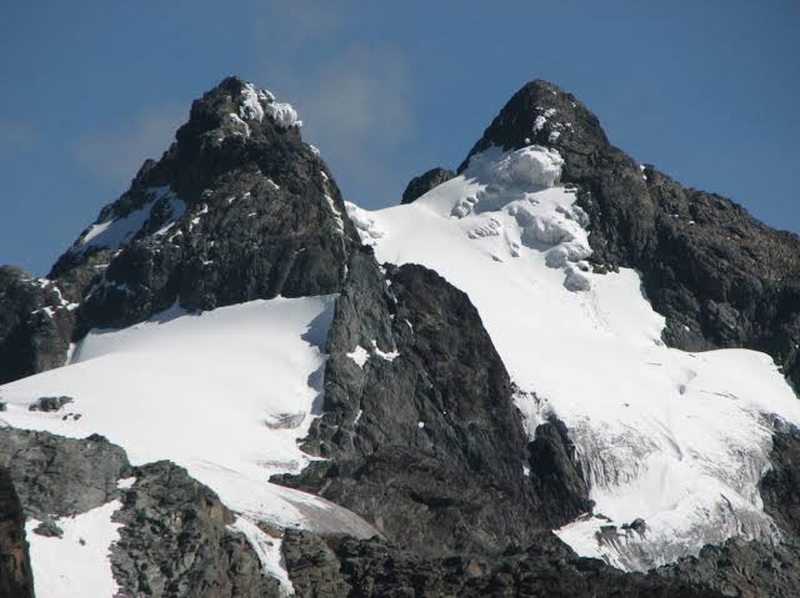
A Guide to Responsible Tourism in Mount Rwenzori
Mount Rwenzori, the legendary “Mountains of the Moon” straddling the Uganda-DRC border, hosts a genuinely fragile afro-alpine ecosystem, and understanding how to trek here responsibly helps protect this remarkable environment while supporting the communities whose livelihoods depend on it.
Why Rwenzori’s Ecosystem Requires Particular Care
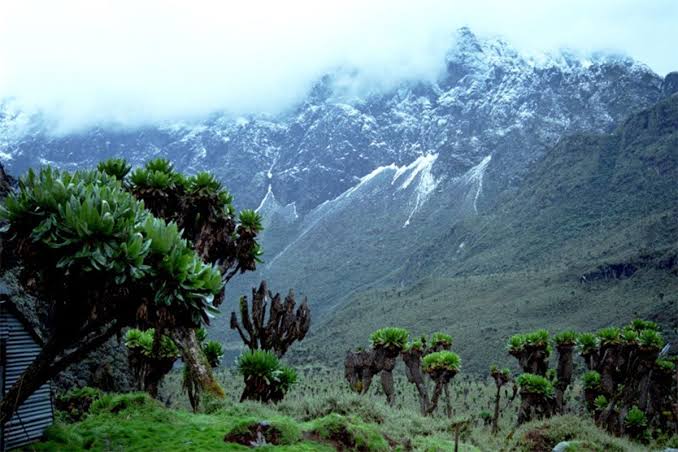
Rwenzori’s unique afro-montane vegetation, including rare giant lobelias and groundsels, evolved in genuine isolation, making the ecosystem particularly vulnerable to careless trekking impact.
Staying on Designated Trails at All Times
Straying from established trails damages Rwenzori’s fragile vegetation and soil structure, making strict trail discipline a genuinely important responsible trekking practice here.
Packing Out All Waste Without Exception
Carrying out every piece of trash, including biodegradable items, protects Rwenzori’s remote high-altitude environment from waste that decomposes far slower in this cold climate.
Choosing Operators With Genuine Environmental Commitments
Selecting trekking operators with demonstrated environmental policies, proper waste management and trail conservation support, channels your trip spending toward genuinely responsible practices.
Respecting Water Source Protection Protocols
Avoiding soap or contaminants near Rwenzori’s mountain streams protects water sources that both wildlife and downstream communities genuinely depend on.
Supporting Fair Wages for Porters and Guides
Confirming your operator pays porters and guides fair, genuinely livable wages, and tipping appropriately, supports the local employment this trekking economy depends on.
Respecting Porter Weight Limits
Adhering to established porter weight limits protects these workers from genuine physical harm, an ethical trekking practice worth taking seriously rather than treating as a mere guideline.
Minimizing Single-Use Plastic on Your Trek
Bringing reusable water bottles and minimizing packaged food waste reduces the genuine plastic burden this remote mountain environment must otherwise absorb.
Respecting Wildlife Viewing Distances
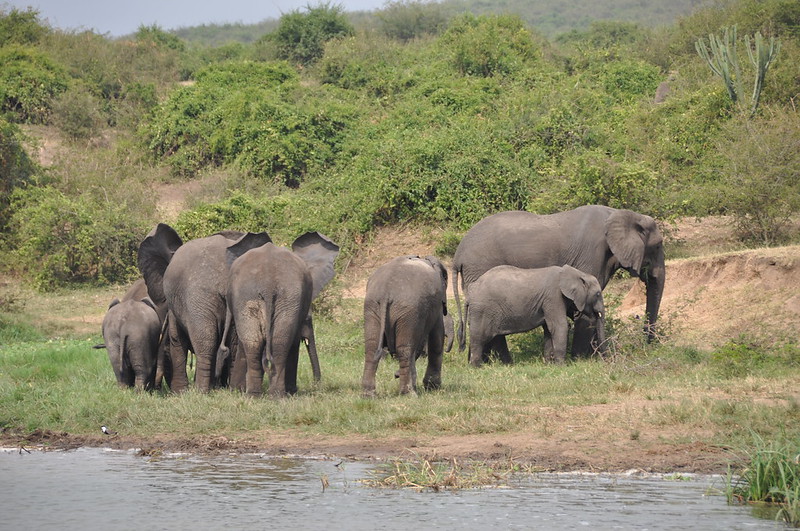
Maintaining appropriate distance from Rwenzori’s wildlife, including its elusive forest elephants and various primates, protects both animal welfare and your own safety.
Supporting Community-Based Tourism Initiatives
Engaging with community-run guesthouses, craft cooperatives, or cultural programs around Rwenzori’s foothills channels tourism revenue directly toward local livelihoods.
Understanding the Mountain’s Cultural Significance
Rwenzori holds genuine cultural and spiritual significance for local Bakonzo communities, worth understanding and respecting throughout your trekking experience.
Choosing Certified or Recognized Operators
Working with operators recognized by Uganda’s tourism authorities and demonstrating genuine adherence to park regulations supports accountable, responsible trekking practices.
Respecting Fire and Cooking Fuel Regulations
Following park regulations around cooking fuel and fire use protects Rwenzori’s vegetation from the genuine fire risk careless practices could introduce.
Minimizing Noise Impact on the Mountain Environment
Keeping noise levels genuinely low throughout your trek respects both the mountain’s wildlife and the contemplative experience other trekkers are seeking.
Supporting Local Guides’ Expertise and Knowledge
Genuinely valuing your guides’ local ecological and cultural knowledge, rather than treating them as mere logistics providers, reflects responsible tourism’s relational dimension.
Understanding Altitude-Related Environmental Fragility
Rwenzori’s highest zones recover from disturbance considerably more slowly than lower-altitude environments, making careful, minimal-impact trekking genuinely important throughout.
Considering Your Carbon Footprint for This Trip
Travelers genuinely concerned about environmental impact might consider carbon offset programs for their international travel, complementing responsible on-mountain practices.
Respecting Photography and Privacy Around Communities
Asking permission before photographing local community members, particularly around Rwenzori’s foothill villages, reflects basic respectful tourism practice.
How Responsible Trekking Supports Long-Term Conservation
Tourism revenue from responsibly conducted Rwenzori treks directly supports the park’s conservation funding and ranger operations protecting this fragile ecosystem long-term.
What Genuine Responsible Operators Do Differently
The best Rwenzori operators demonstrably train guides and porters in environmental practices, maintain proper waste protocols, and genuinely invest in community relationships.
Considering Group Size for Environmental Impact
Smaller trekking groups generally reduce cumulative trail impact compared to larger parties, a factor worth weighing alongside your other trip planning priorities.
How to Verify an Operator’s Genuine Responsible Practices
Asking specific, direct questions about waste management, porter treatment, and community partnerships helps you distinguish genuinely responsible operators from marketing claims alone.
Respecting Park Regulations Around Camping and Huts
Following designated camping and hut regulations, rather than improvising alternative arrangements, protects both the environment and the broader trekking infrastructure other visitors depend on.
Why Responsible Tourism Benefits Your Own Experience Too
Trekkers who engage responsibly with Rwenzori’s environment and communities consistently describe a genuinely richer, more meaningful experience than those focused purely on summit achievement.
What First-Time Rwenzori Trekkers Should Prioritize
First-time trekkers should prioritize researching operator credentials and responsible practices as seriously as they research trekking difficulty and cost.
How This Guide Applies Beyond a Single Trek
These responsible tourism principles apply broadly to any high-altitude African trekking destination, making this preparation valuable well beyond Rwenzori specifically.
Final Thoughts on Trekking Rwenzori Responsibly
Combining careful environmental practice, fair treatment of guides and porters, and genuine community engagement gives you a comprehensive approach to responsible Rwenzori trekking.
What Repeat Rwenzori Trekkers Say About This Approach
Trekkers who have returned to Rwenzori multiple times consistently emphasize that responsible practices, once adopted, become an unremarkable, natural part of how they approach any mountain trek.
A Final Word on Leaving This Mountain Better Than You Found It
Approaching Rwenzori with genuine intention to minimize impact and support local communities honors both this extraordinary mountain and the people whose lives are woven into it.
Bringing Responsible Practice Into Your Full Trip Planning
Extending these responsible tourism principles across your broader Uganda itinerary, not just the Rwenzori segment, produces a genuinely more ethical, meaningful overall trip.
Why Buying Local Where Possible Matters
Purchasing supplies, snacks, or crafts from local vendors near the trailhead, rather than bringing everything from Kampala, channels more of your spending directly into the surrounding Bakonzo economy.
How to Handle Human Waste Responsibly on the Mountain
Following your operator’s specific protocols for human waste disposal, typically using designated facilities at established camps, protects Rwenzori’s water sources from genuine contamination risk.
What Role Park Fees Play in Conservation Funding
Understanding that your park entrance and trekking fees directly fund ranger patrols, trail maintenance, and conservation research helps frame these costs as a genuine investment rather than a simple expense.
Why Learning Basic Local Phrases Enriches the Experience
Learning a few basic greetings in the local language spoken by your guides and porters reflects genuine respect and often deepens the relational quality of your trek.
A Final Thought on Balancing Ambition With Environmental Care
Travelers focused purely on reaching Margherita Peak sometimes overlook responsible practices under summit pressure, worth consciously guarding against throughout your climb.
What to Do if You Witness Irresponsible Practices
Politely raising concerns with your guide or operator if you notice littering, off-trail wandering, or unfair porter treatment helps reinforce responsible norms throughout the trekking community.
How Climate Change Adds Urgency to Responsible Practices
Rwenzori’s glaciers have retreated significantly in recent decades, and this visible climate impact adds genuine urgency to minimizing every other avoidable environmental pressure on the mountain.
Why Choosing This Mountain at All Reflects a Value Judgment
Choosing Rwenzori over more heavily trafficked mountains like Kilimanjaro often reflects travelers’ genuine interest in a less commercialized, more ecologically sensitive trekking experience.
What Long-Term Rwenzori Guides Wish More Trekkers Understood
Guides who have worked Rwenzori for years consistently wish more trekkers understood the mountain’s ecological fragility before arriving, rather than learning it only during the trek itself.
A Closing Reflection on What Responsible Trekking Ultimately Means
Responsible Rwenzori trekking ultimately means treating this mountain and its communities as a genuine, ongoing relationship rather than a one-time destination to check off a list.
How to Prepare Yourself Mentally for Responsible Trekking
Arriving with a mindset genuinely oriented toward stewardship, rather than conquest, shapes countless small decisions throughout your trek in ways that add up to real environmental difference.
What This Guide Hopes You Carry Forward
Beyond Rwenzori itself, carrying these responsible tourism habits into future travel reflects the kind of lasting impact a single well-conducted trek can have on how you engage with wild places generally.
One Last Word on Choosing Your Operator Carefully
Given how much responsible practice depends on your specific operator’s genuine commitments, this single decision matters more than almost any other choice in your Rwenzori trip planning.
Bringing These Principles Together Before You Depart
Reviewing this guide once more shortly before your trek, rather than only during initial research, helps these responsible practices stay genuinely front of mind throughout your climb.
Why Documenting Your Trek Responsibly Matters Too
Sharing honest, accurate accounts of your Rwenzori trek afterward, rather than exaggerated or misleading content, helps future trekkers arrive with genuinely realistic expectations and respect for the mountain.
What Role Travel Insurance Plays in Responsible Planning
Confirming your travel insurance covers high-altitude trekking and emergency evacuation reduces the likelihood of relying on ad-hoc local resources that could strain the mountain’s limited emergency infrastructure.
A Final Word on Passing These Values to Fellow Trekkers
Modeling responsible practices visibly during your trek, rather than practicing them privately, can quietly influence fellow trekkers who might not have considered these principles themselves.
Planning Your Responsible Mount Rwenzori Trek
Trekking Rwenzori responsibly protects this extraordinary mountain for generations of future visitors. All in Africa Safaris can help you plan a responsibly conducted Rwenzori trek, or you can get in touch to plan the details of your trip.

No comment