
Big Year Birding: Could You Record 500 Species in East Africa?
East Africa is one of the rewarding places in the world for anyone who wants to see bird diversity up close. In a small area you can move from highland forests and mountain valleys to open grasslands, freshwater lakes, papyrus wetlands, coastal forests and dry areas. Each place has its set of birds and the change in views can be big even in a single day. For anyone who likes to keep a bird list this variety brings a question: Big Year Birding: Could You Record 500 Species in East Africa? The answer is yes with good planning, enough time and a desire to travel through several countries and environments.
A big year is more than a race to collect names. It is a challenge that makes you pay attention to places, seasons, sounds, migration and small things that are easy to miss on a normal trip. Reaching 500 species would need effort. It is not a hard goal in East Africa. Uganda, Kenya, Tanzania and Rwanda have chances while experienced birders can add more by visiting good spots in Ethiopia or other parts of the area. The real success is in making a journey around environments of just trying to count numbers.
Why East Africa Is Great for a Big Year Challenge
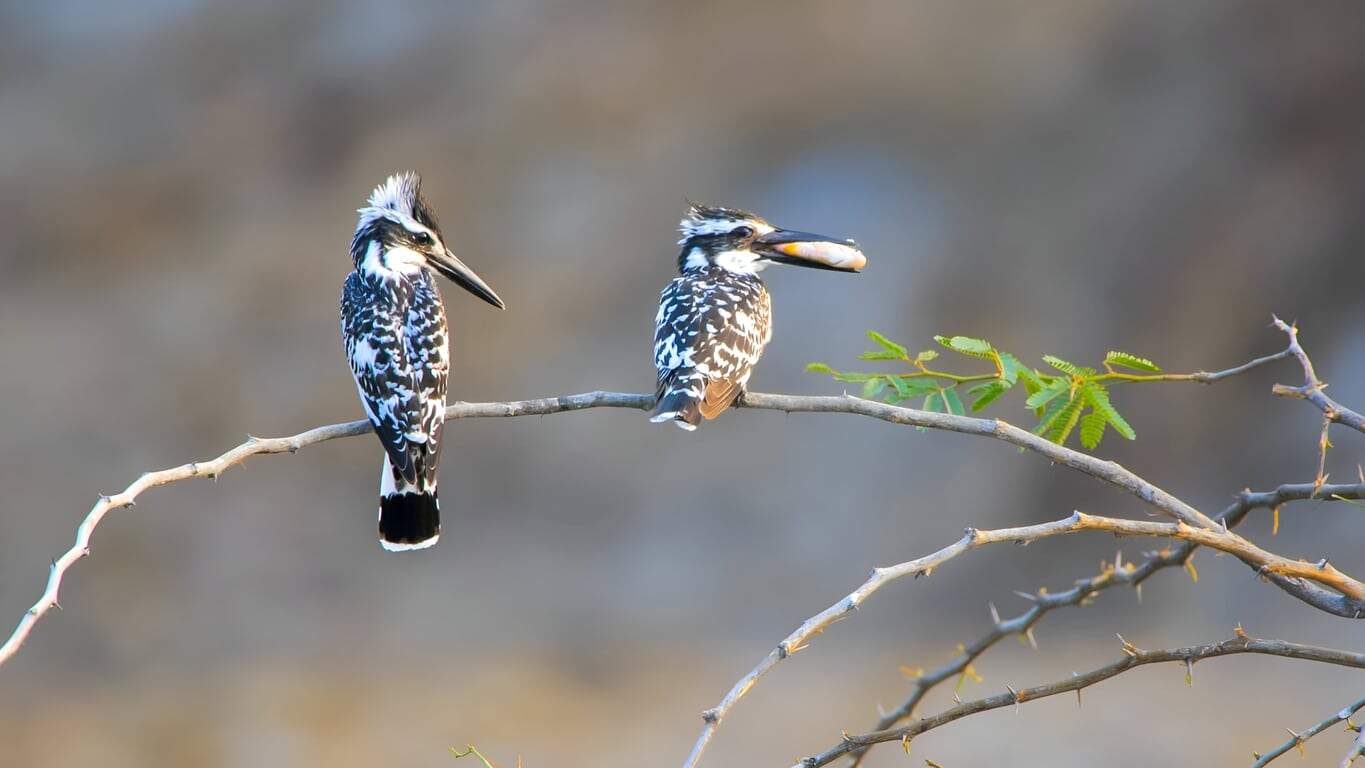
East Africa has an advantage that makes a large list possible: variety of environments. A morning near a forest stream can bring birds than an afternoon on a grassy plain. Wetlands add another level bringing in herons, egrets, kingfishers, jacanas, ducks, storks and other birds that need water. Forests bring turacos, barbets, flycatchers, hornbills, sunbirds and birds that only live in forests.
Uganda is especially good for a list because many different places are easy to reach in one country. You can explore papyrus wetlands near Entebbe and Mabamba check the forests of Kibale and Bwindi visit the grasslands of Queen Elizabeth and Murchison Falls and spend time around Lake Mburo. Each place adds chances to your list. A good Uganda birding trip can then give a start to a 500-species goal.
Kenya is another place. The country has the Great Rift Valley lakes, dry northern areas, mountain forests, coastal areas and famous grasslands. Sites such as Kakamega Forest, Lake Nakuru, Lake Naivasha, Samburu, Tsavo and the Maasai Mara can offer different bird groups. Tanzania adds chances through places like Serengeti, Ngorongoro, Tarangire, Lake Manyara and the Eastern Arc Mountains.
Start With Habitats, Not a Species List
Plan Your Year Around Different Places
One of the errors you can make is planning your challenge only around certain birds. Birds move, hide, change behavior and react to weather. A certain bird might be hard to find when you visit its usual place. Environments are more dependable because they give you access to possible birds at once.
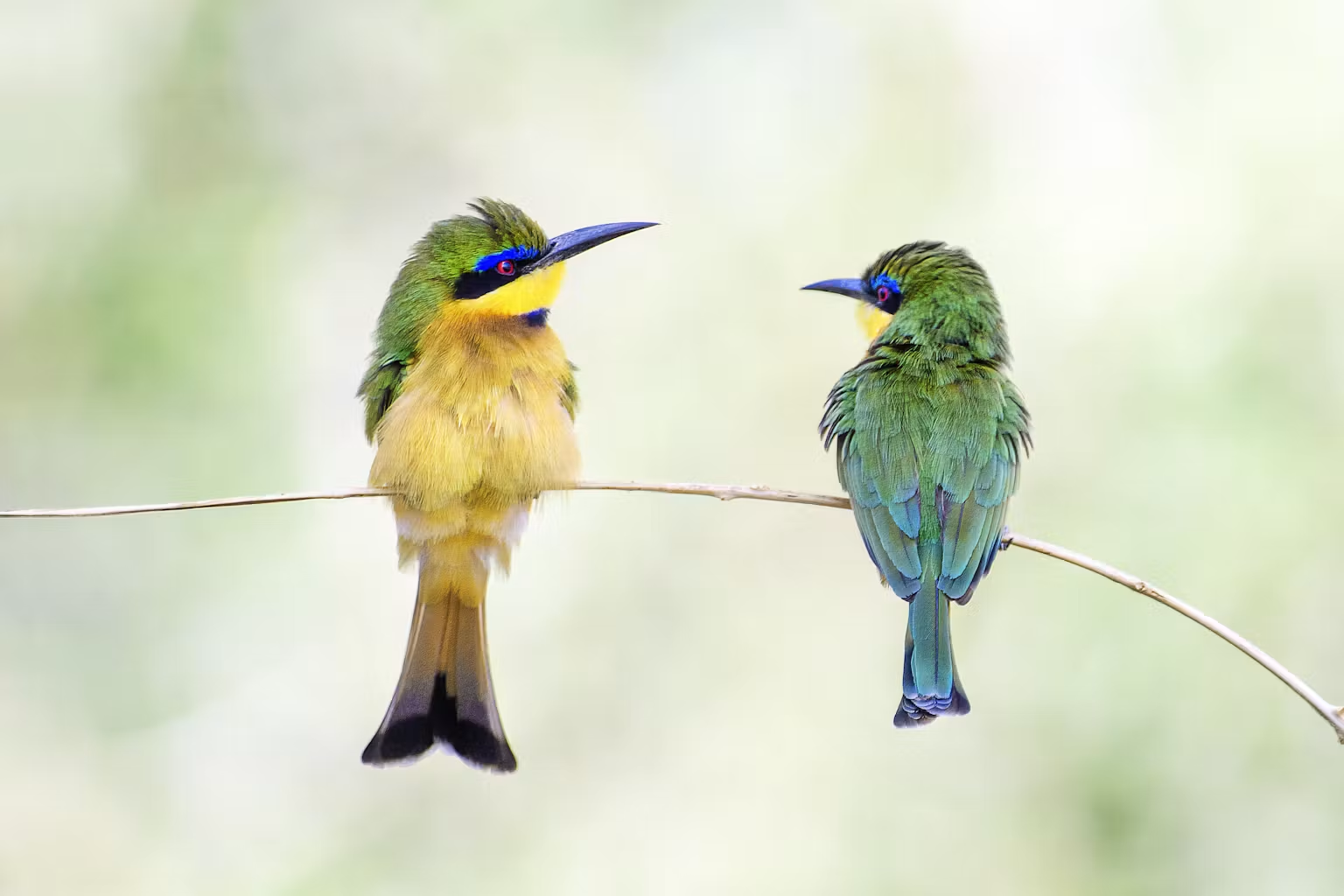
Start by finding the places you want to visit. Forests should be high, on your list because they bring birds you won’t find elsewhere. Wetlands are also important especially when waterbirds are around. Open land and grasslands bring raptors, bustards, rollers, bee-eaters, starlings and more birds. High areas can add birds that live in places while coastal forests can bring a different group of birds.
This way of thinking also makes the trip more fun. Of spending a whole day waiting for one hard-to-find bird you can explore a place knowing that every path, open space, tree or wetland edge has something worth finding.
The Best Places to Chase 500 Species
Ugandas Forests and Wetlands
Uganda can play a role in a regional big year. The country’s location and habitat range make it possible to combine forest specialists with wetland and savanna species without crossing borders.
Bwindi Impenetrable National Park is especially valuable for Albertine Rift species. Its steep forest trails require patience. The rewards can include beautiful turacos, sunbirds, greenbuls, flycatchers and other forest birds. Kibale Forest offers another forest experience while Queen Elizabeth National Park brings a mix of woodland, grassland, wetlands and lakeshore habitats.
Mabamba Swamp deserves attention for anyone hoping to see the Shoebill. A canoe excursion through papyrus channels can also produce jacanas, herons, kingfishers, egrets and other wetland species. The experience demonstrates why wetlands should never be treated as stops during a serious birding year.
Kenyas Rift Valley and Forests
Kenya can dramatically increase your total. The Rift Valley lakes are particularly productive with waterbirds gathering around shorelines and shallow waters. Lake Nakuru, Lake Naivasha and Lake Baringo each have their character and species possibilities.
Kakamega Forest is another stop. Its dense vegetation rewards exploration and careful listening. The forest environment can feel completely different from the landscapes of northern Kenya. Spending time in both regions helps create a list.
The Maasai Mara and Samburu also deserve a place in the plan. Their open landscapes support species that’re absent from dense forests while resident and migratory birds can make the savanna especially productive at different times of the year.
Timing Can. Break Your List
A 500-species target depends heavily on when you travel. Migratory birds can add variety during the right months particularly when Palearctic migrants arrive in East Africa. However resident birds remain the foundation of your list so you should not build the challenge around migration.
Rainy periods can also be productive because vegetation responds quickly insects become more available and many birds become active. Breeding activity may make certain species easier to detect because males sing or display frequently. The trade-off is that roads and forest trails can become difficult so your itinerary needs flexibility.
A good strategy is to spread your trips across seasons rather than trying to complete the entire challenge during one long holiday. Returning to the area at another time of year can reveal species that you missed during your first visit.
Keep a Birding Record
Your Notebook Becomes Part of the Adventure
When you begin chasing hundreds of species accurate records become essential. Write down the date, location, habitat and circumstances of each sighting. Recording the birds behavior and distinctive features can also help when you need to verify an identification
Photography can support your records. You do not need a perfect photograph of every species. Some of the memorable sightings happen when a bird appears briefly in thick vegetation or flies overhead before disappearing. Learning calls and songs is therefore just as important as learning identification.
A good field guide and a reliable birding app can make your planning easier. You can track which species you have already recorded and identify gaps in your list. Importantly your records will allow you to see how your knowledge develops throughout the year.
Could You Really Reach 500?
Big Year Birding: Could You Tick 500 Species in East Africa? For a newcomer 500 may initially sound intimidating.. East Africas diversity makes the goal achievable for someone who plans carefully and spends enough time in the field.
The exact number will depend on your experience, travel schedule, destinations, weather, identification skills and ability to find species. Someone spending a weeks in one country may build an impressive list but reaching 500 is more realistic when you combine several regions and habitats.
You also need to accept that some days will be slow. A morning might produce a handful of new species while another could deliver dozens. Keeping your expectations realistic prevents the challenge from becoming frustrating.
Make the Journey Bigger Than the Number
Let Every Species Tell You Where You Are
The reason to attempt a big year is not the final total. It is the way the challenge changes how you experience East Africa. You begin noticing the movement of a sunbird among flowers the call of a turaco the silhouette of a raptor circling above a ridge or a kingfisher waiting beside a quiet channel.
Big Year Birding: Could You Tick 500 Species in East Africa? becomes a question about exploration much as counting. Every new bird encourages you to enter another forest visit another wetland return to a trail or wake before sunrise for another field session.
A 500-species list would certainly be something to celebrate. The memories behind those names are what will stay with you. You may remember the time you heard a forest bird before locating it the excitement of finding a Shoebill in papyrus or the satisfaction of identifying a difficult species, from its call.
Plan Your Own East African Birding Challenge
Begin with a target. If you are new to birding aim for one hundred species first then two hundred fifty. As your identification skills improve, raise the target. If you already have field experience you can design an itinerary around Uganda, Kenya, Tanzania and Rwanda in East Africa and use each country’s strongest habitats to build your list.
Big Year Birding: Could You Tick Five Hundred Species in East Africa? Yes, with preparation, patience and enough time in the field. You do not need to find every bird or visit every national park. You need a plan that covers diverse habitats takes seasonal changes into account and gives you enough opportunities to explore.
Importantly allow yourself to enjoy the process. The list is a measure of progress but it should never become the only reason you go outside. East Africa offers forests filled with calls wetlands alive with movement open plains crossed by raptors and highlands where completely different birds wait among the vegetation. A five hundred species year can begin with something simple as picking up your binoculars opening your notebook and deciding to look a little more carefully at the birds, around you.
By the end of the journey whether your final list contains three hundred, five hundred or more species you will have gained something a deeper understanding of East Africa and the extraordinary birdlife that connects its forests, lakes, mountains, wetlands and savannas.





No comment