
Dry Season Travel to the Ruhija Sector: What to Expect
The Ruhija sector, perched at the highest altitude among Bwindi Impenetrable National Park’s four gorilla trekking sectors, offers a genuinely different experience depending on when you visit, and Uganda’s dry seasons, roughly December through February and June through August, bring their own distinct set of conditions worth understanding before you book. Knowing what to expect during these drier months helps you pack correctly and set realistic expectations for trekking, birding, and the overall rhythm of your visit.
Trail Conditions Improve Noticeably
Ruhija’s trails, already challenging given the sector’s steep, high-altitude terrain, become considerably more manageable during the dry season, with reduced mud and firmer footing throughout the forest. This doesn’t mean the trek becomes easy, since Ruhija’s elevation and dense vegetation remain demanding regardless of season, but the difference in underfoot conditions is significant enough that many repeat visitors specifically choose dry season dates for this reason alone.
Gorilla Tracking Times May Be More Predictable
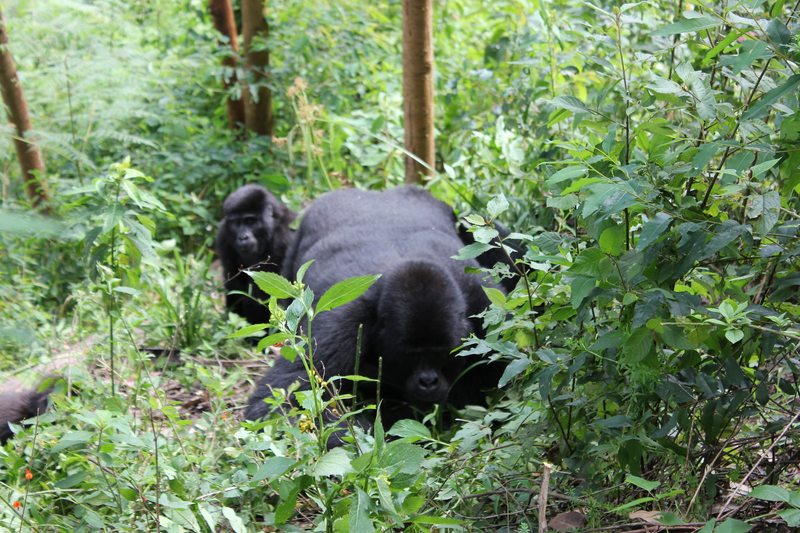
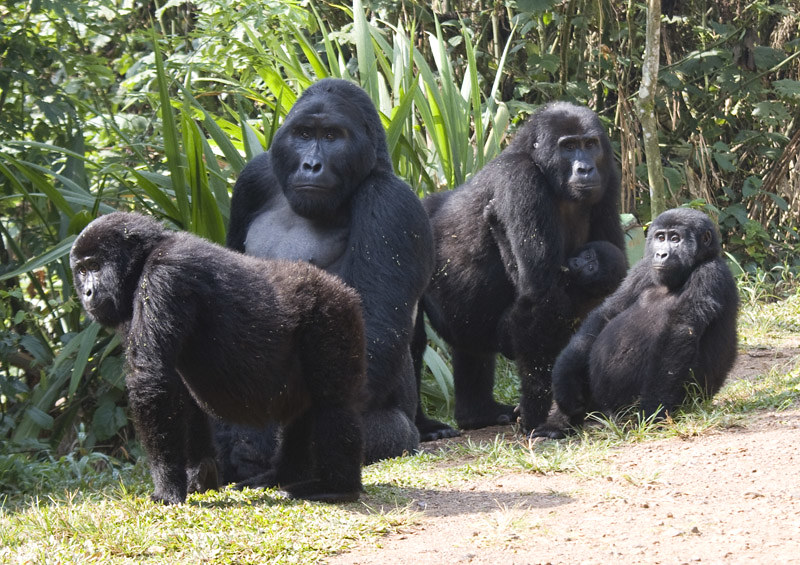
While gorilla movement patterns are never entirely predictable regardless of season, dry season conditions in Ruhija tend to correlate with somewhat more consistent tracking times, since the Bitukura and Oruzogo groups’ foraging patterns are less disrupted by the heavy rainfall that can push animals into denser, harder-to-access sections of the forest. Trekkers should still prepare mentally for anywhere from two to six hours of tracking regardless of season.
Higher Visitor Numbers During Peak Dry Months
The dry season, particularly the June-through-August window, coincides with peak international travel season, and Ruhija sees noticeably more visitors during this period than during the shoulder or rainy months. This means booking gorilla permits well in advance becomes essential, often several months ahead, since availability during peak dry season fills faster than during quieter periods of the year.
Cooler Mornings Still Require Proper Layering
Ruhija’s high altitude means mornings remain genuinely cool even during the dry season, and travelers who assume “dry season” automatically means warm conditions are often surprised by how much they need a proper layer for the early morning briefing and the first hour or two of trekking. Temperatures typically warm considerably as the day progresses, making layered clothing that can be removed and packed away the most practical approach.
Birding Conditions Around Mubwindi Swamp
Ruhija’s renowned birding, centered on the Mubwindi Swamp trail, remains excellent during the dry season, with clearer trail access and generally more comfortable walking conditions than the wetter months, though some specific migratory species are more reliably spotted during particular rainy season windows. Serious birders should research the specific species they’re hoping to see, since timing recommendations vary somewhat depending on target species.
Photography Conditions Tend to Improve
Dry season generally brings clearer skies and more predictable light for photography throughout the day, an advantage for both gorilla trekking images and the broader landscape photography opportunities Ruhija’s elevated position offers. That said, the forest canopy itself still creates the same dim, filtered light conditions regardless of season, so camera settings suited to low light remain relevant even on a clear dry season day.
Road Access Becomes More Reliable
The roads connecting Ruhija to other parts of Bwindi and the wider southwestern Uganda circuit, some of which remain unpaved, become noticeably more passable during dry season conditions, reducing the travel time uncertainty that can affect rainy season itineraries. Travelers with tightly scheduled multi-sector or multi-day itineraries generally find dry season timing reduces this specific source of stress.
Accommodation Books Up Faster
Given the popularity of dry season travel, lodges and guesthouses around Ruhija fill up considerably faster during these months than during the quieter rainy season periods, and travelers hoping for a specific property or room category should book well ahead of their intended dates. Last-minute dry season bookings, particularly during the June-through-August peak, often mean settling for less desirable options or properties farther from the trekking start point.
Pricing Tends to Reflect Peak Demand
Both gorilla permits, which are fixed nationally regardless of season, and accommodation rates, which do fluctuate, tend to sit at their highest during peak dry season months in Ruhija, reflecting the concentrated demand during this period. Budget-conscious travelers who can tolerate slightly less predictable weather sometimes find the shoulder months just before or after peak dry season offer a reasonable middle ground between weather conditions and cost.
Dust Becomes a Minor Consideration
While Ruhija’s dense forest environment limits how dusty conditions actually get compared to open savannah destinations, the drier trail surfaces during extended dry spells can kick up some dust on the more open sections of road leading to the trekking start point. This is a minor consideration compared to the mud challenges of rainy season, but worth a mention for travelers with dust sensitivities or camera equipment needing extra protection.
Community Visits and Cultural Experiences
Batwa cultural experiences and community visits around Ruhija generally proceed more smoothly during dry season conditions, since outdoor demonstration activities and village walks aren’t disrupted by sudden rain the way they might be during wetter months. This makes dry season a particularly good time to combine gorilla trekking with a fuller cultural itinerary in the same visit.
Comparing Ruhija’s Dry Season to Its Rainy Season
Travelers weighing dry versus rainy season for Ruhija specifically should understand that the sector’s high altitude means it stays cooler and somewhat wetter than lower Bwindi sectors even during official dry months, so the contrast between seasons here is less extreme than in drier parts of Uganda. This nuance matters when setting packing and weather expectations, since “dry season” in Ruhija still means bringing genuine rain protection just in case.
Health Preparations Worth Confirming Before Dry Season Travel
Regardless of season, standard Uganda travel health preparations, including yellow fever vaccination and malaria prevention measures, remain necessary for a Ruhija visit, and dry season’s somewhat reduced mosquito activity compared to rainy months doesn’t eliminate the need for these precautions. Confirming these requirements with a travel health provider well before your trip avoids last-minute complications regardless of when you choose to visit.
Making the Most of Clear Dry Season Views
On genuinely clear dry season days, Ruhija’s elevated position offers sweeping views across the forest canopy and, on the clearest days, distant glimpses of the Virunga volcanoes to the south, a visual reward that’s considerably less reliable during cloudier, mistier rainy season conditions. Travelers hoping specifically for these panoramic views should prioritize dry season dates and build in some flexibility around specific days known for clearer weather.
How Dry Season Fits Into a Broader Uganda Circuit
Travelers combining Ruhija with other Uganda destinations often find dry season timing simplifies the entire circuit, since better road conditions and more reliable weather apply broadly across the country’s southwestern parks during these months, not just within Bwindi itself. This makes dry season a particularly sensible choice for travelers with a tightly sequenced multi-park itinerary and limited tolerance for weather-related delays.
Deciding Whether Dry Season Suits Your Priorities
Ultimately, dry season travel to Ruhija suits travelers who prioritize firmer trails, more reliable logistics, and clearer views over the lower visitor numbers and lush scenery the rainy season offers, and neither choice is objectively better, only better suited to different priorities. Being honest with yourself about which factors matter most to your specific trip helps guide a more satisfying final decision.
Booking Timeline for Peak Dry Season Dates
Given how quickly Ruhija’s gorilla permits and accommodation fill for peak dry season dates, particularly the June-through-August window, travelers should aim to confirm bookings four to six months ahead whenever possible, with even earlier planning recommended for travel during major holiday periods. This lead time gives you the best chance of securing your preferred gorilla family, guide, and accommodation rather than settling for whatever remains available closer to your travel date.
Final Thoughts on Timing Your Ruhija Visit
Dry season Ruhija offers a genuinely more predictable, comfortable version of an already extraordinary gorilla trekking experience, and understanding exactly what to expect, from firmer trails to busier permit competition, lets you plan with confidence rather than guesswork. Combined with proper preparation, dry season timing consistently delivers on what most travelers are hoping for from this high-altitude sector.
What Your Ranger Can Tell You on Arrival
Even with the general dry season patterns described here, actual conditions can shift year to year, and your assigned ranger on trekking day genuinely knows the current state of the trails and recent gorilla movement better than any general seasonal guide can predict in advance. Asking directly at the morning briefing about that specific week’s conditions is always worth doing, regardless of how much research you’ve done beforehand.
Planning Your Dry Season Visit to Ruhija
Dry season brings firmer trails, clearer photography conditions, and more predictable logistics to the Ruhija sector, balanced against higher visitor numbers and the need to book well ahead. All in Africa Safaris can arrange your Ruhija gorilla trekking permit and lodging for the dry season, or you can get in touch to plan the timing of your Bwindi visit.

No comment