
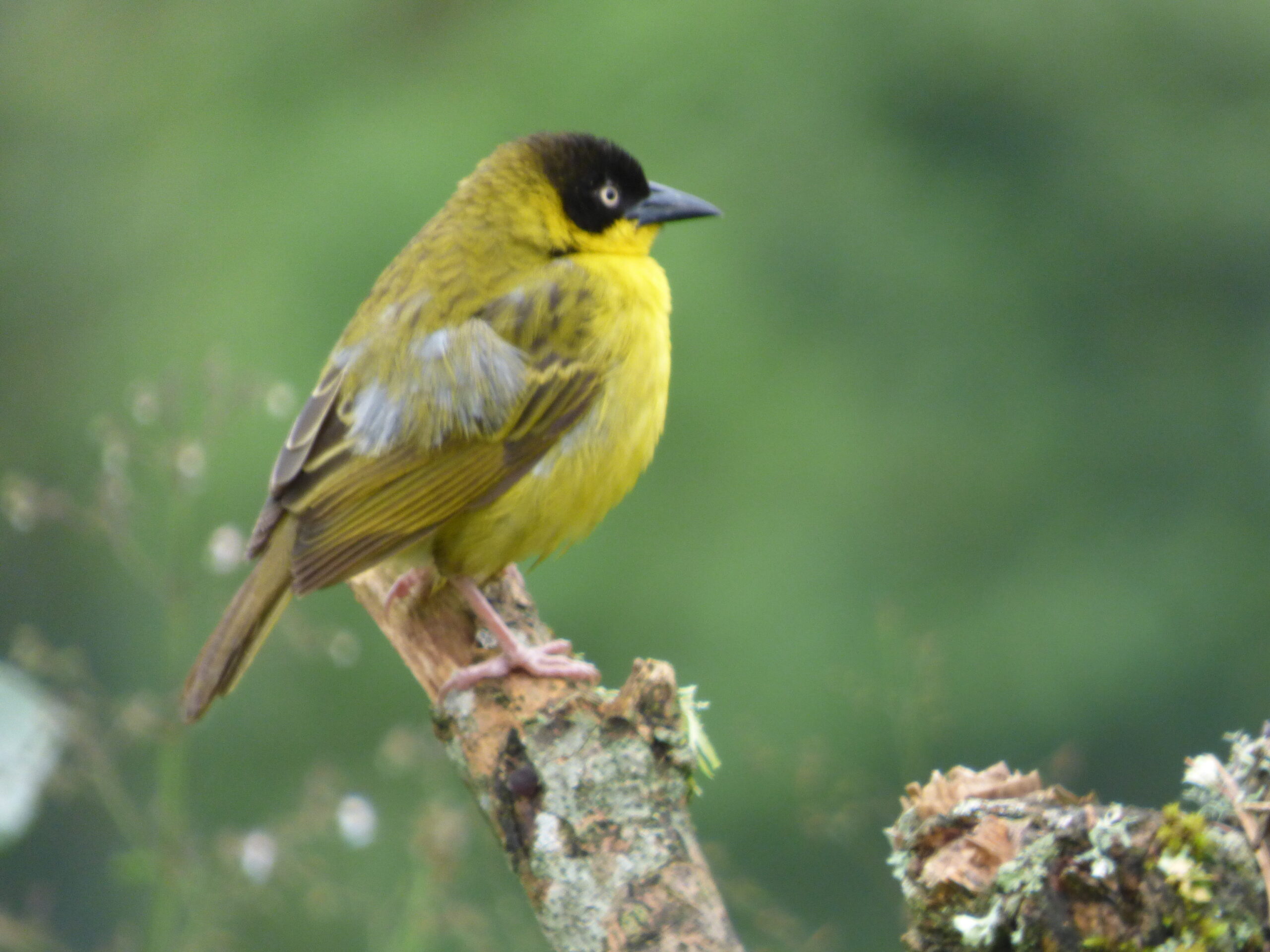
East Africa’s Wetland Birding Hotspots Compared
East Africa’s Wetland Birding Hotspots Compared: Discovering Nature’s Water-Rich Havens
Across East Africa, wetlands create some of the most rewarding places for exploring birdlife. These landscapes of lakes, rivers, marshes, floodplains and swamps support thousands of resident and migratory birds while protecting ecosystems that sustain communities and wildlife. From Uganda’s papyrus-filled waterways to Kenya’s lake systems and Tanzania’s vast seasonal wetlands, every destination offers a unique experience shaped by geography, climate and biodiversity.
For anyone seeking encounters with rare species, colorful waterbirds and peaceful natural surroundings, understanding the differences between these destinations can help create a richer journey. East Africa’s wetlands are more than bird habitats. They are living environments where every sunrise brings calls, movements, and discoveries.
Why East Africa’s Wetlands Are Important for Bird Diversity
Wetlands provide food, shelter and breeding areas for bird species. The combination of waters, aquatic plants, open grasslands and surrounding forests creates ideal conditions for both specialist and general bird species. Many wetlands also serve as stopping points for migratory birds traveling between continents.
The variety of habitats found in this region means every wetland has its character. Some are known for waterbirds such as the shoebill while others attract flamingos, herons, kingfishers, cranes and rare forest species living near water sources.
When exploring East Africas Wetland Birding Hotspots Compared it becomes clear that each country contributes something to the region’s birding reputation. Uganda offers swamp experiences Kenya combines famous lakes with open landscapes and Tanzania provides expansive wetland wilderness with impressive seasonal changes.
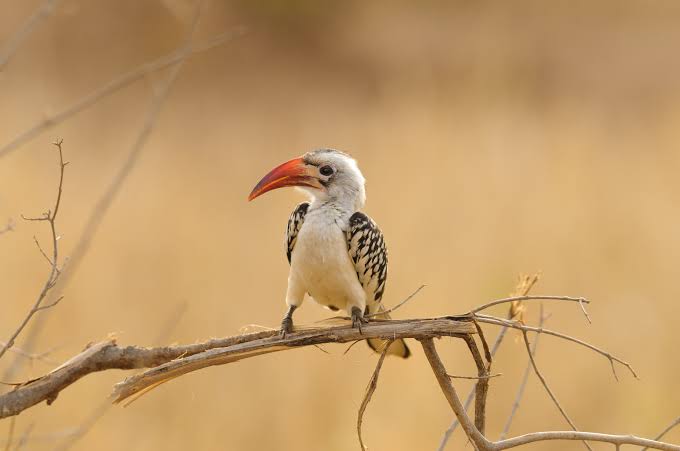
Uganda’s Wetland Treasures: A Paradise of Unique Species
Uganda is one of East Africa’s rewarding birding destinations because of its combination of wetlands, forests and freshwater habitats. The country’s wetlands are especially famous for species that attract visitors from around the world.
The Mabamba Wetland near Lake Victoria is one of Uganda’s recognized birding locations. Its network of channels floating vegetation and papyrus swamps creates an environment for the shoebill. A quiet canoe journey through these waters offers an opportunity to observe this bird in its natural setting while also seeing jacanas, kingfishers, egrets and other wetland species.
Uganda’s other wetland areas, including those around Lake Mburo, Queen Elizabeth National Park and Murchison Falls provide opportunities to experience diverse bird communities. The country’s advantage comes from combining wetlands with forests and savannah habitats allowing visitors to see a range of species during one journey.
The Beauty of Uganda’s Papyrus Swamps
Papyrus wetlands are among Uganda’s important natural environments. These thick green waterways protect specialized birds that depend on dense vegetation. Moving slowly through these areas reveals a world filled with movements, unusual calls and unexpected sightings.
The connection between wetlands and local communities is also strong. Many people depend on these areas for fishing, farming and natural resources making conservation efforts important for both wildlife and livelihoods.
Kenya’s Famous Lakes and Coastal Wetlands
Kenya has built a reputation among bird enthusiasts because of its dramatic landscapes and well-known wetland locations. Its lakes, rivers and coastal habitats support bird populations throughout the year.
Lake Nakuru is one of the country’s recognized wetland destinations. The lake has long been associated with flamingos although water conditions can influence their numbers from year to year. Beyond flamingos the surrounding environment supports pelicans, storks, raptors and many other species.
Lake Naivasha provides another wetland experience. Located within the Great Rift Valley this freshwater lake attracts waterbirds and offers beautiful views of surrounding landscapes. Boat trips across the lake provide encounters with pelicans, cormorants, herons and African fish eagles.
The coastal wetlands of Kenya add another dimension to the country’s birding appeal. Areas around Mida Creek and other coastal habitats support shorebirds and species adapted to mangrove environments.
Tanzania’s Expansive Wetland Landscapes
Tanzania’s wetlands stand out because of their scale and connection with some of Africa’s famous wilderness areas. The country’s lakes, rivers and floodplains create habitats for both resident and migratory birds.
The Rufiji River system in the area now part of Nyerere National Park contains extensive wetlands that attract waterbirds and other wildlife. Seasonal flooding transforms these landscapes creating feeding grounds for species.
Lake Manyara is another wetland destination. Despite its size the lake supports impressive bird diversity, including flamingos, pelicans and numerous water-associated species. Its location beside forests and grasslands creates opportunities to see both wetland and terrestrial birds in one area.
Tanzania’s wetland experiences often feel wild and spacious allowing visitors to appreciate nature on a scale. The combination of landscapes and seasonal changes makes every visit different.
Comparing the Top Wetland Birding Experiences Across East Africa
Looking at East Africas Wetland Birding Hotspots Compared reveals that no single destination offers everything. Each country has developed its identity through different landscapes and bird communities.
Uganda is ideal for those hoping to find species in quiet immersive wetland settings. Its canoe-based experiences allow exploration of swamp environments where patience often leads to memorable sightings.
Kenya is excellent for visitors who want wetland locations combined with classic safari experiences. Its lakes are well known easy to include in travel routes and surrounded by wildlife areas.
Tanzania appeals to travelers who prefer wilderness landscapes where wetlands form part of a broader natural adventure. Its rivers, lakes and floodplains provide a sense of exploration and discovery.
Planning a Wetland Birding Journey
A wetland adventure requires thoughtful planning. Early morning visits usually provide the opportunities because birds are more active during cooler hours. Carrying binoculars wearing clothing and traveling with knowledgeable local guides can greatly improve the experience.
Different seasons also influence what you may see. Water levels rainfall patterns and migration cycles affect bird movements. Some species appear in numbers during specific months while others remain throughout the year.
Combining wetland destinations creates a more complete understanding of East Africa’s bird diversity. A journey that includes Uganda, Kenya or Tanzania can reveal how different environments support species.
Protecting East Africa’s Wetland Future
Wetlands face increasing pressure from activities, climate changes and habitat loss. Protecting these areas ensures that future generations can continue enjoying their beauty and biological richness.
Responsible travel plays a role in conservation. Choosing tours, respecting wildlife distances and supporting local conservation projects help protect these fragile environments.
The story of East Africa’s Wetland Birding Hotspots Compared is also a story of conservation. Every swamp, lake and river represents a connection between people, wildlife and the natural world.
A Journey Filled With Discovery and Wonder
Exploring East Africa’s wetlands offers more than bird sightings. It creates moments of connection, with landscapes that have supported life for centuries. Whether watching a shoebill move through papyrus channels observing flamingos gather along a lake shore or hearing the calls of waterbirds at sunrise each experience leaves lasting memories.
The wetlands of Uganda, Kenya and Tanzania show the variety of East Africa’s natural heritage. Their differences make them worth exploring while their shared importance reminds us why these environments deserve protection.
For travelers searching for nature experiences East Africa’s wetlands provide endless opportunities to discover rare birds, beautiful scenery and the quiet rhythms of wild places.
