
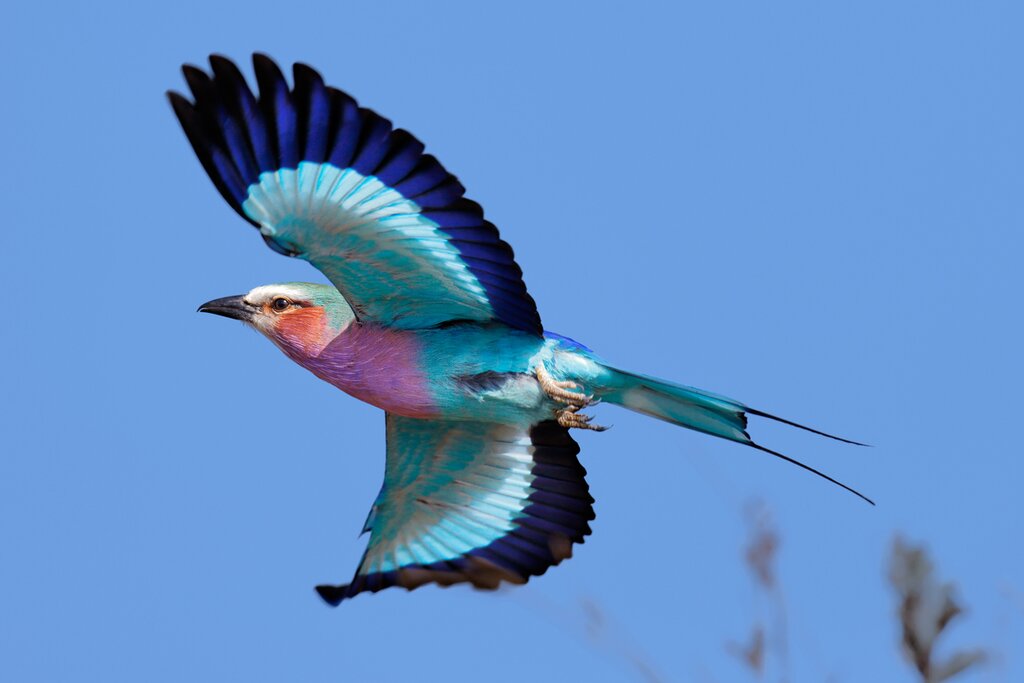
A Two-Week Birding Safari Itinerary Through Kenya
Kenya is a place for people who like to watch birds. You can see a lot of birds in two weeks. The country has different types of environments like forests, lakes, and savannas. You can also visit the coast of the Indian Ocean. All of these places are not far from each other, so you can visit them without feeling rushed.
Days 1 and 2: Nairobi National Park and the City’s Birding Sites
Nairobi National Park is a place to start your trip. The park has different types of environments like grasslands, forests, and wetlands. You can see different types of birds like the Secretarybird, the Common Ostrich, and the African Crowned Crane. It is best to get up and go for a drive in the morning. This is when the birds are most active.
Take your time. Look carefully at the grasslands. You might see some birds that’re easy to miss. In the afternoon you can visit places in Nairobi that are good for bird watching. Staying in Nairobi for two nights gives you time to rest and start your trip off well.
Early Birding Around Nairobi
Nairobi has green spaces where you can see birds. Look for birds like sunbirds, barbets and doves in the gardens and forests. A local guide can be very helpful. They can tell you what the different birds sound like which can make it easier to identify them.
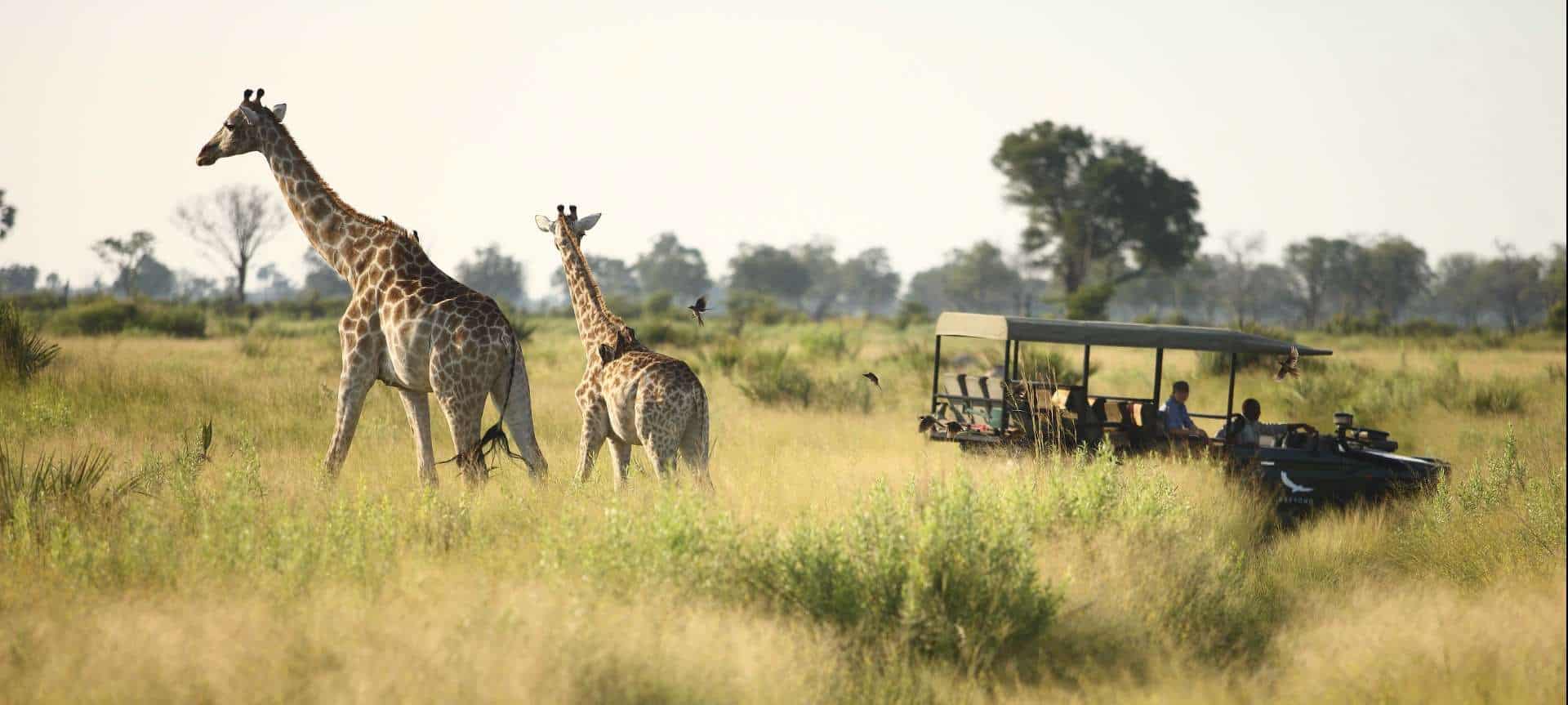
Days 3 and 4: Lake Naivasha and the Rift Valley
On the day you can travel to Lake Naivasha. The lake is a place to see birds that live in the water. You can take a boat ride on the lake. See birds like the African Fish Eagle and the Pied Kingfisher. The lake has different types of environments like open water, forests and farmland. This makes it a great place to see different types of birds.
Spend the day exploring the lake and the surrounding area. Keep your binoculars with you at all times because you never know when you might see a bird. The lake is also home to hippos and other animals, which can make the experience more enjoyable.
Days 5. 6: Lake Nakuru and Lake Baringo
On the day you can travel to Lake Nakuru. The lake is very different from Lake Naivasha. It has a lake, forests, grasslands and rocky cliffs. You can see different types of birds like raptors and waterbirds. Depending on the time of year and the water level you might see flamingos, pelicans and other birds.
After visiting Lake Nakuru you can travel to Lake Baringo. This lake is in an area so you can see birds that are different from the ones you saw at the other lakes. You can take a boat ride. Go for a walk with a guide. You might see birds, like kingfishers bee-eaters and hornbills.
Birding Lake Baringo
Lake Baringo is a place to spend a morning. It is best to get up especially if you want to go for a walk. Look at the trees the cliffs and the shoreline. This lake is a place to see many different types of birds and it is a highlight of A Two-Week Birding Safari Itinerary Through Kenya.
Days 7 and 8: Kakamega Forest
From the Rift Valley head west toward Kakamega Forest, one of Kenya’s important birding destinations. The forest feels completely different from the landscapes around Baringo. Tall trees, vegetation, vines, streams and shaded trails create habitat for forest specialists and species associated with western Kenya.
Early morning walks are essential. Listen for calls before trying to locate birds in the canopy and undergrowth. Depending on the season and exact location you can search for Great Blue Turaco, Blue-headed Crested Flycatcher, Grey Parrot, Turner’s Eremomela, African Broadbill and a wide range of sunbirds, barbets, greenbuls and flycatchers.
A forest guide is especially useful here. Some species remain hidden even when they are calling nearby and experienced guides often know the trails and feeding areas.
Days 9. 10: Samburu National Reserve
Fly or drive north toward Samburu National Reserve entering a landscape of dry hills, riverine woodland, rocky ground and acacia scrub. The change in scenery also brings a collection of birds. Samburu is famous for its dry-country species. Provides an excellent contrast with the forests and wetlands visited earlier.
Watch carefully along the Ewaso Ng’iro River, where birds gather around water and vegetation. Look for Somali Bee-eater, Vulturine Guineafowl, White-bellied Bustard Eastern Yellow-billed Hornbill, breasted Starling and other northern specialists. Raptors are also worth scanning for during the cooler hours of the morning.
Exploring Kenya’s Arid North
Avoid rushing between sightings. Dry-country birding rewards scanning, especially around riverbanks, acacia trees and open plains. The experience also gives you a sense of how dramatically Kenya’s birdlife changes, across ecological zones.
Days 11 and 12: Tsavo East and Tsavo West
Tsavo East has open spaces, bushland, rivers that fill up sometimes and really nice red earth views. Tsavo West is different it has areas, volcanic landscapes, springs and woods. Together they are great for seeing birds that live in areas.
When you are moving from one place to another keep looking because you can see birds on roads and near water. Tsavo is a place where you can see birds and other animals at the time, which makes for a fun trip.
Days 13 and 14: Kenya’s Coast and Arabuko-Sokoke Forest
At the end of your trip you will be on the coast of Kenya, where you can see birds in the forest near the coast and in the wet areas. Arabuko-Sokoke Forest is a deal for people who want to see special birds that live near the coast. The different kinds of forests have birds that you will not see in places.
Spend your day looking for birds with a guide who knows what they are doing. Look carefully for birds like Clarke’s Weaver, Sokoke Scops Owl, Amani Sunbird, Sokoke Pipit and other birds that live in the forest. It is really nice to look for birds near the coast in the morning before it gets too hot.
Ending Beside the Indian Ocean
After two weeks of going through forests, lakes, mountains, grasslands and dry areas it is nice to end up near the Indian Ocean. You can spend your afternoon looking at your list of birds sorting through your pictures and thinking about the birds that made your trip special. Your trip should not just be about seeing a lot of birds. It should also be about learning about the kinds of environments in Kenya.
Planning Your Birding Safari
The time to go depends on what you want to see. If you go during the time when birds are migrating you can see kinds of birds.. There are also birds that live in Kenya all year round. The best time to look for birds is early in the morning so try to plan your walks and drives for then. Do not forget to bring binoculars, a book about birds, something to protect you from the sun, comfortable shoes, light clothes and enough water.
A good guide is very important for your birding trip. They can help you learn about the sounds birds make find birds that’re hard to see choose the best places to look and change your plans if the weather or roads are bad.
Kenya has a lot of birds
not the famous ones. You can see a sunbird in a garden a fish eagle flying over a lake a group of flamingos in the morning or a small bird in the forest. These can be the things you remember most about your trip.
By the time you get to the coast you will have seen a lot of birds. The best part will be all the different kinds of landscapes you saw and the different groups of birds you met. From the grasslands near Nairobi to the forest in Kakamega and the dry river valleys in Samburu each place is special. Your birding trip to Kenya can help you see all this variety. Have time to be curious, patient and have unforgettable experiences.
If you plan carefully Kenya can give you a lot of birding experiences in just fourteen days. Each morning you will be in a place each trip you will see new birds and each evening you will have time to think about what you saw. Your trip is not, about following a map. It is a chance to see Kenya through its birds, landscapes and natural variety.
