Why the Shoebill Is Vanishing From Africa’s Wetlands
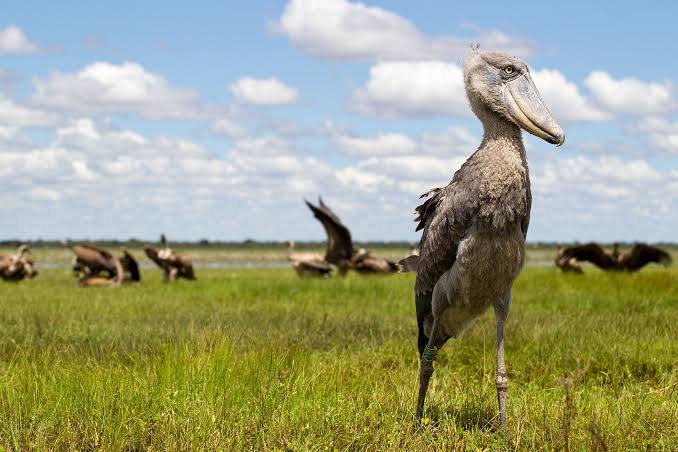
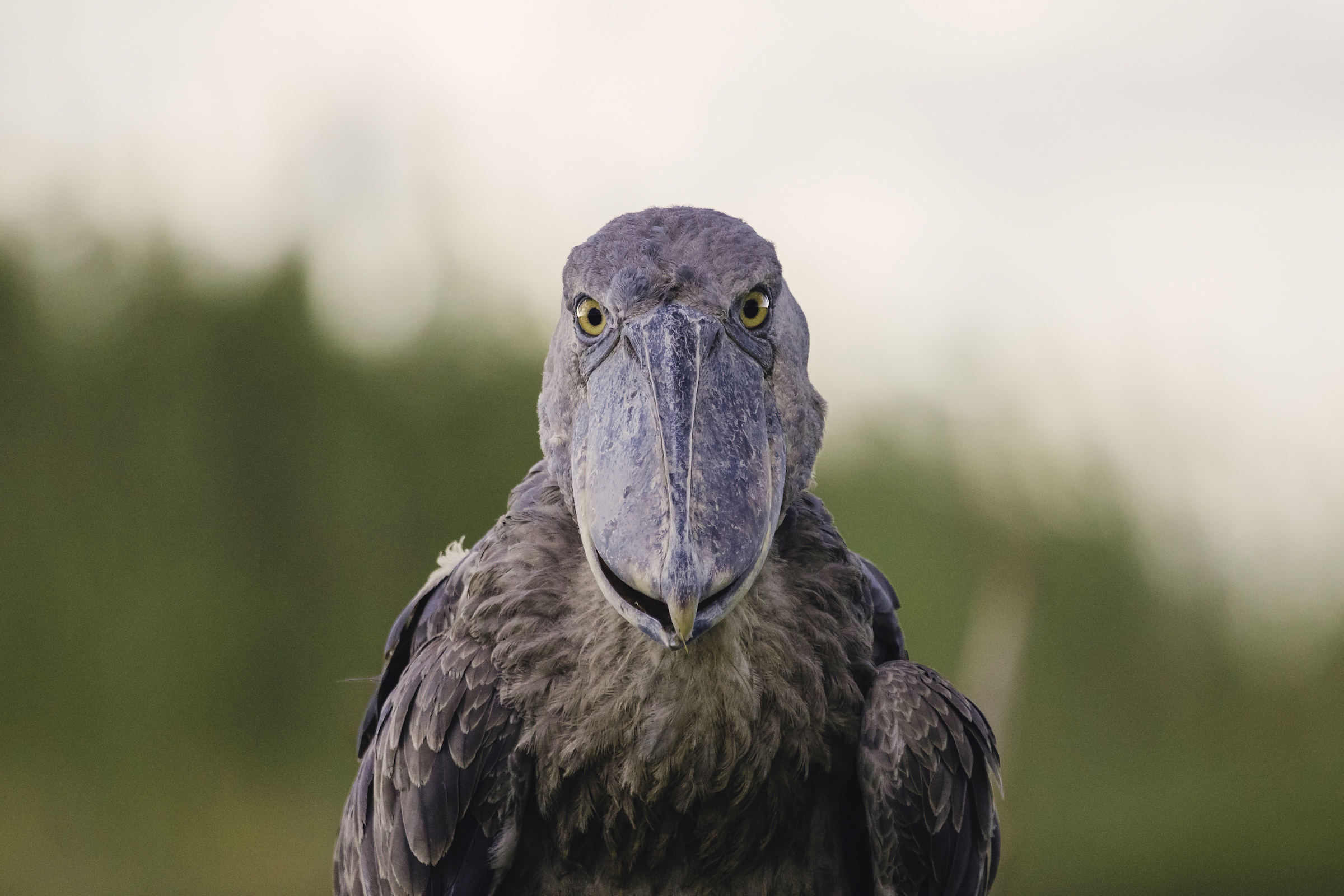
Africa’s wetlands are important places. They are home to many different kinds of birds, fish, reptiles, and mammals. They help a lot of people too, giving them water, food, and a way to make a living. One of the birds that lives in these wetlands is the shoebill. It is a weird and wonderful bird. The shoebill is very tall. Has a huge bill that looks like a shoe. It also looks very calm and old-fashioned. People who like birds take pictures. Want to protect animals have loved the shoebill for a long time.
Now it is getting harder and harder to find the shoebill. In parts of Central and East Africa, there are fewer and fewer shoebills. This is because the wetlands are disappearing and people are moving into the places where the shoebills used to live. The story of why the shoebill’s vanishing is not just about one bird. It is about the problems that some of Africa’s most important natural places are facing.
We need to understand what is happening to the shoebills and the wetlands. This is the first step to helping them.
The Shoebill Is A Bird That Loves Wetlands
The shoebill is perfect for living in swamps. It is very tall, five feet, and has a big bill that can catch all sorts of things like fish, frogs, snakes and even little crocodiles. The shoebill is one of the hunters in Africas wetlands.
The shoebill likes to be alone. It will stand still for a long time hiding among the tall plants that grow in the water. Then it will strike fast to catch its prey. The shoebill needs shallow water that is not disturbed.
Because the shoebill is so good at living in this kind of place even small changes can hurt it.
Wetlands Are Disappearing
The reason the shoebill is in trouble is that the wetlands are going away.
In Africa people are draining the marshes and swamps to make farms build houses, roads and factories. Places that used to have water all year are now being used for crops or settlements.
When the wetlands disappear the shoebills lose everything. lose the places where they nest. lose the places where hunt. lose their food.
The shoebill cannot just move to a kind of place like a forest or a grassland. It needs the conditions of a swamp, which are getting harder and harder to find.
Some big wetlands, like the Mabamba Swamp in Uganda show us how important it is to protect these places so that the shoebills can thrive.
Climate Change Is Making Things Worse
Climate change is making it even harder for the shoebills to survive.
The rain in Africa is not coming at the times every year. Some wetlands are getting too dry while others are getting much water. This is disrupting the times when the birds breed.
The water level, in the wetlands affects the fish, the plants and how well the birds nest.
When it is very dry the places where the shoebills hunt become dry too.
When it is very wet the nests can get washed away before the babies are ready to leave.
All these changes are making it hard for the shoebills to find a place to live and breed.
Human disturbance is really increasing.
Many wetlands were hard to get to in the past.
Now with roads, motorized boats and more people living near them it is easier for people to get into these remote swamps.
The shoebills are affected by people in ways.
Boats often go close to the areas where the shoebills eat.
Fishing activities bother the shoebills when they are nesting.
Livestock eat the plants along the edges of the wetlands.
Noise is a problem for the shoebills because they like it to be quiet.
The shoebills are careful birds.
When they are disturbed a lot the adults will often leave their nests. Stay away from areas where they usually eat.
The shoebills are also in danger because of the wildlife trade.
This is a problem that we do not always see.
The shoebills are rare. Some people want them so sometimes babies are taken from their nests in the wild.
This is a deal because the shoebills do not have babies very often.
A pair of shoebills usually only has one baby every year.
If that baby is taken the whole year is wasted.
We need to make sure the laws are enforced and countries work together to stop this.
The shoebills do not have babies quickly.
This makes it hard to protect them.
The shoebills put a lot of work into raising their babies.
The parents build nests in the plants and take care of them.
They keep the eggs warm. Bring food to the babies for a long time.
Usually one baby survives because the babies compete with each other.
This means that when the shoebill population gets smaller it takes a time to get bigger again.
The shoebills need fish to survive.
They eat lungfish, catfish, tilapia, frogs, water snakes and other animals that live in the wetlands.
But when people fish much pollute the water and change the water there is not enough food for the shoebills.
Then the shoebills have to travel to find food.
This takes a lot of energy. They have to leave their nests alone for longer.
When the wetlands are healthy the fish are healthy. The shoebills are healthy.
Everything in these ecosystems is connected.
Pollution is also a problem.
It does not get much attention as when we destroy the habitats but it is just as bad.
Chemicals from farms get into the wetlands.
Plastic waste gets into the water.
Factories pollute the water.
This hurts the fish, frogs, insects and plants that the shoebills need to survive.
When the ecosystem is not healthy the shoebills do not have food and their homes are not good.
We need to keep the water clean to help all the animals that live there.
Local people are very important for protecting the shoebills.
When people who live near the wetlands benefit from protecting them they are more likely to help.
Eco-tourism is an example.
People come from around the world to see the shoebills.
Local guides, people who run boats and businesses make money from tourism.
When people see that protecting the wetlands is good for them they want to help.
Education programs also teach people about wildlife and why we need to keep the ecosystems healthy.
There are some stories about protecting the wetlands.
In Uganda, Zambia, South Sudan and other places where the shoebills live there are protected wetlands.
Conservation groups work with the government to
fix damaged wetlands
watch the shoebills have babies
teach people about conservation
stop the illegal wildlife trade
help with tourism
educate the community
These efforts show that we can keep the shoebill population stable if we protect their homes.
People who watch birds can also make a difference.
When we visit the wetlands we can help by being respectful.
should not make much noise and follow the guides. not ask to get too close to the birds.
When we go home we can tell people about the shoebills. Why we need to protect them.
Sometimes just seeing the birds once can make people want to help protect them
We also need to protect the wetlands.
The shoebills are not the ones that need our help.
The wetlands help with floods clean the water, store carbon and are home, to plants and animals.
When we lose the wetlands we lose a lot of things.
Protecting the wetlands helps all the animals that live there including the shoebills.
Every time we restore a wetland we help the environment and the people who live there.
Ethical birdwatchers are very careful around birds that are building nests.
keep a distance from nesting birds, do not make noises, listen to what the guides tell them to do, follow guide instructions.
never ask the people who take them to see the birds to get too close to the birds.
This helps keep the birds safe.
When birdwatchers go home they can tell people about what they saw.
Sharing awareness after returning home also helps inspire others to support conservation initiatives.
This can make other people want to help take care of the birds and the wetlands too.
Sometimes seeing a bird up close can make someone want to help protect the birds and the places where they live for their life.
A single memorable wildlife encounter can create support for habitat protection.
The Wetlands Need Protection Too
We need to understand why the Shoebill Is Vanishing From Africas Wetlands.
This helps us see that we need to protect more than the birds.
Wetlands are very important., help control floods, filter water store carbon, help people who fish.
are home to thousands of plants and animals.
When we lose the wetlands, the birds and people lose things that they need to survive.
Protecting wetlands helps the birds and the people.
Every time we restore a marsh or protect a swamp or take care of a wetland we help the plants and animals that live there.
This also helps the people who live near the wetlands.
Every restored marsh, protected swamp and sustainably managed wetland strengthens biodiversity while supporting livelihoods.
Looking Toward the Future
We do not know what will happen to the Shoebill in the future.
We can still help.
There are people working together to protect the wetlands where the Shoebill lives.
These people include researchers, conservationists, governments and local communities.
Every time we protect a place where the birds have babies every time we restore a marsh and every time we have a conservation project we help make sure that people in the future can still see the Shoebill.
The message behind Why the Shoebill Is Vanishing From Africas Wetlands is that we need to take care of the birds and the places where they live.
We need to be responsible and have hope.
People have done things that have hurt the Shoebill. People can also help the Shoebill.
We can protect the wetlands, support tourism make stronger conservation laws and encourage people to use the land in a way that does not hurt the birds.
This helps keep the birds safe.
Saving the Shoebill means we save the ecosystem.
The ecosystem is like a web that supports many other species and helps the people who live near the wetlands.
Every time we help the birds we help the ecosystem.
This means that the wetlands will still be home to the Shoebill, for a time.
Every conservation effort helps ensure that the silent swamps of Africa continue to echo with the presence of this bird for generations to come.
The Shoebill is a special bird and we need to help it.
We need to save the Shoebill and the wetlands where it lives.