A Rare Morning on the African Plains
Rain on the African savannah creates a completely different world. The familiar golden grasslands transform into a fresh landscape filled with the sounds of falling water, wet earth, and animals adjusting to changing conditions. For many visitors on safari, a rainy morning may seem like an inconvenient time to explore, but it often reveals some of the most beautiful and unexpected wildlife moments.
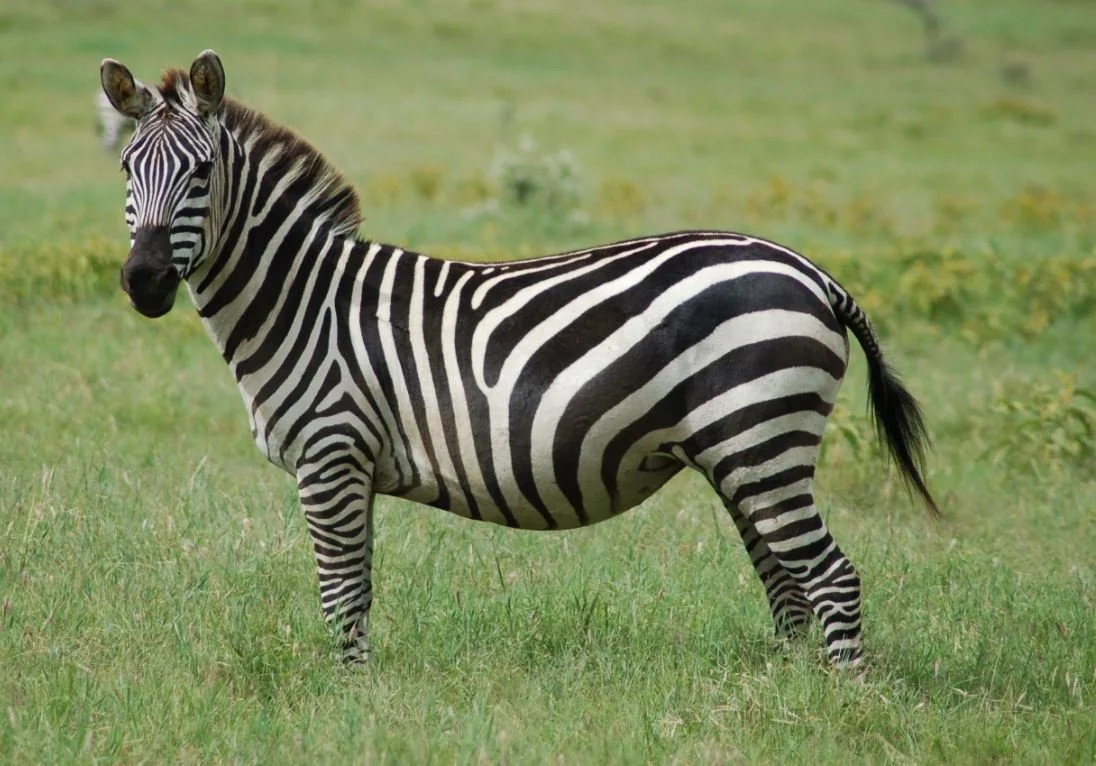
On this unusual morning, a herd of zebras moved slowly through the rain-covered plains. Their black and white stripes appeared even more striking against the darker grass and misty surroundings. The animals that usually stand beneath bright African sunshine were now experiencing a cooler, quieter environment where every movement seemed more deliberate.
The rain had changed the atmosphere completely. The usual sounds of insects, birds, and distant animal calls were softer beneath the steady drops of water. The savannah looked peaceful, but life continued as it always does. Animals still needed to feed, move, protect their young, and remain alert to possible danger.
The zebras were not simply enjoying the rain. They were adapting to another moment in their daily struggle for survival.
The Zebra Herd Moves Through the Wet Grasslands
Zebras are animals built for the open plains. Their bodies are designed for long-distance movement, and their strong legs allow them to escape predators when necessary. They spend much of their day grazing, moving between areas where fresh grass is available.
During the rainy season, the savannah changes dramatically. Dry grass begins to recover, water sources fill, and new vegetation appears across the landscape. This period brings new opportunities for herbivores such as zebras, wildebeest, and antelopes.
On this particular morning, the herd moved through the wet grass with a calm rhythm. Their coats were covered with tiny drops of rain, and their hooves pressed into the soft ground. Instead of the dust that usually rises during movement across dry plains, the zebras left clear tracks behind them.
The herd stayed close together as they travelled. Zebras are social animals that depend on their groups for protection. Living together allows them to watch for predators while others feed. Even during peaceful moments, they remain aware of their surroundings.
A zebra lowering its head to eat may appear relaxed, but within seconds it can lift its head, focus on a distant sound, and alert the entire group.
Why Rain Changes Life in the Savanna
Rain is one of the most important events in African ecosystems. Many animals depend on seasonal rainfall to survive. Water availability affects where animals move, where they feed, and how they interact with each other.
For zebras, rain brings fresh grazing opportunities. New grass provides valuable nutrients after periods when vegetation may have become dry and less nutritious. Large herds often follow rainfall patterns because they depend on areas where food is available.
The rain also affects predators. Lions, cheetahs, and other hunters experience changes in visibility and movement. Wet grass can make stalking more difficult in some areas, while the cooler temperatures may increase animal activity during the day.
A rainy morning creates a temporary shift in the normal behaviour of many species. Animals that usually avoid the heat become more active, while others take advantage of the cooler conditions to travel further.
The entire landscape becomes connected to the arrival of water.
The Beauty of Zebra Stripes Under Grey Skies
Zebra stripes are among the most recognisable patterns in the animal world. Against the bright colours of the dry savannah, their black and white coats create a dramatic appearance. Under rainy skies, their appearance becomes even more noticeable.
The wet coats of the zebras reflected the soft morning light. The contrast between their dark stripes and the surrounding green landscape created a memorable scene for anyone fortunate enough to witness it.
Scientists have studied zebra stripes for many years and have suggested several possible reasons for this unique pattern. Research indicates that the stripes may help reduce biting insects, while other theories suggest they may play a role in social recognition among zebras.
Whatever the exact purpose, the stripes remain one of nature’s most fascinating designs. Each zebra has a unique stripe pattern, similar to how humans have different fingerprints. These patterns help individuals recognise each other within a herd.
On this rainy morning, the stripes became a symbol of life continuing despite changing conditions.
A Quiet Encounter Between Wildlife and Weather
Safari experiences are often associated with dramatic predator scenes, large animal gatherings, or exciting chases. However, some of the most memorable moments come from simple encounters where animals are peacefully going about their daily lives.
Watching zebras move through the rain offers a different perspective of the African wilderness. There is no chase, no struggle, and no sudden action. Instead, there is a quiet understanding of how animals interact with their environment.
The herd moved carefully through the landscape, stopping occasionally to feed. Young zebras stayed close to adults, protected from possible threats. Older members of the group remained alert, scanning the surroundings.
The rain did not stop life on the plains. It simply changed the way the morning unfolded.
Young Zebras Experience Their First Rainy Seasons
For young zebras, seasonal changes are part of learning how to survive. A foal experiencing rain for the first time must adjust to different conditions, from wet grass and cooler temperatures to changes in movement and feeding patterns.
Young zebras depend heavily on their mothers during the early stages of life. They stay close, following their mother’s movements and learning from the herd. They observe where to feed, when to move, and how to react when danger appears.
A rainy morning provides valuable experience. The young animals learn that the environment is always changing and that survival depends on adapting quickly.
The bond between a mother zebra and her foal is easy to observe. The mother remains protective, often positioning herself between the young one and potential threats. Even in a calm moment, her attention never fully disappears.
Predators Remain Active Despite the Rain
Although the morning appeared peaceful, predators were still part of the landscape. Rain does not remove the dangers of the savannah. Lions and other hunters continue searching for opportunities, especially when animals are moving through open areas.
Zebras understand this risk. Their movement patterns, group behaviour, and constant awareness help them avoid becoming prey.
A predator watching from a distance may find a rainy morning more challenging because the herd is harder to approach without being noticed. The sound of rain can cover some movements, but wet conditions can also make tracks easier to identify.
The relationship between predator and prey continues regardless of weather. Every rainy morning, sunny afternoon, and dry evening is part of the ongoing cycle of life in the wilderness.
How Rain Creates Special Safari Moments
Many travellers plan safaris around dry seasons because wildlife is often easier to find near water sources. However, rainy seasons offer unique experiences that cannot always be found during drier months.
The landscape becomes greener, fewer vehicles may be present in some areas, and animals often behave differently. Bird activity increases, newborn animals may be seen, and the scenery takes on a completely different appearance.
A rainy morning with zebras crossing the plains is the kind of moment that stays with visitors long after the safari ends. It captures the quieter side of Africa, where nature does not need dramatic action to create a powerful memory.
The sound of rain falling on the grass, the sight of striped animals moving through the mist, and the feeling of being surrounded by a living ecosystem create an experience that photographs often cannot fully capture.
The Savannah After the Storm
As the rain began to slow, the zebras continued their journey across the plains. The clouds gradually opened, allowing small areas of sunlight to reach the wet grass. The landscape slowly returned to its familiar appearance, but the morning had already created a special memory.
The herd continued feeding, moving, and watching the surroundings as they had done for generations. The rain was only one moment in their daily lives, but for those who witnessed it, it was a rare glimpse into the changing rhythms of the African wilderness.
A rainy savanna morning reminds us that wildlife experiences are not always about dramatic encounters. Sometimes the most powerful moments come from observing animals in their natural environment, responding to the weather, the landscape, and the challenges of survival.
The zebras’ black and white stripes moving through the rain created a scene that showed the beauty of adaptation. Even when the skies change and conditions become unpredictable, life on the African plains continues.