A Birder’s Guide to Shoebill Etiquette
There is a moment that every birder remembers. You walk through the papyrus reeds, your boots getting wet in the mud, and then you see the shoebill. The shoebill is a bird, as big as a small child, standing still in the swamp looking at you with eyes that seem very old. The shoebill does not move. It does not do anything. It just. That makes you feel something inside. If you have seen a shoebill before, you know why people travel far just to see it blink. This guide to shoebill etiquette is here to help you have an experience with the shoebill for you and for the shoebill.
Shoebills live in the swamps of eastern Africa in places like Uganda, South Sudan, Zambia, and the Democratic Republic of Congo. One of the places to find a shoebill is Uganda’s Mabamba Bay. Many birders go there after seeing hard-to-find birds, and they still think the shoebill is the best part of their trip. That says a lot about the shoebill. You do not just add the shoebill to your list of birds you have seen. You plan a trip around seeing the shoebill.
Why the Shoebill Deserves Respect
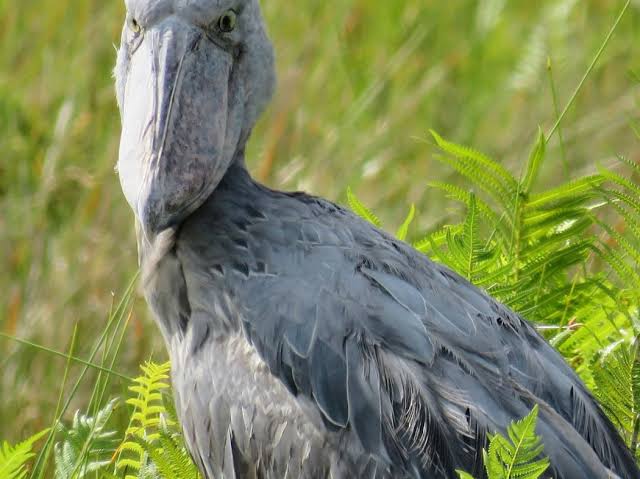
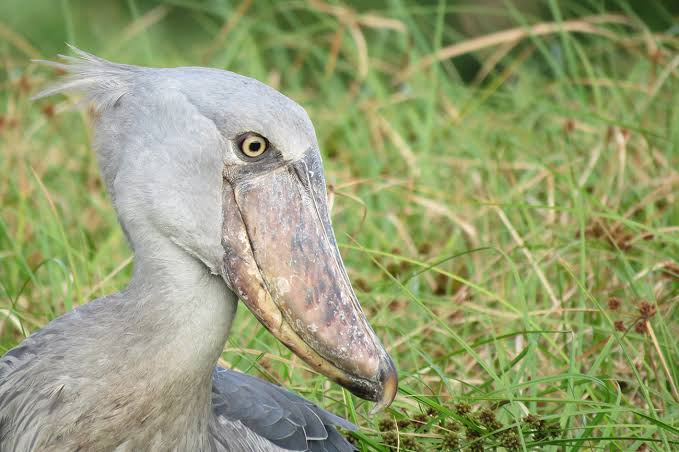
The shoebill is a bird that deserves respect. It is very tall, five feet, with a big bill that looks like a Dutch shoe. The shoebill’s bill is sharp enough to catch a fish in one bite. The way the shoebill looks at you is famous on the internet, with people saying it looks like a dinosaur, a robot, or something scary. The shoebill is actually a fragile bird. There are fewer than 8,000 shoebills left in the wild, and their homes are being destroyed by people draining the swamps and farming. This means that every time someone visits the shoebill, it can have an impact on the bird.
Because there are few shoebills and they live in specific swamps, every visitor can affect how the shoebill feels about people. If someone makes much noise or gets too close or tries to take a shortcut, the shoebill might get scared and leave its nest. That is why it is so important to be respectful around the shoebill. You are not just thinking about your experience. You are thinking about all the people who will come to see the shoebill in the next twenty years.
The Core Rules of Shoebill Etiquette
To behave well around the shoebill, you need to start before you even get into the canoe. You should hire a guide who works with the community that takes care of the swamp. In Mabamba, the guides are people who used to fish in the swamp, but now they make money by showing tourists the shoebill. This helps the community and the shoebill at the same time.
You should be quiet when you are near the swamp. Sound carries over water, and the shoebill can hear you from far away. The guides paddle quietly for a reason, using poles instead of motors. If your guide stops the motor and starts paddling, you should do the same. Do not ask why. You already know why.
You should also keep a distance from the shoebill. Most guides will not let you get closer than fifteen meters to a shoebill that is resting or nesting. This might seem far. A good camera can take a great picture from that distance, and the shoebill will not get scared. If you try to get closer for a picture, you might scare the shoebill and make it leave its nest. No picture is worth that.
It is also important to move calmly around the shoebill. If you make movements or stand up in the canoe or swing your camera bag around, you might scare the shoebill. The shoebill is very good at reading body language. It can tell if you are trying to sneak up on it. You should move slowly and calmly, like you are trying not to be seen.
Reading the Swamp Like a Local
Shoebill Etiquette Around Nesting Season
Nesting season changes everything, and any serious guide to behavior around this bird has to treat it as its own category. Shoebill is the bird that nests between May and September in Uganda, building platforms of aquatic vegetation in the deepest, most inaccessible parts of the swamp. During this window, adults are feeding chicks, guarding eggs, and managing heat stress by shading their young with wings. Shoebill has zero tolerance for disturbance.
If your guide tells you a nest site is off limits this season, accept that without negotiation. Reputable operators in Uganda and South Sudan now rotate viewing areas. Sometimes close specific nests entirely during peak breeding months. That policy exists because researchers tracking populations found a direct link between tourist pressure near nests and lower chick survival rates. A five-minute closer look is never worth a chick.
Photography during season needs its own restraint. Flash photography is never appropriate around any bird, but it is especially damaging here since a startled adult may leave the nest exposed to sun, rain, or predators like monitor lizards and marsh mongooses. Turn your flash off before you even load the camera into the boat. Check it twice. Some cameras default back to flash mode after a battery change. That is not an excuse a shoebill will accept.
What Good Etiquette Looks Like in Practice
Picture a Mabamba morning. You arrive at the landing site around six while the mist still sits low over the water. Your guide checks the wind direction since shoebills tend to face into the wind and a canoe approaching from the angle will spook the bird before you even see it clearly. You board quietly, sit, and let the guide do the paddling. Nobody talks louder than a murmur once you enter the reed channels.
When you spot the bird, resist the urge to gasp loudly or grab your neighbor’s arm. Point slowly if you must point at all. Let the guide position the canoe at a distance and trust that judgment even if it feels conservative. Take your photos without leaning out of the boat, without standing and without shouting instructions at whoever else’s filming. Give the bird space to go about its business, whether that means standing for forty minutes or slowly stalking a lungfish through the shallow water.
This is where good manners in the swamp actually pay off. Shoebills that are not stressed by visitors behave naturally, which means you get to see hunting behavior, real nest maintenance, or the strange head-swaying motion shoebills use as a kind of greeting display. Rushed, noisy encounters rarely produce that. Patience is not just polite here. It is the difference between a blur of feathers and a memory that stays with you for decades.
Bringing the Right Mindset
Birders usually talk about how important it’s to be patient when you are out in the field, and shoebills really test your patience. You might be sitting in a canoe for two hours and not see one shoebill, then you turn a corner. There it is, just standing there not even bothered that you are there. This is what makes shoebills so exciting for birders who travel to countries to see them.
When you go to see shoebills, you should be realistic about what you might see. If a guide tells you that they cannot promise you will see a shoebill, they are being honest, not negative. Shoebills have areas that they move around in, and they can hide in thick plants for hours. If you do not see a shoebill, you should not think of it as a failure. Rather, as part of the experience. If you do see one, you should feel lucky.
You should also help the people who are working to protect these wetlands. You can do this by buying things from people, paying your guides fairly, and telling others about your good experiences. This helps because when people hear about experiences, they are more likely to want to protect these areas. In places like Mabamba, the money from tourism helps the government want to protect the wetlands from draining them to make farms or build things. When you visit these places, in a way you are helping to make sure they are protected.
Carrying These Habits Beyond the Swamp
The things you learn when you are watching shoebills can also be helpful when you are birding in places. Moving quietly, being patient, respecting the areas where birds nest, and trusting your guides are all things to do when you are birding. These are not just rules for seeing shoebills; they are rules for birding anywhere. Once you have practiced being patient and respectful with a bird like the shoebill, you will start to feel like all birds are worth treating with care.
This is really what it means to be a birder when you are watching shoebills. It is not about following a lot of rules; it is about being thoughtful and considerate. It is about learning from what happens when people do things wrong and what happens when they do things right. When you do things right, you will get to take great pictures, you will have a great story to tell, and you will feel good knowing that the bird you saw will still be there when the next person comes to visit.
Shoebills will be around for a time if people keep being patient and respectful. If you show up quietly, follow your guide, and keep your distance, the shoebill will give you a memory that you will never forget. This is really all you need to know. Respect the swamp, respect the silence, and the shoebill will give you an experience that you will always treasure.