Why Children Who Grow Up Near Trees Are Healthier
The environment where children grow up has a major influence on their physical health, emotional development, and overall well-being. While access to healthcare, nutritious food, and education are widely recognized as important factors in childhood development, the role of nature is often overlooked.
Trees and green spaces provide children with cleaner air, cooler surroundings, opportunities for physical activity, and places where they can explore and learn. Across African cities, towns, and rural communities, children who grow up near trees often benefit from a healthier environment compared to those living in areas with little vegetation.
As urban areas expand and natural spaces decline, understanding the connection between trees and children’s health has become increasingly important.
Trees Improve Air Quality for Children
Children are more sensitive to air pollution than adults because their lungs are still developing. Poor air quality can increase the risk of respiratory problems, allergies, and other health issues.
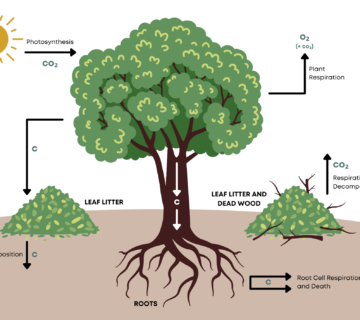
Trees help improve air quality by capturing dust, filtering certain pollutants, and releasing oxygen through photosynthesis. Areas with more trees often have cleaner air compared to heavily built-up environments with high levels of vehicle emissions and industrial pollution.
For children growing up near trees, cleaner air can support healthier lung development and reduce exposure to harmful airborne particles.
This is particularly important in rapidly growing African cities where traffic congestion and urban pollution are becoming greater challenges.
Green Spaces Encourage Physical Activity
Children naturally need space to move, play, and explore. Trees create environments where outdoor activities become easier and more enjoyable.
A child living near parks, forests, or tree-lined areas has more opportunities for walking, running, climbing, and playing outside. These activities help develop stronger muscles, healthier bones, and better coordination.
Regular physical activity during childhood also reduces the risk of obesity and related health problems later in life.
In many communities, trees provide simple outdoor spaces where children can play without the need for expensive facilities or organized activities.
Trees Reduce Heat Exposure
Rising temperatures are becoming a serious concern in many parts of Africa. Children are particularly vulnerable to heat because their bodies regulate temperature differently from adults.
Trees provide shade and reduce surrounding temperatures through natural cooling processes. Schools, homes, and playgrounds with tree cover are often more comfortable during hot seasons.
A shaded environment allows children to spend more time outdoors safely and reduces the risk of heat-related stress.
Planting trees around schools and residential areas can create healthier environments for children, especially in regions experiencing hotter weather patterns.
Nature Supports Mental Health
Children who spend time around trees and natural environments often experience benefits for their mental and emotional health.
Green spaces provide opportunities for relaxation, creativity, and exploration. Natural surroundings can help reduce stress and improve concentration.
Research from different parts of the world has linked access to green spaces with improved mood, better attention, and reduced symptoms of anxiety among children.
For children growing up in busy urban environments, trees can provide peaceful spaces away from noise, traffic, and overcrowding.
Trees Support Learning and Development
Natural environments can encourage curiosity and learning. Children who interact with nature often develop stronger observation skills and a deeper understanding of the world around them.
A tree can become a living classroom where children learn about insects, birds, seasons, weather, and ecosystems.
Schools that incorporate trees and gardens into their environments often create more engaging learning spaces. Outdoor lessons can make subjects such as biology and environmental science more practical and memorable.
Teaching children about nature at an early age also encourages environmental responsibility.
Trees Help Reduce Childhood Stress
Modern childhood can involve many sources of stress, including academic pressure, crowded living conditions, and limited opportunities for outdoor recreation.
Natural environments provide spaces where children can relax and recover from daily pressures. Even short periods spent around trees can have calming effects.
A child who has access to safe green spaces may have more opportunities for independent play and creative activities.
These experiences contribute to emotional development and help children build confidence.
Trees Create Safer Community Spaces
Well-planned green areas can strengthen communities by creating shared spaces where children and families interact.
Tree-filled neighborhoods often provide places for social activities, outdoor gatherings, and community events. These interactions help children develop communication skills and stronger relationships with people around them.
Community spaces with trees can also encourage parents and caregivers to spend more time outdoors with children.
A connected community environment supports healthier childhood experiences.
Trees Support Better Sleep
Exposure to natural environments may also contribute to healthier sleep patterns.
Children who spend more time outdoors often have higher levels of physical activity, which can support better sleep routines. Natural light exposure during the day also helps regulate the body’s internal clock.
Trees can create calmer surroundings by reducing noise pollution from roads and urban activity.
A quieter environment can make homes and schools more comfortable places for children to rest and recover.
Trees Protect Children From Noise Pollution
Noise pollution from traffic, construction, and crowded urban areas can affect children’s concentration and stress levels.
Trees help reduce noise by absorbing and blocking sound. Areas with vegetation often feel quieter and more peaceful than areas dominated by concrete and vehicles.
Schools located near tree-lined areas may provide more comfortable environments for learning and concentration.
Reducing unnecessary noise exposure supports children’s ability to focus and participate effectively in daily activities.
Trees Support Healthy Food Systems
Many trees provide fruits, nuts, and other foods that contribute to children’s nutrition.
Fruit trees in homes, schools, and communities can provide access to fresh, locally available food. Examples include mangoes, avocados, jackfruit, and other nutritious tree crops commonly grown in African regions.
Trees can also support agricultural systems by improving soil health and creating conditions that help farmers produce food.
Access to diverse food sources plays an important role in preventing nutritional deficiencies during childhood.
Trees Help Prevent Disease Risks
Healthy environments can reduce certain disease risks.
Trees support cleaner air, better water management, and healthier ecosystems. By reducing dust and improving local environmental conditions, they can contribute to better living conditions.
In some areas, trees also support biodiversity that maintains ecological balance.
However, tree planting must always be carefully planned because certain species and poorly managed vegetation can sometimes create other challenges, such as attracting pests or blocking ventilation.
The Importance of Trees Around Schools
Schools are among the most important places for tree planting.
Children spend many hours at school, and the surrounding environment influences their comfort, concentration, and health. Trees around classrooms and playgrounds provide shade, improve air quality, and create attractive learning spaces.
Schools with gardens and tree programs can also teach students practical lessons about conservation and food production.
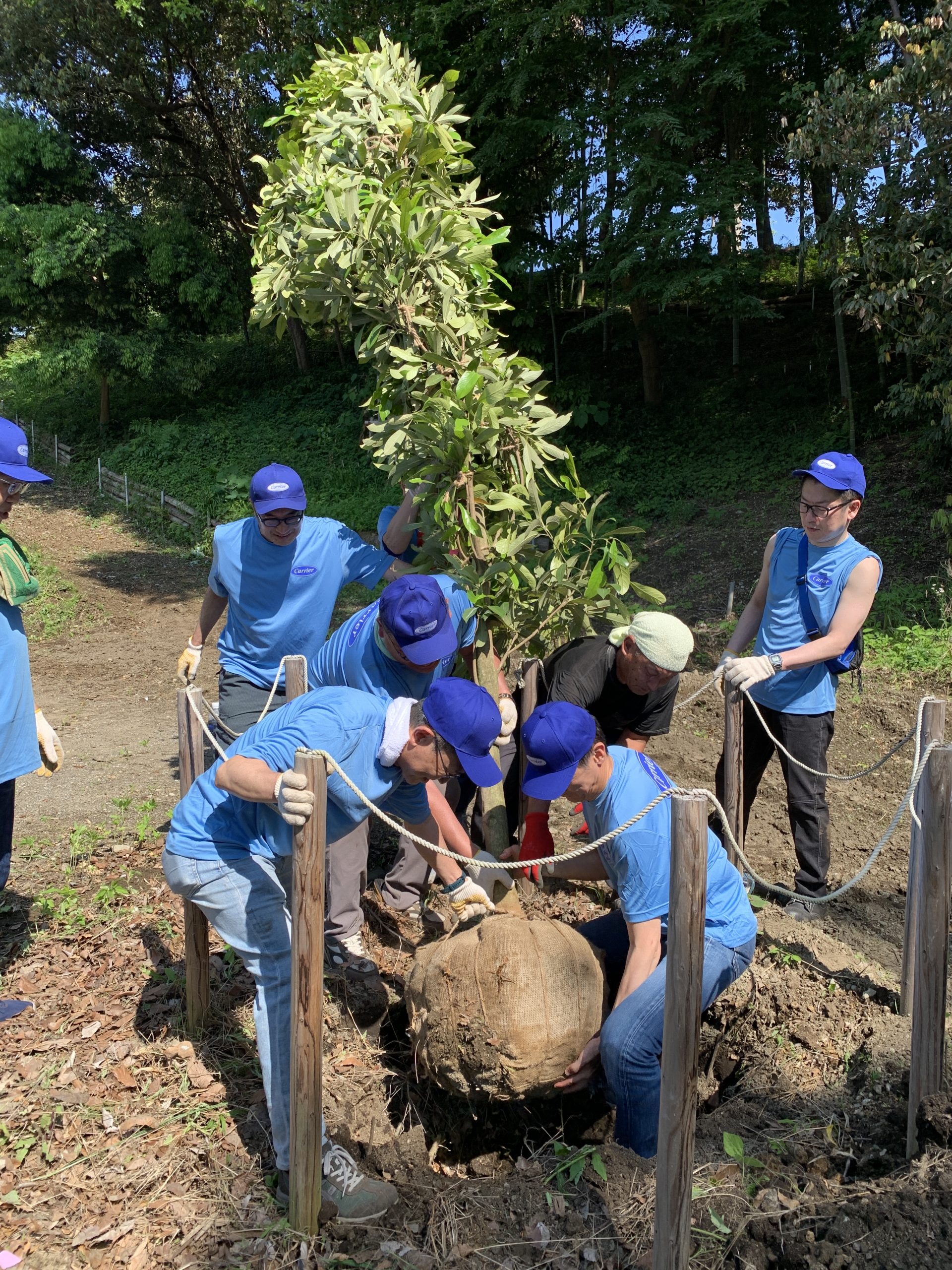
Many environmental education programs across Africa use school tree planting projects to connect children with nature.
Urban Growth and the Need for More Trees
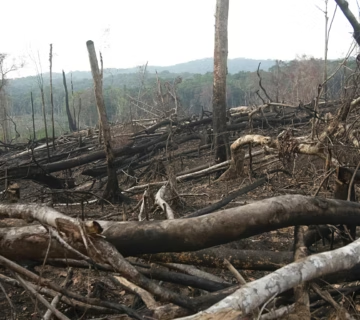
As African cities expand, many natural areas are being replaced by buildings and roads. This development can reduce children’s access to green spaces.
Urban planning that includes trees, parks, and protected green areas can help create healthier cities for future generations.
Planting trees in neighborhoods, along streets, and around public institutions provides long-term benefits that extend beyond individual households.
Cities designed with nature in mind are better prepared to support children’s health and well-being.
Building a Healthier Future for Children
Trees are a simple but powerful part of creating healthier environments for children. They improve air quality, reduce heat, support physical activity, encourage learning, and provide spaces for emotional development.
For communities across Africa, protecting existing trees and planting new ones can make a lasting difference in the lives of young people.
A child growing up surrounded by healthy trees gains more than a beautiful environment. They gain cleaner air, safer spaces to play, and a stronger connection with the natural world that supports their future.