
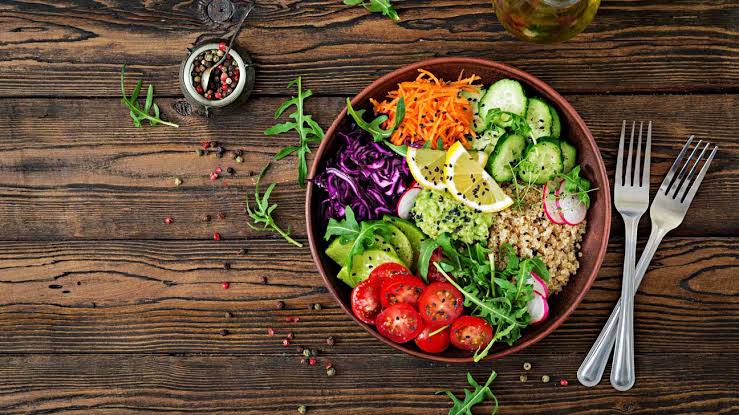
Vegetarian and Vegan Eating on Safari: What Lodges Can Really Provide
Vegetarian and vegan eating on safari is becoming easier as more lodges across East Africa welcome travellers with different dietary requirements. Whether you are visiting Uganda, Kenya, Tanzania or Rwanda, you can enjoy a memorable safari without eating meat, fish or other animal products.
However, the availability of vegetarian and vegan meals depends on your accommodation, location and how early you communicate your dietary needs.
Large safari lodges often have experienced kitchen teams that can prepare alternative meals. Smaller camps and remote properties may have fewer ingredients, particularly when food supplies must travel long distances.
If you are planning an African safari, understanding what lodges can realistically provide will help you avoid disappointment and enjoy your holiday with confidence.
Understanding Vegetarian and Vegan Eating on Safari
Vegetarian and vegan diets have different requirements, and safari kitchens need to understand exactly what you eat.
Vegetarians generally avoid meat, poultry and fish. Some eat eggs and dairy products, while others exclude one or both.
Vegans avoid animal-derived foods, including meat, fish, eggs, dairy products and honey.
These differences are important because some dishes that appear suitable may contain ingredients you prefer to avoid.
For example, vegetable soup may contain meat stock, while bread or pastries may include milk, butter or eggs.
Before travelling, explain your requirements clearly to your safari operator.
Simply requesting vegetarian food may not be enough if you follow a strict vegan diet.
Can Safari Lodges Provide Vegetarian and Vegan Meals?
Many established safari lodges can prepare vegetarian meals, especially when they receive advance notice.
Vegan meals are also possible at numerous properties, although ingredient availability and kitchen experience vary.
Larger lodges near popular national parks often serve international visitors and may have experience preparing special diets.
Smaller safari camps may operate with limited menus and ingredients.
A remote lodge might receive fresh supplies only on scheduled delivery days. This can affect its ability to provide specific products such as plant-based milk, tofu or vegan cheese.
What Different Safari Accommodations Can Offer
| Accommodation Type | Vegetarian Meals | Vegan Meals | What to Expect |
|---|---|---|---|
| Large safari lodges | Usually available | Often possible with notice | Wider menu choices and experienced kitchens |
| Luxury safari camps | Usually available | Often possible with notice | Personalised meals, subject to ingredient availability |
| Mid-range safari lodges | Commonly available | Usually possible with planning | Local vegetables, beans, rice and fruit |
| Budget safari camps | Basic options often available | More limited choices | Simple meals prepared from available ingredients |
| Mobile safari camps | Possible with advance planning | Requires detailed arrangements | Menus depend on supplies carried into the field |
These are general expectations. Always ask the individual property to confirm what it can prepare.
Vegetarian Food Options at Safari Lodges
Vegetarian travellers usually have several meal options at established safari accommodations.
Many East African kitchens regularly prepare dishes based on vegetables, beans, potatoes, rice and grains.
You may also find eggs, cheese, yoghurt and milk-based foods if these are included in your diet.
Vegetarian Breakfast Options
Breakfast at a safari lodge may include:
Fresh tropical fruits.
Porridge.
Toast and bread.
Eggs prepared in different ways.
Pancakes.
Yoghurt.
Tea and coffee.
Fried or boiled potatoes.
Buffet options vary between lodges.
If you avoid eggs or dairy, check the ingredients before selecting pastries or cooked dishes.
Vegetarian Lunch and Dinner
Lunch and dinner menus may include vegetable curries, rice dishes, soups, pasta and salads.
Some lodges prepare vegetarian versions of international meals, such as vegetable lasagne or pasta with tomato sauce.
Others serve traditional East African foods.
Vegetarian travellers can often enjoy a varied diet by combining local dishes with meals prepared by the lodge kitchen.
Vegan Food Options at Safari Lodges
Vegan eating on safari requires more careful communication because some common ingredients come from animals.
A meal may appear vegan but contain butter, cream, eggs or meat stock.
However, many traditional East African foods can be prepared entirely from plant-based ingredients.
Common Vegan-Friendly Foods
Depending on preparation, suitable options may include:
Rice with vegetables.
Beans cooked without meat stock.
Lentil stew.
Vegetable curry.
Fresh fruit.
Boiled sweet potatoes.
Roasted plantain.
Ugali.
Chapati prepared without animal-derived ingredients.
Vegetable soup made with plant-based stock.
Ask the kitchen how each dish is prepared.
For example, chapati recipes may include different fats, while vegetable stews sometimes contain meat-based stock.
A clear conversation with the chef can prevent misunderstandings.
Vegetarian and Vegan Food in Uganda
Uganda offers several traditional foods that can work well for vegetarian and vegan travellers.
Many Ugandan meals use plantains, beans, groundnuts, vegetables and other locally grown ingredients.
Matoke
Matoke is made from green cooking bananas, usually steamed until soft.
It is commonly served with beans, groundnut sauce or other accompaniments.
Plain matoke can suit vegan travellers, provided no animal-derived ingredients are added.
Beans and Posho
Beans served with posho are common in Uganda.
Posho is a firm maize meal dish prepared using maize flour and water.
The combination can provide a filling plant-based meal.
Ask whether the beans contain meat, meat stock or animal fat.
Groundnut Sauce
Groundnut sauce is popular in Uganda and can accompany matoke, rice or sweet potatoes.
Some versions contain fish or meat, so vegan and vegetarian travellers should confirm the ingredients.
Fresh Fruits and Vegetables
Uganda produces a variety of fruits, including bananas, pineapples, mangoes and papayas.
Availability depends on season and location.
Fresh fruit can be a useful breakfast or snack option during a safari.
Vegetarian and Vegan Eating in Kenya
Kenyan cuisine includes several dishes that can suit plant-based travellers.
Beans, vegetables, maize and potatoes are widely used in everyday cooking.
Githeri
Githeri is traditionally prepared using maize and beans.
Basic versions can be suitable for vegan travellers.
However, additional ingredients vary, so confirm how the dish is cooked.
Sukuma Wiki
Sukuma wiki is a popular leafy vegetable dish, often prepared using collard greens or similar vegetables.
It may be served with ugali or rice.
Ask the kitchen to prepare it without animal-derived ingredients if necessary.
Chapati and Vegetable Stews
Chapati is widely enjoyed in Kenya and often accompanies beans or vegetable dishes.
Because recipes vary, vegan travellers should check whether the chapati contains milk, butter or other animal products.
Vegetarian and Vegan Eating in Tanzania
Tanzania has many familiar East African staple foods that can be adapted for vegetarian or vegan diets.
Rice, beans, vegetables and maize-based dishes are common.
Ugali and Vegetables
Ugali is made from maize flour and water.
It is commonly eaten with vegetables, beans or other accompaniments.
A vegan meal can include ugali with vegetable stew prepared without animal stock.
Rice and Coconut-Based Dishes
In some parts of Tanzania, particularly along the coast, rice and vegetables may be prepared with coconut milk.
These dishes can provide satisfying vegan meals.
However, coconut-based recipes sometimes include fish or seafood, so ask about the ingredients.
Fresh Fruit
Mangoes, bananas, pineapples and other seasonal fruits can be useful additions to your meals.
Travellers following a strict vegan diet should still confirm that prepared fruit dishes do not contain yoghurt, honey or dairy-based sauces.
Vegetarian and Vegan Eating in Rwanda
Rwandan cuisine includes beans, potatoes, vegetables, plantains and other agricultural products.
These ingredients can support simple vegetarian and vegan meals.
Beans and Rice
Beans are widely eaten in Rwanda and can be served with rice or other staples.
A plant-based version should be prepared without meat stock or animal fat.
Isombe
Isombe is made from cassava leaves and is commonly prepared with additional ingredients such as groundnuts or palm oil.
Recipes vary, and some versions may contain fish or other animal-derived ingredients.
Ask how the dish is prepared before ordering.
Potatoes and Vegetables
Potatoes are widely cultivated in Rwanda.
Boiled or roasted potatoes can accompany vegetable dishes and beans.
These meals can be especially convenient for travellers staying in smaller lodges.
What Happens During Early Morning Game Drives?
Game drives often begin before sunrise, especially in parks where wildlife activity is easier to observe during cooler hours.
You may leave the lodge before the regular breakfast service.
Many safari accommodations can arrange packed breakfasts when requested.
However, standard breakfast boxes may include boiled eggs, cheese sandwiches, yoghurt or pastries containing dairy products.
Vegan travellers should request suitable alternatives.
Possible options include fresh fruit, suitable bread, nuts, plant-based sandwiches and other foods available at the property.
Confirm the arrangements the evening before your game drive.
Packed Lunches for Safari Activities
Packed lunches are common during long game drives, gorilla trekking, chimpanzee trekking and other outdoor activities.
A standard packed lunch may contain chicken sandwiches, eggs, meat pastries or dairy products.
Do not assume the kitchen will automatically provide a suitable meal.
Tell your guide and lodge staff about your requirements before the activity.
Suitable Packed Lunch Ideas
| Food Item | Vegetarian | Vegan | Important Consideration |
|---|---|---|---|
| Fresh fruit | Yes | Yes | Wash and prepare safely |
| Vegetable sandwich | Usually | If prepared without animal products | Check bread and spreads |
| Boiled eggs | For egg-eating vegetarians | No | Suitable only for some vegetarian diets |
| Roasted nuts | Yes | Yes | Check allergies and added ingredients |
| Plain rice and beans | Yes | Yes | Confirm cooking ingredients |
| Vegetable chapati wrap | Usually | Depends on preparation | Check chapati ingredients |
| Yoghurt | For dairy-eating vegetarians | No | Plant-based alternatives may be unavailable |
Packed meals should also be stored safely, especially during long activities in warm conditions.
What Vegan Travellers Should Confirm Before Booking
If you follow a strict vegan diet, communicate your requirements when booking your safari.
Ask your tour operator to contact each lodge before confirming accommodation.
Important questions include:
Can the kitchen prepare meals without meat, fish, dairy, eggs and honey?
Are plant-based protein sources available?
Can the lodge provide suitable packed breakfasts and lunches?
Is plant-based milk available for tea or coffee?
Can the kitchen prepare meals without animal-derived stock?
Are vegan meals included in the accommodation price?
What alternatives are available if an ingredient is unavailable?
Written confirmation is useful, especially when your itinerary includes several accommodations.
Common Challenges With Vegan Eating on Safari
Although many lodges can provide vegan meals, travellers should prepare for occasional limitations.
Limited Plant-Based Milk
Some remote lodges may not regularly stock oat, soy or almond milk.
If you require a particular product, ask whether it can be arranged.
Repeated Meal Options
Smaller camps may offer similar vegetable, rice and bean dishes throughout your stay.
You can request different preparation methods when ingredients permit.
Hidden Animal Ingredients
Soups, sauces, bread and desserts may contain animal-derived ingredients.
Explain your requirements clearly and ask questions when necessary.
Dietary Allergies
A food allergy requires additional precautions beyond a dietary preference.
If you have a serious allergy, explain it separately and ask about cross-contact risks.
Some remote kitchens may be unable to guarantee an allergen-free preparation environment.
Practical Tips for Vegetarian and Vegan Safari Travellers
Good planning can make your safari more comfortable.
Inform your operator early. Share your exact dietary requirements before accommodation is booked.
Confirm every lodge. Different properties may offer different levels of flexibility.
Check packed meals. Remind staff before early departures and long activities.
Carry suitable snacks. Packaged nuts, dried fruit or other travel-friendly foods can be useful, subject to airline and border restrictions.
Ask about ingredients. Confirm how unfamiliar dishes are prepared.
Choose balanced meals. Include beans, lentils, nuts or other available protein sources.
Stay hydrated. Carry safe drinking water during game drives and walking activities.
Remain flexible where possible. Remote locations may offer fewer speciality products than major towns.
Frequently Asked Questions About Vegetarian and Vegan Safaris
Can vegetarians enjoy an African safari?
Yes. Many safari lodges provide vegetarian meals, particularly when guests communicate their requirements before travelling.
Can vegan travellers eat well on safari?
Yes. Vegan meals are possible at many established lodges, although menu variety and ingredient availability depend on the property.
Are vegetarian meals more expensive?
Vegetarian meals are often included in standard meal packages. However, speciality ingredients or unusual dietary requests may involve additional costs at some properties.
Can safari lodges provide vegan packed lunches?
Many can arrange them with advance notice. Confirm the ingredients and collection time before leaving for your activity.
Is Ugandan food suitable for vegans?
Several Ugandan dishes can be prepared without animal products, including plain matoke, beans, posho and certain vegetable dishes.
Should I bring my own vegan food?
You may find it useful to carry suitable snacks, especially when travelling to remote camps. Check import restrictions before carrying food across borders.
Vegetarian and vegan eating on safari is possible throughout many parts of East Africa.
Uganda, Kenya, Tanzania and Rwanda offer traditional foods that can form the basis of satisfying plant-based meals.
Established safari lodges are often willing to accommodate dietary requirements, but the range of available meals depends on the property, location and advance arrangements.
The most important step is to communicate clearly before travelling.
When your safari operator and accommodation providers understand your requirements, you can spend less time worrying about meals and more time enjoying wildlife, landscapes and local experiences.



No comment