
Top Tips for Booking Photography Safaris in Arusha
Arusha, Tanzania’s northern safari capital, serves as the launching point for photography safaris into the Serengeti, Ngorongoro Crater, and Tarangire, and getting your booking right from Arusha meaningfully shapes the quality of images you bring home. These practical tips help photographers plan a trip genuinely built around the specific demands of wildlife photography.
Why Arusha Is the Right Base for Northern Circuit Photography
Arusha’s position as gateway to Tanzania’s northern circuit, the Serengeti, Ngorongoro, Tarangire, and Lake Manyara, makes it the logical booking and departure point for photography safaris covering this region, with most operators running trips directly from Arusha-based offices and airstrips.
Choosing an Operator With Genuine Photography Experience
Not every safari operator understands photographers’ specific needs, extended time at sightings, flexible route planning around light conditions, and vehicle positioning for clean shooting angles, so booking specifically with operators experienced in photography-focused safaris, rather than general tourism, meaningfully improves your results.
Booking Vehicles With Proper Photography Configuration
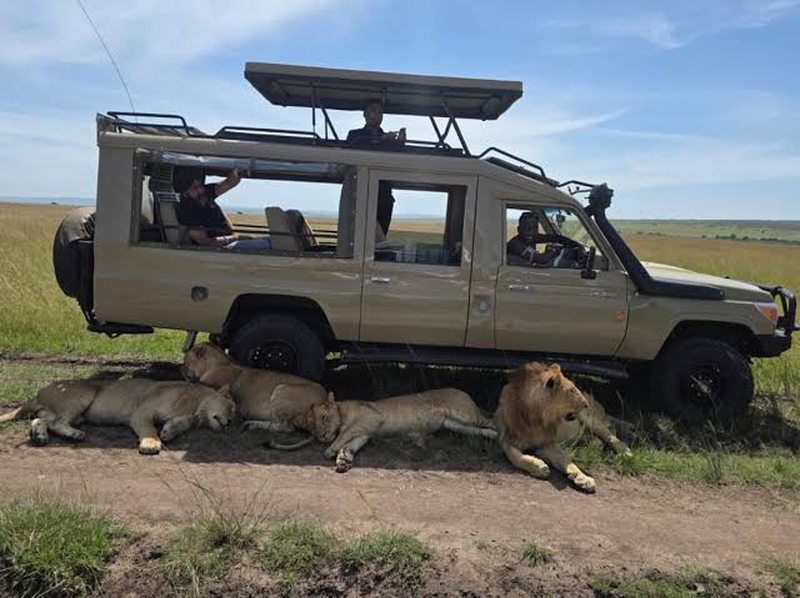
Photography safaris benefit enormously from vehicles configured with pop-up roofs, individual window seats, and enough space to avoid shooting over fellow travelers’ shoulders, and confirming this vehicle configuration specifically during booking, rather than assuming a standard safari vehicle will suffice, prevents frustration once you’re in the field.
Limiting Group Size for Serious Photographers
Smaller group sizes, ideally four photographers or fewer per vehicle, give everyone genuine positioning flexibility and shooting time at each sighting, making this a worthwhile detail to specifically request when booking rather than accepting a standard, larger group configuration.
Timing Your Trip Around Light and Migration Patterns
Photography safaris benefit from planning around both optimal light, generally the golden hours near sunrise and sunset, and the Great Migration’s seasonal movement through the northern circuit, making trip timing a genuinely strategic decision rather than simply picking convenient travel dates.
Requesting Extended Time at Sightings
Standard tourist game drives often move on from sightings faster than photographers want, so explicitly requesting an itinerary built around extended time at productive sightings, rather than covering maximum ground, should be discussed and confirmed during the booking process.
The Value of a Dedicated Photography Guide
Guides with specific photography training understand vehicle positioning relative to light direction, subject behavior prediction, and composition considerations in ways general wildlife guides may not prioritize, making this specialized expertise worth specifically seeking out when booking through Arusha-based operators.
Choosing Between Ngorongoro Crater and the Serengeti for Photography
Ngorongoro Crater offers concentrated wildlife within a compact, dramatic setting ideal for shorter photography sessions, while the Serengeti’s vast plains suit photographers seeking migration action and more expansive landscape compositions, and understanding this distinction helps you allocate trip days appropriately.
Packing the Right Photography Equipment
A telephoto lens in the 300-600mm range, a reliable beanbag or window mount for vehicle-based shooting, ample memory cards and batteries, and dust protection for Tanzania’s dry-season conditions all belong on a serious photography safari packing list departing from Arusha.
Considering a Private Vehicle for Maximum Flexibility
Serious photographers should weigh the added cost of a private vehicle against the flexibility it provides, stopping, waiting, and repositioning entirely based on photographic opportunity rather than negotiating priorities with other travelers sharing a shared-group vehicle.
Booking Enough Days for Genuinely Productive Photography
Wildlife photography rewards patience, and rushed one or two-day itineraries rarely deliver the same quality results as a longer trip allowing multiple attempts at key sightings, making adequate trip length a worthwhile investment when booking your Arusha-based photography safari.
Accommodation Considerations for Photographers
Choosing accommodation with reasonably early access to nearby wildlife areas, minimizing transit time to reach prime photography locations during optimal light, adds meaningful value beyond general comfort considerations when selecting lodges or camps for a photography-focused itinerary.
Working With Arusha-Based Operators on Custom Itineraries
Reputable Arusha operators can build genuinely custom itineraries around your specific photography priorities, migration timing, predator focus, or landscape photography, rather than offering only standardized packages, and discussing these priorities explicitly during booking produces a better-matched trip.
Understanding Park Fees and Photography Permits
Standard park entry fees cover typical photography equipment, though travelers planning drone photography or other specialized equipment should confirm current regulations and any required permits directly with their operator before departure, since rules around this equipment can be strict and specific.
Weather and Seasonal Considerations for Photography
Tanzania’s dry season generally offers clearer skies and easier wildlife visibility for photography, while the wetter green season rewards photographers with dramatic skies and lush landscapes, and choosing your season based on desired photographic style matters as much as general wildlife viewing considerations.
Building in a Ngorongoro Highlands Stop
Beyond the crater floor itself, the surrounding Ngorongoro Highlands offer worthwhile landscape and cultural photography opportunities, and photographers with flexible itineraries should consider building in time here beyond the standard crater floor game drive.
Post-Processing and Backup Considerations While Traveling
Serious photographers should plan reliable data backup solutions for their trip, whether a laptop with external drives or cloud backup where connectivity allows, protecting irreplaceable images against equipment loss or failure during an extended Tanzania photography circuit.
How to Communicate Your Priorities Clearly When Booking
Providing your Arusha-based operator with specific reference images, priority species, or photographic goals during the booking conversation helps them design an itinerary genuinely matched to your vision, rather than a generic wildlife-viewing trip that happens to include photography.
Considering a Balloon Safari for Aerial Photography
Hot air balloon safaris over the Serengeti offer a genuinely unique aerial photography perspective, and photographers with sufficient budget and flexible scheduling should consider adding this experience to their broader Arusha-departing itinerary.
Vetting Operator Reviews Specifically From Photographers
When researching Arusha-based operators, seeking reviews and feedback specifically from other photographers, rather than general tourist reviews, provides more relevant signal about an operator’s actual ability to deliver a genuinely photography-optimized experience.
Setting a Realistic Budget for a Photography-Focused Trip
Photography safaris with smaller groups, private vehicles, and specialized guides typically cost more than standard group safaris, and budgeting realistically for these photography-specific enhancements from the outset prevents disappointing compromises later in the planning process.
Final Thoughts on Booking Smart From Arusha
Approaching your Arusha booking with clear photography priorities, the right vehicle and guide configuration, and realistic timing expectations sets the foundation for a trip that genuinely delivers the images you’re hoping to bring home from Tanzania’s northern circuit.
Timing Your Arrival in Arusha Itself
Arriving in Arusha a day before your safari departs, rather than flying in and heading straight to the bush, gives you buffer against flight delays and a chance to meet your guide and confirm final details in person before the photography itinerary begins.
Considering Tarangire for Elephant and Baobab Photography
Tarangire National Park, often underrated compared to the Serengeti and Ngorongoro, rewards photographers with large elephant herds and dramatic baobab-studded landscapes, and including a Tarangire stop in your Arusha-departing itinerary diversifies your portfolio beyond standard migration imagery.
Why Repeat Visits to the Same Sighting Matter
Photography-focused operators sometimes plan itineraries that revisit particularly productive sightings across multiple days, recognizing that animal behavior and light conditions change, and this deliberate repetition often produces stronger images than a single pass through the same location.
Building a Realistic Shot List Before You Book
Discussing a realistic shot list with your Arusha operator, specific behaviors, species, or compositions you’re hoping to capture, helps them route your itinerary toward locations and timing genuinely suited to achieving these specific photographic goals rather than a generic wildlife-viewing route.
Why Local Arusha Knowledge Beats Generic International Booking
Operators based directly in Arusha typically maintain more current, ground-level knowledge of wildlife movement and road conditions than international booking platforms working several layers removed from daily park conditions, an advantage worth prioritizing when comparing your booking options.
Balancing Photography Priorities With Travel Companions
Photographers traveling with non-photographer companions should discuss pacing expectations honestly with their Arusha operator upfront, since extended time at sightings that thrills a photographer can feel repetitive to companions with different priorities, a tension worth planning around rather than discovering mid-trip.
Final Equipment Check Before You Depart Arusha
A final gear check in Arusha before heading into the field, testing camera bodies, cleaning sensors, and confirming spare batteries and cards are packed, catches equipment issues while you still have access to shops and services rather than discovering a problem deep in the Serengeti.
Why Booking Directly Through Arusha Pays Off Long-Term
Photographers who return to Tanzania for repeat trips often develop an ongoing relationship with a trusted Arusha-based operator, who over time learns their specific style and preferences, producing increasingly well-tailored itineraries with each subsequent booking.
Closing Thoughts on the Arusha Departure Point
Arusha’s role as your photography safari’s launching point matters more than many travelers initially realize, and the booking decisions made here, operator, vehicle, guide, and timing, ripple through the entire quality of images you ultimately bring home from Tanzania’s northern circuit.
Planning Your Arusha Photography Safari
A well-planned Arusha departure sets the stage for genuinely productive wildlife photography across Tanzania’s northern circuit. All in Africa Safaris can arrange a photography-focused safari itinerary matched to your priorities, or you can get in touch to plan the details of your trip.

No comment