
Things to do in Watamu: Turtles, reefs and Gedi Ruins
Watamu is one of Kenya’s most attractive coastal destinations, offering a combination of white sandy beaches, coral reefs, marine wildlife, mangrove forests and historic Swahili heritage. Located along the Indian Ocean between Malindi and Mombasa, this relaxed coastal town appeals to travellers looking for more than a traditional beach holiday. Visitors can spend the morning snorkelling above coral gardens, learn about sea turtle conservation in the afternoon and explore the remains of an ancient Swahili settlement before sunset.
The destination is particularly known for Watamu Marine National Park and Reserve, where protected reefs and seagrass beds support a variety of marine life. Sea turtles are among its best-known residents, while dolphins, reef fish and seasonal whale visitors add to the area’s appeal. Inland, the Gedi Ruins provide a fascinating connection to the history of coastal trade and Swahili civilisation. Mida Creek, Arabuko-Sokoke Forest and the nearby beaches offer further opportunities for nature activities and cultural experiences.
Watamu suits couples, families, wildlife enthusiasts, divers, birdwatchers and travellers combining a Kenyan safari with time on the coast. Its attractions are relatively close to one another, making it possible to experience several of them during a short stay.
Explore Watamu Marine National Park
A visit to Watamu Marine National Park should be among the first activities on any coastal itinerary. Established in 1968, the protected area is recognised for its coral gardens, clear lagoons, seagrass beds and diverse marine life. It forms part of one of Kenya’s oldest marine protected areas and plays an important role in conserving the Indian Ocean’s coastal ecosystems.
The park is especially popular for snorkelling, diving and glass-bottom boat excursions. Its coral reefs provide habitat for colourful tropical fish, sea turtles and numerous other marine organisms. Depending on sea conditions and the location visited, visitors may encounter parrotfish, butterflyfish, angelfish, rays and other reef species.
Glass-bottom boat trips are a suitable option for visitors who want to observe marine life without swimming. Boats travel over sections of the reef, allowing passengers to look through transparent viewing panels. Some excursions include opportunities to enter the water for snorkelling, while others focus on viewing the underwater environment from the boat.
The park is managed by the Kenya Wildlife Service, and visitors should confirm the applicable entry requirements before arranging an excursion. Boat operators can also advise on suitable departure times, sea conditions and the best locations for the activities planned.
Go snorkelling above the coral reefs
Snorkelling is one of the most rewarding things to do in Watamu because much of the marine life can be observed in relatively shallow water. The coral gardens provide an underwater landscape filled with fish, coral formations and other marine organisms.
Many visitors arrange guided snorkelling trips using glass-bottom boats or local excursion operators. These trips usually take passengers to suitable reef areas where they can enter the water with masks, snorkels and fins. The experience depends on visibility, tide levels, currents and weather conditions.
Beginners can benefit from travelling with an experienced guide who understands the reef and knows where conditions are suitable. Strong swimmers may enjoy exploring more extensive areas, but even confident swimmers should follow local safety advice. Currents can be stronger around reef openings and channels, and conditions can change during the day.
Coral reefs are delicate ecosystems. Visitors should avoid standing on coral, touching marine animals or collecting shells and other natural materials. Reef-safe sunscreen, a rash vest and appropriate footwear can help make the excursion more comfortable while reducing unnecessary damage to the environment.
Discover sea turtles and conservation at Watamu
Sea turtles are an important part of Watamu’s natural heritage. The surrounding marine environment supports several turtle species, including green turtles and hawksbill turtles. The coastline also provides nesting and feeding habitats that are important for their survival.
One of the best ways to learn about these animals is through the work of Local Ocean Conservation, widely associated with the Watamu Turtle Watch programme. The organisation works with local communities, fishers and other partners to protect sea turtles, respond to injured animals and reduce threats associated with fishing activities and coastal development.
A conservation visit can help travellers understand the challenges facing marine wildlife. Turtles may become trapped in fishing nets, suffer injuries or be affected by pollution and disturbance around nesting beaches. Conservation teams work to rescue and rehabilitate affected animals where necessary and support efforts to protect nesting sites.
Visitors should check whether educational visits are available during their stay and whether any contribution or booking arrangement is required. Activities and opportunities to observe turtles vary according to conservation needs. A turtle release, for example, should never be treated as a guaranteed tourist activity because it depends on the condition of rescued animals and the decisions of conservation professionals.
If you encounter a turtle while swimming or walking along the beach, observe it from a respectful distance. Avoid touching, feeding or chasing it. During nesting periods, keep away from nesting females and hatchlings, and follow any instructions provided by conservation teams.
Explore the historic Gedi Ruins
The Gedi Ruins are among the most important historical attractions near Watamu. Located inland within a coastal forest environment, the site contains the remains of a once-thriving Swahili settlement. Its stone buildings, mosques, houses, tombs and palace structures offer insight into the history of trade and urban life along the East African coast.
Gedi developed during the medieval period and was connected to the wider Indian Ocean trading network. Swahili coastal towns exchanged goods with merchants from Arabia, Persia, India and other parts of the region. These commercial relationships influenced architecture, religion, language and everyday life.
Walking through the ruins reveals the layout of a settlement that once had organised residential areas, religious buildings and public spaces. Visitors can see the remains of mosques, houses, wells, tombs and defensive walls. The structures were built using coral stone and other locally available materials, demonstrating the architectural traditions of the Swahili coast.
The Great Mosque and palace area are among the most interesting sections of the site. The remains of houses and courtyards also help visitors understand how residents organised domestic and commercial life. The settlement’s wells are particularly interesting because access to water was essential for a community living in a coastal environment.
Gedi’s abandonment remains a subject of historical discussion. Researchers have considered several possible explanations, including changing trade patterns, insecurity, environmental pressures and difficulties with water supply. No single explanation should be treated as definitively established.
The surrounding vegetation gives the ruins a distinctive atmosphere. Trees and forest growth have spread through parts of the settlement, creating an unusual combination of architecture and nature. Birds and monkeys can sometimes be observed around the site, adding to the experience.
A local guide can provide useful historical context and explain features that might otherwise be overlooked. Allow enough time to walk through the main sections rather than rushing from one structure to another. The ruins are especially rewarding for visitors interested in archaeology, Swahili culture and the historical connections between East Africa and the wider Indian Ocean world.
Relax on Watamu’s white sandy beaches
Watamu’s beaches are among the main reasons travellers choose this destination. The coastline features pale sand, turquoise water, palm trees and sheltered bays, creating an attractive setting for swimming, sunbathing and coastal walks.
Watamu Beach is a popular starting point for visitors. Its wide sandy sections and access to marine excursions make it convenient for travellers staying near the village. The appearance of the shoreline changes with the tides, revealing sandbanks, shallow pools and sections of exposed reef.
Turtle Bay is another well-known coastal area, with accommodation and beach access that appeal to families and holidaymakers. Blue Lagoon is also popular for its scenic water and opportunities to relax beside the ocean.
Swimming conditions vary throughout the day. At low tide, some sections become shallow and rocky, while higher tides can provide more suitable water for swimming and boating. Visitors should pay attention to local advice, avoid unfamiliar currents and use appropriate footwear when walking over exposed reef.
A simple beach walk can be one of the most enjoyable activities in Watamu. Early mornings offer cooler temperatures and a quieter atmosphere, while late afternoons are suitable for enjoying the changing light over the Indian Ocean.
Take a boat trip to Mida Creek
Mida Creek offers a different coastal experience from the open beaches and coral reefs. It is a large tidal inlet surrounded by mangrove forests, mudflats and shallow channels. The area is important for marine habitats and birdlife, making it an excellent destination for nature lovers.
Visitors can explore the creek by traditional dhow, canoe or other locally arranged boat excursions. A dhow trip provides an opportunity to move through the mangrove channels while enjoying the scenery and observing birds along the shoreline.
The creek supports a variety of bird species, including resident and migratory waders. Depending on the season, visitors may see herons, egrets, sandpipers, plovers and kingfishers. The mangroves also provide nursery habitats for fish and other marine organisms.
Some excursions are organised around sunset, when the light creates attractive reflections across the water. This is a popular time for photography and relaxed boat trips. Visitors interested in birdwatching may prefer a quieter excursion with a guide who understands the local habitats and seasonal movements.
Mida Creek can also be explored along its mangrove boardwalk, where available. Walking above the muddy shoreline provides a different perspective of the ecosystem and allows visitors to observe the mangrove roots and surrounding vegetation.
Mangroves are important for protecting coastal areas from erosion, supporting marine food chains and storing carbon. A visit to the creek therefore offers more than a scenic excursion. It introduces travellers to an ecosystem that plays a significant role in the health of the Kenyan coast.
Visit Arabuko-Sokoke Forest
Arabuko-Sokoke Forest is one of the most important natural areas near Watamu. Located inland from the coast, it protects a large area of indigenous coastal forest and supports a remarkable variety of birds, mammals, reptiles and plant species.
The forest is particularly attractive to birdwatchers because it contains several rare and specialised coastal forest birds. Depending on the habitat and season, visitors may look for species such as the Sokoke pipit, Clarke’s weaver, Sokoke scops owl and other forest specialists.
Mammals also make the forest interesting. Elephants, monkeys, antelopes and other wildlife inhabit different sections of the ecosystem, although sightings are never guaranteed. The forest is also important for reptiles, butterflies and smaller creatures that are easily overlooked during a quick visit.
Guided walks provide a useful introduction to the different forest habitats. Some areas are better suited to birdwatching, while others offer opportunities to learn about forest conservation and local community initiatives. Visitors can also arrange nature drives where permitted.
Arabuko-Sokoke is a valuable addition to a Watamu holiday because it shows that Kenya’s coastal wildlife is not limited to beaches and marine animals. The region also contains important terrestrial ecosystems that support species found nowhere else or in very few other locations.
Try kayaking and paddleboarding
Watamu and its surrounding coastal waters provide opportunities for kayaking and paddleboarding. These activities allow visitors to explore sheltered sections of the coastline at a slower pace than motorised boat excursions.
Mida Creek is particularly suitable for exploring by kayak when tides and weather conditions are favourable. Paddling through the mangrove channels provides close views of the vegetation and birdlife. It can also be a peaceful way to experience the creek without the noise of a motorboat.
Paddleboarding is another option in calmer waters. Beginners should use suitable equipment and seek instruction where necessary. It is important to avoid paddling into areas with strong currents or heavy boat traffic.
The best conditions depend on wind, tide and water movement. Visitors should arrange these activities with reputable local operators who can recommend suitable routes and provide safety equipment.
Experience diving in the Indian Ocean
Watamu is a well-known destination for scuba diving along the Kenyan coast. Its marine park and surrounding reef systems provide opportunities to explore coral formations, fish habitats and other underwater features.
Several dive centres in the area offer guided dives and training courses for different experience levels. Beginners can enquire about introductory experiences, while certified divers may be able to arrange trips suited to their qualifications.
Marine encounters vary according to the season, visibility and dive location. Divers may see turtles, rays, reef fish and other marine species. The area also attracts larger marine animals, although sightings should never be guaranteed.
Before booking, check the operator’s safety standards, equipment condition, instructor qualifications and emergency procedures. Divers should also be honest about their experience and certification level. Anyone who has recently flown should follow the required interval before diving again.
Responsible diving is essential for protecting the reef. Avoid touching coral, disturbing marine animals or using equipment in a way that damages the underwater environment.
Enjoy birdwatching around Watamu
Watamu is a rewarding destination for birdwatchers because its habitats include beaches, mangroves, coastal forest, wetlands and cultivated areas. These different environments attract a wide range of resident and migratory birds.
Mida Creek is one of the best places to begin. Its mudflats and mangroves provide feeding and resting areas for waders and waterbirds. Depending on the season, visitors may observe sandpipers, plovers, herons, egrets and terns.
Arabuko-Sokoke Forest offers a different selection of species, including specialised forest birds. A guided excursion can help visitors identify calls and locate birds that are difficult to spot in dense vegetation.
Birdwatching can also be rewarding around hotel gardens and quieter beach areas. Early morning is generally a productive time because birds are active and temperatures are more comfortable.
Travellers with a serious interest in birding should carry binoculars and consider spending more than one day exploring the different habitats. A local guide can make the experience more productive by helping identify seasonal species and locating particular birds.
Visit Love Island and the surrounding tidal areas
The small islands and exposed sand formations around Watamu create some of the area’s most distinctive coastal scenery. Love Island is particularly popular because of its unusual shape and the way the surrounding reef changes with the tide.
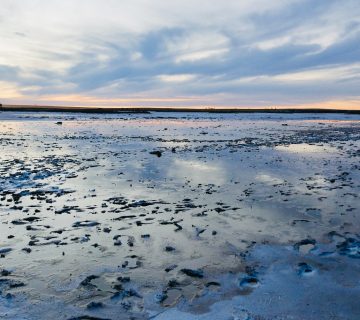
At certain low tides, sections of reef and sand become exposed, allowing visitors to approach some areas on foot where conditions permit. At higher tides, boat transfers may be necessary. The exact experience depends on the water level, weather and local access arrangements.
Visitors should never attempt to cross exposed reef without understanding the tide schedule and safe route. Water can return quickly, and reef surfaces may be sharp or slippery. A guided boat excursion is often the safer way to explore the area.
The exposed sand and shallow water can provide excellent photography opportunities. However, visitors should avoid removing shells, disturbing marine animals or leaving litter behind.
Try kitesurfing and other water sports
Watamu attracts visitors interested in wind-powered water sports, particularly during periods when coastal winds are favourable. Kitesurfing and windsurfing are available through specialist operators, with suitable locations depending on the season and prevailing conditions.
Beginners should take lessons from qualified instructors rather than attempting to use equipment independently. Wind strength, water depth and currents can change, so choosing the right location is important.
Other activities may include sailing, fishing excursions and recreational boat trips. Availability varies between operators and seasons, and visitors should confirm the equipment, safety arrangements and total cost before booking.
Discover Swahili food and coastal culture
A visit to Watamu is also an opportunity to experience the food and cultural traditions of Kenya’s Swahili coast. The region’s cuisine reflects centuries of interaction between African, Arab and Indian Ocean communities.
Seafood is widely available, with fish, prawns, crab and lobster appearing on many restaurant menus. Coconut milk, spices, rice and fresh herbs are common ingredients in coastal cooking.
Visitors should try dishes such as pilau, biryani, coconut fish curry and mahamri. These foods reflect the region’s distinctive culinary heritage and are often prepared using recipes passed between generations.
Fresh tropical fruits, including mangoes, coconuts and pineapples, are also common. Local restaurants and hotels may offer Swahili meals alongside international dishes, making it easy for travellers with different food preferences to enjoy the coastal cuisine.
Cultural experiences can extend beyond food. Visitors may learn about traditional dhow construction, fishing practices, local crafts and the history of Swahili settlements. These activities provide a broader understanding of the communities whose livelihoods remain connected to the ocean.
Take a deep-sea fishing excursion
Watamu is also known for sport fishing in the deeper waters beyond the reef. Fishing excursions can target species such as sailfish, marlin and tuna, depending on the season and conditions.
Trips are generally arranged through specialist charter operators who provide boats, equipment and experienced crews. Visitors should ask whether the excursion follows catch-and-release practices and how fish are handled.
Fishing conditions depend on weather and seasonal movements of marine species. An operator with local knowledge can advise on suitable departure times and realistic expectations.
Deep-sea fishing is best suited to travellers who enjoy spending several hours on the water. Those who are prone to seasickness may wish to prepare accordingly and discuss expected sea conditions before booking.
Visit Bio-Ken Snake Farm
Bio-Ken Snake Farm is another interesting attraction for visitors who want to learn about reptiles and conservation. The centre focuses on snakes and other reptiles found in East Africa, offering educational information about their biology, habitats and importance within natural ecosystems.
A guided visit can help visitors understand the differences between venomous and non-venomous snakes, how snakebites occur and why appropriate medical treatment is important. The centre also contributes to research and education related to snakebite management.
The experience is particularly useful for families and travellers interested in wildlife beyond the better-known marine attractions. Visitors should follow staff instructions and avoid attempting to handle animals unless an activity is specifically supervised and permitted.
Combine Watamu with a Kenyan wildlife safari
Watamu can be combined with a wildlife safari for travellers who want to experience both the Indian Ocean and Kenya’s inland landscapes. Tsavo East National Park is one of the most popular safari destinations to consider when planning a coastal holiday.
Tsavo East is known for its open plains, red soil, elephants, lions, giraffes, zebras and other wildlife. Its large size and varied habitats make it an interesting contrast to Watamu’s marine environment.
A safari can be arranged before or after a beach stay, depending on the wider itinerary. Some visitors travel from Nairobi to Tsavo East before continuing to the coast, while others begin with a coastal holiday and head inland afterwards.
Travellers with more time may also consider other Kenyan parks depending on their interests, budget and travel arrangements. A combined safari and beach holiday provides a balanced itinerary that includes wildlife viewing, cultural experiences and relaxation.
Best time to visit Watamu
Watamu can be visited throughout the year, but the weather and sea conditions influence which activities are most enjoyable. The generally drier periods are popular for beach holidays, snorkelling, diving and boat excursions.
December to March is often favoured for warm weather and coastal activities. July to October can also be attractive, although wind and sea conditions may differ from one month to another. The long rains, usually around April and May, can bring heavier showers and affect outdoor plans.
Marine activities depend on visibility, tides and ocean conditions rather than the calendar alone. A day with calm seas may offer better snorkelling than a day with rougher water, even during a normally favourable season.
Visitors interested in migratory birds should consider seasonal movements around Mida Creek and other wetlands. Those hoping to see particular marine animals should ask local conservation organisations or experienced operators about recent sightings and seasonal patterns.
How many days should you spend in Watamu?
A stay of three days is enough to experience some of Watamu’s main attractions. Visitors can dedicate one day to the marine park and beach, another to Gedi Ruins and Arabuko-Sokoke Forest, and a third to Mida Creek and local coastal experiences.
Four to five days provide a more relaxed itinerary. This allows time for snorkelling, turtle conservation activities, boat trips, historical exploration and quiet beach afternoons without rushing between attractions.
Travellers with a strong interest in diving, birdwatching or marine conservation may benefit from a longer stay. These activities often become more rewarding when there is enough time to explore different locations and respond to favourable weather and tide conditions.
Practical tips for visiting Watamu
Plan marine excursions around the tides and weather. Ask your accommodation or a reputable operator about suitable departure times before booking a boat trip. Conditions can affect visibility, swimming and access to exposed sandbanks.
Use sun protection when spending time outdoors. The coastal sun can be strong, particularly during boat excursions and long beach visits. Carry drinking water and wear comfortable footwear when visiting Gedi Ruins or walking through forest areas.
Respect wildlife and conservation rules. Never touch coral, chase turtles, feed wild animals or disturb nesting sites. Choose responsible operators who explain how their activities protect marine habitats.
Carry some Kenyan shillings for smaller purchases and local transport. Payment methods vary between businesses, and it is useful to confirm accepted options before arranging excursions.
When visiting Gedi Ruins, consider hiring a knowledgeable guide. The site has considerable historical importance, and explanations of the architecture and settlement layout can make the visit much more meaningful.
For beach accommodation, consider whether you prefer staying close to Watamu village, a quieter section of the coastline or an area with convenient access to the marine park. Your choice can influence how easily you reach restaurants, boat departures and other attractions.
Why Watamu deserves a place on your Kenya itinerary
Watamu offers a distinctive combination of marine wildlife, beautiful beaches, coastal forests and Swahili history. Its coral reefs provide opportunities for snorkelling and diving, while sea turtle conservation introduces visitors to the work being done to protect vulnerable marine species. Inland, the Gedi Ruins reveal the history of a once-important Swahili settlement, and Mida Creek provides a peaceful setting for birdwatching and traditional dhow excursions.
The destination is suitable for travellers seeking relaxation as well as those who prefer active holidays. Families can enjoy the beaches and educational wildlife visits, couples can take boat trips and explore the coastline, while nature enthusiasts can spend time discovering reefs, mangroves and indigenous forest.
A well-planned stay should include more than time beside the swimming pool or on the beach. Exploring the marine park, learning about turtle conservation, walking through Gedi Ruins and visiting Mida Creek gives visitors a fuller appreciation of Watamu and the natural and cultural heritage of Kenya’s north coast.


No comment