
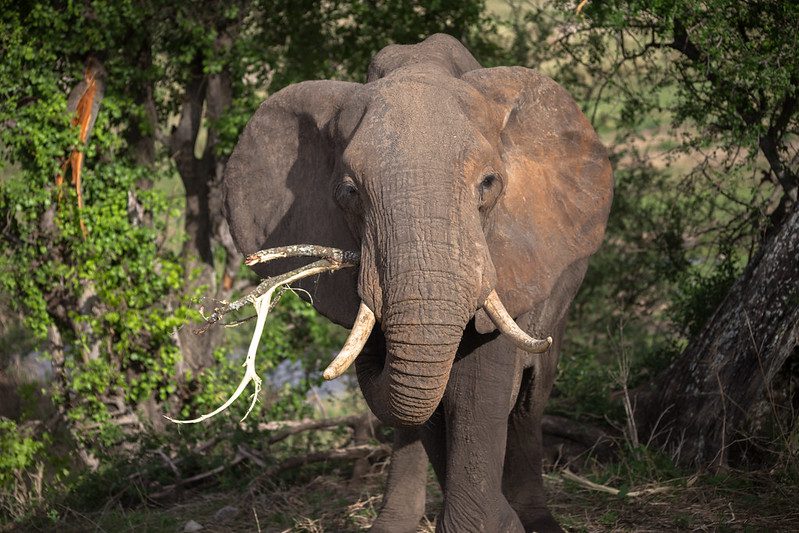
Embarking on a Tanzania adventure safari tour is a thrilling opportunity to witness Africa’s majestic wildlife in its natural habitats. As you immerse yourself in this awe-inspiring experience, capturing memorable photographs becomes a key part of preserving and sharing the magic of your safari journey. In this guide, we’ll share valuable tips and techniques to help you photograph wildlife effectively and create stunning visual memories that will last a lifetime.
Pack the Right Gear: Before setting off on your safari adventure, ensure you have the appropriate photography gear to capture wildlife moments with clarity and detail. A digital SLR camera with a telephoto lens (200mm to 400mm) is ideal for zooming in on distant subjects without disturbing them. Don’t forget to bring extra memory cards, batteries, lens cleaning tools, and a sturdy camera bag to protect your equipment during bumpy safari drives.
Understand Wildlife Behaviour: Knowledge of animal behaviour is crucial for anticipating and capturing captivating wildlife shots. Take time to observe the animals’ movements, habits, and interactions with their environment. Understanding their behaviour patterns can help you predict moments of action, such as a lioness on the prowl or a herd of elephants at a watering hole, allowing you to be ready to capture the perfect shot.
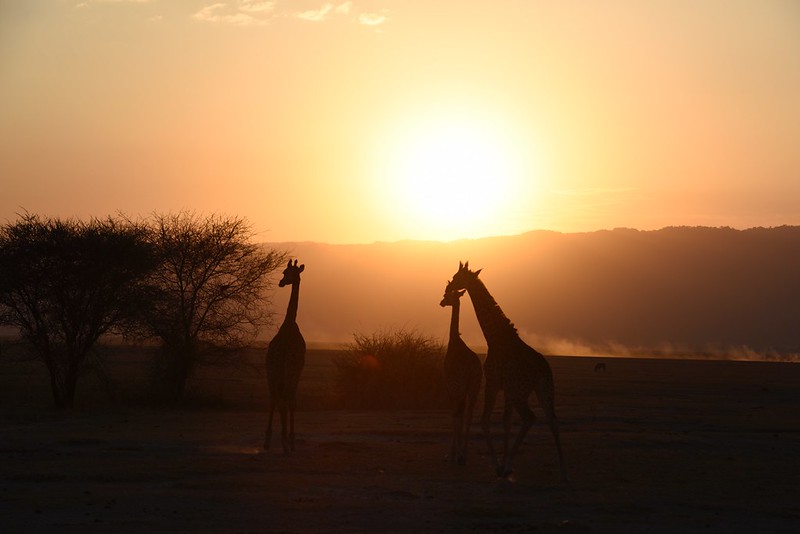
Patience is key. Wildlife photography requires patience and persistence. Animals may not always be active or visible, so be prepared to wait for the right moment. Patience can reward you with unique opportunities, such as a leopard lounging in a tree or a family of giraffes crossing the savannah against a dramatic sunset. Use quiet observation and avoid sudden movements that may startle or disturb the wildlife.
Focus on the Eyes: In wildlife photography, the eyes of the animal are often the most captivating feature. Aim to focus your shots on the animal’s eyes to create a connection and convey emotion in your photographs. Use a wide aperture (low f-stop number) to achieve a shallow depth of field, blurring the background and drawing attention to the subject’s eyes.
Composition and Framing: Pay attention to composition and framing to create visually compelling wildlife images. Experiment with different angles, perspectives, and framing techniques such as the rule of thirds, leading lines, and negative space. Incorporate elements of the animal’s natural habitat to add context and storytelling to your photos, showcasing the beauty of the African wilderness.
Utilise Natural Light: The golden hours of early morning and late afternoon offer soft, warm light that enhances the colours and textures of wildlife subjects. Plan your safari drives around these times to capture stunning sunrise and sunset moments. Avoid harsh midday sunlight, which can create harsh shadows and overexposed images. Use exposure compensation to adjust for varying lighting conditions and maintain balanced exposures.
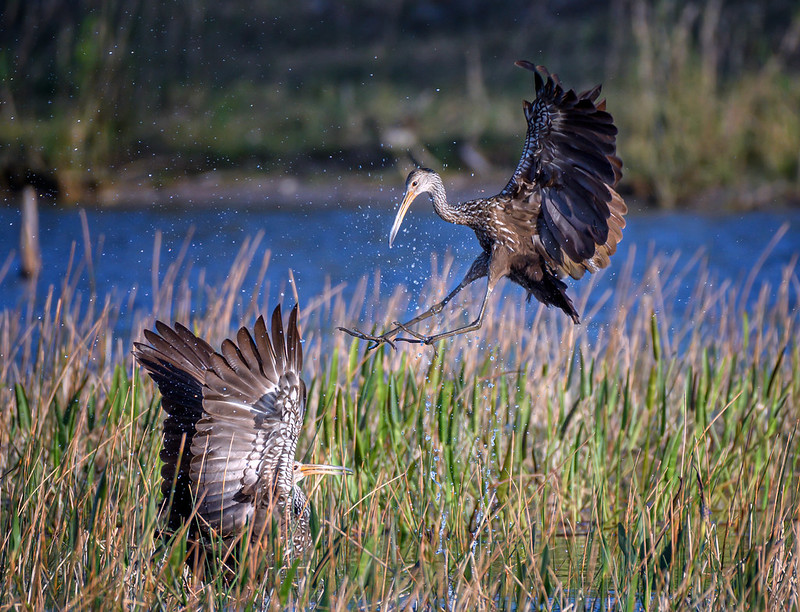
Capture Action and Behaviour: Wildlife photography comes alive when it captures moments of action, movement, and unique behaviours. Be ready to photograph animals in motion, such as a cheetah sprinting or a herd of wildebeests during migration. Continuous shooting mode (burst mode) can help capture rapid sequences of action, increasing your chances of getting the perfect shot.
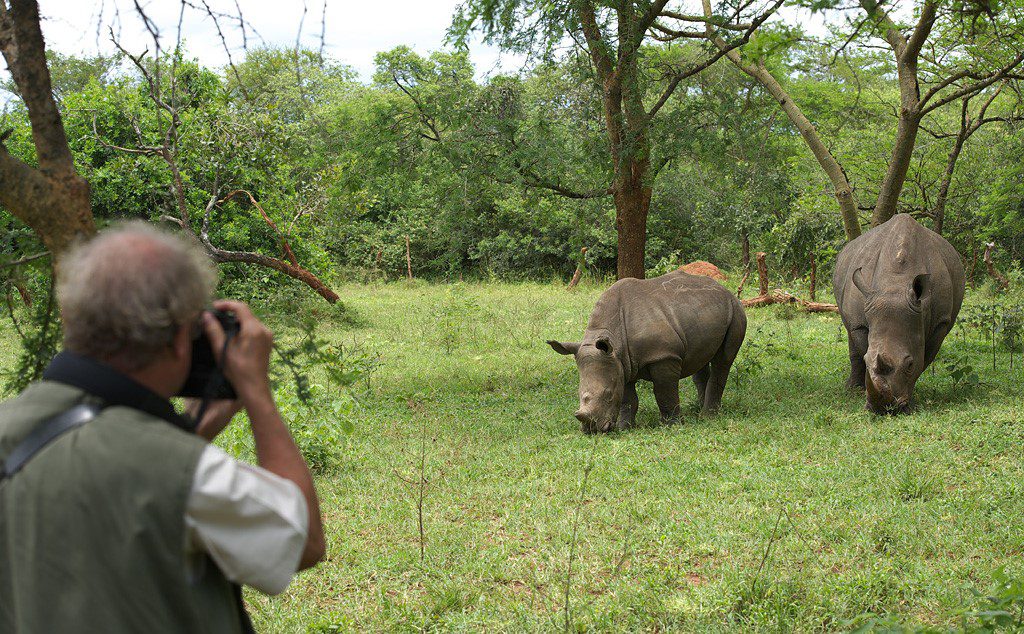
Respect Wildlife and Environment: While capturing captivating wildlife photographs is exciting, it’s essential to prioritise the well-being and respect of the animals and their natural habitat. Adhere to ethical wildlife photography guidelines, maintain a safe distance from wild animals, and avoid disrupting their natural behaviours for the sake of a photograph. Remember, the best wildlife shots often come from patient observation and responsible photography practices.
By applying these tips and techniques, you can elevate your wildlife photography skills and capture breathtaking moments during your Tanzania adventure safari tour. Remember to immerse yourself in the beauty of nature, savour the moments of wildlife encounters, and let your photographs tell the story of your unforgettable safari experience.
Why a Beanbag Genuinely Beats a Tripod on Safari
Tripods take up space and slow you down in a moving vehicle. A simple beanbag resting on the window frame stabilizes your camera just as well, and it’s far more practical for the quick, unpredictable nature of game drives.
What Shutter Speed Actually Matters for Moving Wildlife
A minimum of 1/1000th of a second freezes most fast action, like a running cheetah or a bird taking flight. Slower speeds work fine for stationary subjects, but action shots genuinely need this faster setting.
Why Shooting in RAW Format Pays Off Later
RAW files preserve far more detail than JPEG, giving you genuine flexibility to correct exposure and color afterward. Given how unpredictable safari lighting can be, this flexibility matters more here than in controlled settings.
How to Photograph the Same Animal Differently Across a Trip
Varying your distance, angle, and time of day across multiple sightings of the same species genuinely builds a more interesting portfolio than repeating the same standard shot each time.
Why Including the Landscape Sometimes Beats a Tight Close-Up
A wide shot showing an elephant against the full sweep of the savannah tells a genuinely different story than a tight portrait. Both have value, and mixing the two approaches strengthens your overall collection.
What to Do When Light Conditions Are Genuinely Poor
Overcast days actually soften harsh shadows and can produce genuinely flattering, even light for wildlife portraits. Don’t assume cloudy conditions mean a wasted photography opportunity.
Why Backing Up Photos Daily Matters on a Multi-Day Safari
Camera equipment can fail, and memory cards can corrupt. Backing up images to a laptop or portable drive each evening genuinely protects days of irreplaceable images from being lost.
How Guide Communication Improves Your Photography
Telling your guide specifically that photography is a priority changes how they position the vehicle during a sighting. All in Africa Safaris can arrange guides experienced in working with photography-focused travelers.
Why Photographing Behavior Beats Photographing Poses
An animal simply standing still rarely makes a compelling image. Waiting for genuine behavior, feeding, interacting, alert postures, produces photographs with considerably more emotional impact.
What Lens Range Genuinely Covers Most Safari Situations
A 100-400mm zoom handles the vast majority of safari subjects, from distant lions to closer birds. Very few travelers genuinely need anything longer unless specifically targeting distant or skittish species.
Why Reviewing Your Shots Each Evening Improves the Next Day
Spotting focus issues or exposure mistakes at the end of a day, rather than after the trip, lets you adjust technique before your next game drive rather than repeating the same error.
How Weather Changes Your Photography Approach
Dust, rain, and bright sun each demand different camera settings and protective gear. Packing a rain cover and a lens cloth prepares you for genuinely variable safari conditions.
Why Patience With Predators Specifically Pays Off
Big cats can remain still for long stretches before a single moment of action. Genuinely experienced wildlife photographers describe this waiting period as the real work behind any dramatic predator shot.
What Makes a Photograph Worth Printing or Framing
Beyond technical sharpness, images capturing genuine emotion, a mother’s protective glance, a cub’s curiosity, tend to be the ones travelers return to and print long after the trip ends.
Why a Second Camera Body Is Worth Considering
Switching lenses mid-sighting risks missing the moment entirely. Carrying a second body with a different focal length lets you react instantly without swapping gear in the field.
What Makes Silhouette Shots Genuinely Striking
Shooting directly into a sunrise or sunset with an animal in the foreground produces a genuinely dramatic silhouette. This technique works especially well with distinctive shapes like giraffes or acacia trees.
Why Editing Should Enhance, Not Replace, a Good Shot
Post-processing can correct exposure and color, but it can’t fix poor composition or missed focus. Getting the shot right in-camera genuinely matters more than relying on editing to save it later.
How Vehicle Positioning Affects Your Best Shots
A guide who understands light direction will position the vehicle with the sun behind you rather than in front. This single adjustment genuinely transforms image quality more than any camera setting.
Why Downtime Between Sightings Is Worth Using Productively
Quiet stretches between wildlife encounters are a good time to review settings, clean your lens, and check battery levels. Staying prepared during these lulls means you’re genuinely ready when the next sighting appears.
Why Insuring Your Camera Gear Is Worth the Extra Step
High-value lenses and camera bodies face genuine risk from dust, bumps, and travel logistics. Confirming your equipment is covered under travel insurance protects against a costly loss disrupting your trip.
Why Beginners Shouldn’t Feel Intimidated by This Guide
None of these techniques require professional-level equipment. A willingness to observe patiently and shoot in good light genuinely matters more than the price tag on your camera.
What a Smartphone Can and Can’t Capture Well
Modern phone cameras handle landscapes and close wildlife reasonably well, but they genuinely struggle with distant subjects and fast action compared to a dedicated camera with a telephoto lens.
Planning Your Tanzania Photography Safari
From the right gear to patient observation and ethical practice, thoughtful preparation transforms a wildlife safari into a genuinely rewarding photography journey. All in Africa Safaris can turn this overview into a fully confirmed itinerary tailored to your travel dates, bringing you face to face with Tanzania’s remarkable wildlife.

No comment