
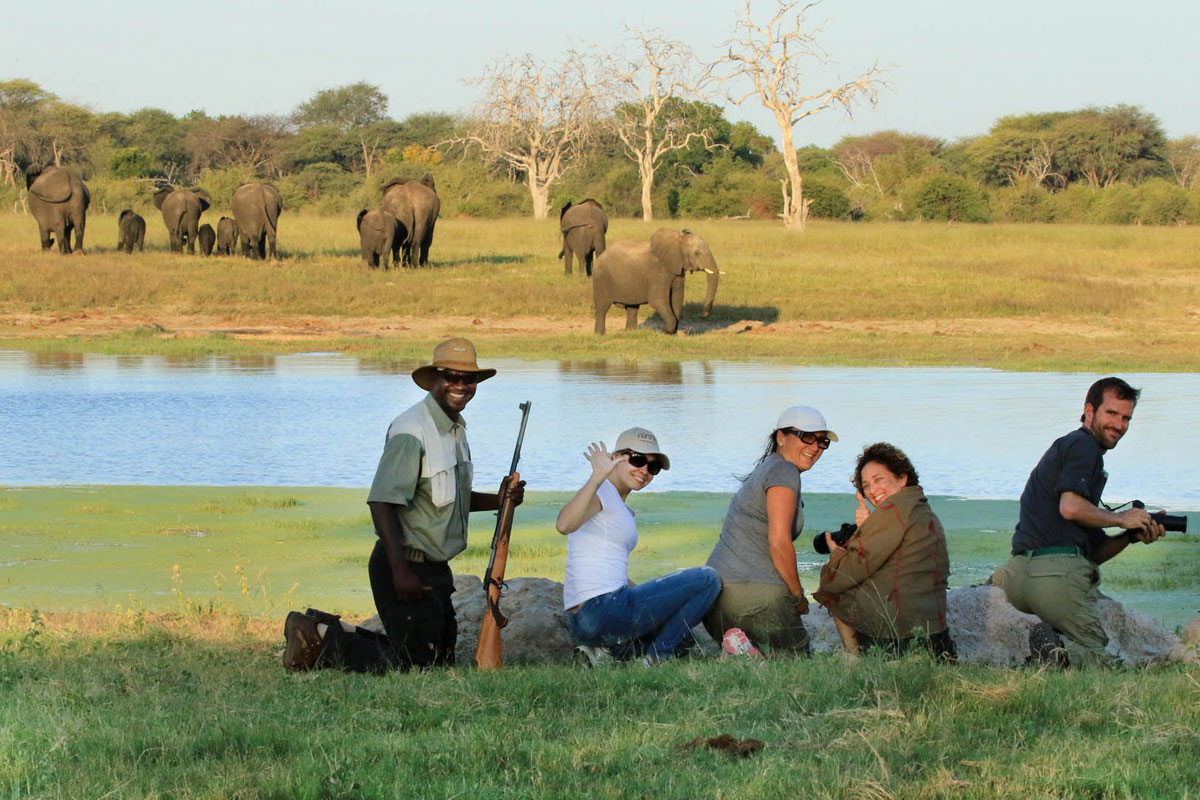
Hearing or Vision Loss on Safari: How Guides Adapt Wildlife Viewing
Experiencing African wildlife should be possible for travellers with different hearing and vision abilities. With careful planning, suitable communication methods and an experienced guide, hearing or vision loss on safari does not have to prevent you from enjoying wildlife, natural landscapes and memorable encounters.
Uganda, Kenya, Tanzania and Rwanda offer opportunities to observe elephants, giraffes, lions, buffaloes, birds and other wildlife. However, traditional game drives often depend on visual sightings and spoken explanations. Travellers with hearing or vision loss may therefore benefit from adjustments that make information easier to understand.
Guides can adapt wildlife experiences through detailed descriptions, written communication, visual signals, tactile learning materials and carefully planned activities. The most appropriate arrangements depend on your individual preferences and the facilities available.
This guide explains how safari operators can support travellers with hearing or vision loss, which activities may be suitable and what you should confirm before booking an accessible African safari.
Can Travellers With Hearing or Vision Loss Enjoy a Safari?
Yes. Many safari activities can be adapted for visitors with hearing or vision loss.
A safari involves more than identifying animals through sight. Wildlife encounters also include sounds, movement, environmental changes, interesting behaviour and educational explanations.
Travellers with hearing loss may benefit from written information, visual communication and guides who face them when speaking.
Visitors with vision loss can enjoy detailed descriptions, natural sounds and opportunities to learn about animal behaviour through appropriate non-visual activities.
Common Safari Accessibility Arrangements
| Accessibility requirement | Possible adaptation |
|---|---|
| Hearing loss | Written information and visual communication |
| Deaf travellers | Qualified sign language interpretation when arranged |
| Partial vision | High-contrast materials and verbal guidance |
| Blind travellers | Detailed audio descriptions |
| Communication difficulties | Agreed signals and written instructions |
| Combined hearing and vision loss | Individualised communication and specialist support |
Discuss your preferred communication methods before travelling. Two people with similar disabilities may require entirely different arrangements.
How Safari Guides Support Travellers With Hearing Loss
Guides play an important role in explaining wildlife behaviour, identifying animals and communicating safety instructions.
For travellers with hearing loss, these explanations may need adjustments.
Clear Face-to-Face Communication
Guides should face the traveller when speaking whenever practical.
This can help people who use lip-reading or rely on facial expressions.
Speaking clearly at a natural pace is generally more helpful than shouting.
Guides should also avoid covering their mouths while explaining important information.
Written Safari Information
Written information can support communication during game drives.
A guide may prepare short descriptions covering:
Animals commonly found in the park.
Expected wildlife behaviour.
The day’s planned activities.
Important safety instructions.
National park regulations.
Interesting conservation information.
These details can be provided through printed notes or a mobile device.
Sign Language Interpretation
Some Deaf travellers communicate primarily through sign language.
Safari operators may be able to arrange a qualified interpreter when requested in advance.
However, sign languages differ between countries, and interpreter availability varies.
Confirm which sign language you use and whether a suitable interpreter can accompany your journey.
Visual Signals During Game Drives
Game drives sometimes require quiet communication, particularly when observing sensitive wildlife.
Guides can establish simple visual signals before departure.
For example, pointing towards an animal may indicate its location, while an agreed hand signal can communicate when everyone should remain seated.
Suggested Safari Communication Signals
| Situation | Possible communication method |
|---|---|
| Wildlife spotted | Pointing or agreed visual signal |
| Vehicle stopping | Clear hand gesture |
| Safety warning | Prearranged urgent signal |
| Activity beginning | Written message |
| Change of itinerary | Text communication |
| Guide requesting attention | Agreed visual cue |
Signals should be explained before the activity begins.
Travellers should also have a reliable way to ask questions or request assistance.
How Safari Guides Support Travellers With Vision Loss
For travellers who are blind or have limited vision, verbal descriptions can make wildlife experiences more informative.
An experienced guide can describe animals, their surroundings and the behaviour taking place.
Detailed Wildlife Descriptions
Instead of simply announcing that an elephant has appeared, a guide can explain its approximate position, size and activity.
For example:
“A group of five elephants is standing approximately 40 metres to our left. Two adults are feeding beneath a tree, while a young elephant is following one of them.”
This information helps travellers understand the scene.
Guides can also describe vegetation, weather conditions and changes in the landscape.
Consistent Directional Language
Directions such as “over there” provide limited information for travellers with vision loss.
More useful descriptions include:
Directly ahead of the vehicle.
Approximately 30 metres to the right.
Behind the nearest large tree.
Moving towards the river.
Standing beside another elephant.
Distances are estimates, but consistent language can make descriptions easier to follow.
Using Natural Sounds During Wildlife Experiences
African national parks contain many natural sounds.
Bird calls, insects, moving vegetation and animal vocalisations can provide interesting information about the environment.
For travellers with vision loss, listening may form an important part of the safari.
Wildlife Sounds Worth Listening For
| Wildlife | Possible sound |
|---|---|
| Lion | Roaring and low vocalisations |
| Elephant | Trumpeting and rumbling |
| Hippopotamus | Grunting and loud calls |
| African fish eagle | Distinctive calling |
| Hyena | Whooping and other vocalisations |
| Various birds | Songs and contact calls |
Animals do not necessarily vocalise during every sighting.
Guides should allow natural experiences to develop without attempting to provoke sounds.
Playing recordings to attract wildlife should be avoided unless specifically authorised for an appropriate activity.
Choosing Suitable Safari Destinations
East African national parks provide different opportunities for accessible wildlife experiences.
The best destination depends on your interests, communication requirements and preferred activities.
Uganda: Savannah Wildlife and Birdlife
Queen Elizabeth National Park offers game drives and boat excursions along the Kazinga Channel.
Murchison Falls National Park provides opportunities to experience wildlife habitats and the sound of the Nile.
Lake Mburo National Park offers vehicle-based wildlife viewing and birdwatching.
Kenya: Wildlife and Open Landscapes
The Maasai Mara provides opportunities to observe large mammals and learn about predator behaviour.
Lake Nakuru National Park offers wildlife viewing and birdwatching.
Tanzania: Wildlife and Natural Landscapes
Serengeti National Park provides opportunities to learn about wildlife movement and savannah ecosystems.
Ngorongoro Crater offers game drives within a distinctive volcanic landscape.
Tarangire National Park is known for elephants and varied birdlife.
Rwanda: Wildlife and Conservation
Akagera National Park offers game drives through savannah and wetland habitats.
Guides can explain conservation activities and describe the park’s changing landscapes.
Comparing Safari Destinations
| Country | Destination | Potential accessible experience |
|---|---|---|
| Uganda | Queen Elizabeth | Game drives and adapted wildlife descriptions |
| Uganda | Murchison Falls | Wildlife sounds and river landscapes |
| Kenya | Maasai Mara | Animal behaviour and photography |
| Kenya | Lake Nakuru | Birdwatching and conservation |
| Tanzania | Serengeti | Wildlife movement and habitat learning |
| Tanzania | Tarangire | Elephant behaviour and birdlife |
| Rwanda | Akagera | Game drives and conservation education |
These are possible destinations rather than guarantees of specialised accessibility services. Confirm arrangements with your operator.
Selecting Safari Vehicles for Accessible Communication
Vehicle design affects how easily travellers communicate with guides.
Some safari vehicles have several seating rows, making conversation difficult when passengers sit far apart.
Travellers with hearing loss may prefer seating where they can see the guide clearly.
Visitors with vision loss may benefit from sitting near someone who can provide continuous descriptions.
Important Vehicle Considerations
Ask whether the vehicle offers:
Suitable seating arrangements.
Clear communication between passengers and guide.
Adequate space for assistive equipment.
Protection from excessive wind noise.
Comfortable seating for longer drives.
Safe access when entering and leaving.
Private vehicles often provide greater flexibility because communication arrangements can be adapted without affecting other passengers.
Choosing Accessible Safari Lodges
Accommodation should support your independence, comfort and communication needs.
Travellers with hearing loss may require visual emergency alerts or other agreed notification arrangements.
Visitors with vision loss may benefit from consistent room layouts, clear pathways and staff orientation.
Lodge Accessibility Checklist
| Facility | What to confirm |
|---|---|
| Reception | Accessible communication arrangements |
| Guest room | Suitable layout and safe movement |
| Emergency alerts | Appropriate visual or alternative notification |
| Dining area | Clear access and assistance if needed |
| Outdoor pathways | Adequate lighting and identifiable routes |
| Staff support | Awareness of communication preferences |
| Activity information | Written or accessible descriptions |
Ask the lodge to explain exactly which facilities are available.
Do not assume that a property advertising accessible accommodation can automatically meet hearing- or vision-related requirements.
Preparing for an Accessible Safari
Preparation should begin before departure.
Tell your safari operator about communication preferences, equipment requirements and any assistance you would like.
For example, explain whether you prefer written instructions, audio descriptions, sign language or another communication method.
Useful Equipment to Pack
| Equipment | Possible benefit |
|---|---|
| Hearing aids | Supports communication where useful |
| Spare batteries | Keeps compatible devices functioning |
| Smartphone | Written communication and accessibility applications |
| Magnifying device | Assists some travellers with limited vision |
| Audio recorder | Records permitted guide explanations |
| High-contrast notebook | Supports readable notes |
| Portable charger | Powers electronic equipment |
Protect electronic devices against dust, moisture and heat.
Safety During Wildlife Activities
Safety instructions must be accessible to every traveller.
Before starting a game drive, guides should explain how emergency information will be communicated.
Travellers with vision loss may require verbal warnings about uneven surfaces, vehicle steps or nearby obstacles.
Those with hearing loss should have an agreed method for receiving urgent instructions.
Never leave a safari vehicle or approach wildlife without permission from your guide.
Questions to Ask Before Booking
Before confirming your safari, ask:
Can the guide accommodate my communication preferences?
Is sign language interpretation available if required?
Can wildlife descriptions be provided throughout game drives?
Are written safety instructions available?
Can seating arrangements be adjusted?
Does the lodge provide suitable emergency notifications?
Can activities be adapted to my requirements?
Request written confirmation of important arrangements.
Planning for hearing or vision loss on safari involves understanding your communication preferences and arranging suitable assistance.
Experienced guides can adapt wildlife viewing through detailed descriptions, visual signals, written information and carefully planned activities.
Uganda, Kenya, Tanzania and Rwanda provide opportunities to experience wildlife in different landscapes.
Choose an operator willing to discuss your requirements, confirm accommodation arrangements and plan communication methods before departure.
With thoughtful preparation, travellers with hearing or vision loss can enjoy meaningful African wildlife experiences with greater independence, comfort and confidence.


No comment