
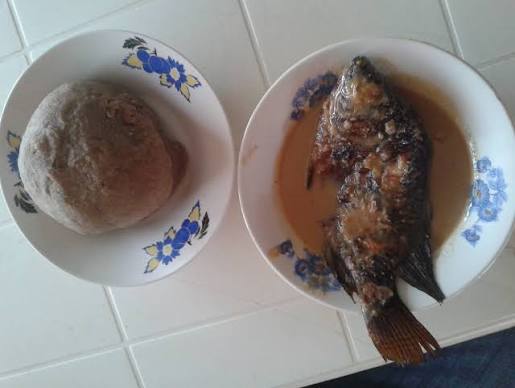
Kalo and Smoked Fish: Millet Bread and Northern Ugandan Stews
Kalo is a firm bread-like staple prepared from millet flour, sometimes mixed with cassava or sorghum flour. It is commonly served with vegetable sauces, groundnut stews, smoked fish and other local dishes.
For travellers visiting Gulu, Lira, Kitgum and surrounding communities, tasting kalo provides an opportunity to experience food traditions that have been passed between generations. Unlike the matooke commonly associated with central Uganda, millet bread has a particularly strong connection with several northern and eastern Ugandan communities.
The combination of kalo and smoked fish is filling, flavourful and closely connected to local farming, fishing and household cooking practices.
What Is Kalo?
Kalo is a traditional Ugandan staple made by cooking flour in boiling water until it forms a thick, firm mixture.
Although it is commonly called millet bread, its appearance differs from ordinary baked bread.
Kalo is usually smooth, dense and slightly elastic, depending on the flour mixture.
It is prepared without baking or frying.
Instead, the cook gradually mixes flour into hot water, stirring firmly until the mixture reaches the desired consistency.
Different Names for Millet Bread
Millet bread is eaten in several parts of Uganda, although local names and recipes vary.
| Region or community | Common name | Main ingredients |
|---|---|---|
| Acholi | Kal or kwon kal | Millet, sorghum or mixed flour |
| Lango | Kalo or related local names | Millet and other cereal flours |
| Teso | Atapa | Millet, sorghum or cassava mixtures |
| Western Uganda | Akaro or kalo | Millet and cassava flour |
| Eastern Uganda | Regional variations | Millet, sorghum and cassava |
The ingredients and terminology are not identical in every community.
Why Millet Bread Is Important in Northern Uganda
Millet has been cultivated in northern Uganda for generations.
The crop is valued because it can grow under conditions where some other cereals may struggle.
For many households, millet has traditionally provided food for everyday meals and cultural gatherings.
A Familiar Household Staple
Kalo is commonly eaten with sauces rather than served alone.
Its firm texture makes it suitable for collecting stew from a shared or individual plate.
Families may prepare it for lunch or dinner.
The flour can also be stored for later use when handled and kept properly.
Food Connected to Agricultural Traditions
Millet cultivation involves planting, weeding, harvesting, drying and processing grain.
Traditionally, families used locally available methods to prepare millet flour.
Today, mechanical milling is also common.
These agricultural activities remain part of the food heritage of several communities.
How Kalo Is Traditionally Prepared
Preparing kalo requires flour, water and careful stirring.
The process appears simple, but achieving the correct texture takes practice.
Ingredients Used in Kalo
Common ingredients include:
Finger millet flour.
Cassava flour, depending on the recipe.
Sorghum flour in some communities.
Clean water.
Some cooks use millet flour alone.
Others combine different flours to achieve a preferred texture.
Step-by-Step Preparation
First, water is heated in a cooking pot.
The cook gradually adds flour while stirring.
The mixture becomes thicker as the flour absorbs water.
Firm stirring helps prevent dry lumps.
Additional flour may be added until the mixture reaches the desired consistency.
The cooked kalo is then shaped and served warm.
What Does Kalo Taste Like?
Kalo has a mild grain flavour.
Millet contributes an earthy taste, while cassava flour may produce a smoother texture.
The bread itself is usually not strongly seasoned.
Most of the meal’s flavour comes from the accompanying sauce.
Smoked Fish in Northern Ugandan Cooking
Smoked fish is another familiar food in parts of northern Uganda.
Smoking helps preserve fish and gives it a distinctive flavour.
Fish may come from nearby rivers, lakes or trading networks connecting different parts of the country.
The type of fish available depends on location and season.
How Fish Is Smoked
Fresh fish is cleaned and prepared before smoking.
It is placed over controlled heat and smoke.
The process reduces moisture and changes the fish’s flavour.
Smoking conditions vary between producers.
Properly smoked and stored fish can last longer than fresh fish, although it still requires safe handling.
Before cooking, households may wash the fish and remove unwanted bones or other parts.
Preparing Smoked Fish Stew
Smoked fish can be cooked in several ways.
One familiar preparation combines fish with groundnut paste.
Groundnuts create a rich sauce that complements the smoky flavour.
Common Ingredients
| Ingredient | Purpose |
|---|---|
| Smoked fish | Main protein ingredient |
| Groundnut paste | Thickens and enriches the sauce |
| Water | Creates the cooking liquid |
| Onions | Adds flavour |
| Tomatoes | Optional seasoning |
| Salt | Enhances taste |
| Sesame paste | Used in some regional variations |
Recipes differ between households.
Some cooks prefer a simple fish sauce, while others include vegetables or sesame paste.
Cooking the Stew
The fish is cleaned and checked for bones.
Groundnut paste is mixed with water to form a sauce.
The mixture is cooked carefully, with other ingredients added according to the recipe.
Smoked fish is then simmered in the sauce until properly heated and the flavours combine.
The finished stew is served with kalo, sweet potatoes or another staple.
Groundnut and Sesame Sauces
Groundnuts and sesame, commonly called sim sim in Uganda, are important ingredients in northern Ugandan cooking.
They are used in sauces served with fish, meat and vegetables.
Comparing Traditional Sauces
| Sauce | Main ingredient | Common accompaniments |
|---|---|---|
| Groundnut sauce | Ground peanuts | Kalo, fish and vegetables |
| Sesame sauce | Ground sesame seeds | Smoked fish or meat |
| Mixed groundnut and sesame sauce | Peanuts and sesame | Millet bread and vegetables |
| Leafy vegetable sauce | Traditional greens | Kalo and other staples |
The exact preparation depends on family and community traditions.
Traditional Vegetables Served With Kalo
Northern Ugandan meals frequently include vegetables.
Some are cultivated in home gardens, while others are gathered or purchased from markets.
Malakwang
Malakwang is a traditional leafy vegetable associated with Acholi cooking.
It has a distinctive sour flavour.
It is often prepared with groundnut paste, producing a rich vegetable sauce.
Boo
Boo is another familiar leafy vegetable in Acholi food traditions.
It may be cooked with groundnuts or other seasonings.
Other Local Greens
Families also prepare different seasonal leafy vegetables.
Availability depends on rainfall, cultivation and local markets.
These dishes provide variety alongside millet bread.
Kalo and Smoked Fish in Acholi Food Culture
The Acholi community has strong traditions involving millet, sesame, vegetables and preserved foods.
Kalo is frequently associated with familiar household meals.
Smoked fish and groundnut-based sauces are also part of the region’s cooking traditions.
Traditional meals may be shared during family gatherings and community events.
However, food practices differ between households and generations.
Visitors should avoid assuming that every Acholi family prepares the same dishes in exactly the same way.
Where Travellers Can Try Kalo and Smoked Fish
Northern Uganda offers opportunities to experience traditional food in restaurants, markets and community settings.
Gulu City
Gulu is an important commercial and cultural centre in northern Uganda.
Some local restaurants serve regional dishes, including millet bread and traditional sauces.
If you want to try kalo, ask your accommodation staff to recommend a reputable establishment.
Lira
Lira provides opportunities to explore food traditions associated with the Lango region.
Traditional millet preparations may be available in local restaurants and households.
Kitgum and Surrounding Communities
Kitgum and nearby areas have strong connections with Acholi culture.
Visitors participating in organised community experiences may have opportunities to learn about traditional cooking.
Always arrange household visits through a trusted local guide and respect the host’s privacy.
Comparing Northern Ugandan Traditional Meals
| Dish | Main ingredients | Typical serving |
|---|---|---|
| Kalo with smoked fish | Millet bread and fish stew | Lunch or dinner |
| Kalo with groundnut sauce | Millet bread and peanuts | Main meal |
| Kalo with malakwang | Millet bread and leafy vegetables | Traditional meal |
| Sweet potatoes with fish | Sweet potatoes and fish sauce | Lunch or dinner |
| Kalo with sesame sauce | Millet bread and sim sim | Traditional meal |
These foods provide different combinations of carbohydrates, proteins and vegetables.
How to Eat Kalo
Kalo is commonly eaten by hand.
A small portion is separated from the main serving and used to collect sauce.
However, eating customs vary.
Some restaurants provide utensils for customers who prefer them.
Dining Etiquette
Wash your hands before eating.
Take manageable portions.
If you are sharing food, follow your host’s guidance.
Avoid wasting food unnecessarily.
When eating with a local family, observe how the meal is served before beginning.
A respectful attitude is more important than knowing every custom in advance.
Is Kalo and Smoked Fish Nutritious?
Kalo provides carbohydrates and energy.
Millet also contains fibre and minerals, although nutritional values depend on the ingredients and processing.
Smoked fish can provide protein and other nutrients.
Groundnut and sesame sauces contribute fats and some protein.
Vegetables add further nutritional variety.
However, the balance of a meal depends on portion sizes and preparation.
People with peanut or sesame allergies should ask about sauces before eating.
Smoked fish may also contain small bones.
Food Safety Tips for Travellers
Choose restaurants that prepare food hygienically.
Smoked fish should be stored safely and cooked thoroughly.
Avoid fish with an unpleasant smell or signs of spoilage.
Smoking alone does not guarantee that fish is safe to eat.
Use clean drinking water and wash your hands before meals.
If you have a sensitive stomach, start with a modest portion of unfamiliar food.
Adding a Traditional Food Experience to Your Uganda Safari
Northern Uganda is known for destinations such as Murchison Falls National Park and Kidepo Valley National Park.
Travellers passing through Gulu or other towns can include a traditional meal in their itinerary.
A local food experience can complement wildlife viewing by introducing you to regional culture.
For example, you might enjoy kalo and smoked fish after a cultural visit in Gulu.
Ask your safari guide to arrange a suitable restaurant or community food experience.
Kalo and smoked fish are important examples of northern Uganda’s traditional food culture.
Millet bread provides a familiar staple, while smoked fish, groundnut sauce and sesame-based stews create rich accompaniments.
These foods reflect the region’s agricultural practices, local ingredients and household cooking traditions.
For travellers exploring northern Uganda, trying kalo with a traditional stew offers an opportunity to experience regional cuisine beyond familiar restaurant dishes.



No comment